

Commercial and Service Industry Machinery Manufacturing
Manufacturers of commercial and service industry machinery produce custom and made-to-order equipment such as commercial food processors, industrial floor cleaners, pressure washers, and vending machines. For a shop that builds and assembles batches of custom-configured machines from engineered components, the specialists turn sales and engineering orders into bills of materials, production schedules, supplier purchase orders, quality checklists and shipping manifests. Engineering drawings, tolerance specs, regulatory certifications and final acceptance tests stay with the engineers and technicians.
What makes this business different
- Custom configurations with many options (power source, capacity, materials, safety features and attachments) that must match the signed specification exactly
- Long-lead purchased components and subassemblies that require accurate forecasting and supplier coordination
- Mixed production of standard catalog items and one-off engineered machines on the same shop floor
- Serialized tracking of each machine for warranty, parts and service history
- Quality inspections, pressure tests, electrical safety checks and regulatory label requirements at multiple stages
- Welder certifications, paint booth logs, hazardous material handling records and export paperwork
- Repeat industrial customers who reorder with slight modifications and need lead-time visibility
Specialist bots

Order Configurator
Convert every signed customer specification into a verified, production-ready order record.
Works in: Ambitious Tasks, Ambitious Docs, Contract Analyzer · Workflows: Order specification and configuration review
Automates
- Reads incoming order documents and extracts configuration details
- Compares options against approved templates
- Flags non-standard items requiring engineering review
- Creates the master order task with linked files
- Drafts the order acknowledgment
Stops for a person
- An engineer approves any non-catalog configurations
- Sales reviews and sends all customer acknowledgments
- A person confirms final pricing and payment terms

Engineering Release Coordinator
Prepare and release accurate drawings, bills of materials and work instructions for each custom machine.
Works in: Ambitious Docs, Ambitious Sheets, Ambitious Tasks · Workflows: Engineering drawing and bom release
Automates
- Generates configuration-specific bills of materials
- Checks for long-lead items and updates schedules
- Assembles the release package of drawings and instructions
- Creates engineering change notices when needed
Stops for a person
- Licensed engineers approve all drawing revisions and releases
- The engineering manager confirms regulatory certification paths

Procurement and Materials Coordinator
Turn bills of materials into timely purchase orders and maintain accurate component inventory levels.
Works in: Ambitious Sheets, Ambitious Tasks, Ambitious Docs · Workflows: Purchasing and supplier coordination
Automates
- Explodes bills of materials into supplier requirements
- Subtracts on-hand and on-order quantities
- Drafts purchase orders with required delivery dates
- Tracks supplier acknowledgments and incoming inspection needs
Stops for a person
- Purchasing manager approves and sends all purchase orders
- Engineering reviews any proposed material substitutions
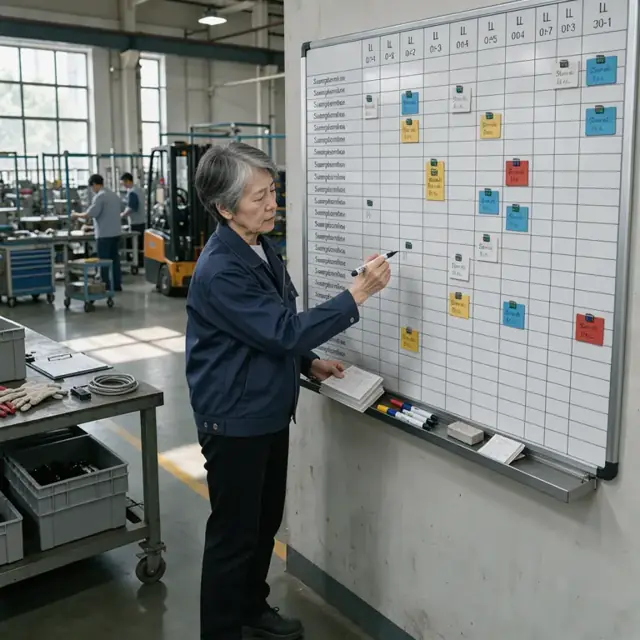
Production Scheduler
Create and maintain the master production schedule that balances customer due dates with shop capacity.
Works in: Process Optimizer, Ambitious Sheets · Workflows: Production scheduling and capacity planning
Automates
- Loads new orders into the master schedule
- Balances workloads across work centers
- Identifies capacity bottlenecks
- Assigns work orders with due dates
- Adjusts for priority changes
Stops for a person
- The production manager approves the weekly schedule
- Shop supervisors confirm realistic cycle times for new configurations
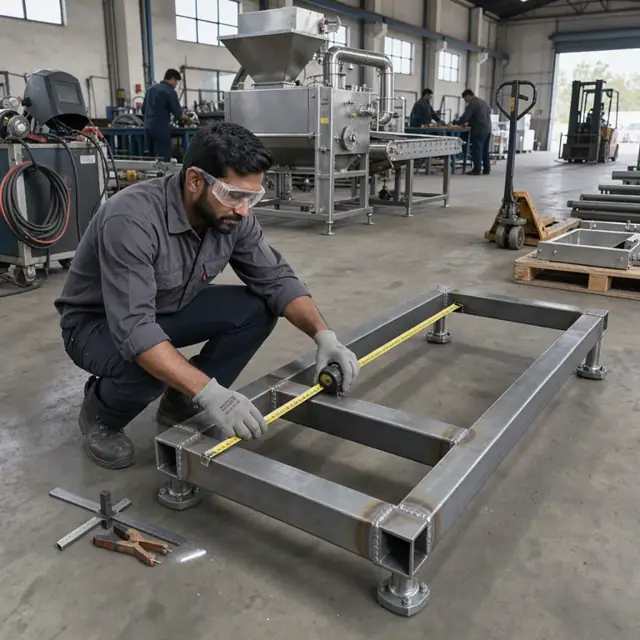
Shop Floor Execution Coordinator
Release work orders to the floor, track progress and capture labor and quality data at each station.
Works in: Ambitious Tasks, Ambitious Docs, Ambitious Sheets · Workflows: Shop floor work order execution
Automates
- Releases work orders with drawings and checklists
- Tracks consumption of materials and labor hours
- Logs inspection measurements and photos
- Moves completed operations to the next station
- Creates deviation reports for engineering
Stops for a person
- Technicians and welders confirm actual times and any issues
- Quality inspector reviews all in-process data before sign-off
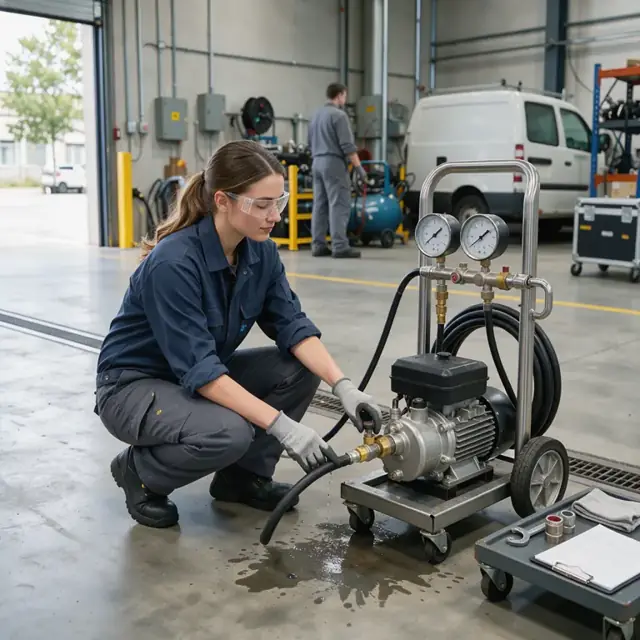
Quality and Test Coordinator
Generate inspection and test checklists, record results and prepare final acceptance documentation for each machine.
Works in: Ambitious Tasks, Ambitious Docs, Ambitious Sheets · Workflows: Quality inspection and testing
Automates
- Creates stage-specific quality checklists from the plan
- Logs test results against each serial number
- Tracks calibration status of test equipment
- Generates non-conformance reports
- Assembles the final test and certification package
Stops for a person
- Certified technicians perform and sign off all functional tests
- The quality manager reviews and approves all non-conformance dispositions
- A person confirms that every machine meets the owner's defined requirements before shipment
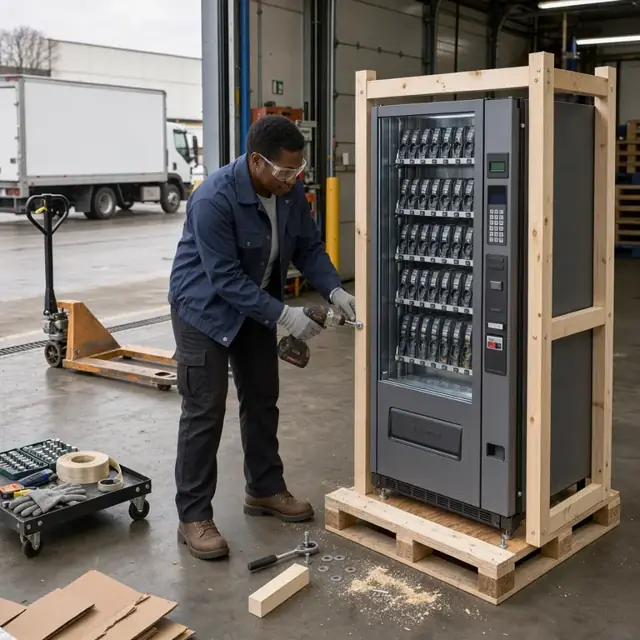
Shipping and Fulfillment Coordinator
Prepare all final packing, labeling, regulatory and shipping documents once a machine passes final inspection.
Works in: Ambitious Docs, Ambitious Tasks, Ambitious Sheets · Workflows: Final packaging, labeling and shipment
Automates
- Generates packing lists and serial number labels
- Creates required export and hazmat documentation
- Drafts carrier shipping labels and notifications
- Closes production orders and starts warranty records
Stops for a person
- The shipping lead verifies proper crating and blocking
- An authorized person reviews and files all export paperwork
- Accounting confirms payment status before release
Workflows
Order specification and configuration review
Starts when: A signed customer order or change order arrives by email or portal
- Parse the configuration options, voltage, capacity, attachments and special requirements
- Compare against approved engineering templates and available components
- Flag any non-standard items that require engineering redesign
- Create a master order task with linked drawings and bill of materials template
- Draft acknowledgment confirming configuration and estimated lead time
Watch for: Configuration errors found late trigger costly rework; Voltage, pressure and material specifications must be captured exactly as ordered
Engineering drawing and bom release
Starts when: After order configuration is confirmed
- Pull the base model drawings and modify for the specific configuration
- Generate or update the bill of materials with part numbers and quantities
- Run a where-used check for long-lead items and update the master schedule
- Release the package of drawings, bom and work instructions to production
- Notify purchasing of any new or modified components
Watch for: Revision control must be maintained on every drawing and bom; Changes after release require formal engineering change notices
Purchasing and supplier coordination
Starts when: After engineering release and on a weekly cadence
- Explode the bill of materials into purchase requirements by supplier
- Compare against current inventory and open orders
- Draft purchase orders with delivery dates matched to the production schedule
- Track acknowledgments, lead times and incoming inspection requirements
- Update inventory projections and flag potential shortages
Watch for: Certain motors, pumps and control boards have long lead times; Supplier certifications and material test reports must be collected
Production scheduling and capacity planning
Starts when: Weekly and when new orders are released
- Load confirmed orders and engineering releases into the master schedule
- Balance machine shop, welding, paint, assembly and test resources
- Identify bottlenecks using historical cycle times
- Assign work orders to specific work centers with due dates
- Adjust for priority rush orders from key accounts
Watch for: Paint booth and test stand capacity are frequent constraints; Welders and certified technicians cannot be over-allocated
Shop floor work order execution
Starts when: Start of each production shift or when a work center becomes available
- Release the next work order with drawings, bom and inspection points
- Track labor and material consumption against the order
- Capture in-process quality measurements and photos
- Move completed subassemblies to the next station
- Flag any deviations for engineering disposition
Watch for: Multiple inspection hold points exist before moving to next operation; Serialized parts must be logged at each step
Quality inspection and testing
Starts when: At each defined inspection point and upon final assembly
- Generate stage-specific checklists from the quality plan
- Record test results for pressure, electrical, leakage and function
- Capture calibration records of test equipment used
- Create non-conformance reports when out-of-tolerance conditions appear
- Prepare final acceptance test package for customer review
Watch for: Certain machines require third-party certification labels; All test data must be traceable to the serial number
Final packaging, labeling and shipment
Starts when: After final quality approval and customer payment confirmation
- Generate the packing list, serial number tag and regulatory labels
- Prepare export documents or hazmat declarations when required
- Draft shipping labels and carrier notifications
- Schedule final loading and departure
- Close the order and trigger warranty registration
Watch for: Large machines require special crating and blocking; International shipments need specific documentation sets
Bot templates for this industry
Source: U.S. Small Business Administration, Office of Size Standards, Table of Small Business Size Standards Matched to North American Industry Classification System Codes, version March 2023 (effective 2023-03-17, NAICS 2022). Size standards are shown for reference only.