

Industrial and Commercial Fan and Blower and Air Purification Equipment Manufacturing
Manufacturers of industrial fans, blowers and air purification systems build to customer specifications and standard models. For a shop that receives orders for custom centrifugal fans, axial blowers and HEPA-filtered air scrubbers, the specialists turn inquiries into engineered specifications, specifications into bills of materials and production schedules, and schedules into assembly, test and shipping plans. Engineering drawings, motor and filter selections, and regulatory testing stay with the engineers and shop leads.
What makes this business different
- Custom orders with performance specs (CFM, static pressure, motor type, filtration efficiency, noise level, hazardous location ratings) that must be engineered and confirmed before build
- Mixed production of standard catalog units and one-off engineered systems
- Long-lead purchased components such as motors, impellers, housings and specialty filters that require accurate forecasting
- Shop floor routing through fabrication, welding, balancing, painting, assembly and test cells with capacity constraints
- Performance testing, vibration analysis and air-flow verification on a test stand before shipment
- Compliance paperwork for UL, AMCA, OSHA, EPA and ATEX requirements with customer-supplied specifications
- Repeat industrial customers who reorder spares, request maintenance kits and need certified test reports
Specialist bots

Quote Engineer
Convert customer performance and environmental requirements into accurate quotes and initial specifications.
Works in: Ambitious Tasks, Ambitious Docs, Ambitious Sheets · Workflows: Quote to order conversion
Automates
- Reads incoming inquiries and extracts required CFM, pressure and conditions
- Checks against catalog models or flags for custom engineering
- Drafts formal quotes with lead times
- Creates project task with full specifications
Stops for a person
- Engineering reviews and approves all performance guarantees
- A person sends the final quote and negotiates terms

Design and Drawing Releaser
Produce complete bills of materials, select components and release revision-controlled drawings for production.
Works in: Ambitious Docs, Ambitious Sheets, Ambitious Tasks · Workflows: Engineering specification and drawing release
Automates
- Builds the BOM from approved component libraries
- Runs preliminary calculations for fan laws and motor sizing
- Flags non-standard items for purchasing
- Organizes and releases drawing packages
Stops for a person
- A licensed engineer checks and stamps critical drawings
- The shop lead confirms manufacturability before release

Procurement Coordinator
Generate accurate purchase requisitions from BOMs and maintain inventory of long-lead and common components.
Works in: Ambitious Sheets, Ambitious Tasks, Ambitious Docs · Workflows: Component purchasing and inventory
Automates
- Explodes BOMs and nets against current stock
- Groups items by supplier and required date
- Tracks lead times for motors and filters
- Maintains minimum stock levels for fasteners and bearings
Stops for a person
- Purchasing places all orders and approves expenditures
- Engineering approves any substitute components
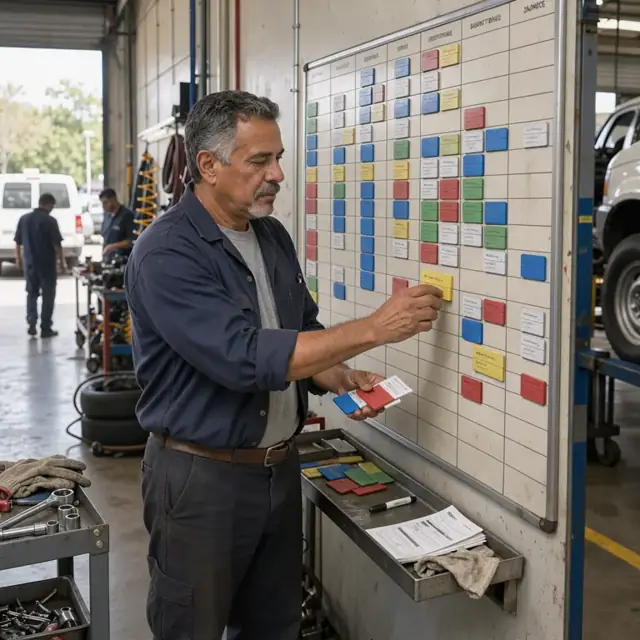
Shop Scheduler
Create and maintain the master production schedule and daily dispatch list across all work centers.
Works in: Ambitious Tasks, Ambitious Sheets · Workflows: Production scheduling and capacity planning
Automates
- Loads new orders into the schedule by due date
- Sequences jobs through fabrication, paint and test
- Highlights capacity conflicts and bottlenecks
- Publishes the next day's shop floor list
Stops for a person
- The production manager adjusts priorities based on material arrival and labor
- A person approves any schedule changes that affect customer dates
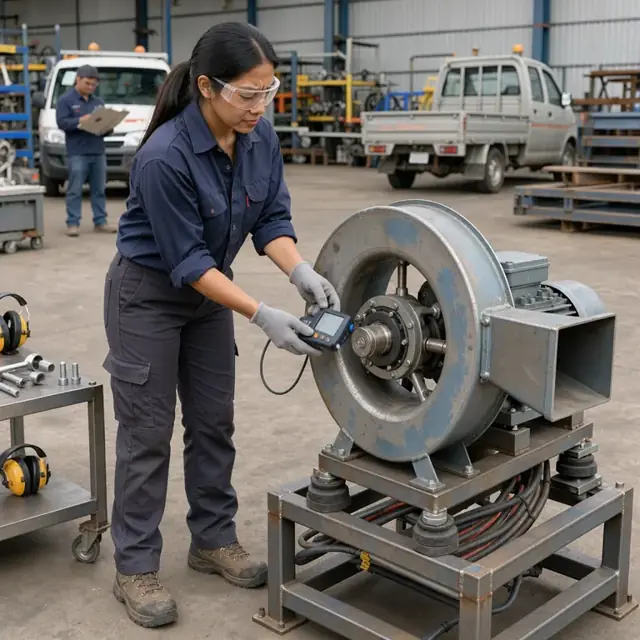
Assembly and Test Verifier
Guide units through the shop, record process data and verify that each unit meets test requirements before shipment.
Works in: Ambitious Tasks, Ambitious Docs, Ambitious Sheets · Workflows: Shop floor production execution, Performance testing and certification
Automates
- Creates traveler packets with current drawings
- Logs labor and inspection results at each station
- Runs test scripts and records air flow, vibration and power data
- Generates the final test report
Stops for a person
- Shop leads and quality technicians perform and sign off physical inspections and tests
- Engineering reviews any test results that fall outside tolerances

Final Documentation and Shipping Clerk
Assemble all test reports, manuals and compliance documents and coordinate final shipment.
Works in: Ambitious Docs, Ambitious Tasks, Email Buckets · Workflows: Shipping and final documentation
Automates
- Compiles test reports, manuals and packing lists by serial number
- Drafts shipment notifications and tracking updates
- Organizes digital archive of build records
- Triggers invoice once shipment is confirmed
Stops for a person
- A person reviews and approves all documents before they are sent to the customer
- Logistics arranges actual pickup and signs shipping papers
Workflows
Quote to order conversion
Starts when: A customer submits an inquiry by form, email or direct message
- Capture required performance data, environmental conditions, voltage, mounting and any hazardous ratings
- Check against standard models or flag for engineering review
- Draft a formal quote with price, lead time and exclusions
- Track quote status until it converts to a sales order
- Create a project task with all customer-supplied specifications
Watch for: Performance guarantees must be reviewed by engineering before quoting; Changes to specifications after order acceptance require change-order paperwork
Engineering specification and drawing release
Starts when: New custom order or specification change
- Convert customer requirements into a complete bill of materials and assembly drawing set
- Select motor, impeller, filter and control components from approved lists
- Run preliminary performance calculations and flag deviations
- Release checked drawings and BOM to production scheduling
- Store revision-controlled files for future reference
Watch for: Drawings must be reviewed and signed off by a licensed engineer when required; Special materials or finishes need documented approvals
Component purchasing and inventory
Starts when: After engineering release and on a weekly cadence
- Explode the BOM into purchased and manufactured parts
- Subtract current inventory and open purchase orders
- Draft purchase requisitions by supplier with required delivery dates
- Track long-lead items such as large motors and custom housings
- Maintain safety stock for common bearings, fasteners and filter media
Watch for: Motors and certified filters have long lead times and minimum order quantities; Supplier certifications for materials used in hazardous locations must be retained
Production scheduling and capacity planning
Starts when: Weekly and when new orders are released
- Load confirmed orders into the master schedule by required ship date
- Sequence work through fabrication, welding, paint, assembly and test bays
- Identify and resolve capacity conflicts on shared equipment
- Use the construction-scheduler tool to balance labor and machine hours
- Publish daily shop floor dispatch list
Watch for: Welders and test stands are frequent bottlenecks; Paint booth availability depends on color change and cure times
Shop floor production execution
Starts when: Daily dispatch list release
- Pull kits of parts and materials for each job
- Route units through sequential work centers with traveler paperwork
- Record labor hours, material issues and any deviations
- Perform in-process balancing and leak checks
- Move completed units to test area
Watch for: Weld procedures and welder qualifications must be current; Any deviation from released drawings requires engineering approval
Performance testing and certification
Starts when: Unit arrives at test stand
- Run air flow, pressure, power consumption and vibration tests per AMCA or customer standard
- Record results and compare against guaranteed performance
- Generate test report with serial number and date
- Apply certification labels when all requirements are met
- Release unit to shipping only after test approval
Watch for: Test equipment must be calibrated on schedule; Certain applications require third-party witnessed testing
Shipping and final documentation
Starts when: Unit passes final test and customer approves release
- Prepare packing list, test report, operation manual and spare parts list
- Schedule carrier and prepare export documents when required
- Draft customer notification of shipment with tracking
- Close the job in the system and trigger invoice
- Archive all build and test records by serial number
Watch for: Large units may require special crating and rigging; Export-controlled items need additional documentation
Bot templates for this industry
Source: U.S. Small Business Administration, Office of Size Standards, Table of Small Business Size Standards Matched to North American Industry Classification System Codes, version March 2023 (effective 2023-03-17, NAICS 2022). Size standards are shown for reference only.