

Special Die and Tool, Die Set, Jig and Fixture Manufacturing
Manufacturers of custom dies, jigs, fixtures and tooling take customer part drawings, engineer the tooling, schedule the shop, machine or EDM the components, inspect against tolerances, and ship or stage for production runs. The specialists turn drawings into quoted jobs, quoted jobs into CAM programs and work orders, work orders into machine schedules, and finished tools into inspection reports and invoices. Design intent, tight tolerances, material certifications and shop capacity stay with the toolmaker.
What makes this business different
- Customer-supplied 2D drawings or 3D models that must be interpreted for manufacturability and tolerance stack-up
- Quote turnaround expectations that range from hours for simple jigs to weeks for complex progressive dies
- Precision machining, wire EDM, grinding and fitting that require exact machine selection and fixturing
- Tool steel, aluminum, carbide and specialty alloys purchased in specific grades with heat-treat and certification tracking
- Shop scheduling that balances CNC mills, lathes, EDMs, surface grinders and inspection equipment
- First-article and in-process inspections using CMM, optical comparators and gauge pins with full traceability
- Repeat customers who reorder replacement tooling, spares or design revisions on a seasonal or project basis
Specialist bots

Quote Engineer
Convert incoming drawings and specifications into accurate, buildable quotes with operation breakdowns.
Works in: Ambitious Docs, Ambitious Sheets, Ambitious Tasks · Workflows: Quote and order intake
Automates
- Reads customer drawings and extracts features, tolerances and materials
- Builds operation sequence and estimates hours
- Drafts the formal quote document
- Flags features that need engineering clarification
Stops for a person
- The lead toolmaker reviews complex die or fixture quotes
- The owner approves final pricing and delivery dates before sending
- Any assumptions about manufacturability are confirmed with the customer by a person

Tool Designer
Create precise 3D models, 2D drawings and bills of materials for custom dies, jigs and fixtures.
Works in: Ambitious Docs, Ambitious Sheets, Process Optimizer · Workflows: Tool design and engineering
Automates
- Generates tooling models from customer part geometry
- Performs interference and tolerance stack checks
- Produces detailed drawings with dimensioned views
- Builds the material and component list
Stops for a person
- The senior designer approves the final design package
- Design changes that affect price or delivery are reviewed with the customer by the owner

Shop Scheduler
Build and maintain the master schedule that sequences all machining, EDM, grinding and inspection operations.
Works in: Ambitious Tasks, Ambitious Sheets · Workflows: Shop scheduling and dispatch
Automates
- Loads new jobs into the schedule by required operations
- Balances workload across CNC machines and manual equipment
- Generates daily work orders and setup packets
- Highlights capacity conflicts and material delays
Stops for a person
- The shop supervisor adjusts machine assignments and priorities
- Rush jobs are inserted only after the owner approves the impact on other orders

Materials Coordinator
Turn tooling bills of materials into purchase orders and track raw stock, certifications and outside processing.
Works in: Ambitious Sheets, Ambitious Tasks, Ambitious Docs · Workflows: Material and outside-service purchasing
Automates
- Explodes bills into raw material and purchased items
- Checks current inventory levels
- Drafts purchase orders by supplier
- Tracks heat numbers and material certifications
Stops for a person
- The owner reviews and sends all purchase orders
- Material substitutions that affect performance are approved by the lead toolmaker
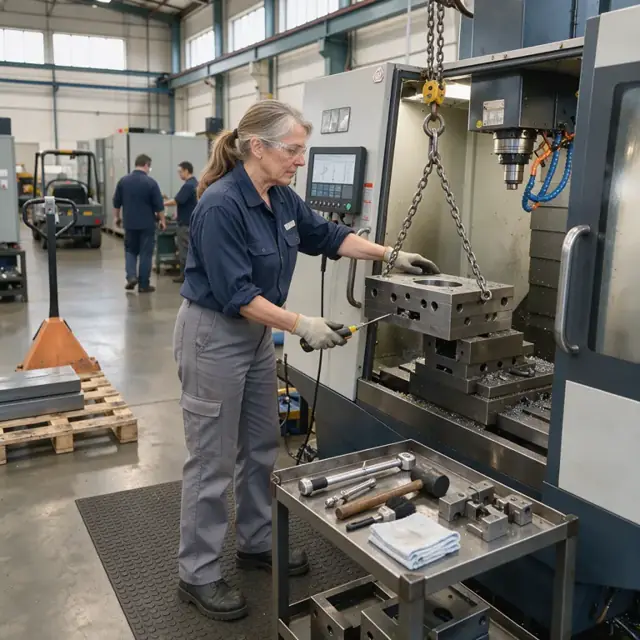
Production Coordinator
Monitor real-time job status on the floor, update schedules and ensure work orders move between operations without delay.
Works in: Ambitious Tasks, Process Optimizer, Ambitious Sheets · Workflows: Production and machining execution, Shop scheduling and dispatch
Automates
- Updates job status from operator entries
- Routes completed operations to the next machine
- Calculates remaining time against due dates
- Flags delayed operations for immediate attention
Stops for a person
- Machine operators confirm setup and first-off approval
- The shop supervisor decides on any resequencing
- All program and setup sheet changes are approved by a programmer or lead

Quality Verifier
Generate inspection plans and record measurements from CMM and hand tools to confirm every critical dimension.
Works in: Ambitious Tasks, Ambitious Sheets, Ambitious Docs · Workflows: Inspection and quality verification
Automates
- Creates inspection checklists from drawing callouts
- Logs CMM and manual gauge data
- Compares results against tolerances
- Assembles the as-built documentation package
Stops for a person
- The lead inspector reviews all first-article and final reports
- Any non-conformance is reviewed and dispositioned by the owner or customer
- People confirm that all requirements the owner has specified are met
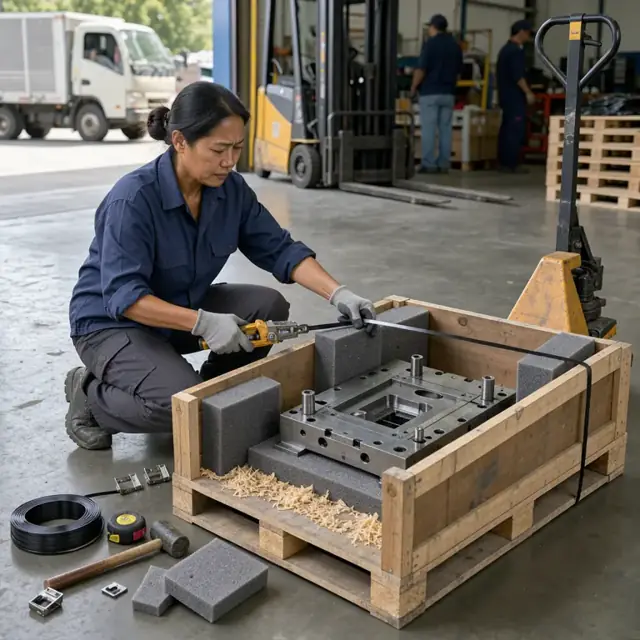
Closeout and Invoicing Clerk
Assemble final job documentation, prepare accurate invoices and archive completed tooling records.
Works in: Ambitious Docs, Ambitious Sheets, Ambitious Tasks · Workflows: Shipping, invoicing and customer closeout
Automates
- Compiles inspection reports, material certs and drawings
- Calculates final invoice including any approved changes
- Drafts packing lists and shipping labels
- Creates the archived job folder
Stops for a person
- The owner reviews and sends every invoice
- Shipping arrangements and customer communications are handled by a person
- The owner confirms all documentation meets customer requirements before release
Workflows
Quote and order intake
Starts when: A customer sends a drawing, model or request for quotation
- Capture the part geometry, material, tolerances, quantity and delivery date
- Review the drawing for manufacturability and flag features that need clarification
- Draft a detailed quote with tooling type, estimated hours by operation and price
- Record engineering notes and customer specifications in the job folder
- Create a quote task for review
Watch for: Tolerances must be captured exactly as stated and never rounded; Complex progressive dies or fixtures may require a design feasibility review before quoting
Tool design and engineering
Starts when: Quote is accepted and order is placed
- Convert customer part data into tooling design requirements
- Create or modify 3D models and 2D drawings for the die, jig or fixture
- Run interference checks and tolerance stack analysis
- Draft bill of materials for tool steel, bushings, fasteners and wear components
- Prepare files for CAM programming
Watch for: Design must accommodate press type, stroke, tonnage and shut height when applicable; Changes requested by the customer after design approval trigger a revision quote
Shop scheduling and dispatch
Starts when: Design package is released and materials are confirmed
- Load the job into the master schedule by required operations
- Assign machines and operators based on availability and capability
- Sequence roughing, heat treat, finishing and inspection steps
- Flag jobs that share fixtures or require special tooling
- Generate daily work orders with setup sheets and programs
Watch for: Bottlenecks on EDM or precision grinding machines must be visible weeks ahead; Rush orders from long-term customers can bump the schedule only with owner approval
Material and outside-service purchasing
Starts when: After order acceptance and again before each major operation
- Explode the bill of materials into raw stock and purchased components
- Check existing inventory of tool steel, aluminum plate and standard components
- Draft purchase orders for material, heat treat, coating or EDM wire
- Track certifications and test reports for each lot
- Monitor lead times against the master schedule
Watch for: Tool steel must be ordered to exact size to minimize machining waste; Outside heat treat and coating vendors require precise process specifications
Production and machining execution
Starts when: Work order is released to the floor
- Load CAM programs and setup instructions to the machine
- Verify first-off parts against the inspection plan
- Record actual run times, tool wear and any deviations
- Stage completed components for assembly or next operation
- Update job status in real time
Watch for: Critical surfaces must be protected from damage during handling between machines; Setup and teardown time for large dies can exceed run time
Inspection and quality verification
Starts when: Parts or assemblies reach inspection points
- Generate inspection checklist from the tolerance callouts
- Record measurements from CMM, micrometers, gauge blocks and comparators
- Compare results to customer and internal requirements
- Create as-built documentation package
- Flag any non-conforming features for rework or customer notification
Watch for: Dimensional inspection must occur at stable temperature; Full traceability from raw material heat number to final tool is required for many customers
Shipping, invoicing and customer closeout
Starts when: Tool or fixture passes final inspection
- Prepare packing list, certification documents and inspection reports
- Draft the final invoice with any change-order adjustments
- Schedule shipment or customer pickup
- Create a job-close task with lessons learned
- Archive the complete digital job folder
Watch for: Heavy dies require special crating and rigging instructions; Customers may require specific digital delivery formats for drawings and reports
Bot templates for this industry
Source: U.S. Small Business Administration, Office of Size Standards, Table of Small Business Size Standards Matched to North American Industry Classification System Codes, version March 2023 (effective 2023-03-17, NAICS 2022). Size standards are shown for reference only.