

Machine Tool Manufacturing
Machine tool manufacturers design, build and service custom and standard CNC mills, lathes, grinders and presses. For a shop that takes orders for both one-off tooling fixtures and repeat production machines, the specialists turn customer specs into engineering drawings and BOMs, drawings into machine schedules and material orders, schedules into shop-floor work packets with inspections, and completed machines into test reports, shipping crates and spare-parts kits. Tooling drawings, material certifications and safety standards stay with the lead machinist and engineer.
What makes this business different
- Custom machine specifications with tight tolerances, materials and performance requirements that must be captured exactly
- Long lead times for castings, motors, ball screws and imported components with supplier certifications
- Job-shop scheduling across multiple CNC machines, manual stations and assembly bays with overlapping projects
- In-process and final inspections, geometric dimensioning, calibration records and traceability paperwork
- Material test reports, weld certifications, paint and coating logs and safety standard checklists
- Preventive maintenance on CNC equipment, coolant systems and metrology tools
- Repeat OEM customers who reorder spare parts, fixtures and retrofits on a seasonal or annual cadence
- Crating, rigging and freight arrangements for machines that weigh several tons
Specialist bots

Specification Intake Specialist
Convert every customer RFQ, drawing set and purchase order into a clean, complete project folder ready for engineering.
Works in: Ambitious Tasks, Ambitious Docs, Contract Analyzer · Workflows: Order and specification intake
Automates
- Reads incoming RFQs, emails and drawing files
- Extracts tolerances, materials and performance requirements into a structured spec sheet
- Flags missing information and drafts clarification questions
- Creates the job folder and links all customer files
- Drafts the order acknowledgment
Stops for a person
- The lead engineer approves any deviations from standard offerings
- A person sends all customer communications and handles deposit collection

Drawing and BOM Engineer
Produce manufacturing drawings, GD&T, BOMs and work instructions from customer specifications.
Works in: Ambitious Docs, Ambitious Sheets, Process Optimizer · Workflows: Engineering and drawing release
Automates
- Generates detailed drawings and tolerance stack-ups
- Builds the complete BOM with part numbers and suppliers
- Adds in-house tooling callouts and inspection points
- Creates step-by-step work instructions for critical operations
- Manages drawing revisions and release to production
Stops for a person
- The lead engineer reviews and stamps all critical drawings
- Any engineering change after release must be approved by the owner
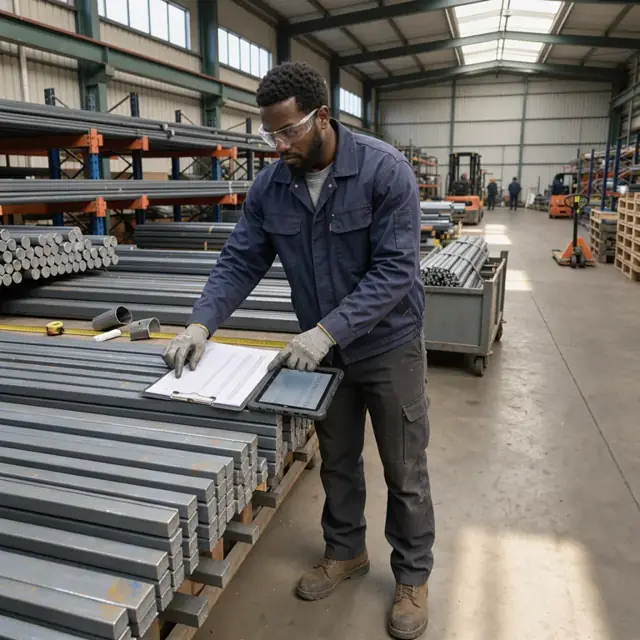
Materials and Purchasing Coordinator
Turn the BOM into accurate purchase requisitions while tracking long-lead items and certifications.
Works in: Ambitious Sheets, Ambitious Tasks, Ambitious Docs · Workflows: Material and component purchasing
Automates
- Explodes BOMs into raw materials and purchased components
- Subtracts on-hand inventory and open orders
- Drafts purchase lists grouped by supplier
- Tracks material certifications and test reports
- Updates the master schedule with arrival dates
Stops for a person
- The owner approves and places all purchases
- Substitutions or alternate suppliers are confirmed by the lead machinist

Shop Scheduler and Dispatcher
Maintain the master schedule across all machines and bays and issue daily work packets.
Works in: Ambitious Tasks, Ambitious Sheets · Workflows: Machine shop scheduling and dispatching
Automates
- Loads jobs into the multi-machine schedule
- Balances setup and run times
- Generates daily work packets with drawings and inspection sheets
- Flags outside processing needs
- Adjusts the schedule when machines report downtime
Stops for a person
- The shop supervisor reviews and adjusts the daily dispatch list
- Operators confirm job completion times
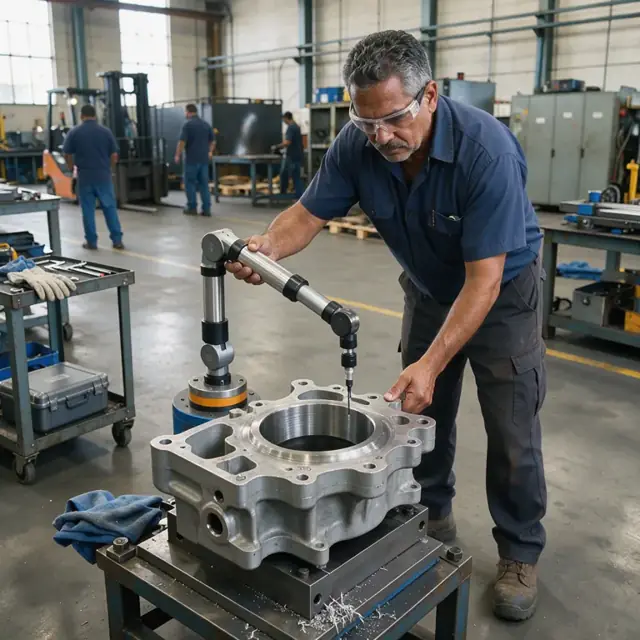
Quality Inspection Coordinator
Create inspection checklists, record measurements and compile full traceability packets for each machine.
Works in: Ambitious Tasks, Ambitious Docs, Ambitious Sheets · Workflows: In-process and final inspection
Automates
- Builds dimension-specific inspection checklists from drawings
- Logs CMM and manual measurements
- Flags out-of-tolerance conditions for review
- Compiles material certs and inspection reports
- Prepares the final quality packet for shipment
Stops for a person
- The lead machinist or engineer reviews all failed dimensions and concessions
- A person performs final visual and functional checks before release

Maintenance and Calibration Planner
Schedule and track preventive maintenance and calibration for all shop equipment and metrology tools.
Works in: Ambitious Tasks, Ambitious Sheets, Process Optimizer · Workflows: Equipment maintenance and calibration
Automates
- Generates recurring maintenance tasks by machine hours
- Tracks lubrication, coolant and filter schedules
- Schedules annual calibration events
- Logs completed work and parts replaced
- Notifies the scheduler when a machine is unavailable
Stops for a person
- Technicians perform the actual maintenance and sign off
- The owner reviews calibration certificates before they are filed

Shipping and Documentation Coordinator
Prepare crating specifications, compile final documentation and coordinate freight for finished machines.
Works in: Ambitious Tasks, Ambitious Docs, Contract Analyzer · Workflows: Crating, shipping and spare parts
Automates
- Generates crate and rigging instructions based on machine weight
- Compiles all test reports, manuals and certifications
- Drafts bills of lading and commercial invoices
- Creates spare parts kits and packing lists
- Tracks shipment status until customer confirmation
Stops for a person
- The owner approves all shipping documents and freight carriers
- A certified rigger or driver handles actual loading and transport
Workflows
Order and specification intake
Starts when: A customer submits an RFQ, drawing package or purchase order
- Extract all dimensional tolerances, material grades, performance criteria and finish requirements
- Check the order against current machine capacity and standard options
- Draft a clarification list for any missing or conflicting specifications
- Create a project folder with the full customer drawing set and specifications
- Record deposit status and send an order acknowledgment draft
Watch for: Tolerances must be captured exactly as stated and never rounded; Any deviation from the customer's print requires written approval before release to the floor
Engineering and drawing release
Starts when: Order acknowledgment and after any clarifications are resolved
- Generate detailed manufacturing drawings, assembly views and BOM from the customer specification
- Add in-house tooling, fixture and inspection points to the drawings
- Run a tolerance stack-up analysis and flag any critical dimensions
- Release a checked drawing package to production control
- Create work instructions for key machining and assembly steps
Watch for: All critical dimensions and GD&T must be reviewed by the lead engineer; Changes after release require formal revision control
Material and component purchasing
Starts when: Engineering release and weekly
- Explode the BOM into raw stock, castings, motors, bearings and fasteners
- Subtract current inventory and open purchase orders
- Draft purchase requisitions by supplier with required certifications
- Track long-lead items and update the master schedule
- Log incoming material test reports and certificates of conformance
Watch for: Specialty alloys and precision components often have long lead times; Material traceability numbers must be recorded for each job
Machine shop scheduling and dispatching
Starts when: Weekly and when new jobs are released
- Load all open jobs into the master schedule across mills, lathes, grinders and assembly
- Balance setups, run times and operator availability
- Generate daily work packets with drawings, tooling lists and inspection sheets
- Flag jobs that require outside services such as heat treat or anodizing
- Update schedule when a machine goes down or a job finishes early
Watch for: Setup time on large mills can exceed run time; Certain jobs must run on specific machines due to size or tolerance
In-process and final inspection
Starts when: At each operation and at machine completion
- Create inspection checklists keyed to the critical dimensions on the drawing
- Record first-article, in-process and final measurements from CMM and hand tools
- Flag any out-of-tolerance conditions and trigger rework or concession requests
- Compile full inspection report and material certifications for the job folder
- Release the machine for painting, crating or shipment
Watch for: CMM programs must be saved and linked to each part number; All inspection data must be traceable to the serial number of the machine
Equipment maintenance and calibration
Starts when: On scheduled intervals and after each 500 hours of use
- Generate preventive maintenance tasks for each CNC machine, forklift and metrology device
- Track coolant changes, ball-screw lubrication and filter replacements
- Schedule annual calibration of scales, probes and laser trackers
- Log all maintenance performed and parts used
- Flag any machine that is out of service for the scheduler
Watch for: Some customers require proof of machine calibration before accepting parts; Maintenance records must be kept for the life of the equipment
Crating, shipping and spare parts
Starts when: After final inspection and customer payment
- Generate crate and rigging specifications based on machine size and weight
- Compile final documentation packet including inspection reports and manuals
- Draft shipping labels, bills of lading and export papers if needed
- Create spare parts kits and associated BOMs for the customer
- Track delivery confirmation and schedule any installation support
Watch for: Machines over several tons require certified rigging plans; International shipments need specific commercial invoices and certificates
Bot templates for this industry
- Machine Tool Manufacturing (7 bots)
Source: U.S. Small Business Administration, Office of Size Standards, Table of Small Business Size Standards Matched to North American Industry Classification System Codes, version March 2023 (effective 2023-03-17, NAICS 2022). Size standards are shown for reference only.