

Rolling Mill and Other Metalworking Machinery Manufacturing
Manufacturers of rolling mills, metal-forming machines, wire-drawing machines, and other custom metalworking equipment produce made-to-order or configured machinery. Orders arrive with exact specifications for capacity, material thickness, speed, controls and safety features. The specialists turn customer requirements into engineering-ready specs, bills of materials, production schedules and supplier orders while the engineers and shop floor control design validation, machining, assembly, testing and final acceptance.
What makes this business different
- Custom machine specifications including tonnage, width, speed, material thickness, automation level, safety interlocks and integration with existing customer lines
- Long lead-time components such as forged rolls, gearboxes, hydraulic systems and CNC controllers that must be ordered early
- Engineering drawings, weldments, precision machining and assembly sequences that require revision control
- In-house or supplier machining, heat treating, coating and electrical panel build with capacity and queue management
- Factory acceptance testing, customer inspection, crating, rigging and on-site installation coordination
- OSHA machine guarding requirements, electrical codes and material certifications that the owner confirms
- Repeat customers who reorder spare parts, upgrades or similar machines for additional production lines
Specialist bots

Specification Capture Specialist
Turn every customer inquiry or purchase order into a complete, engineering-ready machine specification.
Works in: Ambitious Tasks, Ambitious Docs, Contract Analyzer · Workflows: Order intake and specification capture
Automates
- Reads incoming inquiries and purchase orders
- Extracts all technical parameters and options
- Checks against standard configurations
- Drafts the formal quotation
- Creates the order specification task
Stops for a person
- Engineering reviews and approves all non-standard requirements
- Sales approves final pricing and terms before sending
- A person sends the quotation to the customer

Engineering Release Coordinator
Convert approved specifications into released drawings, bills of materials and change-controlled engineering packages.
Works in: Ambitious Docs, Ambitious Sheets, Ambitious Tasks · Workflows: Engineering drawing and BOM release
Automates
- Builds the complete bill of materials from templates
- Tracks drawing revisions and approvals
- Identifies long-lead components
- Generates the engineering release checklist
Stops for a person
- Licensed engineers approve all final drawings and calculations
- The owner confirms any customer-requested deviations

Materials and Procurement Planner
Turn the bill of materials into accurate purchase orders and maintain inventory of long-lead and common components.
Works in: Ambitious Sheets, Ambitious Tasks, Ambitious Docs · Workflows: Component procurement and inventory
Automates
- Explodes the BOM into purchase and make items
- Checks current stock and on-order quantities
- Drafts purchase orders by supplier
- Tracks lead times and flags delays
Stops for a person
- Purchasing manager approves and sends all purchase orders
- Engineering confirms material substitutions

Production Scheduler
Create and maintain the master production schedule and resolve capacity conflicts across machining and assembly.
Works in: Process Optimizer, Ambitious Sheets · Workflows: Production scheduling and capacity
Automates
- Loads new orders into the schedule
- Sequences operations by work center
- Highlights bottlenecks and suggests adjustments
- Publishes the weekly shop schedule
Stops for a person
- The shop supervisor approves the final weekly schedule
- Changes to promised delivery dates require owner approval

Quality and Shop Floor Documents Clerk
Distribute current drawings and work instructions, capture inspection results and maintain job documentation.
Works in: Ambitious Docs, Ambitious Tasks, Ambitious Sheets · Workflows: Shop floor execution and quality, Compliance and certification paperwork
Automates
- Pushes latest revision drawings to each station
- Creates digital inspection checklists
- Logs completed operations and quality records
- Flags non-conformances for review
- Assembles material traceability and certification files
Stops for a person
- Machinists and inspectors record actual measurements
- Quality manager reviews and signs off all critical inspection records
- The owner confirms which regulatory and customer requirements apply
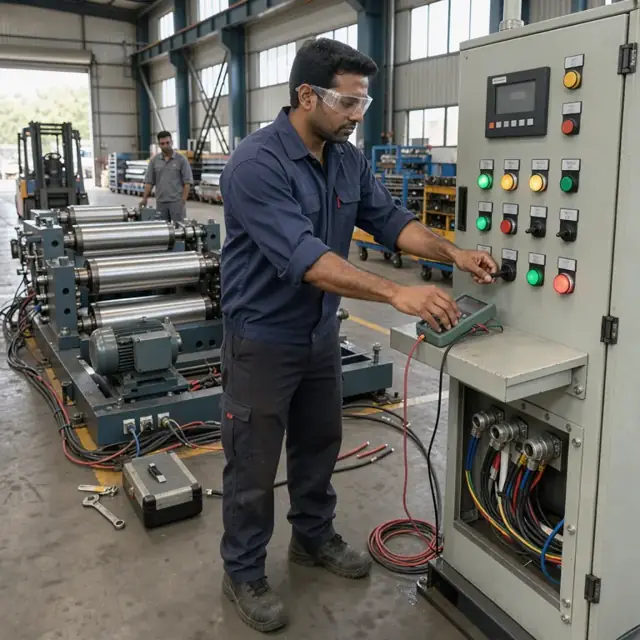
Test and Shipment Coordinator
Generate test plans, record factory acceptance results and prepare machines for safe shipment and installation.
Works in: Ambitious Tasks, Ambitious Docs · Workflows: Factory testing and shipment preparation
Automates
- Builds test plans from specification templates
- Organizes test result records
- Drafts acceptance and shipping documents
- Creates rigging and installation checklists
Stops for a person
- The test engineer and customer witness approve test results
- The owner signs all acceptance and shipping paperwork

Aftermarket and Spare Parts Specialist
Manage spare parts lists, draft manuals, process reorders and track warranty and field support requests.
Works in: Ambitious Docs, Ambitious Tasks, Email Buckets · Workflows: After-sales support and spare parts
Automates
- Generates recommended spare parts kits by serial number
- Organizes installation and maintenance manual drafts
- Processes spare parts orders
- Tracks warranty claims and customer feedback
Stops for a person
- Engineering reviews all technical manuals before release
- The owner approves every manual, warranty response and major spare parts quotation
Workflows
Order intake and specification capture
Starts when: A customer submits inquiry, quote request or purchase order
- Extract all technical parameters including material thickness, width, speed, tonnage, controls and required features
- Compare specifications against standard models and available options
- Flag any non-standard requirements for engineering review
- Draft a formal quotation with scope, exclusions and lead time
- Create an engineering-ready order specification task
Watch for: Exact material and tolerance data must be captured without assumption; Special safety or integration requirements need immediate engineering input
Engineering drawing and BOM release
Starts when: Order is accepted and deposit received
- Convert customer specifications into a complete engineering package with drawings and calculations
- Generate bills of materials with part numbers, sources and material certifications
- Release drawings for machining, fabrication and assembly under revision control
- Identify long-lead items and trigger early procurement
- Track any customer-driven changes with documented revision history
Watch for: All drawings and BOMs must be approved before release to the shop; Change orders require documented revision history
Component procurement and inventory
Starts when: After engineering release and weekly
- Explode the BOM into purchased and manufactured items
- Check current inventory and on-order status
- Draft purchase orders for motors, bearings, hydraulics, forgings and controls
- Track supplier lead times and expedite critical items
- Maintain safety stock for common wear parts and fasteners
Watch for: Forgings, castings and specialty alloys have multi-month lead times; Supplier material certifications must be collected and filed
Production scheduling and capacity
Starts when: Weekly and after each engineering release
- Load new orders into the master schedule by machine and work center
- Sequence machining, welding, assembly, testing and coating operations
- Identify bottlenecks on large mills, lathes, crane bays or assembly areas
- Adjust for supplier delays and shop capacity
- Publish weekly shop floor schedule with assigned operators
Watch for: Large machines occupy crane bays for days or weeks; Precision grinding and alignment steps cannot be rushed
Shop floor execution and quality
Starts when: Daily at start of shift
- Distribute current drawings, weld procedures and work instructions to each station
- Track completion of machining, fabrication, heat treat and assembly steps
- Record inspection results, non-conformances and material usage
- Capture time against the job and flag completed operations for next work center
- Maintain traveler paperwork that moves with the job
Watch for: Critical dimensions require documented inspection before moving to next operation; Weld procedures and heat treatment records must be maintained
Factory testing and shipment preparation
Starts when: Machine reaches final assembly
- Generate test plan based on customer specifications
- Record results of dry runs, load tests, safety interlock checks and alignment
- Draft customer acceptance documents and test reports
- Prepare crating, rigging, export paperwork and shipping instructions
- Coordinate delivery or on-site installation scheduling
Watch for: Customer witness testing may require schedule adjustments; Export documentation and crating standards vary by destination
After-sales support and spare parts
Starts when: After shipment and on customer request
- Create serial-number specific spare parts lists and recommended kits
- Draft installation, operation and maintenance manuals
- Track warranty items and field support requests
- Process reorder requests for wear parts and upgrades
- Capture customer feedback for future design improvements
Watch for: Serial-number specific documentation must be retained; Owner approves all manuals and warranty communications
Compliance and certification paperwork
Starts when: At engineering release, final test and renewal dates
- Generate OSHA guarding checklist, electrical code verification list and material traceability log
- Collect and file supplier material certifications and test reports
- Track expiration dates for welder certifications, crane inspections and insurance
- Assemble final data book with drawings, test results and certifications
- Flag any upcoming renewal or inspection requirements
Watch for: The owner confirms which codes and customer requirements apply to each job; All sign-offs and certifications are performed by qualified people
Bot templates for this industry
Source: U.S. Small Business Administration, Office of Size Standards, Table of Small Business Size Standards Matched to North American Industry Classification System Codes, version March 2023 (effective 2023-03-17, NAICS 2022). Size standards are shown for reference only.