

Other Engine Equipment Manufacturing
Manufacturers of other engine equipment produce custom and standard internal combustion engines, components and power units for industrial, marine, agricultural and specialty applications. For a shop that receives orders for rebuilt or modified engines with specific horsepower, emissions and mounting requirements, the specialists turn customer specs into engineering drawings and bills of materials, drawings into procurement and production schedules, and finished units into test, inspection and shipping plans. Blueprints, torque specs and emissions certifications stay with the lead machinist and engineer.
What makes this business different
- Custom engine orders with precise performance, emissions, mounting, fuel type and accessory requirements that must match the customer's application exactly
- Long-lead-time parts and castings ordered against a master production schedule with strict due dates
- Complex bills of materials that include machined, purchased and remanufactured components with revision control
- Machining, assembly, dynamometer testing and quality inspection steps that must be sequenced and tracked per engine serial number
- Regulatory paperwork for emissions compliance, EPA or CARB labeling and safety certifications that the owner confirms
- High-value inventory of cores, blocks, heads, crankshafts and specialized tooling that must be tracked by serial and condition
- Repeat OEM and fleet customers who reorder specific models and request updates on build status
Specialist bots

Order Specification Reviewer
Convert every incoming customer order or quote request into a verified job packet with assigned serial number.
Works in: Ambitious Tasks, Ambitious Docs, Contract Analyzer · Workflows: Order and specification review
Automates
- Reads purchase orders and extracts performance, emissions and mounting requirements
- Compares specifications against approved product configurations
- Flags non-standard items for engineering review
- Drafts confirmation documents
- Creates the initial job task with serial number
Stops for a person
- The lead engineer approves any non-catalog configurations
- A person reviews and sends all confirmations to the customer
- Customer-supplied cores are physically inspected by a machinist
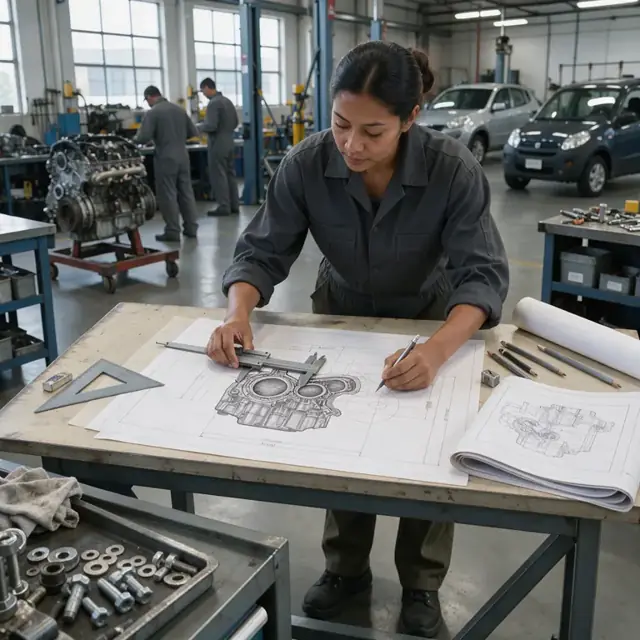
Engineering Drawing Coordinator
Produce and release accurate manufacturing drawings and bills of materials for each custom or modified engine.
Works in: Ambitious Docs, Ambitious Sheets, Ambitious Tasks · Workflows: Engineering drawing and BOM release
Automates
- Generates or updates component drawings from templates
- Builds complete BOMs with revision levels
- Calculates material requirements and lead times
- Assembles the full engineering package for production
Stops for a person
- The lead engineer verifies all critical dimensions and tolerances
- The owner approves any new tooling or fixture designs before release

Materials and Procurement Planner
Convert each BOM into accurate purchase orders and maintain inventory of cores, castings and machined parts.
Works in: Ambitious Sheets, Ambitious Tasks, Ambitious Docs · Workflows: Purchasing and inventory control
Automates
- Explodes BOMs into purchase and manufacturing requirements
- Checks stock and on-order quantities
- Drafts purchase orders by supplier
- Tracks core returns and condition codes
Stops for a person
- The owner approves and sends all purchase orders
- Critical supplier certifications are reviewed by the quality lead
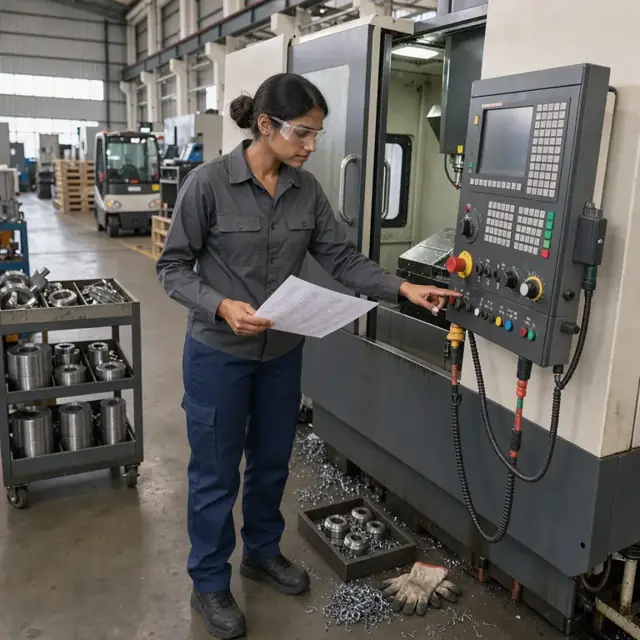
Production Scheduler
Create and maintain the machine shop and assembly schedule for all engine builds against available capacity.
Works in: Process Optimizer, Ambitious Tasks · Workflows: Production and machining schedule
Automates
- Sequences jobs across work centers and machines
- Assigns serial-numbered builds to specific days
- Balances workload and flags tooling conflicts
- Generates daily dispatch lists for each machinist
Stops for a person
- The shop supervisor adjusts the schedule for unexpected machine downtime
- The owner sets priority for rush orders

Test and Inspection Coordinator
Generate assembly checklists, schedule dynamometer tests and compile all test and inspection data by serial number.
Works in: Ambitious Tasks, Ambitious Docs, Ambitious Sheets · Workflows: Assembly, testing and inspection, Quality and compliance documentation
Automates
- Creates torque and clearance checklists
- Schedules dyno runs and records parameters
- Compiles build records and test reports
- Tracks calibration of all test equipment
Stops for a person
- A certified technician performs and signs off on every dynamometer test
- The quality manager reviews all final inspection data before release
- The owner confirms which regulatory test limits apply
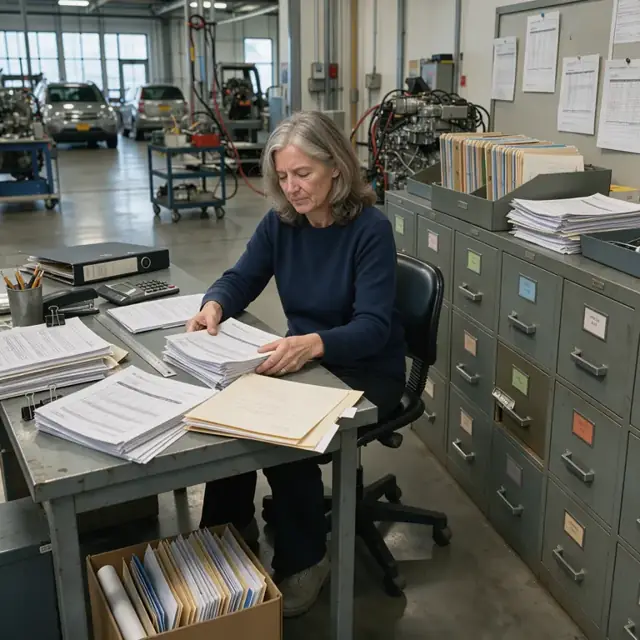
Compliance and Documentation Clerk
Organize all build records, test reports and regulatory documents and track certification renewal dates.
Works in: Ambitious Docs, Ambitious Sheets, Ambitious Tasks · Workflows: Quality and compliance documentation
Automates
- Assembles customer data packets by serial number
- Maintains revision-controlled work instructions
- Alerts on upcoming calibration and certification dates
- Organizes emissions and safety test records
Stops for a person
- The owner confirms which emissions and safety standards apply to each engine
- All final customer documentation packages are reviewed and approved before sending

Shipping and Dispatch Coordinator
Prepare shipping instructions, documentation and customer notifications for each completed engine.
Works in: Ambitious Tasks, Ambitious Docs, Email Buckets · Workflows: Shipping and customer notification
Automates
- Determines crating and freight requirements by engine size
- Drafts bills of lading and shipping labels
- Prepares customer shipment notifications
- Closes job packets and updates inventory
Stops for a person
- The owner approves all export or hazardous materials paperwork
- A person physically verifies proper blocking and crating before shipment leaves
Workflows
Order and specification review
Starts when: Receipt of a new customer purchase order or request for quote
- Extract engine model, horsepower, emissions tier, mounting configuration, fuel system and accessory list from the order
- Compare requirements against current product offering and engineering standards
- Flag any non-standard items that require engineering changes or new drawings
- Draft a confirmation of specifications and delivery window
- Create a job packet with serial number assignment
Watch for: Any deviation from published specs must be reviewed by engineering before acceptance; Customer-supplied cores or components must be inspected on arrival
Engineering drawing and BOM release
Starts when: Approved order with custom requirements
- Generate or revise detailed manufacturing drawings for modified components
- Build a complete bill of materials with part numbers, revisions and sources
- Calculate required quantities and lead times for each item
- Release the package to production scheduling with torque, clearance and test specifications
- Store the approved drawing set for future reference
Watch for: Revision history must be maintained on every drawing and BOM; Special tooling or fixtures may be required for unique configurations
Purchasing and inventory control
Starts when: BOM release and weekly schedule review
- Explode the BOM into purchased, machined and remanufactured requirements
- Check current inventory and on-order status for each item
- Draft purchase orders for long-lead castings, gaskets, injectors and electronics
- Track core returns and remanufactured component availability
- Update inventory records upon receipt and inspection
Watch for: High-value cores and blocks must be positively identified by serial number; Supplier certifications for critical parts must be collected and filed
Production and machining schedule
Starts when: Weekly and upon material receipt
- Sequence jobs across CNC machines, manual lathes, grinders and assembly stations
- Assign serial-numbered engine builds to specific work centers and dates
- Balance workload against available machinist hours and fixture availability
- Flag operations that require special tooling or outside processing
- Provide daily dispatch list with setup and run times
Watch for: Certain operations must occur in temperature-controlled environments; Bottlenecks frequently occur at the crankshaft grinder and head porting stations
Assembly, testing and inspection
Starts when: Completion of machined and purchased components
- Generate step-by-step assembly checklist with torque sequences and clearances
- Schedule dynamometer test runs with specific load profiles
- Record all test data, oil pressure, temperature and emissions readings
- Perform final dimensional and visual inspections
- Prepare the engine for crating with protective coverings and documentation
Watch for: Every engine must be run on the dyno and data logged by serial number; Emissions test results must be retained for the owner to confirm regulatory requirements
Quality and compliance documentation
Starts when: Completion of each engine build and on audit dates
- Compile the build record including all measurements, test results and serial numbers
- Generate customer data packets with drawings, test reports and parts lists
- Track calibration dates for torque wrenches, pressure gauges and emissions analyzers
- Maintain revision-controlled work instructions and inspection checklists
- Alert on upcoming regulatory or certification renewal requirements
Watch for: The owner must confirm which emissions and safety standards apply to each market; All documentation must be organized by engine serial number for traceability
Shipping and customer notification
Starts when: Final inspection approval and packaging complete
- Determine optimal crating, blocking and shipping method for engine weight and destination
- Draft shipping labels, bills of lading and customs paperwork when required
- Notify customer of shipment with tracking information
- Schedule any required installation support or commissioning
- Close the job packet and update inventory records
Watch for: Engines over a certain size require specialized freight carriers; Export orders may need additional documentation the owner must approve
Bot templates for this industry
- Other Engine Equipment Manufacturing (7 bots)
Source: U.S. Small Business Administration, Office of Size Standards, Table of Small Business Size Standards Matched to North American Industry Classification System Codes, version March 2023 (effective 2023-03-17, NAICS 2022). Size standards are shown for reference only.