

Elevator and Moving Stairway Manufacturing
Manufacturers of elevators, escalators, moving walkways and related components take orders for custom installations, engineer to site-specific dimensions and codes, fabricate in batches or to order, assemble and test major sub-systems, then prepare kits for field installation. For a plant that builds custom passenger and freight elevators plus escalators for new construction and modernization, the specialists turn sales specifications into approved engineering drawings, drawings into a bill of materials and fabrication schedule, the schedule into procurement and work orders, and the completed kits into shipping and field-support documentation. Final code compliance, load testing and field certification stay with licensed engineers and mechanics.
What makes this business different
- Site-specific dimensions, hoistway measurements, floor heights, door configurations and power requirements captured from customer architectural drawings
- Strict compliance with ASME A17.1, ADA, local building codes, seismic requirements and fire-rated materials that must be verified at every stage
- Long-lead custom components such as car enclosures, cab finishes, machine-room equipment and safety devices ordered months in advance
- Batch fabrication of standardized parts (rails, brackets, doors) alongside made-to-order assemblies
- Tracking of serialized safety-critical components with full material traceability and test records
- Coordination of factory acceptance testing, crating, shipping sequences and on-site installation handoff
- Maintenance of welding, electrical and mechanical certifications for shop personnel and equipment
Specialist bots

Order Specification Verifier
Convert incoming purchase orders and architectural drawings into validated, complete project specifications.
Works in: Ambitious Docs, Ambitious Tasks, Contract Analyzer · Workflows: Order specification review and validation
Automates
- Reads contract documents and extracts dimensions and configurations
- Cross-checks against catalog and code rules
- Flags incomplete or conflicting information
- Builds the master project folder structure
- Drafts customer acknowledgment
Stops for a person
- Engineering manager reviews flagged items
- A person confirms final specification before drawings begin

Elevator Layout Engineer
Produce and revise layout drawings, calculations and bills of materials that meet all code and customer requirements.
Works in: Ambitious Docs, Ambitious Sheets, Process Optimizer · Workflows: Engineering drawing and approval cycle
Automates
- Generates preliminary car and hoistway layouts
- Runs standard structural and seismic load calculations
- Compares against ASME A17.1 and project-specific codes
- Incorporates red-line feedback into final drawings
- Explodes approved design into a traceable bill of materials
Stops for a person
- Licensed engineer stamps and approves all drawings
- Customer or architect signs off on final cab and entrance appearance

Materials and Procurement Planner
Explode approved bills of materials into purchase requisitions, expedite long-lead items and maintain the master production schedule.
Works in: Ambitious Sheets, Ambitious Tasks, Ambitious Docs · Workflows: Bill of materials procurement and long-lead scheduling
Automates
- Breaks down bills into buy, make and subcontract lists
- Identifies and flags long-lead components
- Creates supplier requisitions with required dates
- Updates the master schedule with lead times
- Tracks acknowledgments and revises dates
Stops for a person
- Purchasing manager approves and places all purchase orders
- Engineering must approve any substitution of safety-critical parts

Shop Fabrication Dispatcher
Release work orders to the correct shop stations, sequence jobs through welding, machining and assembly, and track progress.
Works in: Ambitious Tasks, Ambitious Sheets · Workflows: Shop fabrication and sub-assembly
Automates
- Issues CNC programs and work orders by station
- Sequences jobs through fabrication steps
- Monitors station status and bottlenecks
- Records inspection and weld log entries
- Stages completed kits by project
Stops for a person
- Certified welders and inspectors perform and sign off on all critical work
- Shop supervisor adjusts sequence for urgent projects
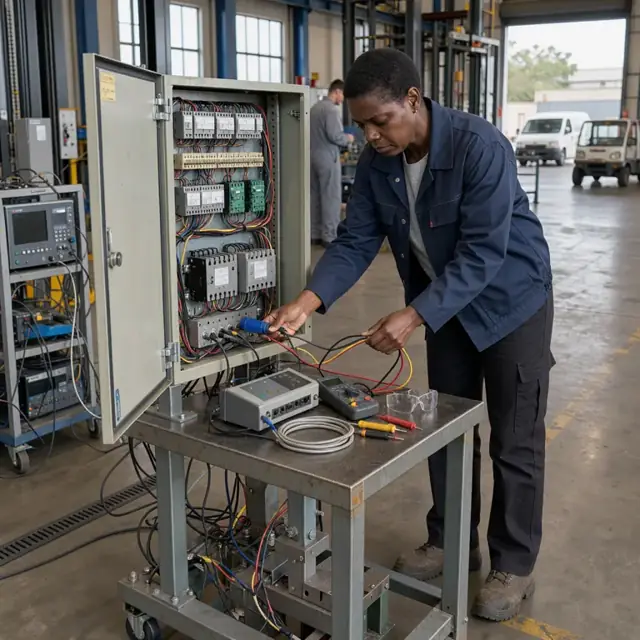
Factory Test and Documentation Coordinator
Schedule and record functional tests, compile test reports and prepare the complete job packet for shipment.
Works in: Ambitious Tasks, Ambitious Docs, Ambitious Sheets · Workflows: Factory acceptance testing and documentation
Automates
- Creates test scripts for controllers and safety devices
- Logs performance data from test stands
- Assembles material certificates and as-built drawings
- Generates packing lists and installation manuals
- Packages all records into the final job folder
Stops for a person
- Responsible engineer reviews and signs every test report
- Quality manager approves the completed documentation packet

Shipping and Field Logistics Coordinator
Plan shipment loading sequences, prepare shipping documents and coordinate delivery with field installation teams.
Works in: Ambitious Tasks, Ambitious Docs, Ambitious Sheets · Workflows: Shipping, delivery coordination and field support
Automates
- Groups components by delivery priority and truck load
- Generates bills of lading and manifests
- Calculates weights and required permits for oversize loads
- Drafts pre-arrival notices for contractors
- Tracks delivery confirmations and issues
Stops for a person
- Logistics manager approves all shipments and special routing
- Field installation lead confirms receipt of correct kits
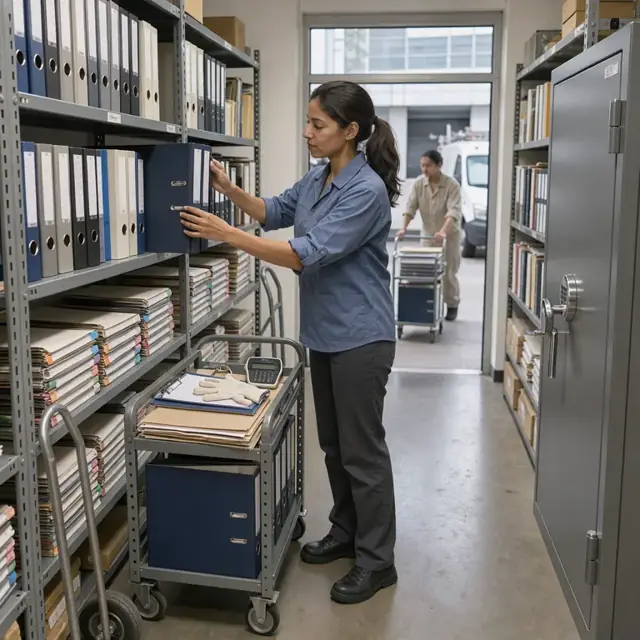
Code Compliance and Records Clerk
Maintain the project compliance matrix, track certifications and assemble data books for regulatory review.
Works in: Ambitious Docs, Ambitious Sheets, Ambitious Tasks · Workflows: Code compliance and certification records
Automates
- Builds and updates code compliance checklists per jurisdiction
- Monitors expiration of welder and equipment certifications
- Organizes test reports and material traceability records
- Alerts on upcoming renewal dates
- Compiles archival job data books
Stops for a person
- The project engineer confirms all jurisdiction-specific requirements
- Only licensed personnel perform and certify final field acceptance
Workflows
Order specification review and validation
Starts when: Signed proposal or purchase order received from sales or customer
- Extract hoistway dimensions, travel, capacity, speed, entrances, finishes and power details from contract documents
- Cross-check against allowable configurations in the product catalog and code matrix
- Flag any missing measurements or non-standard requests for engineering clarification
- Create a master project folder with all customer drawings and specifications
- Draft acknowledgment confirming scope and lead times
Watch for: Any deviation from standard models requires written customer approval before engineering begins; Hoistway and pit measurements must be verified against field survey data when available
Engineering drawing and approval cycle
Starts when: Validated order specification locked
- Generate preliminary layout drawings for car, controller, doors, guides and machine placement
- Run structural and seismic calculations using approved software
- Submit drawings and calculations for internal engineering review then customer approval
- Incorporate red-line changes and release final stamped drawings for production
- Create and attach the bill of materials with part numbers and traceability codes
Watch for: All safety circuits and control logic must follow exact ASME and UL requirements; Customer or architect must sign off on cab interior and finishes before fabrication
Bill of materials procurement and long-lead scheduling
Starts when: Approved engineering drawings released
- Explode the bill of materials into purchased, fabricated and subcontracted items
- Identify and expedite long-lead components such as motors, drives, ropes and custom panels
- Generate purchase requisitions by supplier and required arrival date
- Load all items into the master production schedule with milestones
- Track supplier acknowledgments and adjust schedule for delays
Watch for: Safety-critical items require certified suppliers with material test reports; Changes after release trigger formal engineering change notices and cost adjustments
Shop fabrication and sub-assembly
Starts when: Procured materials and approved drawings available
- Release work orders and CNC programs for rails, brackets, door panels and car frames
- Sequence welding, machining, painting and electrical sub-assembly stations
- Perform in-process inspections and log weld certifications
- Assemble and test major subsystems such as door operators and control panels on test stands
- Stage completed kits by project and mark with job number and sequence
Watch for: Welders and inspectors must hold current certifications; Paint and fire-rated finishes must match exact customer specifications and code
Factory acceptance testing and documentation
Starts when: Sub-assemblies and kits completed
- Run no-load and full-load functional tests on control systems and safety devices
- Document voltage, current, speed, leveling accuracy and brake performance
- Compile test reports, material certificates and as-built drawings
- Prepare crating lists, packing slips and installation manuals
- Generate the final job packet for field installation teams
Watch for: All test results must be reviewed and signed by the responsible engineer; Serialized safety components require individual traceability records
Shipping, delivery coordination and field support
Starts when: Testing and documentation complete
- Schedule truck or container loading by installation sequence
- Draft shipping manifests and bills of lading with weight and dimension data
- Coordinate with customer or general contractor for delivery windows and crane requirements
- Send pre-arrival notices and installation checklists to the field crew
- Log any shipping damage or missing items for immediate resolution
Watch for: Oversize rail and structural sections require special permits and routing; Field teams need accurate kit contents to avoid job-site delays
Code compliance and certification records
Starts when: Project milestones and renewal dates
- Maintain the project-specific compliance matrix against ASME A17.1, NFPA, UL and local amendments
- Track welder qualifications, machine calibration and shop inspection certificates
- Compile data books for authority having jurisdiction review
- Monitor expiration dates for certifications and licenses
- Archive all test and inspection records by job number
Watch for: Local code variations by jurisdiction must be confirmed by the project engineer; Only licensed personnel may perform final acceptance testing on site
Bot templates for this industry
Source: U.S. Small Business Administration, Office of Size Standards, Table of Small Business Size Standards Matched to North American Industry Classification System Codes, version March 2023 (effective 2023-03-17, NAICS 2022). Size standards are shown for reference only.