

Conveyor and Conveying Equipment Manufacturing
Conveyor and conveying equipment manufacturers design, fabricate, assemble and ship custom and standard material-handling systems such as belt, roller, chain, overhead and pneumatic conveyors. For a shop that builds to customer specifications and ships weekly, the specialists turn inquiries into engineered proposals, approved drawings into fabrication schedules and bills of material, track parts and subassemblies through production, and convert shipped systems into installation checklists and spare-parts orders. Engineering tolerances, safety standards, welding procedures and customer acceptance criteria stay with the engineers and shop leads.
What makes this business different
- Custom engineered systems with customer-specified dimensions, speeds, load ratings, materials and integration points that must be captured exactly
- Multi-stage projects with phased approvals: proposal, drawings, fabrication, assembly, testing, shipping and field installation
- Long-lead purchased components such as motors, gearboxes, belts, rollers and sensors that must be ordered early
- Fabrication and assembly schedules that coordinate welding, machining, painting and electrical work across shared shop resources
- Serial-numbered equipment requiring detailed build records, test reports, lubrication schedules and spare-parts lists
- Compliance with industry standards for guarding, emergency stops and electrical requirements that the engineering and quality teams confirm
- Repeat customers who reorder spare parts, request modifications and need maintenance documentation
Specialist bots

Proposal and Specification Engineer
Convert every customer inquiry into a complete, priced proposal with accurate specifications.
Works in: Ambitious Docs, Ambitious Tasks, Ambitious Sheets · Workflows: Proposal and specification intake
Automates
- Parses incoming requests and extracts performance and safety requirements
- Populates proposal templates with scope and exclusions
- Checks against standard product configurations
- Creates the project specification folder
Stops for a person
- The engineering lead reviews all non-standard applications
- Pricing and commercial terms are approved before sending
- A person sends the proposal to the customer

Drawing and Approval Coordinator
Manage the release of approved fabrication drawings, revisions and bills of material to the shop.
Works in: Ambitious Docs, Ambitious Sheets, Ambitious Tasks · Workflows: Engineering drawing and approval cycle
Automates
- Assembles drawing packages and submittals
- Tracks customer comments and revision status
- Generates accurate bills of material from the model
- Notifies the shop when drawings are released
Stops for a person
- Licensed engineers perform and approve all structural and safety calculations
- The shop lead confirms drawings match available tooling
- Customer approvals are obtained by the project manager

Purchasing and Materials Planner
Turn released bills of material into purchase orders, track long-lead items and maintain shop inventory.
Works in: Ambitious Sheets, Ambitious Tasks, Ambitious Docs · Workflows: Purchasing and long-lead scheduling
Automates
- Explodes bills into buy and make lists
- Flags long-lead components and suggests order dates
- Drafts purchase orders by supplier
- Updates inventory upon receipt
Stops for a person
- The purchasing manager places and approves all orders
- Engineering verifies substitute components
- Received parts are inspected by quality personnel
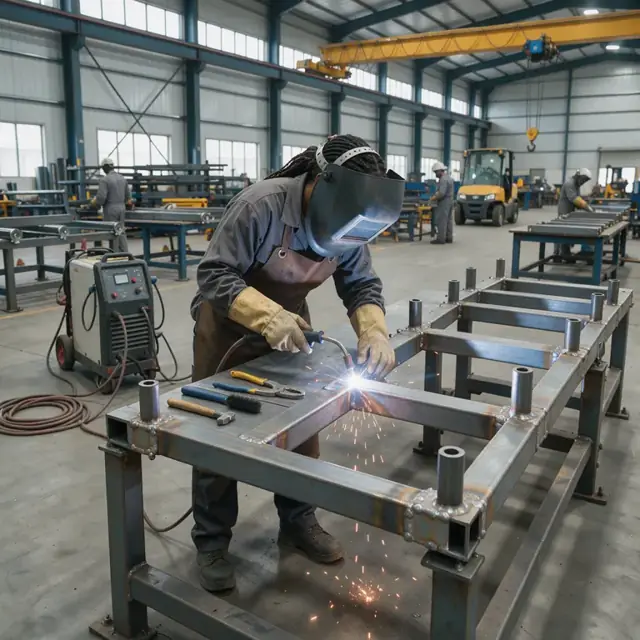
Shop Production Scheduler
Create weekly fabrication and assembly schedules that balance shop resources and meet committed ship dates.
Works in: Ambitious Tasks, Process Optimizer · Workflows: Shop fabrication and assembly scheduling
Automates
- Assigns jobs to stations based on current load
- Sequences welding, machining, paint and assembly
- Generates daily work orders with drawings
- Tracks progress and flags delays
Stops for a person
- The shop supervisor adjusts the schedule daily
- Priority changes are approved by the production manager
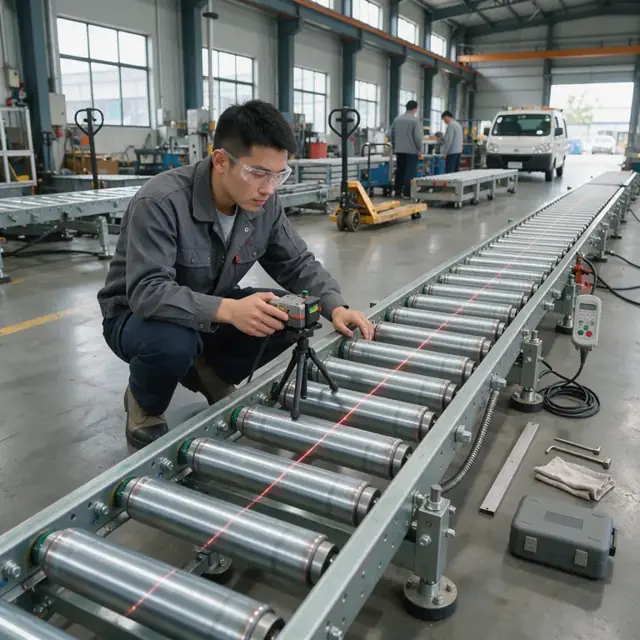
Quality and Test Verifier
Run inspection and test checklists, document results and prepare acceptance reports for each conveyor system.
Works in: Ambitious Tasks, Ambitious Docs, Ambitious Sheets · Workflows: Quality inspection and testing
Automates
- Generates serial-specific checklists from the bill of materials
- Logs test results and photographs
- Builds the final test report package
- Flags incomplete items for rework
Stops for a person
- Certified inspectors and engineers perform and sign off on critical tests
- The customer or third party witnesses acceptance tests when required

Shipping and Installation Coordinator
Prepare shipping documents, coordinate freight and assemble installation and spare-parts documentation.
Works in: Ambitious Tasks, Ambitious Docs, Ambitious Sheets · Workflows: Shipping, crating and field installation support
Automates
- Creates packing lists and crate markings
- Drafts shipping notifications and delivery windows
- Compiles installation manuals and spare parts kits
- Tracks delivery and damage reports
Stops for a person
- The shipping lead arranges freight and special permits
- All documents are reviewed and approved before release
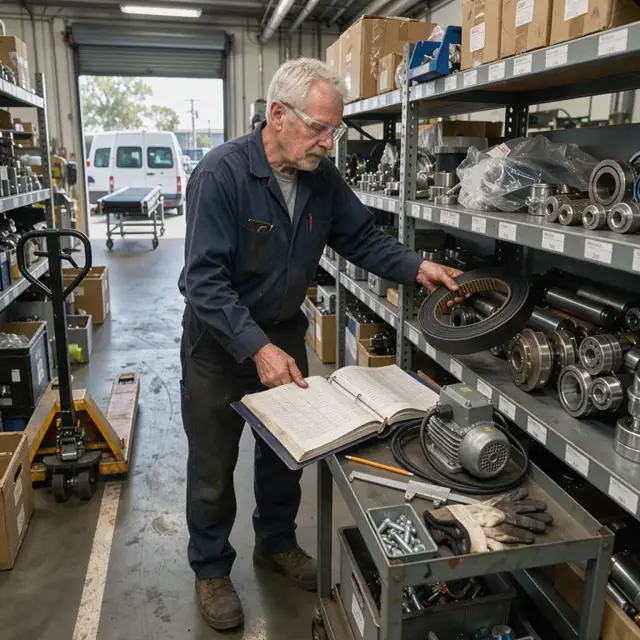
Aftermarket Parts and Support Specialist
Maintain serial-specific spare parts lists, draft reorder reminders and support warranty and maintenance documentation.
Works in: Ambitious Docs, Ambitious Sheets, Email Buckets · Workflows: Spare parts and customer support
Automates
- Generates recommended spares from each unit's bill of materials
- Tracks wear items and warranty status
- Drafts reorder and maintenance reminders
- Updates documentation with field changes
Stops for a person
- The service manager approves all customer communications
- Engineering reviews any modifications or updated drawings
Workflows
Proposal and specification intake
Starts when: A customer inquiry or request for quote arrives by email, portal or direct message
- Extract required conveyor type, dimensions, capacity, speed, material, environment and integration details
- Check against standard models and available engineering templates
- Draft a proposal with scope, exclusions, lead time and pricing
- Create a project task folder with the full specification
- Schedule the estimating and engineering review
Watch for: All performance and safety requirements must be captured verbatim; Non-standard materials or environments require early engineering input
Engineering drawing and approval cycle
Starts when: Proposal is accepted or engineering kickoff date arrives
- Generate detailed fabrication drawings, assembly views and electrical schematics
- Run internal design review for load, deflection and safety calculations
- Draft submittal package for customer approval
- Incorporate customer redlines and release final drawings to production
- Create bill of materials with part numbers and quantities
Watch for: Changes after release must be tracked as revisions; Critical dimensions and tolerances cannot be assumed
Purchasing and long-lead scheduling
Starts when: Final drawings and bill of materials are released
- Explode bill of materials into purchased and fabricated items
- Identify long-lead components and draft purchase orders by supplier
- Load items into the master production schedule
- Track receipt and inspection of incoming parts
- Update inventory and flag shortages
Watch for: Motors, drives and specialty bearings often have long lead times; Supplier certifications and test reports must be collected
Shop fabrication and assembly scheduling
Starts when: Components are available and weekly production meeting occurs
- Assign jobs to welding, machining, painting and assembly stations
- Sequence work to balance shop load and meet ship dates
- Generate daily work orders with drawings and quality checkpoints
- Track progress of each conveyor section or module
- Flag hold points for in-process inspection
Watch for: Shared equipment creates bottlenecks in welding and painting; Large systems may be built in modular sections for later field assembly
Quality inspection and testing
Starts when: Assembly of each unit or section is complete
- Run mechanical, electrical and safety device checklists
- Perform no-load and loaded test runs where feasible
- Document serial numbers, test results and photographs
- Generate final test report and punch list
- Release for crating or shipping
Watch for: Certain customers require witnessed factory acceptance tests; All guarding and emergency stops must be verified
Shipping, crating and field installation support
Starts when: Equipment passes final inspection and ship date arrives
- Prepare packing list, crate markings and shipping documents
- Coordinate with freight carrier and draft delivery window
- Assemble installation manual, spare parts kit and maintenance schedule
- Draft startup and training agenda for field crew
- Track delivery confirmation and any transit damage
Watch for: Oversize loads require special permits and routing; Installation often performed by separate contractors
Spare parts and customer support
Starts when: Shipment complete or on a scheduled cadence
- Build recommended spare parts list from bill of materials
- Draft reorder reminders for wear items such as belts and bearings
- Track warranty claims and field modifications
- Update maintenance documentation with as-built revisions
- Draft follow-up for customer satisfaction and future projects
Watch for: Serial-specific documentation must stay linked to each unit; All communications require engineering or management review
Bot templates for this industry
Source: U.S. Small Business Administration, Office of Size Standards, Table of Small Business Size Standards Matched to North American Industry Classification System Codes, version March 2023 (effective 2023-03-17, NAICS 2022). Size standards are shown for reference only.