

Overhead Traveling Crane, Hoist and Monorail System Manufacturing
Manufacturers of overhead traveling cranes, hoists and monorail systems produce custom-engineered lifting equipment in job-shop and small-batch production. Orders arrive as engineered specifications or performance requirements that must be translated into approved designs, bills of materials, fabrication schedules and test plans. The specialists convert inquiries into firm orders, designs into material and component lists, production schedules into shop-floor tasks, and finished units into delivery and installation coordination while the engineers and welders retain authority over structural calculations, welding procedures and load-test sign-off.
What makes this business different
- Custom specifications for span, capacity, duty cycle, hoist speed, controls and environmental conditions that must be captured exactly
- Engineering drawings, structural calculations and finite-element analysis that require licensed professional engineer review and stamp
- Long-lead purchased components such as motors, wire rope, brakes, festoon systems and electrical panels
- Welding procedure specifications, welder qualifications and non-destructive examination records required for structural integrity
- In-house load testing, deflection testing and functional testing before shipment with documented results
- Crane runway beam and rail alignment tolerances, foundation requirements and installation permits that vary by site
- Serial-number tracking, maintenance manuals, spare-parts kits and warranty registration for each shipped unit
Specialist bots

Order Specification Engineer
Convert every customer inquiry or purchase order into a complete, checked specification ready for engineering.
Works in: Ambitious Tasks, Ambitious Docs, Contract Analyzer · Workflows: Order intake and specification capture
Automates
- Reads incoming requests and extracts performance data
- Populates specification sheets with span, capacity, duty and environmental details
- Flags exceptions and missing information
- Drafts the formal quotation
- Creates the order task for engineering
Stops for a person
- The chief engineer reviews and approves any non-standard duty cycle or environmental requirement
- A person sends the quotation and handles commercial terms

Design Release Coordinator
Assemble complete drawing packages, calculations and quality plans for professional engineer review and release to production.
Works in: Ambitious Docs, Ambitious Sheets, Process Optimizer · Workflows: Engineering design and release
Automates
- Compiles drawings and calculation files
- Generates the bill of materials from the model
- Builds the welding and inspection plan
- Routes the package for stamping
- Creates revision-controlled release task
Stops for a person
- Only the licensed professional engineer applies the stamp and signs off
- The engineering manager approves any design changes after release

Materials and Procurement Planner
Turn released bills of materials into purchase requisitions and track long-lead items to keep the shop on schedule.
Works in: Ambitious Sheets, Ambitious Tasks, Ambitious Docs · Workflows: Purchasing and long-lead procurement
Automates
- Explodes bills into line-item requisitions
- Flags motors, ropes and controls with long lead times
- Drafts purchase orders by supplier
- Updates inventory of steel shapes and fasteners
- Generates receiving and inspection tasks
Stops for a person
- The purchasing manager approves and places every purchase order
- Engineering must approve any proposed material substitutions
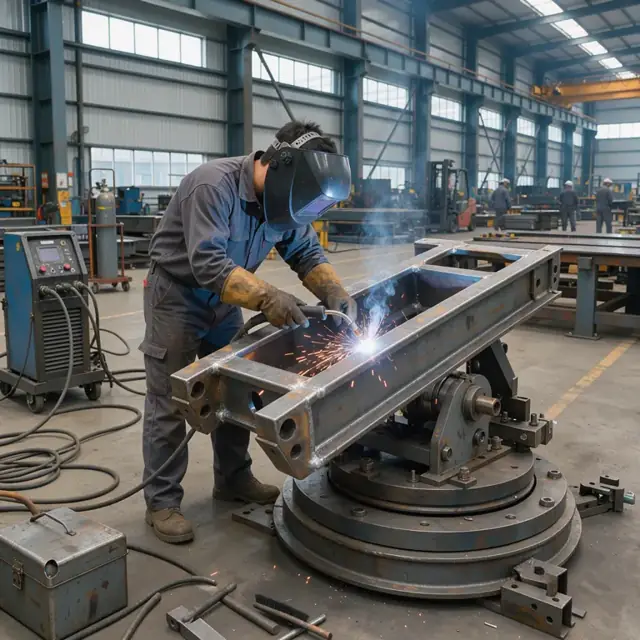
Fabrication Scheduler
Build and maintain the master production schedule that sequences fabrication, welding and assembly around material arrivals and certified labor.
Works in: Ambitious Tasks, Process Optimizer · Workflows: Fabrication and assembly scheduling
Automates
- Loads released orders into the schedule
- Sequences operations by bay and crane capacity
- Assigns work to qualified welders
- Inserts mandatory inspection hold points
- Adjusts dates when material is delayed
Stops for a person
- The shop supervisor assigns specific welders and approves overtime
- The quality manager confirms hold-point readiness

Quality Test Coordinator
Generate inspection plans, record test results and compile the final data book for each completed crane or hoist.
Works in: Ambitious Tasks, Ambitious Docs, Ambitious Sheets · Workflows: Quality control and load testing
Automates
- Builds the inspection and test plan from the quality manual
- Logs dimensional, weld and paint measurements
- Documents load test weights, deflection and brake performance
- Assembles the data book PDF
- Creates the customer handover task
Stops for a person
- The quality manager or third-party inspector witnesses and signs all load tests
- Final data book is reviewed and approved by engineering before shipment
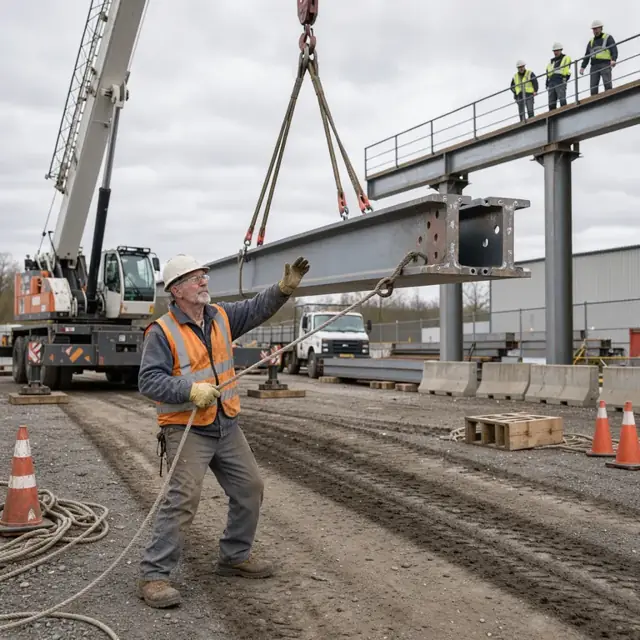
Shipping and Installation Coordinator
Prepare shipping documents, coordinate transportation and schedule field installation or supervision.
Works in: Ambitious Tasks, Ambitious Docs, Contract Analyzer · Workflows: Shipping, delivery and installation coordination
Automates
- Generates packing lists and lifting diagrams
- Drafts oversize load permit applications
- Prepares site preparation and installation checklists
- Schedules riggers or technicians
- Tracks customer acceptance
Stops for a person
- The operations manager approves all shipping and installation dates
- A licensed rigger or engineer performs and signs off on-site work

Warranty and Spare Parts Host
Register each shipped unit, deliver manuals, track warranty and prompt customers for spare parts and modernization opportunities.
Works in: Ambitious Tasks, Ambitious Docs, Email Buckets · Workflows: Warranty, spare parts and customer follow-up
Automates
- Registers serial numbers and ship dates
- Packages operation and maintenance manuals
- Generates recommended spare parts lists
- Drafts preventive maintenance and upgrade reminders
- Logs incoming warranty claims for review
Stops for a person
- Engineering reviews all technical recommendations before they are sent
- The owner approves every commercial offer or warranty settlement
Workflows
Order intake and specification capture
Starts when: A customer inquiry or purchase order arrives by email, portal or direct message
- Extract span, capacity, lift height, duty class, environmental factors and control preferences
- Compare requirements against standard product families and available options
- Draft a formal quotation with exceptions and clarifications
- Create an order task containing the full specification sheet
- Route the order to engineering for concept review
Watch for: Performance specifications must be captured verbatim and never assumed; Any deviation from published load charts requires engineering approval before quoting
Engineering design and release
Starts when: Approved order or after concept review
- Generate or revise general arrangement drawings and detail drawings
- Perform structural load calculations and fatigue analysis
- Draft bill of materials with long-lead items flagged
- Prepare welding procedure specifications and quality control plan
- Route complete package for professional engineer review and stamp
Watch for: Only licensed engineers may approve final structural calculations; Changes after release require formal revision control
Purchasing and long-lead procurement
Starts when: After engineering bill of materials release and weekly
- Explode the bill of materials into purchase requisitions
- Identify and expedite long-lead motors, ropes, controls and castings
- Draft requests for quotation and purchase orders by supplier category
- Track receipt, inspection and non-conformance reports
- Maintain inventory of common structural shapes and fasteners
Watch for: Certain motors and hoists have long lead times; Traceability documentation required for safety-critical components
Fabrication and assembly scheduling
Starts when: After procurement release and on a weekly cadence
- Load approved drawings and bill of materials into the master schedule
- Sequence cutting, welding, machining, painting and assembly operations
- Assign work to certified welders and qualified stations
- Insert hold points for in-process inspection and non-destructive testing
- Update live schedule with material arrival dates
Watch for: Welders must maintain current qualifications for each process and position; Shop capacity is limited by crane bay availability and lifting height
Quality control and load testing
Starts when: At each hold point and upon mechanical completion
- Generate inspection and test plan with required checkpoints
- Record dimensional, weld, paint and alignment measurements
- Schedule and document no-load, partial-load and full-load tests
- Compile test reports, deflection measurements and certification labels
- Prepare final data book for customer handover
Watch for: Load test weights and procedures must follow industry standards and customer specifications; All test results require sign-off by the responsible quality inspector
Shipping, delivery and installation coordination
Starts when: After final quality approval and customer-ready status
- Prepare packing lists, serial-number tags and lifting diagrams
- Coordinate transportation permits for oversize loads
- Draft installation instructions and site preparation checklist
- Schedule field technicians or third-party riggers for on-site assembly
- Track customer sign-off and warranty start date
Watch for: Many cranes ship in multiple sections requiring field splice welding or bolting; Local permits and crane runway certification often required before energization
Warranty, spare parts and customer follow-up
Starts when: After shipment and on scheduled cadences
- Register each unit with serial number and ship date
- Draft operation and maintenance manual packages
- Generate recommended spare-parts kits and reorder reminders
- Track warranty claims and schedule preventive-maintenance visits
- Draft upsell offers for modernizations and capacity upgrades
Watch for: Comprehensive manuals and parts lists must accompany every crane; All customer communications require engineering or management approval before sending
Bot templates for this industry
Source: U.S. Small Business Administration, Office of Size Standards, Table of Small Business Size Standards Matched to North American Industry Classification System Codes, version March 2023 (effective 2023-03-17, NAICS 2022). Size standards are shown for reference only.