

Power-Driven Hand Tool Manufacturing
Power-driven hand tool manufacturers produce electric, pneumatic, hydraulic and battery-powered drills, saws, grinders, sanders, wrenches and drivers in batches or to custom order. The specialists convert customer specifications into engineering releases, manage bills of materials and inventory for parts and raw materials, schedule assembly and test stations, track work-in-process, prepare shipments and maintain tooling and safety records. Design files, torque specs and UL or CSA testing protocols stay with the engineers and quality team.
What makes this business different
- Customer orders that range from standard catalog items to modified voltage, chuck size, handle style or color
- Engineering change orders that must be tracked against specific serial or lot numbers
- Multi-level bills of materials with motors, housings, gears, switches, cords and packaging
- Shared assembly and test stations with changeover times between models
- Raw material and component inventory with long-lead items such as specialized armatures and lithium cells
- Torque, vibration, insulation and safety testing records that follow each tool
- Tooling and die maintenance schedules plus calibration of test equipment
- Compliance paperwork for UL, CSA, CE, FCC and OSHA requirements that the owner confirms
- Domestic and export shipments with proper labeling and hazardous material declarations for lithium batteries
Specialist bots

Order Engineer
Convert incoming purchase orders and custom requests into released production jobs with complete specifications.
Works in: Ambitious Tasks, Ambitious Docs, Contract Analyzer · Workflows: Order intake and specification review
Automates
- Reads purchase orders and extracts model, voltage, quantity and special features
- Compares requested changes to approved configurations
- Drafts order acknowledgment and clarification requests
- Creates the job packet and engineering task when modifications are needed
Stops for a person
- Engineering reviews and approves all non-catalog modifications
- A person sends the final acknowledgment and handles contract terms

Bill-of-Material Manager
Maintain accurate multi-level bills of materials and release engineering changes to production.
Works in: Ambitious Docs, Ambitious Sheets, Process Optimizer · Workflows: Engineering change and bill-of-material release
Automates
- Explodes and updates bills of materials for each model revision
- Compares new changes to previous revisions
- Generates component lists for purchasing
- Archives drawings with effective dates
Stops for a person
- The lead engineer confirms every change before release
- Safety-related substitutions are approved by a person
Materials Planner
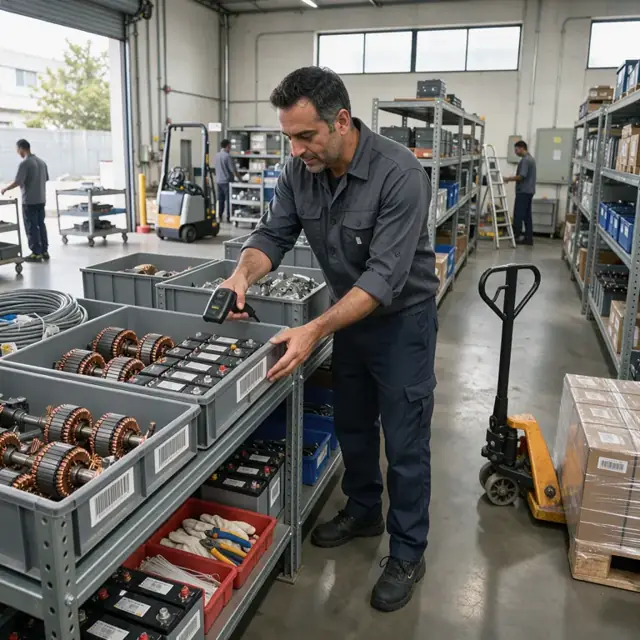
Forecast component needs, generate purchase requisitions and maintain inventory levels for motors, housings and batteries.
Works in: Ambitious Sheets, Ambitious Tasks · Workflows: Materials and component planning
Automates
- Calculates gross and net requirements from open orders
- Subtracts on-hand and scheduled receipts
- Creates prioritized purchase lists by lead time
- Adjusts reorder points for long-lead items
Stops for a person
- Purchasing places all orders and spends money
- The owner approves changes to safety stock levels

Production Scheduler
Sequence assembly and test operations to meet delivery dates while minimizing changeovers.
Works in: Ambitious Sheets, Ambitious Tasks · Workflows: Assembly and test station scheduling
Automates
- Loads confirmed orders into the weekly schedule
- Optimizes model sequence by station
- Books test equipment slots
- Publishes daily station assignments
Stops for a person
- The shop supervisor adjusts the schedule for machine availability
- A person releases the final daily plan

Quality and Test Clerk
Track serial or lot numbers through assembly, record test results and manage non-conforming material.
Works in: Ambitious Tasks, Ambitious Docs, Ambitious Sheets · Workflows: Work-in-process tracking and quality
Automates
- Generates traveler documents with test points
- Logs torque, vibration and dielectric results
- Flags failed units and opens rework tasks
- Closes completed travelers
Stops for a person
- Technicians perform and sign off on all physical tests
- Engineering approves any rework on safety components

Tooling and Maintenance Coordinator
Schedule preventive maintenance on dies, fixtures, presses and calibration of test equipment.
Works in: Ambitious Tasks, Ambitious Sheets, Process Optimizer · Workflows: Tooling, die and equipment maintenance
Automates
- Calculates usage cycles for each tool and die
- Creates preventive maintenance tasks on cadence
- Tracks calibration due dates
- Generates replacement tooling requests
Stops for a person
- Maintenance technicians perform and document the work
- The owner approves capital expenditures for new tooling
Shipping and Compliance Coordinator
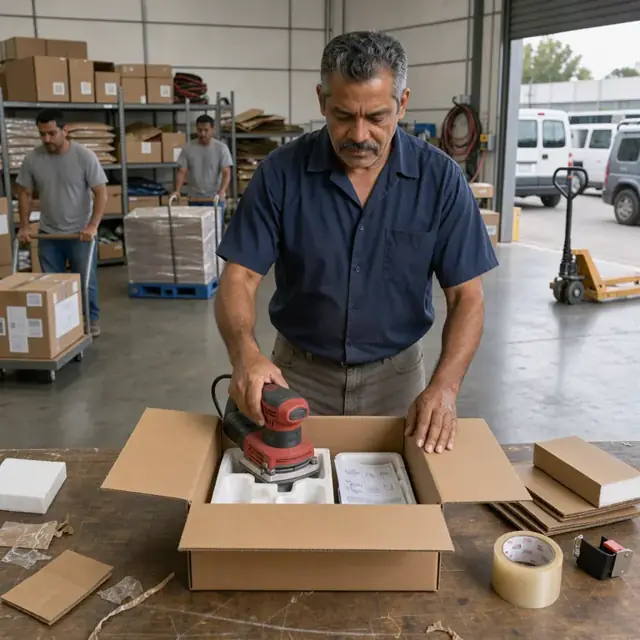
Prepare final labels, packing lists, battery declarations and export documents for each shipment.
Works in: Ambitious Docs, Ambitious Tasks, Contract Analyzer · Workflows: Final packaging, labeling and shipment
Automates
- Prints serialized labels and inserts warranty cards
- Generates commercial invoices and packing lists
- Creates lithium battery shipping declarations
- Records carrier tracking numbers
Stops for a person
- A person verifies country-of-origin markings and signs shipping papers
- The owner confirms all hazardous material declarations
Workflows
Order intake and specification review
Starts when: A new customer purchase order or quote request arrives
- Capture model, voltage, quantity, custom features and delivery date
- Check specifications against current catalog and approved modifications
- Draft acknowledgment and request missing technical details
- Create an engineering task for any non-standard changes
- Assign a job number and link to the customer record
Watch for: Custom voltage or handle configurations require engineering sign-off before release; Export orders need early identification for marking and documentation
Engineering change and bill-of-material release
Starts when: New order with modifications or scheduled model update
- Review requested changes against current drawings and test reports
- Update or create the multi-level bill of materials
- Release revised drawings and assembly instructions to production
- Flag any new components that require sourcing or tooling
- Archive previous revision with effective date
Watch for: Every change must carry a revision level that production follows; Safety-critical parts such as switches and cords cannot be substituted without re-testing
Materials and component planning
Starts when: After order release and on a weekly cadence
- Explode the bill of materials across all open orders
- Subtract current on-hand and on-order inventory
- Generate purchase requisitions for long-lead and bulk items
- Adjust safety stock for motors, batteries and housings
- Flag any parts that will be shared across multiple models
Watch for: Lithium cells and certain motors have long procurement times; Packaging materials must be ordered to match current color and branding
Assembly and test station scheduling
Starts when: Weekly and when new orders are released
- Load confirmed orders into the master schedule
- Sequence models to minimize changeover at each station
- Assign time slots for winding, housing, final assembly and testing
- Reserve test equipment for required torque, vibration and dielectric checks
- Publish daily station assignments
Watch for: Test benches are shared and require calibration before each run; Certain models must be built in temperature-controlled areas
Work-in-process tracking and quality
Starts when: Start of each production shift
- Issue serialized or lot-controlled travelers with each batch
- Log completion at each assembly and test station
- Record torque readings, insulation test results and visual inspection outcomes
- Quarantine any units that fail and create rework tasks
- Close traveler when tool passes final inspection
Watch for: Each tool must carry its test data through its entire life; Rework on safety components requires engineering approval
Tooling, die and equipment maintenance
Starts when: After each production run and on calendar cadence
- Log usage hours or cycles for each die and fixture
- Generate preventive maintenance tasks for presses, jigs and test rigs
- Track calibration due dates for torque wrenches and electrical testers
- Draft purchase requests for replacement tooling
- Archive maintenance records by asset
Watch for: Worn dies directly affect housing tolerances and must be caught early; Calibration records are required for audit readiness
Final packaging, labeling and shipment
Starts when: When tools pass final quality gate
- Print serialized labels with model, voltage, date and certifications
- Assemble outer carton with manuals, accessories and warranty card
- Generate shipping documents including battery declarations for export
- Create commercial invoice and packing list
- Hand off to carrier and record tracking numbers
Watch for: Lithium battery shipping rules differ by air or ground and destination; Country-of-origin marking must match the owner's confirmed declarations
Bot templates for this industry
- Power-Driven Handtool Manufacturing (7 bots)
Source: U.S. Small Business Administration, Office of Size Standards, Table of Small Business Size Standards Matched to North American Industry Classification System Codes, version March 2023 (effective 2023-03-17, NAICS 2022). Size standards are shown for reference only.