

Welding and Soldering Equipment Manufacturing
Manufacturers of welding and soldering equipment produce power sources, torches, guns, electrodes, flux and related accessories in batches or to order. For a shop that builds custom and standard arc welders, MIG guns and plasma cutters, the specialists turn sales orders and engineering changes into production schedules, material kits and assembly instructions, while tracking certifications, test logs, inventory of raw metals and components, supplier deliveries and outbound shipments. Blueprints, welder qualifications and UL or ASME calls stay with the shop floor and engineering staff.
What makes this business different
- Custom configurations with voltage, amperage, duty cycle and torch options that must match approved engineering drawings
- Batch and made-to-order production mixing standard components with fabricated frames, windings and enclosures
- Traceability of raw materials, filler metals, fluxes and purchased electronics through lot numbers and heat numbers
- Welding procedure specifications, welder performance qualifications and nondestructive testing logs required for many products
- Calibration of test equipment, power sources and measuring tools on a scheduled cadence
- Inventory of coils, wire, tubing, electrical components and packaging that must avoid stock-outs during production runs
- Compliance paperwork including material certifications, test reports and labeling for domestic and export shipments
- Coordination of incoming supplier parts and outbound carrier pickups against tight assembly and test windows
Specialist bots

Order Configurator
Convert incoming customer orders into verified, production-ready configurations.
Works in: Ambitious Tasks, Ambitious Docs, Contract Analyzer · Workflows: Order intake and configuration confirmation
Automates
- Reads purchase orders and extracts model, voltage and options
- Validates configuration against approved matrices
- Flags nonstandard requests for review
- Drafts order confirmation and creates production task
Stops for a person
- Engineering approves any custom or non-catalog configurations
- A person sends the final order acknowledgment to the customer

Production Scheduler
Build weekly shop schedules that respect station capacity and material availability.
Works in: Process Optimizer, Ambitious Sheets · Workflows: Production scheduling and capacity planning
Automates
- Aggregates orders by family and due date
- Assigns work to assembly and test stations
- Balances workflow steps and flags long-lead items
- Publishes the visible weekly schedule
Stops for a person
- The production manager adjusts station assignments
- The shop supervisor confirms the final weekly plan

Materials Planner
Explode bills of materials, generate pick lists and maintain inventory of metals and components.
Works in: Ambitious Sheets, Ambitious Tasks, Ambitious Docs · Workflows: Material requirements and kitting, Supplier ordering and inbound tracking
Automates
- Calculates exact material requirements per work order
- Checks stock and creates requisitions
- Produces station-specific kit sheets
- Reserves lot-controlled items
- Tracks inbound shipments and updates arrival dates
Stops for a person
- A person performs incoming inspection on critical materials
- The owner approves and sends all purchase orders
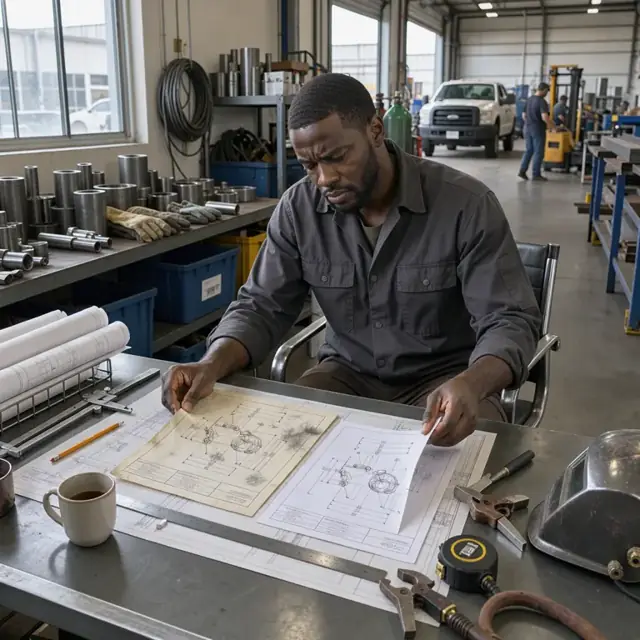
Engineering Document Controller
Manage revisions to drawings, bills of materials and work instructions after approved changes.
Works in: Ambitious Docs, Ambitious Tasks · Workflows: Engineering change and document control
Automates
- Updates affected documents with new revision levels
- Identifies impacted open orders
- Creates revised kit and test documents
- Notifies procurement of new part numbers
Stops for a person
- Engineering signs off on every change before it is released
- Production only uses documents after engineering approval
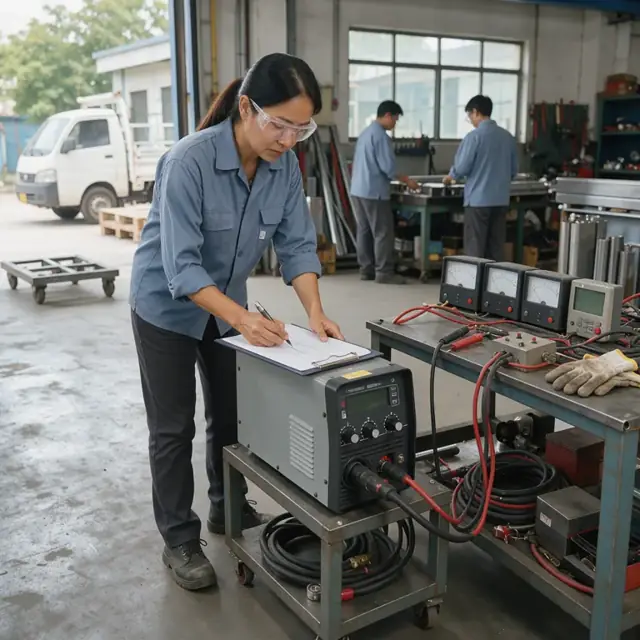
Quality and Test Clerk
Generate test checklists, record results and compile certification packages for each unit.
Works in: Ambitious Tasks, Ambitious Docs, Ambitious Sheets · Workflows: Quality testing and certification, Test equipment calibration and maintenance
Automates
- Creates model-specific test checklists
- Logs electrical and functional test data
- Assembles material certs and welder quals
- Prints labels and conformance documents
- Generates calibration due lists and updates records
Stops for a person
- A certified technician performs and signs off on all tests
- The quality manager reviews final certification packages
- A person handles third-party calibration and witness inspections

Shipping Coordinator
Prepare shipping documents, generate labels and track outbound deliveries.
Works in: Ambitious Tasks, Ambitious Docs, Ambitious Sheets · Workflows: Outbound shipping and documentation
Automates
- Groups orders for carrier pickup
- Generates packing slips and certificates of conformance
- Drafts customer shipment notifications
- Records tracking information and closes orders
Stops for a person
- A person verifies packaging and applies final labels
- The owner approves all export documentation before filing
Workflows
Order intake and configuration confirmation
Starts when: New sales order received by email, portal or customer purchase order
- Parse the model number, voltage, amperage, options and any custom requirements
- Check configuration against approved product matrices and engineering drawings
- Flag any nonstandard items for engineering review
- Confirm lead time against current production schedule
- Create a production-ready order task with attached specifications
Watch for: Custom options must be captured exactly as specified on the customer purchase order; Nonstandard configurations require engineering sign-off before release to production
Production scheduling and capacity planning
Starts when: Weekly and after each new confirmed order batch
- Aggregate open orders by product family and due date
- Assign work orders to assembly stations and test bays using available capacity
- Identify long-lead purchased components and pull them forward
- Run the process optimizer to balance winding, welding, assembly and test steps
- Publish the weekly shop schedule
Watch for: Welding and testing stations have limited daily throughput; Certain components must be scheduled only after incoming inspection
Material requirements and kitting
Starts when: One week prior to scheduled production start
- Explode bill of materials for each work order
- Check current inventory and on-order quantities
- Draft purchase requisitions for shortages
- Generate pick lists and kit sheets by station
- Reserve lot-controlled metals and components
Watch for: Traceability required for pressure vessels and structural weldments; Certain electronic components have shelf-life and moisture-sensitivity controls
Engineering change and document control
Starts when: Approved engineering change notice or customer revision
- Update affected drawings, bills of materials and work instructions
- Identify all open work orders and finished goods that will be impacted
- Create revised kit lists and test specifications
- Notify procurement of any new part numbers
- Archive previous revision with effective dates
Watch for: All revisions must be tracked with effective dates and approvals; Production cannot proceed on superseded drawings
Quality testing and certification
Starts when: After each unit completes assembly
- Generate test checklist specific to model and options
- Record electrical, leak, pressure and functional test results
- Attach material certifications and welder qualification records
- Print product label and compliance documentation
- Move completed unit to finished goods or shipping
Watch for: Test equipment must be current on calibration; Certain products require third-party witness or notarized reports
Supplier ordering and inbound tracking
Starts when: Weekly and when low-stock alerts fire
- Review open requisitions and inventory par levels
- Draft purchase orders for copper, steel, electronics and consumables
- Track inbound shipments and update expected arrival dates
- Schedule incoming inspection for critical materials
- Update inventory records upon receipt
Watch for: Long-lead items such as specialty transformers and power semiconductors; Supplier certifications must be collected and filed
Outbound shipping and documentation
Starts when: When units reach finished-goods status and carrier is scheduled
- Group orders by destination and carrier
- Generate packing slips, commercial invoices and certificates of conformance
- Draft shipment notifications for customer approval
- Record tracking numbers and ship dates
- Close work orders and update inventory
Watch for: Export documentation and harmonized tariff codes for international orders; Heavy equipment requires specific crating and weight documentation
Test equipment calibration and maintenance
Starts when: On scheduled calibration dates or after use thresholds
- Generate calibration due list from equipment log
- Create work orders for in-house or vendor calibration
- Update calibration stickers and digital records after completion
- Flag any out-of-calibration items and quarantine affected production
- Archive calibration certificates with equipment files
Watch for: Calibration intervals are set by OEM recommendations and industry standards; Production cannot use uncalibrated test equipment
Bot templates for this industry
Source: U.S. Small Business Administration, Office of Size Standards, Table of Small Business Size Standards Matched to North American Industry Classification System Codes, version March 2023 (effective 2023-03-17, NAICS 2022). Size standards are shown for reference only.