

Packaging Machinery Manufacturing
Packaging machinery manufacturers design, assemble, test and ship custom and standard machines that fill, seal, label, carton and palletize products for food, beverage, pharmaceutical and consumer-goods lines. Orders arrive as specifications or drawings; the shop must manage bills of materials, long-lead components, assembly stations, factory acceptance tests, crating, rigging permits and ongoing spare-parts inventory. Specialists turn sales specifications into engineering releases, releases into procurement and build schedules, and completed machines into test reports and shipping plans while the engineers and technicians keep the designs, tolerances and safety circuits correct.
What makes this business different
- Custom machine specifications that combine standard modules with engineered modifications for speed, product geometry, clean-room compatibility or hazardous environments
- Long-lead purchased components such as servo motors, sensors, PLCs and specialized forming tools that must be ordered early
- Multi-station assembly floors where mechanical, electrical, pneumatic and software integration occur in sequence
- Factory acceptance test protocols, documentation and customer sign-off before shipment
- Crating, export packaging, rigging permits, transportation insurance and site-installation coordination
- Spare-parts kits, operating manuals, electrical schematics and maintenance schedules that ship with every machine
- Repeat customers who reorder spare parts, request upgrades or schedule technician service visits
Specialist bots
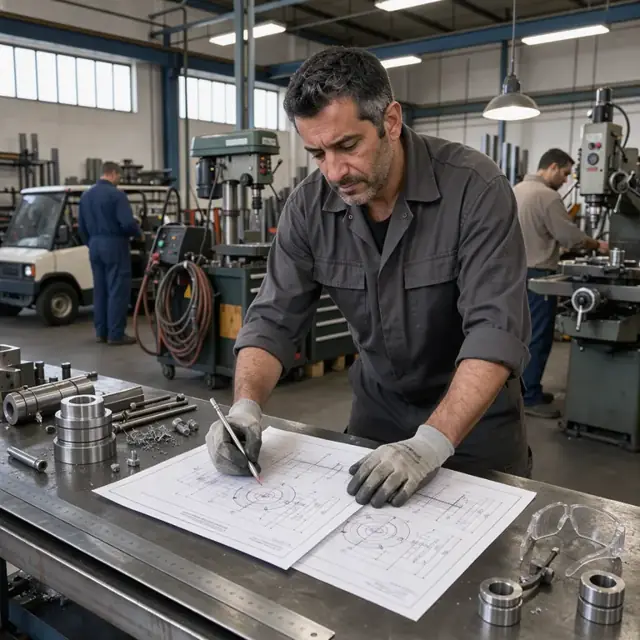
Order Specification Reviewer
Turn every incoming sales order or specification packet into a released project with correct project number and initial schedule.
Works in: Ambitious Tasks, Ambitious Docs, Contract Analyzer · Workflows: Order specification review and release
Automates
- Reads specification documents and extracts key parameters
- Compares features to catalog models and flags exceptions
- Creates the master project folder and initial schedule
- Drafts the internal order acknowledgment
Stops for a person
- Engineering approves any non-standard modifications before release
- Sales confirms pricing and scope on exceptions

Engineering Release Coordinator
Manage the release of drawings, bills of materials and control programs from engineering to production.
Works in: Ambitious Docs, Ambitious Sheets, Process Optimizer · Workflows: Engineering drawing and BOM release
Automates
- Assembles complete drawing packages with revision control
- Generates bills of materials with lead-time data
- Runs basic tolerance and safety reviews
- Updates the master project schedule
Stops for a person
- Lead engineers sign off on all drawings and safety circuits
- Any customer-supplied product samples are reviewed by the mechanical designer
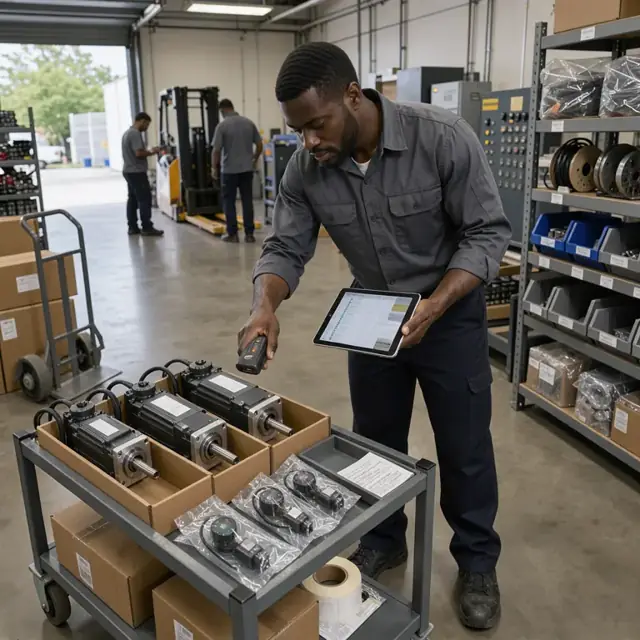
Component Procurement Clerk
Convert released bills of materials into purchase requisitions and track long-lead items to keep assembly on schedule.
Works in: Ambitious Sheets, Ambitious Tasks, Ambitious Docs · Workflows: Component purchasing and inventory
Automates
- Explodes bills of materials into vendor-specific purchase lists
- Subtracts on-hand and on-order stock
- Flags long-lead items for immediate action
- Maintains spare-parts inventory levels
Stops for a person
- Purchasing places all orders and spends money
- Engineering approves any proposed substitutions
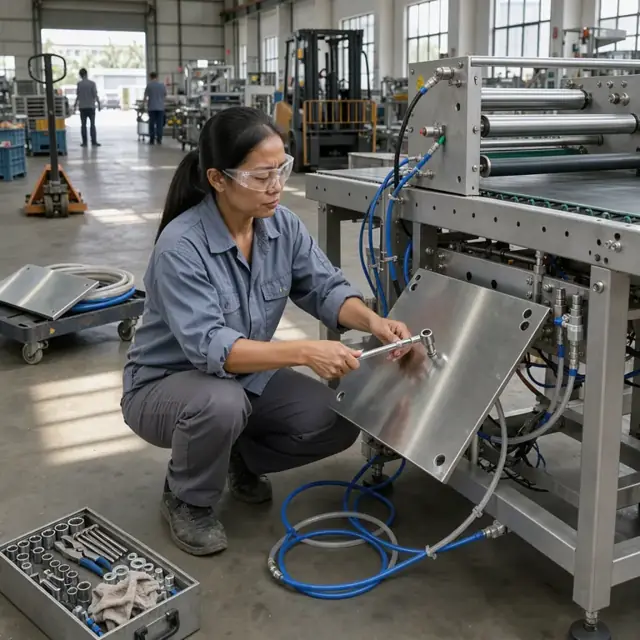
Assembly Scheduler
Assign build bays, sequence assembly stations and coordinate technicians to keep machines moving through integration.
Works in: Ambitious Tasks, Process Optimizer · Workflows: Assembly and integration scheduling
Automates
- Assigns machines to available assembly bays
- Builds station-by-station timed schedules
- Coordinates electrical and controls resources
- Reserves test materials and updates the master schedule
Stops for a person
- The shop supervisor adjusts priorities based on technician availability
- Any schedule changes affecting customer delivery are approved by management
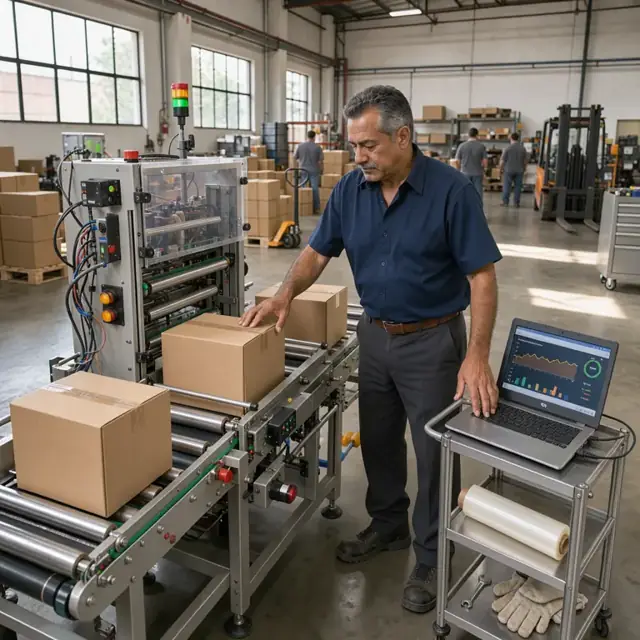
Factory Test and Documentation Specialist
Run test protocols, record performance data and compile the complete documentation package for customer acceptance.
Works in: Ambitious Docs, Ambitious Sheets, Ambitious Tasks · Workflows: Factory testing and documentation
Automates
- Generates test checklists and data sheets
- Logs speed, reject rates and safety interlock results
- Compiles schematics, manuals and test certificates
- Assembles the final shipment data package
Stops for a person
- Technicians perform the physical tests and verify results
- The customer or designated engineer signs the acceptance document
- Engineering reviews all safety and performance data before sign-off

Shipping and Rigging Coordinator
Prepare crating drawings, schedule rigging and generate all shipment and insurance documents for each machine.
Works in: Ambitious Docs, Ambitious Tasks, Ambitious Sheets · Workflows: Crating, rigging and shipment coordination
Automates
- Creates crating and loading instructions
- Drafts bills of lading and insurance certificates
- Schedules rigging and permit requirements
- Compiles spare-parts lists and documentation binders
Stops for a person
- The shop foreman confirms the machine is ready for crating
- Management approves all transportation and insurance expenditures

Spare Parts and Service Host
Follow up after shipment, generate spare-parts recommendations and schedule preventive-maintenance reminders.
Works in: Ambitious Tasks, Email Buckets, Ambitious Docs · Workflows: Spare parts and service follow-up
Automates
- Drafts installation and maintenance reminders
- Creates recommended spare-parts kits by serial number
- Tracks warranty periods and schedules follow-ups
- Prepares upgrade and retrofit offers
Stops for a person
- Sales or service approves every customer message and quote
- Any warranty or service work is scheduled and performed by qualified technicians
Workflows
Order specification review and release
Starts when: A signed sales order or new specification packet arrives
- Extract machine type, speed, product format, utilities and safety requirements from the specification
- Compare requested features against standard models and flag exceptions for engineering
- Assign a project number and create the master build folder
- Draft the internal order acknowledgment for approval
- Release the job to engineering with a due date for drawings and BOM
Watch for: Any deviation from catalog options must be reviewed by engineering before release; Hazardous-location or clean-room machines require additional documentation from the start
Engineering drawing and BOM release
Starts when: Order released to engineering or change order received
- Create or modify mechanical layouts, pneumatic diagrams, electrical schematics and control programs
- Generate a complete bill of materials with part numbers, vendors and lead times
- Run tolerance stack-up and safety-circuit reviews
- Release checked drawings and BOM to procurement and production
- Update the master project schedule with engineering milestones
Watch for: All drawings must carry revision levels and approval signatures before release; Customer-supplied product samples often drive final forming-tool dimensions
Component purchasing and inventory
Starts when: BOM released and weekly thereafter
- Explode the BOM into purchase lists by vendor and lead time
- Check against existing stock and open orders
- Draft purchase requisitions for long-lead items first
- Track incoming components against due dates and escalate delays
- Maintain spare-parts kits for each machine configuration
Watch for: Critical sensors, drives and sealing tools have multi-month lead times; Obsolete components must be flagged and substitutes approved by engineering
Assembly and integration scheduling
Starts when: All major components available or due within two weeks
- Assign the machine to an assembly bay and sequence the build stations
- Create a timed build schedule covering mechanical assembly, wiring, pneumatics and software loading
- Coordinate with electrical and controls technicians for each station
- Reserve test materials and product simulants for factory acceptance
- Update the overall project schedule with current status
Watch for: Assembly bays are limited and must be scheduled weeks in advance; Integration of third-party fillers or labelers requires vendor coordination
Factory testing and documentation
Starts when: Machine reaches final assembly complete milestone
- Run dry-cycle, wet-cycle and full-speed tests with customer product or simulants
- Record speeds, reject rates, seal integrity and safety-circuit performance
- Generate test reports, electrical schematics, pneumatic diagrams and operator manuals
- Draft the factory acceptance test certificate for customer signature
- Compile the final shipment data package
Watch for: Every safety interlock and e-stop must be verified and logged; Pharmaceutical-grade machines require additional documentation
Crating, rigging and shipment coordination
Starts when: Factory acceptance test signed off and machine ready for shipment
- Generate crating drawings and bill of lading requirements
- Schedule rigging contractor and any required permits for oversized loads
- Draft shipping notifications and insurance certificates
- Create spare-parts packing list and final documentation binders
- Record tracking numbers and delivery confirmation
Watch for: Export shipments require additional customs paperwork and container loading plans; On-site installation supervision must be scheduled with the customer
Spare parts and service follow-up
Starts when: Shipment complete and on a 30/60/90-day cadence
- Draft thank-you and installation-checklist messages
- Generate recommended spare-parts kits for the first year
- Track warranty start date and schedule preventive-maintenance reminders
- Log common wear items for future reorder campaigns
- Draft upgrade or retrofit offers based on machine serial number
Watch for: Customers expect rapid quoting on spare parts and wear items; All service-related documents must be kept current with the as-built configuration
Bot templates for this industry
- Packaging Machinery Manufacturing (7 bots)
Source: U.S. Small Business Administration, Office of Size Standards, Table of Small Business Size Standards Matched to North American Industry Classification System Codes, version March 2023 (effective 2023-03-17, NAICS 2022). Size standards are shown for reference only.