

All Other Miscellaneous General Purpose Machinery Manufacturing
Shops that design, assemble and ship custom or low-volume general-purpose machines such as mixers, conveyors, heat exchangers, pumps and packaging equipment take orders with detailed performance specs, source or fabricate components, schedule assembly and testing, manage bills of materials, and ship with documentation. Specialists turn customer requirements into engineering tasks and purchase orders, track parts and subassemblies through fabrication and assembly, schedule machine testing and inspections, and prepare shipping and compliance paperwork. Drawings, material certifications and performance test data stay with the lead machinist or engineer.
What makes this business different
- Customer-supplied performance specifications that must be translated into exact machine dimensions, materials and tolerances
- Long-lead-time components and raw stock that require accurate bills of materials and reorder triggers
- In-house or outsourced fabrication steps such as machining, welding, coating and electrical assembly that must be sequenced
- In-process and final performance testing with documented results for each machine
- Traceability of materials, welds, and pressure tests required by customer or industry standards
- Assembly floor space and crane or lift capacity that limit simultaneous builds
- Preparation of operator manuals, spare-parts lists, and test certificates that ship with every unit
- Permit, inspection and licensing workflows for pressure vessels, electrical systems or hazardous-material machines that differ by jurisdiction
- Safety and equipment lockout procedures, welder qualifications and calibration records that must be current before each build
Specialist bots
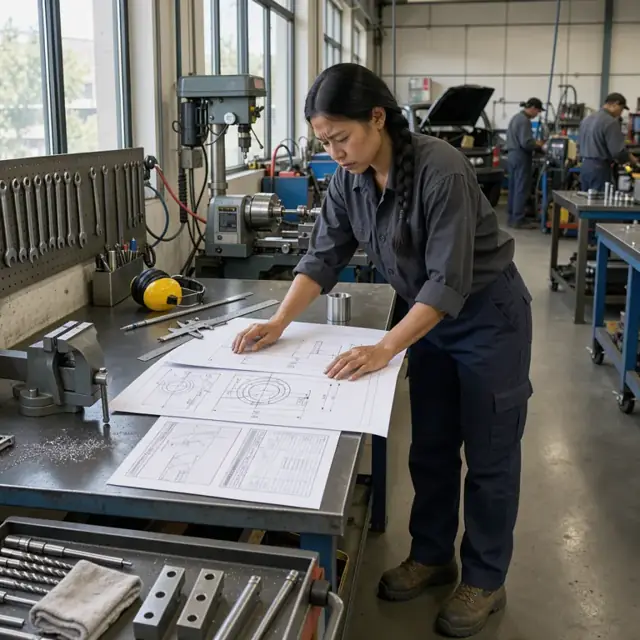
Order Specification Reviewer
Convert customer performance requirements into a complete job folder and flag exceptions.
Works in: Ambitious Docs, Ambitious Tasks, Contract Analyzer · Workflows: Order specification review and job setup
Automates
- Reads incoming purchase orders and specifications
- Extracts critical dimensions, materials and performance criteria
- Checks against catalog capabilities
- Creates job folder and draft acknowledgment
- Lists open questions for the customer
- Flags any permit or inspection requirements in the order
Stops for a person
- The lead engineer approves any exceptions or non-standard materials
- A person sends all customer communications and accepts orders
- The owner confirms applicability of any required permits or licenses

Bill of Materials Engineer
Build accurate multi-level bills of materials and generate purchasing requirements.
Works in: Ambitious Sheets, Ambitious Docs, Ambitious Tasks · Workflows: Bill of materials creation and purchasing
Automates
- Assembles bill of materials from drawing libraries
- Marks each item as make, buy or stock
- Creates purchase requisitions with quantities and due dates
- Calculates reorder triggers based on lead times
- Flags components needing material certification
Stops for a person
- The shop owner releases purchase orders and spends funds
- Engineering confirms material grades and substitutions

Fabrication Scheduler
Sequence machining, welding and fabrication operations across available equipment.
Works in: Ambitious Tasks, Ambitious Sheets · Workflows: Fabrication and machining scheduling
Automates
- Assigns parts to machines and operators by required operations
- Calculates start and finish dates based on run times
- Reserves lifting equipment and floor space
- Flags operations needing outside vendors
- Checks that welder qualifications match the procedure before release
Stops for a person
- The shop supervisor adjusts the schedule for urgent jobs or machine downtime
- A person verifies welder qualifications before welding begins
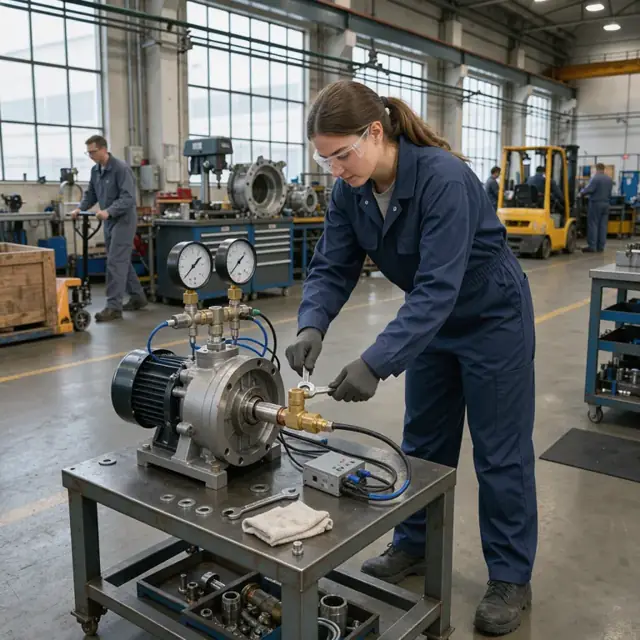
Assembly and Test Coordinator
Guide assembly sequence and capture performance test results for each machine.
Works in: Ambitious Tasks, Ambitious Docs, Ambitious Sheets · Workflows: Assembly and performance testing
Automates
- Produces step-by-step assembly instructions
- Logs torque, alignment, pressure and flow readings
- Generates test reports and certificates
- Creates a punch list of incomplete items
- Schedules third-party or customer witness inspections
Stops for a person
- The lead machinist or engineer approves test results and any deviations
- A person performs final visual and functional checks before shipment
- The owner confirms which inspections and permits are required
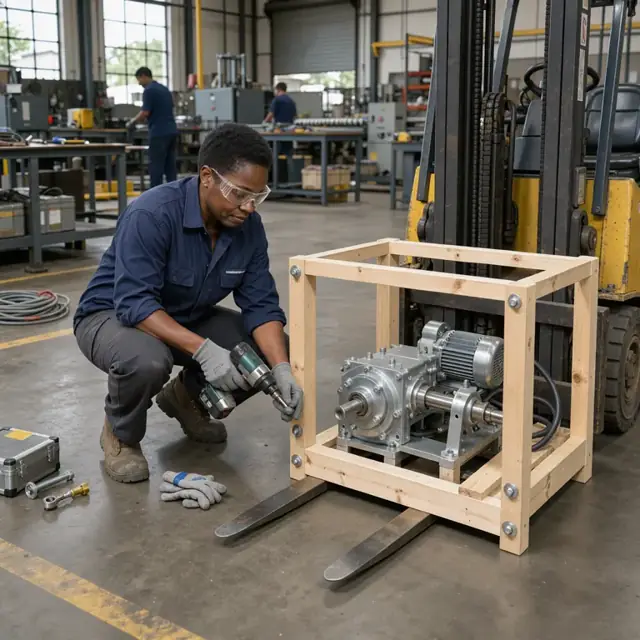
Shipping and Documentation Clerk
Compile all required manuals, certificates and shipping documents for each machine.
Works in: Ambitious Docs, Ambitious Tasks, Email Buckets · Workflows: Shipping documentation and dispatch
Automates
- Assembles operator manuals and spare parts lists
- Gathers material and test certificates
- Prepares packing lists and shipping labels
- Drafts shipment notification
- Checks that all permit and license copies are included
Stops for a person
- The owner reviews and approves all documents before they are sent or filed
- A person verifies crating and blocking of heavy equipment

Inventory and Replenishment Manager
Track component usage, maintain stock levels and trigger reorders.
Works in: Ambitious Sheets, Ambitious Tasks · Workflows: Inventory and component replenishment
Automates
- Compares actual consumption to bill-of-materials quantities
- Generates purchase orders for items below reorder point
- Updates inventory upon receipt and inspection
- Flags slow-moving or obsolete stock
- Maintains traceability tags for safety-related components
Stops for a person
- The owner places all purchase orders and approves expenditures
- Incoming material is inspected and accepted by a person

Quality and Compliance Records Clerk
Maintain traveler checklists, collect certifications and organize as-built records.
Works in: Ambitious Docs, Ambitious Tasks, Ambitious Sheets · Workflows: Quality and compliance record keeping
Automates
- Generates quality traveler checklists for each operation
- Organizes material test reports and welder qualifications
- Tracks calibration and certification due dates
- Compiles as-built documentation packages
- Maintains equipment inspection and permit renewal logs
Stops for a person
- The shop owner confirms which standards and requirements apply to each job
- All deviations and corrective actions are reviewed and signed by engineering
- A person performs and signs off on all safety and equipment inspections
Workflows
Order specification review and job setup
Starts when: Receipt of a new customer purchase order or request for quote
- Extract performance requirements, operating conditions, materials and tolerances from the order
- Check against standard product capabilities and flag exceptions for engineering
- Create a job folder with drawings, specifications and due date
- Assign a unique job number and link to the customer record
- Draft acknowledgment and any clarification questions
- Confirm any required permits or third-party inspections noted in the order
Watch for: Performance specs must match exactly what the shop can build or certify; Exceptions that affect pressure, temperature or safety require engineering sign-off
Bill of materials creation and purchasing
Starts when: After order is accepted and on engineering release
- Build a multi-level bill of materials from drawings and standard libraries
- Identify make-versus-buy decisions for each part
- Generate purchase requisitions for long-lead items and raw stock
- Set reorder points and safety stock for recurring components
- Track supplier confirmations and expected receipt dates
- Flag any components that require material certification or traceability paperwork
Watch for: Certain motors, seals and bearings have multi-month lead times; Material certifications must be collected with each lot of steel or alloy
Fabrication and machining scheduling
Starts when: When purchased material or components are confirmed or in stock
- Sequence parts through available CNC machines, lathes, mills and welding stations
- Assign work orders with setup times, run times and quality checkpoints
- Reserve floor space and lifting equipment for large assemblies
- Flag operations that require outside heat treatment, plating or coating
- Update real-time status of each part
- Confirm welder qualifications and procedure specifications are current before release
Watch for: Machine capacity is limited by spindle hours and operator availability; Weld procedures and welder qualifications must be matched to each job
Assembly and performance testing
Starts when: When all fabricated and purchased parts reach the assembly area
- Generate a step-by-step assembly sequence with torque and alignment checks
- Schedule electrical, pneumatic and mechanical integration
- Run factory acceptance tests and record pressure, flow, temperature and vibration data
- Produce test reports and certificate of conformance
- Create punch list of any remaining items
- Schedule and document any required third-party or customer witness inspections
Watch for: Test stands and calibrated instruments must be available and certified; Certain machines require witness testing by the customer or third party
Shipping documentation and dispatch
Starts when: After final testing and customer approval
- Compile operator manual, spare parts list, test data and material certificates
- Prepare packing list, commercial invoice and export documents if needed
- Schedule carrier pickup and generate shipping labels
- Draft notification of shipment and tracking information
- Close the job in the system and trigger final invoicing
- Confirm all required permits, licenses and safety labels are included with the shipment
Watch for: Heavy machines require special crating and blocking; Documentation must travel with the machine and also be sent electronically
Inventory and component replenishment
Starts when: Weekly and at low-stock alerts
- Review consumption against bill-of-materials usage
- Draft purchase orders for stocked items that have reached reorder point
- Update inventory records upon receipt and inspection
- Identify obsolete or slow-moving parts for review
- Maintain traceability records for safety-related components
- Inspect and tag incoming raw material before storage
Watch for: Critical spares must be kept on hand for common machine families; Incoming raw material must be inspected and tagged before storage
Quality and compliance record keeping
Starts when: At each quality gate and on renewal dates
- Generate traveler checklists for welding, coating and pressure tests
- Collect and organize material test reports, welder qualifications and calibration records
- Track due dates for annual calibrations, certifications and insurance
- Prepare as-built documentation package for each serial number
- Flag any deviations and route for engineering disposition
- Maintain records of shop floor equipment inspections and permits
Watch for: Customer or industry standards dictate which records must be retained and for how long; The shop owner confirms which standards apply to each order
Bot templates for this industry
Source: U.S. Small Business Administration, Office of Size Standards, Table of Small Business Size Standards Matched to North American Industry Classification System Codes, version March 2023 (effective 2023-03-17, NAICS 2022). Size standards are shown for reference only.