

Electronic Computer Manufacturing
Electronic computer manufacturers configure customer-specified systems, generate accurate bills of materials, schedule production around long-lead components, produce detailed assembly and test instructions, maintain full traceability, manage engineering changes, and prepare regulatory labeling and shipping documents. Specialists turn sales and engineering inputs into validated build packages, procurement lists, timed production schedules, quality records and shipment paperwork while engineering and quality staff retain control over specifications, substitutions, test results and regulatory decisions.
What makes this business different
- Customer-specified configurations with exact CPU, memory, storage, networking, power supply and chassis options that must be built without substitution
- Long-lead-time components requiring accurate forecasting and buffer stock while avoiding obsolescence
- Strict revision control and engineering change orders that propagate to every affected build
- Regulatory labeling including FCC, UL, CE, RoHS and country-of-origin markings on every unit
- Traceability of serial numbers, lot codes and firmware versions for each shipped system
- Quality and burn-in testing protocols that differ by product family and customer requirement
- Coordination between engineering, procurement, assembly, test and logistics teams on shared floor space and equipment
Specialist bots
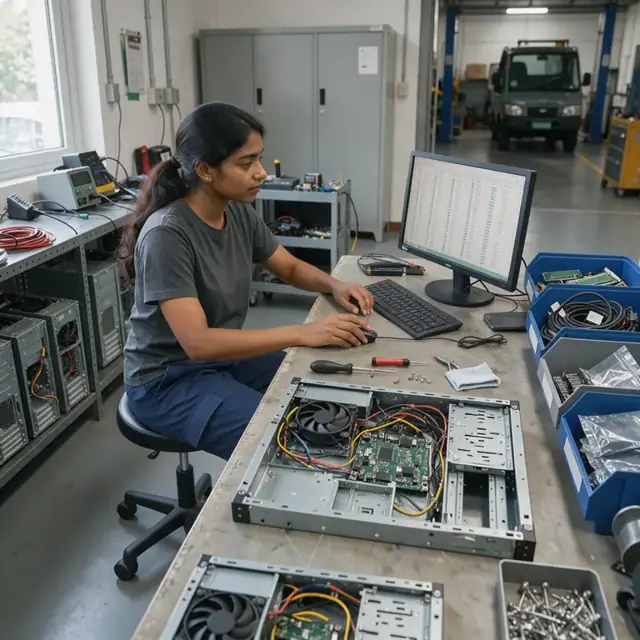
Configuration to BOM Specialist
Convert every custom computer order into a validated, costed bill of materials ready for procurement and production.
Works in: Ambitious Docs, Ambitious Sheets, Ambitious Tasks · Workflows: Order configuration to bill of materials
Automates
- Reads incoming order specifications and configuration files
- Validates each component against approved lists and revision tables
- Builds the complete multi-level BOM with pricing
- Flags long-lead and obsolescence risks
- Creates the build task
Stops for a person
- Engineering approves any non-standard components or substitutions
- Final BOM is reviewed before release to procurement

Component Procurement Specialist
Turn BOMs and forecasts into accurate purchase orders while maintaining component stock without excess obsolescence.
Works in: Ambitious Sheets, Ambitious Tasks, Ambitious Docs · Workflows: Component procurement and inventory
Automates
- Explodes multiple BOMs into consolidated purchase requirements
- Subtracts current inventory and open orders
- Drafts purchase orders grouped by supplier
- Tracks receipts against traceability fields
- Monitors buffer levels and flags end-of-life parts
Stops for a person
- Purchasing manager approves and sends every purchase order
- Engineering reviews any proposed substitutions for critical components
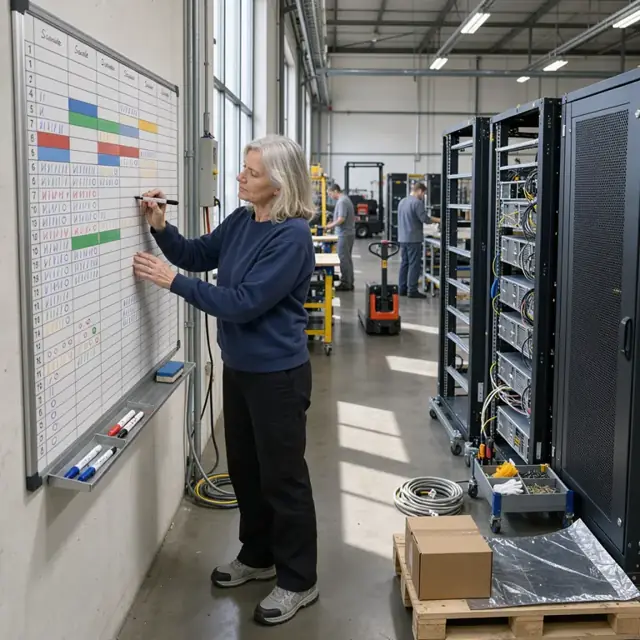
Production Scheduler
Create and maintain the master build schedule that respects capacity, lead times and engineering changes.
Works in: Ambitious Sheets, Process Optimizer · Workflows: Production scheduling and capacity
Automates
- Loads orders and forecasts into the schedule
- Assigns work to assembly and test stations
- Highlights capacity bottlenecks and delayed parts
- Adjusts for newly issued engineering changes
- Generates daily shop floor work orders
Stops for a person
- Production manager confirms the weekly schedule
- Expedites or de-prioritizations are decided by people
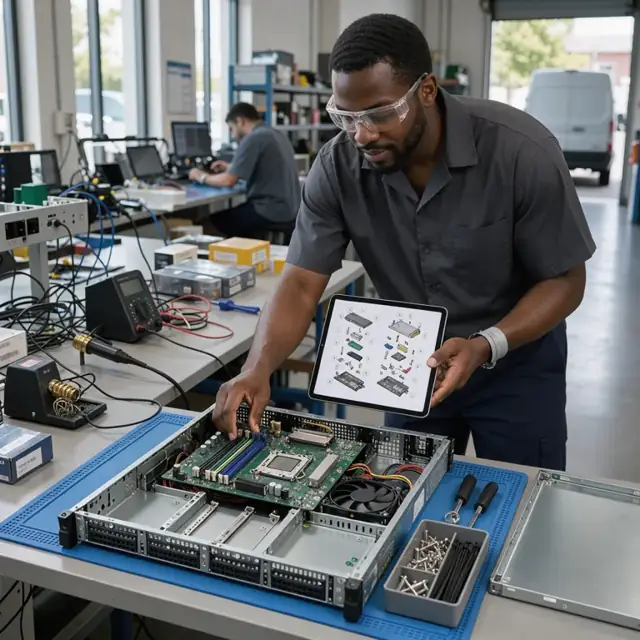
Assembly and Test Instruction Specialist
Generate station-specific build instructions, test scripts and labeling templates for each production run.
Works in: Ambitious Docs, Ambitious Tasks, Process Optimizer · Workflows: Assembly and test instruction generation
Automates
- Pulls latest drawings, BOMs and firmware revisions
- Creates illustrated work instructions for each assembly station
- Builds the detailed test and burn-in plan
- Prepares serial number and regulatory label artwork
- Packages all documents for release
Stops for a person
- Engineering reviews and approves all new or revised instructions
- Quality confirms test limits before release to the floor

Quality and Traceability Clerk
Capture test results, lot codes and certificates of conformance for every serial-numbered system.
Works in: Ambitious Tasks, Ambitious Sheets, Ambitious Docs · Workflows: Quality control and traceability
Automates
- Creates traceability records linked to each serial number
- Logs functional test, burn-in and final acceptance data
- Generates certificates and reports
- Flags out-of-spec results for review
- Maintains the digital archive
Stops for a person
- Quality engineer reviews and signs off on all non-conformances
- People perform the actual physical testing and inspection
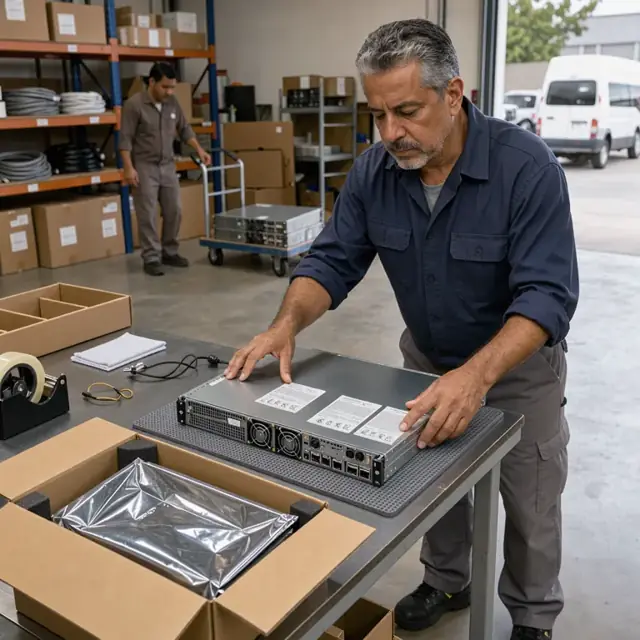
Labeling and Shipping Coordinator
Produce all regulatory labels, packing lists, manifests and shipping documents once quality approval is complete.
Works in: Ambitious Docs, Ambitious Tasks, Ambitious Sheets · Workflows: Labeling, packaging and shipping
Automates
- Generates regulatory and serial labels
- Compiles packing lists and commercial documents
- Drafts carrier manifests and customs forms
- Prepares shipment notifications
- Closes production tasks and updates stock
Stops for a person
- A person verifies label placement and content on the first article
- Logistics manager approves all international shipping documents

Engineering Change Order Manager
Propagate every engineering change to affected BOMs, schedules, instructions and open orders.
Works in: Ambitious Docs, Ambitious Tasks, Process Optimizer · Workflows: Engineering change order management
Automates
- Maps the ECO to all impacted builds and inventory
- Calculates cut-in serial numbers or dates
- Updates BOMs, drawings and test plans
- Notifies procurement of part changes
- Drafts customer communications
Stops for a person
- Engineering releases and approves every ECO
- Sales and customers approve any specification changes
Workflows
Order configuration to bill of materials
Starts when: New sales order or engineering request received
- Parse the requested CPU, memory, storage, I/O cards, chassis, power supply and any custom options
- Validate each component against approved vendor lists and current revision levels
- Generate a complete, costed bill of materials with part numbers, quantities and revision notes
- Flag any long-lead or end-of-life items for procurement attention
- Create a build task with the finalized BOM attached
Watch for: Exact match to customer specification is mandatory; substitutions require engineering sign-off; Engineering change orders must be reflected in any open or future builds
Component procurement and inventory
Starts when: Approved BOM or weekly forecast review
- Explode the BOM into a purchase list by supplier and lead time
- Compare against current on-hand and on-order inventory
- Draft purchase orders for approval
- Track incoming receipts against serial and lot traceability requirements
- Maintain minimum stock buffers for high-turnover items while monitoring for obsolescence
Watch for: Certain semiconductors and memory modules have multi-month lead times; Excess inventory of discontinued parts must be dispositioned
Production scheduling and capacity
Starts when: Weekly and when new orders arrive
- Load confirmed orders and forecasted demand into the master schedule
- Assign build slots to assembly stations and test bays based on labor and equipment availability
- Identify bottlenecks in chassis assembly, burn-in racks or test equipment
- Adjust schedule for any engineering change orders or delayed parts
- Generate daily work orders for the floor
Watch for: ESD-controlled areas limit simultaneous builds; Test equipment is shared across multiple product families
Assembly and test instruction generation
Starts when: Before each production run
- Pull the latest BOM, drawings and firmware versions
- Generate station-specific work instructions with torque specs, connector sequences and visual aids
- Create the quality test plan including functional, stress, burn-in and final acceptance criteria
- Attach serial number ranges and labeling templates
- Release the complete package to the production floor
Watch for: Each product family has unique assembly sequences and test scripts; Firmware must match the exact hardware configuration
Quality control and traceability
Starts when: At completion of each build and on audit dates
- Log test results, firmware flashes and calibration data against each serial number
- Record component lot codes and supplier certifications
- Generate certificate of conformance and test reports
- Flag any deviations for engineering review
- Archive records for the required retention period
Watch for: Full traceability from raw components through final shipment is mandatory for many customers; Non-conforming material must be quarantined and dispositioned by quality staff
Labeling, packaging and shipping
Starts when: After final quality approval
- Generate regulatory labels with correct markings, serial numbers and country of origin
- Print packing lists, shipping manifests and any customer-specific documentation
- Draft commercial invoices and customs paperwork for international orders
- Schedule carrier pickup and send shipment notifications
- Close the build task and update inventory
Watch for: Label content and placement must be verified before application; Export compliance checks vary by destination country
Engineering change order management
Starts when: When an ECO is issued by engineering
- Identify all open orders, work-in-process and inventory affected by the change
- Determine cut-in date or serial number for the new revision
- Update BOMs, drawings, instructions and test plans
- Notify procurement of any new or obsolete parts
- Draft communication to customers if the change affects delivered specifications
Watch for: Changes must be implemented without disrupting committed delivery dates; Retrofit or field upgrade instructions may be required
Bot templates for this industry
- Electronic Computer Manufacturing (7 bots)
Source: U.S. Small Business Administration, Office of Size Standards, Table of Small Business Size Standards Matched to North American Industry Classification System Codes, version March 2023 (effective 2023-03-17, NAICS 2022). Size standards are shown for reference only.