

Telephone Apparatus Manufacturing
Telephone apparatus manufacturers design, assemble and test wired and wireless phone equipment, PBX systems, VoIP gateways and related components. For a shop that builds custom and standard telephone systems in small batches, the specialists turn sales orders into verified BOMs, BOMs into procurement and assembly schedules, and test results into shipping paperwork and reorders. Schematics, certifications and quality standards stay with the engineers and technicians.
What makes this business different
- Custom configurations with many options (line count, VoIP/SIP, PoE, firmware versions, enclosure types) that must reach production exactly as ordered
- Mixed production of standard catalog items and engineered-to-order systems with long lead components
- Component-level traceability, lot numbers and revision control for every board and module
- Regulatory labeling, FCC, UL, RoHS and country-of-origin markings on every unit
- Incoming inspection, in-process testing, final burn-in and functional test protocols
- Supplier lead times that stretch months for chips and specialty modules
- Warranty returns, repair depot workflow and firmware update campaigns
Specialist bots

Order Configuration Verifier
Convert incoming sales orders into verified configurations and accurate BOMs.
Works in: Ambitious Tasks, Ambitious Docs, Contract Analyzer · Workflows: Order verification and configuration check
Automates
- Reads order details from email, portal or form
- Checks option compatibility matrix
- Generates initial BOM with correct revisions
- Flags long-lead items and drafts acknowledgment
Stops for a person
- Engineering approves non-standard configurations
- A person reviews and sends the final order acknowledgment

Component Procurement Planner
Maintain accurate material plans and purchase requisitions for all open production.
Works in: Ambitious Sheets, Ambitious Tasks · Workflows: Component procurement and inventory planning
Automates
- Explodes BOMs across orders
- Calculates net requirements after on-hand and on-order stock
- Groups requisitions by supplier lead time
- Tracks critical parts with status updates
Stops for a person
- Purchasing staff place and approve all purchase orders
- Engineering approves any suggested substitutions

Production Scheduler
Build and maintain the assembly schedule and kit release plan.
Works in: Ambitious Tasks, Process Optimizer · Workflows: Production scheduling and kitting
Automates
- Sequences jobs by due date and material availability
- Releases electronic work orders and pick lists
- Assigns serial numbers at kit release
- Highlights bottlenecks on SMT or test stations
Stops for a person
- The production manager adjusts priorities daily
- A person releases kits to the floor
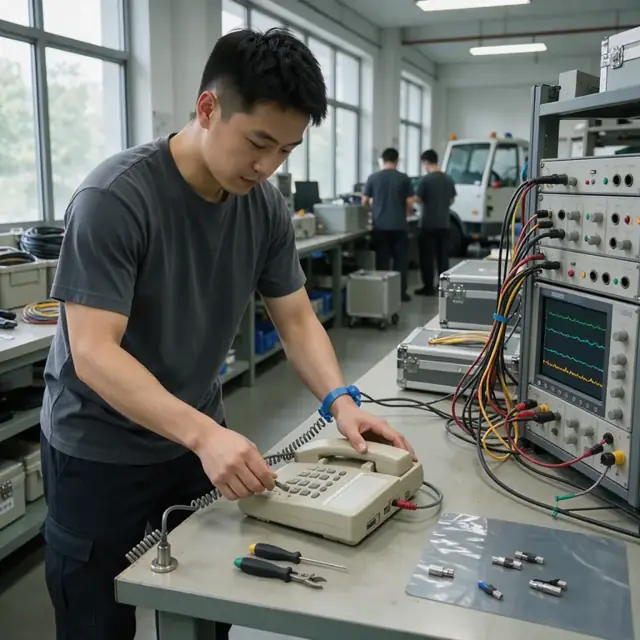
Quality Test Coordinator
Generate test protocols, record results and manage pass-fail workflow for each unit.
Works in: Ambitious Tasks, Ambitious Docs, Ambitious Sheets · Workflows: In-process and final quality testing
Automates
- Creates configuration-specific test checklist
- Logs automated test data and manual entries
- Quarantines failures and suggests rework steps
- Triggers label printing on successful completion
Stops for a person
- Certified technicians perform and sign off on functional tests
- Engineering reviews failures that exceed known limits
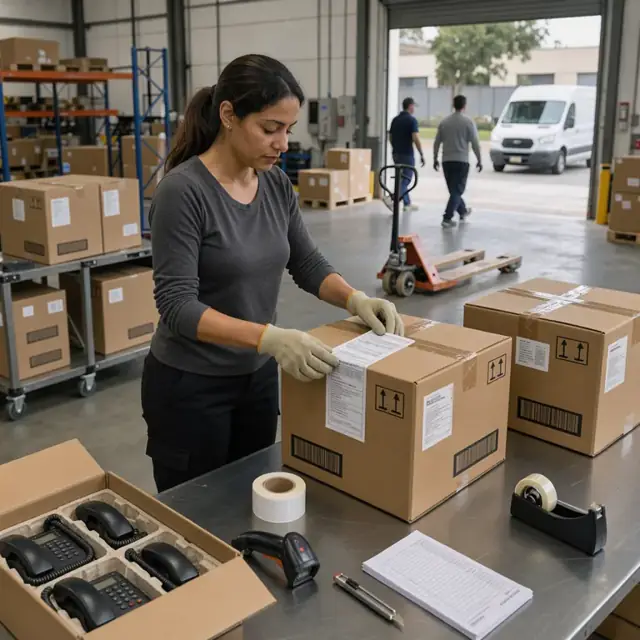
Regulatory Compliance Clerk
Prepare accurate labeling, export documents and maintain revision-controlled records.
Works in: Ambitious Docs, Ambitious Tasks, Contract Analyzer · Workflows: Packaging, labeling and shipment preparation
Automates
- Generates packing lists with serial ranges
- Selects correct regulatory labels by destination
- Drafts commercial invoices and certificates of origin
- Archives test reports against each serial number
Stops for a person
- A person verifies export classifications and signs shipping documents
- Customs paperwork is reviewed before filing
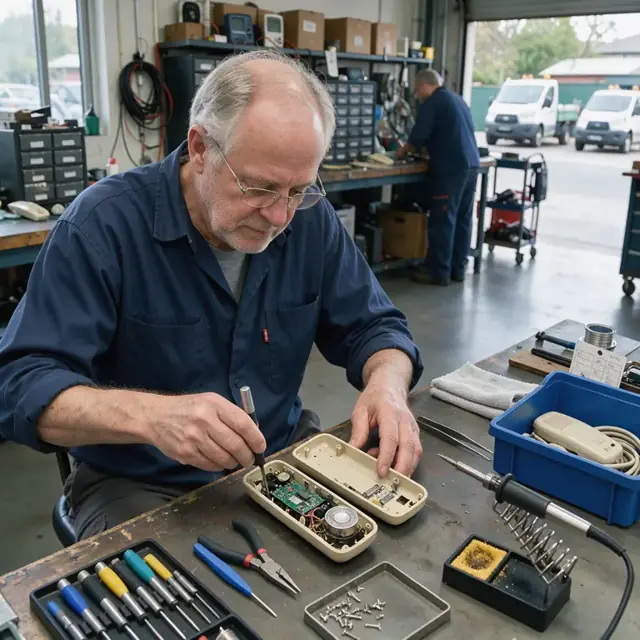
Warranty Repair Coordinator
Process returned units through diagnosis, repair, retest and closure.
Works in: Ambitious Tasks, Ambitious Docs, Ambitious Sheets · Workflows: Warranty return and repair processing
Automates
- Creates RMA record and links to original order
- Routes unit to correct diagnostic station
- Generates repair parts list
- Updates status and triggers replacement order if needed
Stops for a person
- Technicians perform the actual repair and testing
- The owner approves any warranty policy exceptions

Engineering Change Controller
Manage ECOs, update BOMs and communicate cutoff dates to production and procurement.
Works in: Ambitious Docs, Ambitious Tasks, Ambitious Sheets · Workflows: Engineering change and revision control
Automates
- Creates and tracks ECO tasks
- Identifies impacted orders and stock
- Updates revision levels on drawings and BOMs
- Notifies relevant teams of effective dates
Stops for a person
- Engineers approve all design changes
- Production confirms readiness before cut-in
Workflows
Order verification and configuration check
Starts when: New sales order received from distributor or direct customer
- Parse order for model, options, firmware, enclosure and power requirements
- Validate configuration against approved combination matrix
- Flag long-lead or obsolete components and suggest alternates
- Generate a verified BOM with revision levels
- Draft order acknowledgment for approval
Watch for: Certain option combinations are electrically incompatible; Custom firmware or branding must be confirmed by engineering
Component procurement and inventory planning
Starts when: After order verification and weekly for forecast
- Explode verified BOMs across all open orders
- Subtract current inventory and on-order quantities
- Create purchase requisitions by supplier and lead time
- Track critical parts with expediting notes
- Maintain safety stock for high-turn consumables and PCBs
Watch for: Semiconductor and chip shortages require constant re-forecasting; Moisture-sensitive devices need dry-box storage and bake-out tracking
Production scheduling and kitting
Starts when: Weekly and upon material arrival
- Sequence orders by due date, component availability and test bay capacity
- Release kits with pick lists, schematics and work instructions
- Assign serial numbers and lot traceability at kitting
- Update live schedule when parts arrive or fail inspection
- Flag capacity constraints on SMT, hand-assembly or test stations
Watch for: Assembly lines must change over between standard and custom units; Static-sensitive components require grounded workstations and ESD logs
In-process and final quality testing
Starts when: Each unit completes assembly stage
- Generate test script and checklist for the specific configuration
- Record automated test results and technician observations
- Log firmware version flashed and calibration data
- Quarantine failures and route to rework or failure analysis
- Print regulatory labels and test certification stickers
Watch for: FCC Part 15 and UL testing must be repeated on configuration changes; Each unit receives a unique serial and MAC address
Packaging, labeling and shipment preparation
Starts when: Units pass final test and burn-in
- Generate packing list with serial numbers and country-of-origin
- Apply FCC, UL, RoHS and barcode labels per destination country
- Create commercial invoice and customs documents for export orders
- Schedule carrier pickup and send shipment notification
- Archive test records linked to each serial number
Watch for: Export restrictions and encryption notifications apply to certain VoIP models; Drop-test and ISTA packaging validation required for specific markets
Warranty return and repair processing
Starts when: Customer or distributor returns a defective unit
- Log return authorization, serial number and reported symptoms
- Route to incoming inspection and diagnostic bench
- Generate repair BOM and labor record
- Update firmware, retest and certify repaired unit
- Issue RMA closure and credit or replacement order
Watch for: Traceability must show original and replacement components; Repair data feeds back into reliability tracking
Engineering change and revision control
Starts when: Design update or component obsolescence notice
- Create ECO task with affected BOMs and drawings
- Determine impact on open orders and inventory
- Update revision level on schematics and test procedures
- Notify procurement and production of cutoff dates
- Archive previous revision files with effective dates
Watch for: Retrofit kits may be required for units already in field; Regulatory re-certification may be triggered by component swaps
Bot templates for this industry
- Telephone Apparatus Manufacturing (7 bots)
Source: U.S. Small Business Administration, Office of Size Standards, Table of Small Business Size Standards Matched to North American Industry Classification System Codes, version March 2023 (effective 2023-03-17, NAICS 2022). Size standards are shown for reference only.