

Other Communications Equipment Manufacturing
Manufacturers of other communications equipment produce specialized gear such as wireless transmitters, radio and television broadcast equipment, intercom systems, marine radios, and emergency-alert hardware. For a shop that builds custom-configured radio and intercom units in small batches, the specialists turn sales quotes and customer specs into build orders, schedule assembly and test stations, generate parts kits from inventory, route units through production stages, track regulatory testing, and prepare shipments while the engineers keep design files, firmware and compliance data current.
What makes this business different
- Custom configurations with many options for frequencies, power levels, enclosures, interfaces and firmware that must match the signed specification exactly
- Low-volume batch or project-based production with long lead times for components and strict sequencing of assembly, programming and testing
- Traceable parts and serialized units that require lot tracking, revision control and chain-of-custody records
- Regulatory testing and certification steps including FCC, marine, aviation or safety-agency approvals that must be documented before shipment
- High-value components and subassemblies with long procurement lead times, minimum-order quantities and obsolescence risks
- Engineering change orders that must propagate through open orders, work-in-process and inventory without disrupting schedules
- Repeat industrial, government and marine customers who reorder spares, request firmware updates and require detailed test reports
Specialist bots

Order Configurator
Convert signed quotes and configuration requests into locked build orders with complete specifications.
Works in: Ambitious Tasks, Ambitious Docs, Contract Analyzer · Workflows: Quote to order conversion
Automates
- Reads returned quotes and configuration forms
- Validates options against current engineering releases
- Drafts the order acknowledgment
- Creates the build-order task with attached drawings
Stops for a person
- Engineering approves any non-standard configuration
- A person reviews and sends all formal acknowledgments
- The owner approves pricing on custom work

Production Scheduler
Assign build orders to stations, sequence assembly and test steps, and maintain the master shop schedule.
Works in: Ambitious Tasks, Ambitious Sheets · Workflows: Production scheduling and station assignment
Automates
- Assigns orders to stations based on required equipment and certifications
- Sequences each unit through assembly, programming and test
- Reserves test fixtures and updates the live schedule
- Flags long-lead items that need expediting
Stops for a person
- The production manager approves station assignments when conflicts arise
- Technicians confirm actual start and completion times

Kitting and Inventory Technician
Explode bills of materials and prepare traceable kits of parts for each build order.
Works in: Ambitious Sheets, Ambitious Tasks, Ambitious Docs · Workflows: Parts kitting and inventory release
Automates
- Generates exact parts lists by configuration and revision
- Subtracts inventory and creates pick lists
- Flags shortages and drafts purchase requests
- Records lot and serial numbers on release
Stops for a person
- A second person verifies high-value or serialized items before the kit leaves stock
- Engineering must approve any suggested substitutions

Test and Quality Coordinator
Guide units through functional, regulatory and final testing while compiling required documentation.
Works in: Ambitious Tasks, Ambitious Docs, Process Optimizer · Workflows: Assembly test and quality workflow
Automates
- Creates step-by-step test checklists for each configuration
- Logs test results and attaches spectrum or environmental reports
- Routes failed units to rework with failure notes
- Compiles the final test data package
Stops for a person
- Certified technicians perform and sign off on regulatory tests
- Engineering reviews any test failures before rework proceeds
- The owner confirms final release of test reports to customers

Procurement and Obsolescence Lead
Forecast component needs, issue purchase orders and manage obsolescence for long-lead and end-of-life parts.
Works in: Ambitious Sheets, Ambitious Tasks, Ambitious Docs · Workflows: Component procurement and obsolescence management
Automates
- Forecasts usage from open orders and bills of materials
- Generates purchase orders and tracks confirmations
- Identifies parts nearing obsolescence
- Maintains approved vendor and certificate requirements
Stops for a person
- The owner approves all purchase orders and expenditures
- Engineering reviews and approves vendor or part changes
Shipping and Compliance Coordinator
Prepare shipping documents, regulatory declarations and customer delivery packages for each completed unit.
Works in: Ambitious Docs, Ambitious Tasks, Contract Analyzer · Workflows: Shipment preparation and compliance
Automates
- Generates packing lists, labels and test-report bundles
- Checks export classifications and required declarations
- Drafts commercial invoices and carrier paperwork
- Closes build orders and updates inventory
Stops for a person
- The compliance officer reviews international or regulated shipments before release
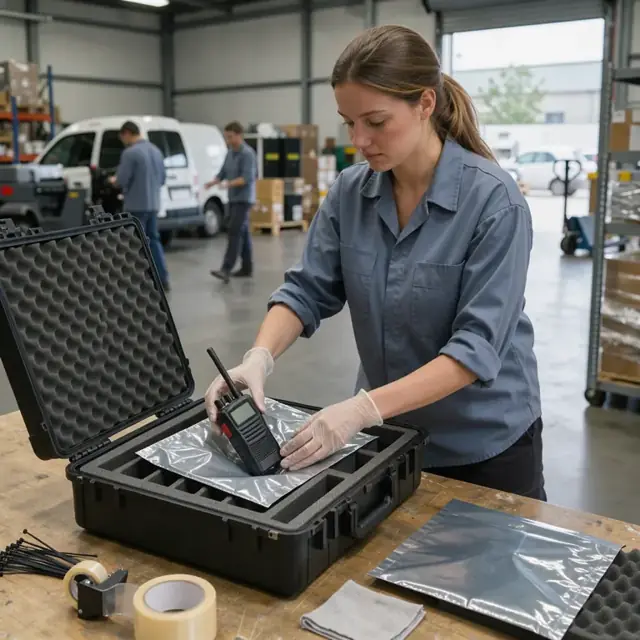
- A person physically packs and labels each unit
- The owner approves any special customer documentation

Engineering Change Manager
Process design revisions, update documentation and coordinate impact on open production and inventory.
Works in: Ambitious Docs, Ambitious Tasks, Ambitious Sheets · Workflows: Engineering change order processing
Automates
- Identifies affected orders and work-in-process
- Drafts customer notification letters
- Updates bills of materials and drawing repositories
- Creates rework or retrofit tasks
Stops for a person
- Engineers and the owner approve every change before release
- Customers must accept changes that affect schedule or price
- Regulatory impact is confirmed by qualified people before production use
Workflows
Quote to order conversion
Starts when: A prospect or customer returns a signed quote or submits a configuration request
- Capture the exact model, frequency band, power, interface options, firmware version and enclosure type
- Verify the configuration is buildable against current engineering releases and component availability
- Calculate final pricing including any non-recurring engineering or certification charges
- Draft the formal order acknowledgment and obtain internal approval
- Create a build-order task with full specification and attach engineering drawings
Watch for: Configuration options affect regulatory approvals and must be locked before production; Any deviation from the quoted specification requires written customer approval
Production scheduling and station assignment
Starts when: New build order is approved or weekly capacity review
- Assign the order to an available assembly station based on required test equipment and technician certifications
- Sequence the build steps through assembly, programming, burn-in, regulatory test and final inspection
- Reserve test fixtures, spectrum analyzers and firmware load stations for the required dates
- Flag any long-lead components that must be expedited
- Publish the updated shop schedule to all stations
Watch for: Certain stations require licensed technicians or calibrated equipment that is limited in number; Test sequences cannot be parallelized when shared regulatory test chambers are required
Parts kitting and inventory release
Starts when: Build order reaches scheduled start date
- Explode the bill of materials for the exact configuration and revision
- Pull and stage serialized or lot-controlled components into a labeled kit
- Reserve remaining inventory and generate purchase requests for shortages
- Record kit release with lot numbers and revision levels
- Attach kit checklist to the build-order task
Watch for: Obsolete or end-of-life parts must be flagged and engineering must approve substitutes; High-value items require two-person verification before leaving the stockroom
Assembly test and quality workflow
Starts when: Kit is delivered to the assembly station
- Record receipt of kit and begin assembly per the released drawings
- Load firmware, run functional tests and log results against the specification
- Perform required regulatory emissions or environmental tests and attach reports
- Conduct final visual and functional inspection
- Move completed unit to shipping or rework queue with full traceability record
Watch for: Every unit must have a test data sheet retained for the customer and regulator; Failures must be routed to engineering for root-cause analysis before rework
Component procurement and obsolescence management
Starts when: Weekly or when inventory falls below reorder point
- Review open build orders and forecast against current bills of materials
- Generate purchase orders for components with long lead times or minimum buys
- Track supplier confirmations and update delivery dates in the master schedule
- Identify parts approaching end-of-life and draft engineering change proposals
- Maintain approved-vendor list and certificate-of-conformance requirements
Watch for: Certain components require source inspection or certificates that must travel with the parts; Changes to approved suppliers must be reviewed by engineering
Shipment preparation and compliance
Starts when: Unit passes final inspection
- Generate packing list, serial-number label and test-report package
- Verify export-control classification and any required end-user statements
- Draft commercial invoice, shipping labels and carrier paperwork
- Schedule carrier pickup and notify customer of tracking details
- Close the build order and update inventory records
Watch for: International shipments may require specific certifications and documentation that only the compliance officer can release; Hazardous battery or radio-frequency devices have special labeling and declaration rules
Engineering change order processing
Starts when: Engineer releases a design revision or component substitution
- Identify all open orders, work-in-process and inventory that use the old revision
- Determine impact on schedule, cost and regulatory approvals
- Draft customer notification letters for affected orders
- Update bills of materials, drawings and firmware repositories
- Create tasks for rework or retrofit of units already built
Watch for: Regulatory re-certification may be required and must be confirmed before the change is released to production; All changes must be approved by the owner before implementation
Bot templates for this industry
Source: U.S. Small Business Administration, Office of Size Standards, Table of Small Business Size Standards Matched to North American Industry Classification System Codes, version March 2023 (effective 2023-03-17, NAICS 2022). Size standards are shown for reference only.