

Search, Detection, Navigation, Guidance, Aeronautical, and Nautical System and Instrument Manufacturing
Manufacturers of avionics, marine radar, sonar, inertial navigation, search and rescue beacons and related instruments build to order, to specification and in small batches. Custom orders arrive with technical requirements; the team turns them into engineering releases, procures long-lead components, schedules production and test cells, assembles and calibrates units, runs environmental and acceptance tests, prepares compliance paperwork and ships with certificates. Specialists keep engineering changes, supplier lead times, test equipment calibration, regulatory filings and customer acceptance coordinated so nothing is released until the owner approves drawings, purchases, test results or shipments.
What makes this business different
- Custom configurations that must match exact customer performance and interface requirements
- Long-lead-time components and obsolescence tracking for parts used in navigation and detection systems
- Strict configuration control, revision history and engineering change orders that cannot be released without approval
- Environmental and acceptance testing on calibrated equipment with traceable records
- Regulatory filings, type certifications and export documentation that differ by platform and destination
- Calibration cycles for test fixtures, torque tools and measurement instruments
- Batch or serial-number traceability from raw material through final acceptance test
- Coordination between engineering, procurement, assembly, test and quality before any unit ships
Specialist bots

Specification Intake Specialist
Convert every incoming purchase order and technical specification package into a structured project folder with clear requirements.
Works in: Ambitious Docs, Ambitious Tasks, Contract Analyzer · Workflows: Order and specification intake
Automates
- Reads incoming order documents and extracts performance, interface and certification requirements
- Compares requirements to existing configurations
- Flags exceptions and creates the project task with full specification set
Stops for a person
- Engineering reviews and approves any flagged exceptions
- The owner confirms order acceptance and any deviations

Configuration and Release Manager
Maintain revision-controlled drawings, bills of materials and engineering change records for every product configuration.
Works in: Ambitious Docs, Ambitious Tasks, Ambitious Sheets · Workflows: Engineering change and drawing release
Automates
- Compares change requests against current released documents
- Drafts engineering change notices with impacted items
- Updates and publishes new revision packages once approved
Stops for a person
- Only the owner releases drawings or changes into production
- Engineering must approve all updates before they are published

Procurement and Obsolescence Coordinator
Turn approved bills of materials into purchase lists while tracking long-lead items and obsolescence alerts.
Works in: Ambitious Sheets, Ambitious Tasks · Workflows: Component procurement and obsolescence
Automates
- Explodes bills of materials and subtracts on-hand inventory
- Drafts purchase requisitions by supplier with lead-time estimates
- Flags obsolete or long-lead parts and suggests alternates
Stops for a person
- The owner approves and places every purchase order
- Engineering evaluates all suggested alternates before use
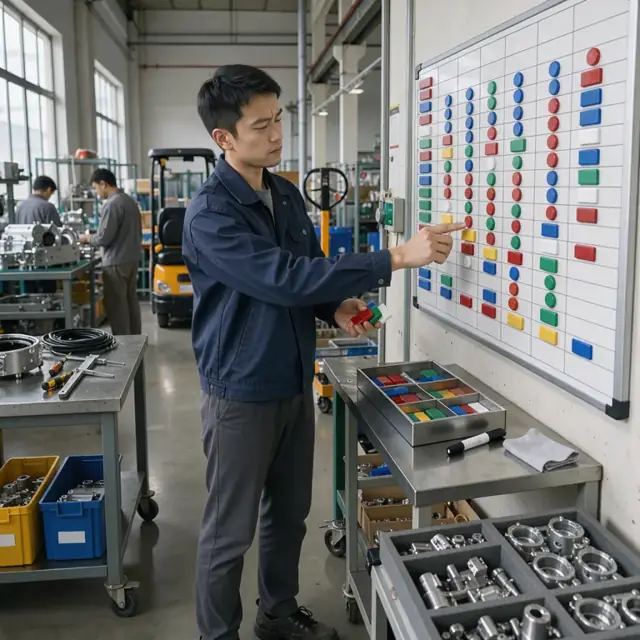
Production Scheduler
Build and maintain the master production schedule across assembly, integration and shared test resources.
Works in: Ambitious Tasks, Process Optimizer · Workflows: Production scheduling and capacity
Automates
- Loads confirmed orders into the schedule by serial number
- Assigns work to cells while balancing technician and equipment availability
- Highlights critical path delays and suggests adjustments
Stops for a person
- The owner approves the final weekly schedule
- Manufacturing lead adjusts for unexpected test or supplier delays

Test and Calibration Coordinator
Ensure all acceptance tests are executed on calibrated equipment and that results are recorded and compared to requirements.
Works in: Ambitious Tasks, Ambitious Sheets, Process Optimizer · Workflows: Assembly and acceptance testing
Automates
- Issues the correct revision build and test instructions
- Records serial numbers and routes data from test equipment
- Compares measured results against the specification limits the owner has confirmed
Stops for a person
- A qualified technician performs and signs off on every physical test
- Engineering reviews and dispositions any out-of-tolerance results

Quality Documentation Clerk
Assemble and check the complete manufacturing and test record package for every serial number before shipment.
Works in: Ambitious Docs, Ambitious Tasks, Ambitious Sheets · Workflows: Quality records and certification
Automates
- Compiles traveler, test data, calibration records and traceability files
- Drafts certificates of conformance checked against the requirements the owner confirms
- Flags any incomplete records and maintains the digital archive
Stops for a person
- The owner or quality lead reviews and approves every data package
- People confirm which regulatory and customer requirements apply

Shipping and Compliance Coordinator
Prepare all shipping documents, labels and customer notifications once quality approval is received.
Works in: Ambitious Docs, Ambitious Tasks, Contract Analyzer · Workflows: Shipping and export compliance
Automates
- Verifies presence of all approved documents
- Drafts invoices, packing lists and end-use statements
- Generates carrier instructions and customer notification drafts
Stops for a person
- The owner approves every shipment and export declaration
- Compliance lead verifies destination and licensing restrictions
Workflows
Order and specification intake
Starts when: A new customer purchase order or specification package arrives
- Extract all performance, interface, environmental and certification requirements
- Compare requirements against current product configurations and capabilities
- Flag any exceptions or required deviations for engineering review
- Create a project folder with the full specification set and draft acknowledgment
- Assign a unique project or serial-number series
Watch for: Requirements must be captured exactly as written and never paraphrased; Any deviation from standard offerings requires engineering sign-off before confirmation
Engineering change and drawing release
Starts when: New order, specification change or internal improvement
- Compare requested changes against current released drawings and bill of materials
- Draft engineering change notice with impacted items and rationale
- Update drawings, schematics and firmware version as needed
- Route the complete release package for approval
- Publish the new configuration to the controlled document set
Watch for: Only the owner can release drawings or changes to production; Every revision must maintain full traceability
Component procurement and obsolescence
Starts when: After engineering release and on a monthly cadence
- Explode the bill of materials into a line-item purchase list with quantities and lead times
- Check current inventory and open orders
- Draft purchase requisitions by supplier
- Flag long-lead or obsolete items and suggest alternates
- Track incoming receipts against the project schedule
Watch for: Certain components have multi-month lead times that drive the entire schedule; Obsolescence notices must be reviewed before any commitment
Production scheduling and capacity
Starts when: After procurement plan is confirmed and weekly thereafter
- Load confirmed orders into the master schedule by serial number
- Assign work orders to assembly, integration and test cells
- Balance workload against technician and equipment availability
- Identify critical path items and adjust start dates
- Update the live schedule with any delays from suppliers or test failures
Watch for: Test cells and environmental chambers are shared resources with limited slots; Schedule must preserve time for calibration and quality hold points
Assembly and acceptance testing
Starts when: Release of work order to the floor
- Issue the exact revision-controlled build instructions and parts kit
- Record serial numbers and lot codes at each assembly step
- Run functional, environmental and acceptance test sequences on calibrated equipment
- Capture test data and automatically compare results against specification limits
- Generate the as-built test report for review
Watch for: Every measurement device must be within its current calibration window; Any out-of-tolerance result halts the unit until engineering disposition
Quality records and certification
Starts when: Completion of acceptance testing and on audit dates
- Compile the traveler, test data, calibration certificates and traceability records
- Draft certificate of conformance and any required regulatory forms
- Check the complete data package against the customer and regulatory requirements the owner has confirmed
- Flag missing or incomplete records
- Maintain the digital archive by serial number
Watch for: The owner must confirm which regulatory and customer requirements apply to each shipment; No document is considered final until a person has reviewed and approved it
Shipping and export compliance
Starts when: Final quality approval and customer ready date
- Verify all required documentation is present and approved
- Draft commercial invoice, packing list and any end-use statements
- Generate shipping labels and carrier instructions
- Create draft notification to the customer with tracking and certificate links
- Close the project record after shipment confirmation
Watch for: Export licensing and destination restrictions must be verified before any package leaves; Hazardous material or battery shipping declarations require specific handling
Bot templates for this industry
Source: U.S. Small Business Administration, Office of Size Standards, Table of Small Business Size Standards Matched to North American Industry Classification System Codes, version March 2023 (effective 2023-03-17, NAICS 2022). Size standards are shown for reference only.