

Automatic Environmental Control Manufacturing for Residential, Commercial and Appliance Use
Manufacturers of automatic environmental controls produce sensors, thermostats, humidistats, pressure switches and integrated control boards used in HVAC, refrigeration and appliance systems. For a maker of residential and light-commercial thermostats and zone dampers that ships weekly, the specialists turn sales orders and engineering changes into production schedules, component kits and test plans, then track finished goods, calibration records and regulatory labels. Schematics, firmware, UL listings and agency approvals remain with the engineers and compliance lead.
What makes this business different
- Custom configurations for voltage, communication protocol, sensor types and mounting that must match customer specifications exactly
- Engineering change orders that affect multiple BOMs and require revision-controlled documentation
- Component sourcing with long lead times for semiconductors, thermistors and enclosures
- Traceability of serial numbers, calibration dates and firmware versions for each finished unit
- Production of small batches mixed with scheduled replenishment runs
- UL, FCC, CE and energy-efficiency labeling that must be verified before shipment
- Inventory of finished goods, work-in-process and consigned components at contract manufacturers
- Seasonal demand spikes for HVAC controls in spring and fall
Specialist bots

Order Configuration Verifier
Convert incoming sales orders into validated, production-ready configurations.
Works in: Ambitious Tasks, Ambitious Docs, Contract Analyzer · Workflows: Customer order and configuration review
Automates
- Parses order fields for model and options
- Validates against product configuration matrix
- Flags non-standard requests
- Drafts confirmation of accepted configuration
- Creates the production order task
Stops for a person
- Engineering reviews and approves any non-catalog configurations
- Sales confirms pricing and delivery before order is released to production
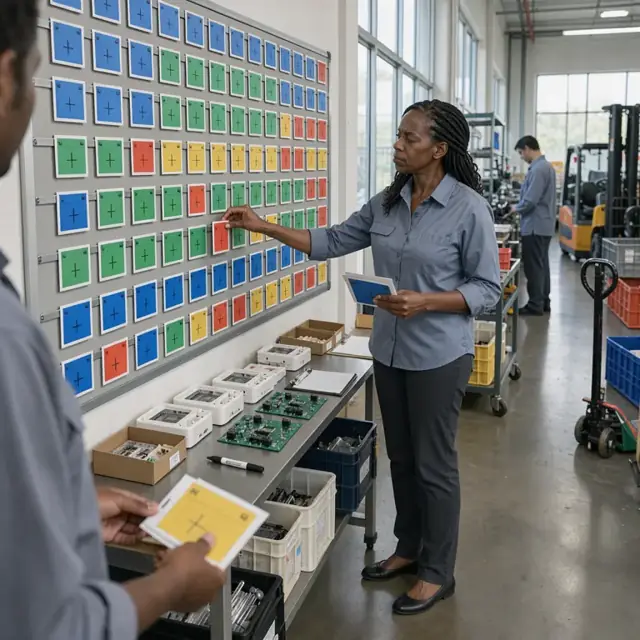
Production Scheduler
Build weekly master production schedules that respect component availability and line capacity.
Works in: Ambitious Sheets, Process Optimizer · Workflows: Production scheduling and capacity planning
Automates
- Aggregates orders and forecast demand
- Checks material availability
- Assigns work orders to assembly lines and shifts
- Balances seasonal demand peaks
- Generates traveler documents
Stops for a person
- Manufacturing lead approves the final schedule each week
- Any overtime or expedited runs require management sign-off

Materials and Kitting Coordinator
Explode BOMs, pull and kit components for each production run while tracking traceability.
Works in: Ambitious Sheets, Ambitious Tasks, Ambitious Docs · Workflows: Component kitting and inventory pull
Automates
- Calculates exact quantities from current BOM revision
- Reserves stock and flags shortages
- Prints kit lists and barcode labels
- Updates inventory transactions after pulling
Stops for a person
- A person performs incoming inspection on critical components
- Moisture-sensitive device bake-out and dry-box procedures are performed by trained staff
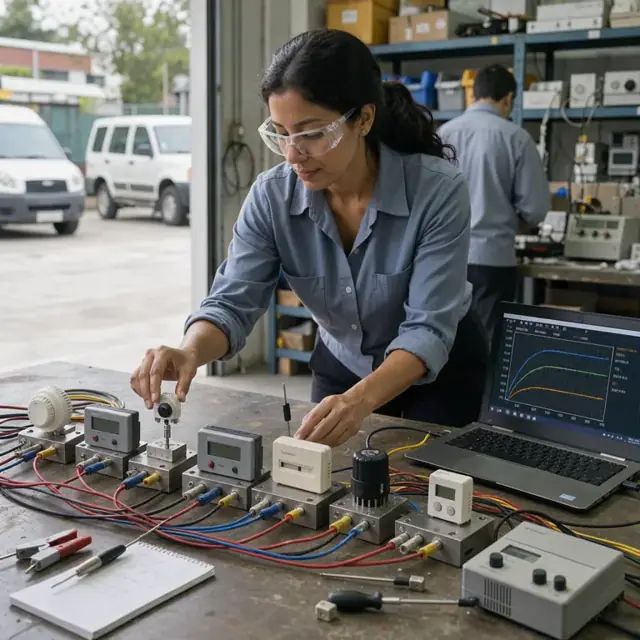
Assembly Test and Calibration Specialist
Generate test sequences, record serial numbers and capture calibration and functional test results.
Works in: Ambitious Tasks, Ambitious Docs, Ambitious Sheets · Workflows: Assembly, test and calibration
Automates
- Pulls latest test procedure for each model and revision
- Assigns and records unique serial numbers
- Logs automated test results and firmware flashed
- Flags units that fail any test step
Stops for a person
- Trained technicians perform manual calibration and visual inspection
- Engineering reviews test data trends and failure analysis
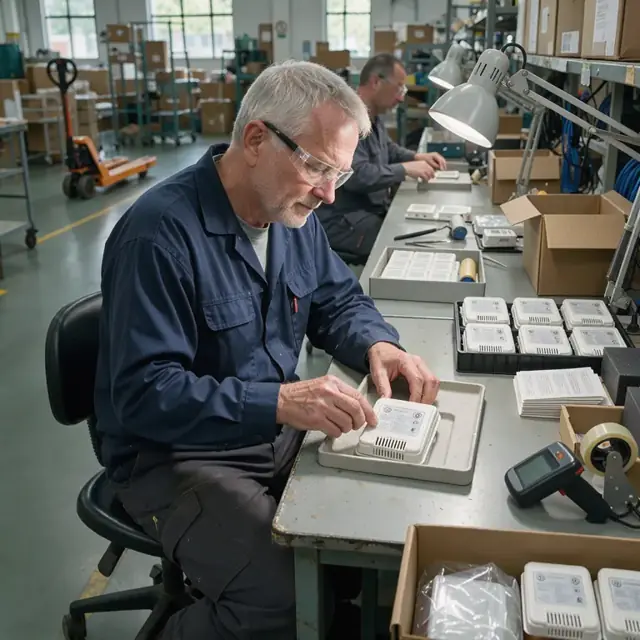
Quality and Labeling Coordinator
Verify each batch against quality requirements, apply correct labels and release to finished goods.
Works in: Ambitious Tasks, Ambitious Docs, Ambitious Sheets · Workflows: Quality assurance, labeling and release, Regulatory permit, license and inspection paperwork
Automates
- Runs final checklist for each completed batch
- Verifies label content matches current revision
- Generates certificates and traceability records
- Moves accepted inventory to finished-goods status
- Creates pre-shipment regulatory checklists and logs renewal dates
Stops for a person
- Quality lead confirms all agency markings before release
- Any deviation or rework decision is made by authorized personnel
- The compliance lead confirms which permits and filings apply

Engineering Change Coordinator
Process approved engineering changes and update all affected BOMs, documents and schedules.
Works in: Ambitious Docs, Ambitious Tasks, Process Optimizer · Workflows: Engineering change order processing
Automates
- Maps impact of each ECO across BOMs and procedures
- Creates new revision numbers
- Notifies stakeholders of cut-in dates
- Tracks disposition of obsolete inventory
Stops for a person
- Engineering approves every ECO before it is implemented
- Production and quality confirm readiness before cut-in
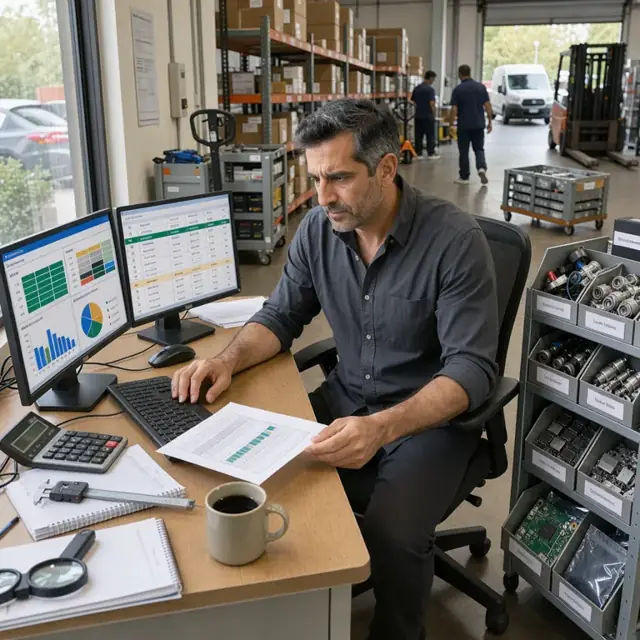
Component Procurement Specialist
Monitor inventory levels, draft purchase orders for long-lead components and track supplier performance.
Works in: Ambitious Sheets, Ambitious Tasks, Email Buckets · Workflows: Supplier and purchase order management
Automates
- Calculates reorder quantities against forecast and lead times
- Drafts purchase orders for approval
- Tracks incoming shipments and inspection results
- Maintains supplier performance metrics
Stops for a person
- Purchasing manager approves and sends all purchase orders
- Engineering approves any alternate sourcing decisions
Workflows
Customer order and configuration review
Starts when: A new sales order arrives from distributor, OEM or direct customer
- Parse order for model, voltage, protocol, sensor options and quantity
- Validate configuration against approved combinations in the product matrix
- Flag any non-standard requests for engineering review
- Confirm lead time against current component availability
- Create a production-ready order task with final BOM revision
Watch for: Configurations must match listed part numbers to prevent field failures; OEM private-label orders require artwork and label approval cycles
Production scheduling and capacity planning
Starts when: Weekly on Monday and after any engineering change
- Aggregate open orders and forecast into a master schedule
- Check component availability and long-lead items
- Assign production lines and shifts for PCB assembly, final assembly and test
- Balance seasonal HVAC demand against current capacity
- Generate work orders with revision-controlled travelers
Watch for: Surface-mount and through-hole lines have different constraints; Calibration and functional test stations are shared bottlenecks
Component kitting and inventory pull
Starts when: One day before each production run
- Explode the BOM for each scheduled work order
- Reserve and pull components from stock or consignment
- Flag shortages and trigger reorder points for critical parts
- Print kit lists and barcode labels for each assembly station
- Update inventory locations after kitting
Watch for: Moisture-sensitive devices require dry-box handling and bake-out tracking; Electrostatic-sensitive components need grounded workstations
Assembly, test and calibration
Starts when: Start of each production shift
- Generate station-specific assembly instructions from current revision
- Record serial numbers at each stage of build
- Run automated functional test sequences and calibration routines
- Capture test data and firmware version flashed to each unit
- Quarantine failures and route to rework or scrap
Watch for: Each thermostat must be calibrated against reference standards; Test data must be retained for traceability audits
Quality assurance, labeling and release
Starts when: After each production batch completes testing
- Run final visual and functional checklist against requirements
- Apply UL, FCC, CE and efficiency labels with correct revision
- Generate certificate of conformance and calibration certificates
- Move accepted units to finished goods and update traceability records
- Notify shipping when release is complete
Watch for: Agency markings must match the exact model and revision; Any deviation requires engineering sign-off before release
Engineering change order processing
Starts when: When an ECO is approved by engineering
- Identify all affected BOMs, drawings and test procedures
- Determine impact on work-in-process and finished goods
- Create new revision numbers and update controlled documents
- Notify purchasing of component changes
- Schedule cut-in date for the new revision
Watch for: Changes must be synchronized across firmware, hardware and documentation; Obsolete inventory must be dispositioned before new revision ships
Supplier and purchase order management
Starts when: Weekly and when inventory drops below reorder point
- Review current on-hand and on-order quantities against forecast
- Draft purchase orders for components with long lead times
- Track incoming shipments and incoming inspection results
- Update supplier scorecards based on on-time and quality performance
- Maintain approved vendor list and alternate sourcing options
Watch for: Semiconductor and sensor lead times can exceed 26 weeks; Counterfeit parts must be prevented through authorized channels
Regulatory permit, license and inspection paperwork
Starts when: Before each shipment batch and on fixed renewal dates
- Generate pre-shipment checklist for labeling, traceability and certificate requirements
- Log calibration and test records for the batch
- Track renewal dates for UL listings, FCC filings, import licenses and state manufacturing permits
- Prepare documents for scheduled agency inspections or audits
- Flag any upcoming expiration that affects production release
Watch for: Rules differ by product category, destination country and agency; Only the compliance lead confirms which filings and permits apply
Bot templates for this industry
Source: U.S. Small Business Administration, Office of Size Standards, Table of Small Business Size Standards Matched to North American Industry Classification System Codes, version March 2023 (effective 2023-03-17, NAICS 2022). Size standards are shown for reference only.