

Commercial, Industrial, and Institutional Electric Lighting Fixture Manufacturing
Manufacturers of commercial, industrial and institutional electric lighting fixtures take customer specifications for custom fixtures or standard catalog items, procure components, assemble in batches or to order, test for safety and performance, and ship with required markings. For a shop that builds recessed troffers, high-bay industrials, and architectural wall sconces, the specialists turn incoming specs into verified orders, orders into a build schedule and bill of materials, the schedule into purchasing and production runs, and finished goods into inspected, labeled, and routed shipments. Fixture designs, photometric data, listings and assembly instructions stay with the engineering and production team.
What makes this business different
- Custom fixture specifications that include exact dimensions, LED wattage, color temperature, lens type, mounting method, finish and emergency battery backup options
- Regulatory requirements for safety listings and performance markings that must be tracked per configuration
- Batch assembly of standard SKUs alongside made-to-order runs sharing the same assembly lines
- Long-lead components such as specialized drivers, housings and diffusers that require accurate forecasting
- In-house dielectric, ground-continuity and functional burn-in testing before shipment
- Labeling with model number, serial, electrical ratings, country of origin and safety markings on every fixture
- Job-specific cut sheets, installation instructions and packing lists that accompany each order
- Repeat commercial contractors who reorder project-phase quantities on a construction schedule
Specialist bots
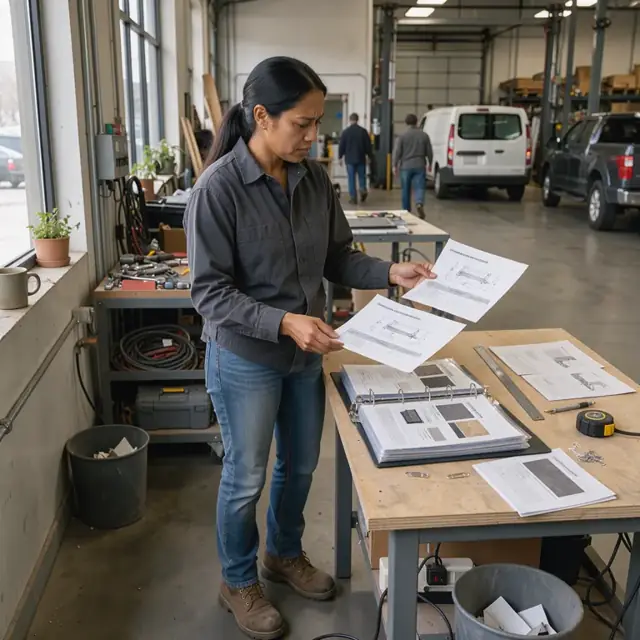
Order Verifier
Convert incoming purchase orders and specifications into verified production-ready job records.
Works in: Ambitious Tasks, Ambitious Docs, Contract Analyzer · Workflows: Order verification and specification review
Automates
- Reads order documents and extracts fixture types, quantities and all options
- Compares specifications against catalog and approved configurations
- Flags non-standard requests for review
- Creates the master job task and folder
- Drafts order confirmation
Stops for a person
- Engineering approves any non-catalog configurations
- A person reviews and sends all confirmations and change orders

Production Scheduler
Build and maintain the master production schedule that balances customer due dates with shop capacity.
Works in: Ambitious Tasks, Ambitious Sheets · Workflows: Production scheduling and capacity planning
Automates
- Loads orders into the schedule by required ship date
- Groups similar products to reduce changeovers
- Highlights long-lead items and capacity conflicts
- Balances workload across stations
- Identifies bottlenecks using process data
Stops for a person
- The production manager adjusts the final schedule
- Expedites are approved only by the owner
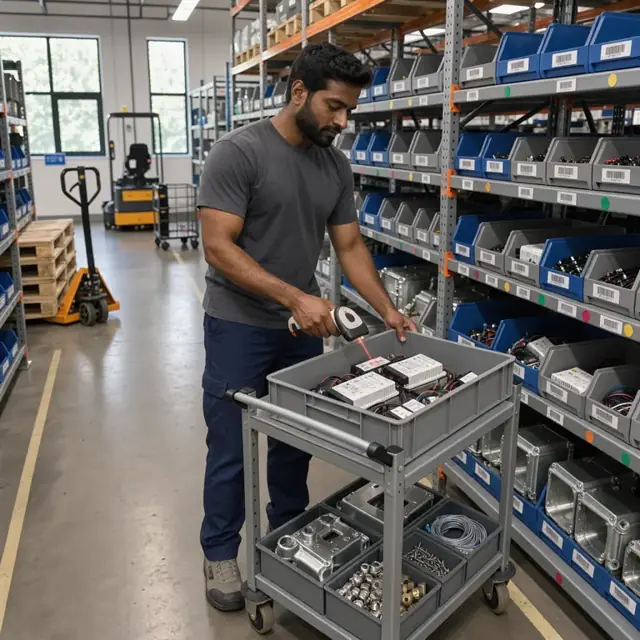
Materials Planner
Generate accurate bills of materials and purchasing lists while maintaining component inventory.
Works in: Ambitious Sheets, Ambitious Tasks, Ambitious Docs · Workflows: Bill of materials creation and component purchasing
Automates
- Explodes each order into component requirements
- Subtracts current stock levels
- Creates purchase requisitions by supplier
- Tracks lead times and flags potential delays
- Maintains minimum stock for common parts
Stops for a person
- The owner approves and places all purchase orders
- Engineering must approve any component substitutions

Quality and Test Coordinator
Ensure every fixture is assembled correctly, passes all required tests and receives proper labeling.
Works in: Ambitious Tasks, Ambitious Docs, Ambitious Sheets · Workflows: Assembly and quality testing
Automates
- Releases work orders with current instructions
- Logs test results for dielectric and functional checks
- Generates serial numbers and applies label data
- Creates the quality test record for each batch
Stops for a person
- A certified technician performs and signs off on all safety tests
- The production lead reviews failed units and disposition

Submittal and Documentation Coordinator
Assemble complete submittal packages, cut sheets and listings for each customer order.
Works in: Ambitious Docs, Ambitious Tasks, Contract Analyzer · Workflows: Submittal and documentation package preparation
Automates
- Compiles photometric reports, listings and instructions
- Customizes packages with project information
- Drafts transmittal letters
- Organizes approved submittals in the job folder
Stops for a person
- Engineering reviews all technical data before release
- The owner approves any submittal sent to the customer
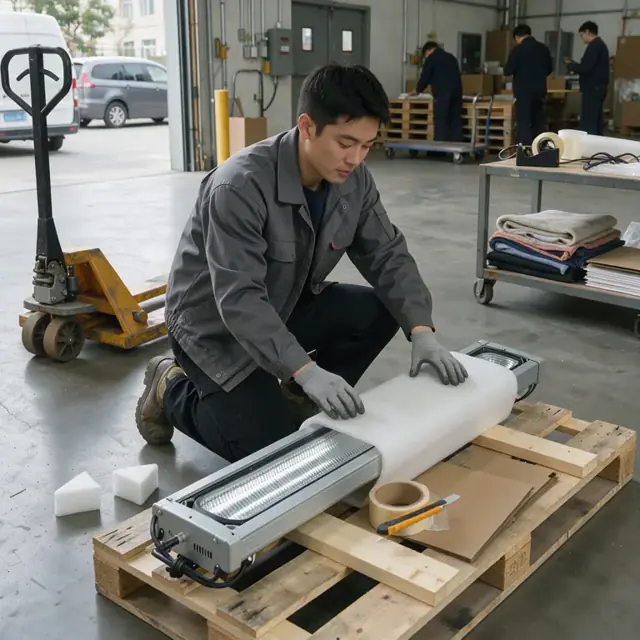
Shipping and Logistics Coordinator
Prepare packed fixtures for shipment, create all shipping documents and notify customers.
Works in: Ambitious Tasks, Ambitious Docs, Ambitious Sheets · Workflows: Shipping, labeling and logistics
Automates
- Generates packing lists and bills of lading
- Creates carrier labels and pallet manifests
- Schedules pickups based on customer requirements
- Sends shipment notifications with tracking
- Records all outbound shipment details
Stops for a person
- A person verifies packing and labeling before crates leave the dock
- The owner approves any special freight arrangements

Compliance and Certification Clerk
Track all safety listings, regulatory documentation and test records for every fixture configuration.
Works in: Ambitious Tasks, Ambitious Docs, Ambitious Sheets · Workflows: Regulatory compliance and certification tracking
Automates
- Checks orders against active listing files
- Tracks renewal dates for certifications
- Maintains test and material records
- Flags any configuration that requires updated documentation
Stops for a person
- The owner confirms which certifications apply to each product family
- People confirm requirements with testing laboratories and authorities
- The bot never certifies compliance
Workflows
Order verification and specification review
Starts when: A new customer purchase order, spec sheet or quote acceptance arrives
- Extract all fixture types, quantities, custom options, voltage, finish and accessories from the order
- Compare requested specifications against approved product configurations and available options
- Flag any non-standard requests for engineering review
- Confirm delivery date or project schedule against current production capacity
- Create a job folder with all customer documents and a master build task
Watch for: Exact matching of light distribution and performance requirements; Special finishes or custom colors must be confirmed with supplier capability before acceptance
Production scheduling and capacity planning
Starts when: After order verification or on a weekly cadence
- Load confirmed orders into the master schedule by required ship date
- Group similar fixtures for batch assembly to minimize changeover
- Identify long-lead components and pull them forward in the schedule
- Balance workload across assembly stations and test benches
- Use the construction scheduler to flag potential bottlenecks in assembly or testing
Watch for: Shared assembly lines for standard and custom products; Test equipment availability limits daily throughput
Bill of materials creation and component purchasing
Starts when: After production schedule is set and weekly for forecast
- Explode each fixture order into a detailed bill of materials using approved parts lists
- Subtract current inventory from the total requirement
- Generate purchase requisitions for drivers, housings, LEDs, lenses and hardware
- Track supplier lead times and flag any items that will delay the ship date
- Maintain minimum stock levels for common fasteners and wiring components
Watch for: Certain LED drivers and specialty reflectors have long lead times; Approved vendor lists must be respected for listed configurations
Assembly and quality testing
Starts when: When components and schedule reach the production floor
- Release work orders with assembly instructions, wiring diagrams and torque specifications
- Track progress through cutting, punching, powder coating, wiring and final assembly stations
- Perform dielectric, ground continuity and functional lighting tests on each unit
- Record test results and serial numbers in the quality log
- Apply all required safety labels, barcodes and certification marks
Watch for: Each fixture must pass dielectric and functional burn-in testing; Custom configurations require additional verification steps
Submittal and documentation package preparation
Starts when: After successful testing or on customer request
- Compile cut sheets, photometric reports, listings, installation instructions and warranty documents
- Customize submittal package with project name, submitted quantities and approved equals
- Draft transmittal letter for contractor or engineer approval
- Store final approved submittals with the job record
- Prepare packing lists that match the submittal quantities
Watch for: Large projects require multiple phased submittals tied to construction schedule; Electronic submittals must match exact customer naming conventions
Shipping, labeling and logistics
Starts when: When fixtures pass final inspection and documentation is approved
- Pack fixtures with protective corner guards and foam inserts matched to size
- Generate pallet manifests, bills of lading and any required export documents
- Create carrier-specific labels and schedule pickup or drop-off
- Send shipment notification with tracking information to the customer
- Record carrier, pro number and any damage notes
Watch for: Large industrial fixtures often ship on dedicated skids or crates; Sensitive components require specific packaging
Regulatory compliance and certification tracking
Starts when: At order entry, production close and on annual renewal dates
- Verify that each fixture configuration matches an active listing file
- Track performance and regulatory documentation per product family
- Generate and maintain material records for paints and coatings used
- Flag upcoming renewal or retest dates
- Keep assembly and test procedures current with latest standards
Watch for: The owner must confirm which listings apply to each fixture type; Changes in components often require updated documentation
Bot templates for this industry
Source: U.S. Small Business Administration, Office of Size Standards, Table of Small Business Size Standards Matched to North American Industry Classification System Codes, version March 2023 (effective 2023-03-17, NAICS 2022). Size standards are shown for reference only.