

Small Electrical Appliance Manufacturing
Small electrical appliance manufacturers design, assemble and test countertop and handheld devices such as toasters, blenders, coffee makers, irons and food processors. The specialists turn customer and distributor orders into production schedules, bills of materials and procurement lists, track component inventory and subassemblies, manage assembly-line stations and quality-test protocols, generate packing and shipping documents, and maintain safety-certification and warranty records. Engineers and production leads keep final authority on design changes, test results and regulatory filings.
What makes this business different
- Component sourcing with long lead times for motors, heating elements, circuit boards and plastic housings
- Bill-of-materials explosion from finished-good models to every screw, cord and label
- Assembly stations that must follow precise torque, alignment and electrical-test sequences
- Safety and EMC testing records for each batch or model
- Seasonal demand spikes for holiday gift items and back-to-school appliances
- Warranty claim tracking and spare-parts inventory for each model year
- Distributor and retailer purchase orders that require specific labeling, UPCs and pallet configurations
- Scrap, rework and yield tracking at each assembly and test station
Specialist bots
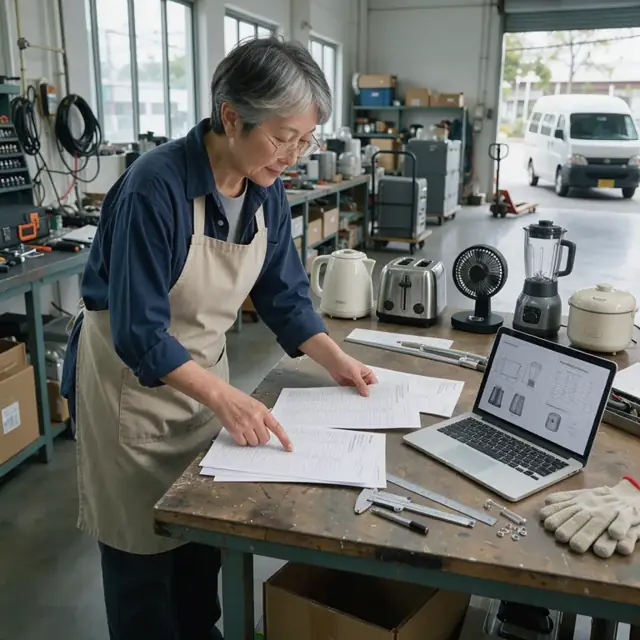
Order Validator
Convert incoming purchase orders into validated production orders with correct specifications.
Works in: Ambitious Tasks, Ambitious Docs, Contract Analyzer · Workflows: Order intake and order validation
Automates
- Reads distributor and retailer purchase orders
- Extracts model numbers, quantities and special instructions
- Checks availability against current schedule
- Drafts order acknowledgments
- Creates production order tasks
Stops for a person
- Production manager approves schedule impact and pricing exceptions
- Engineering confirms any custom configurations
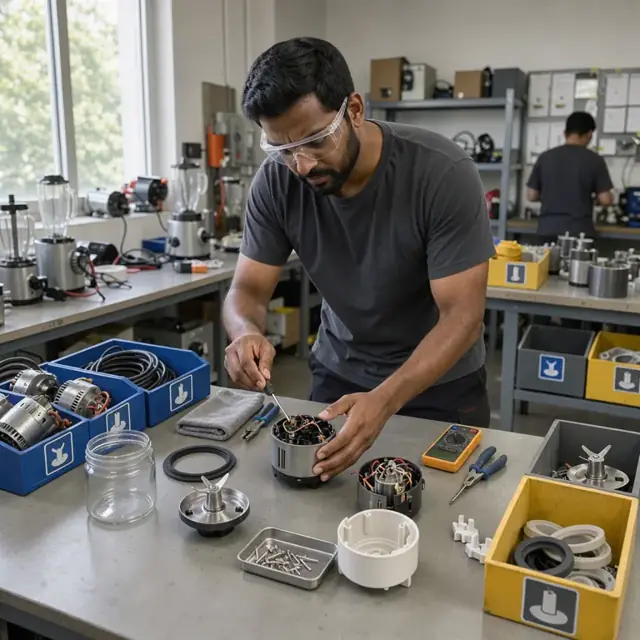
Bill of Materials Engineer
Maintain accurate bills of materials and generate net component requirements for every production order.
Works in: Ambitious Sheets, Ambitious Docs, Ambitious Tasks · Workflows: Bill of materials and procurement planning
Automates
- Explodes models into component lists
- Calculates net requirements after inventory deduction
- Groups requisitions by supplier lead time
- Flags engineering change impacts
Stops for a person
- Engineers approve any BOM revisions or substitutions
- Purchasing manager releases and spends on purchase orders
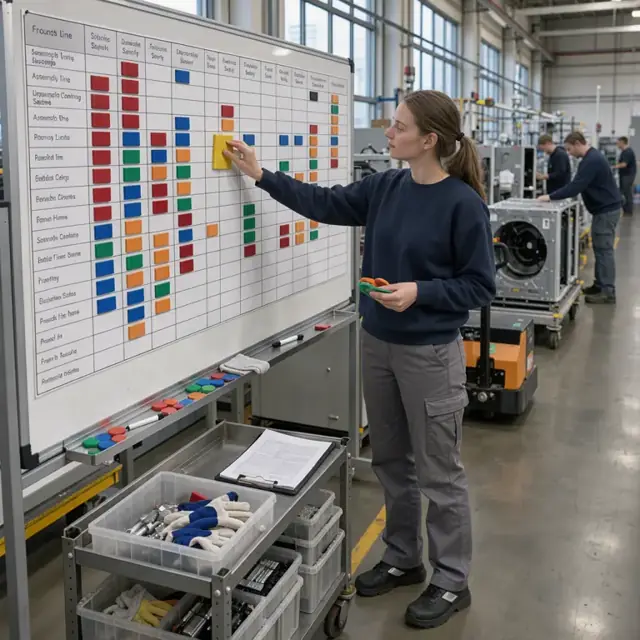
Production Scheduler
Create balanced weekly production schedules and station assignments that respect capacity and due dates.
Works in: Process Optimizer, Ambitious Sheets · Workflows: Production scheduling and line balancing
Automates
- Loads orders into master schedule
- Balances labor and test equipment across stations
- Calculates takt times and flags bottlenecks
- Suggests optimal sequence to minimize changeovers
Stops for a person
- Production lead approves final schedule and any overtime
- Engineering signs off on line setup for new models
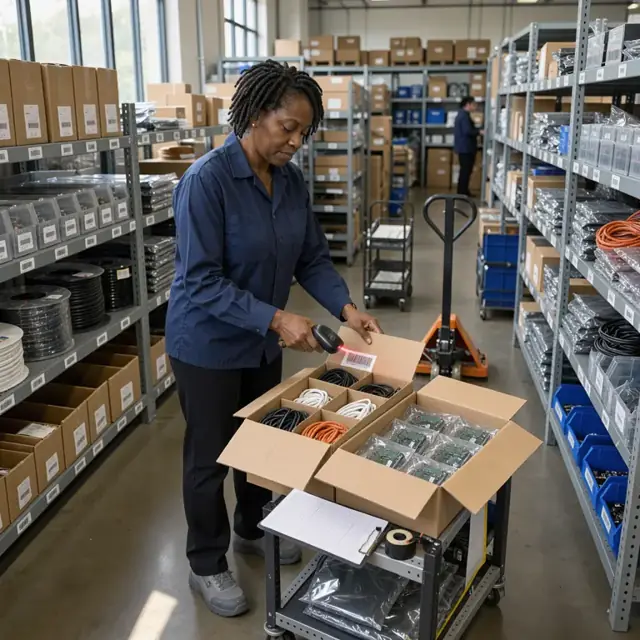
Inventory Coordinator
Track component receipts, issues, cycle counts and scrap while maintaining accurate stock levels.
Works in: Ambitious Sheets, Ambitious Tasks, Ambitious Docs · Workflows: Component and subassembly inventory
Automates
- Records incoming shipments against orders
- Issues parts to production via pick lists
- Runs cycle count schedules
- Calculates reorder points and flags low stock
Stops for a person
- Warehouse lead verifies high-value receipts
- Quality manager approves any reworked or returned components

Quality and Test Technician
Generate test checklists, record results and compile safety data for each production batch.
Works in: Ambitious Tasks, Ambitious Docs, Ambitious Sheets · Workflows: Assembly quality and safety testing
Automates
- Creates model-specific test sequences
- Logs electrical, mechanical and leakage test results
- Calculates first-pass yield by station
- Compiles data packages for certification
Stops for a person
- Quality engineer reviews and signs off on all test reports
- Production lead decides disposition of failed units

Packaging and Shipping Coordinator
Prepare accurate packing lists, labels, pallet configurations and shipping documents for each order.
Works in: Ambitious Tasks, Ambitious Docs, Ambitious Sheets · Workflows: Packaging, labeling and shipment preparation
Automates
- Generates serial numbers and regulatory labels
- Determines carton and pallet layouts
- Creates shipping documents
- Closes production orders after final count
Stops for a person
- Shipping lead verifies counts, weights and hazardous material declarations
- Sales approves any special customer instructions
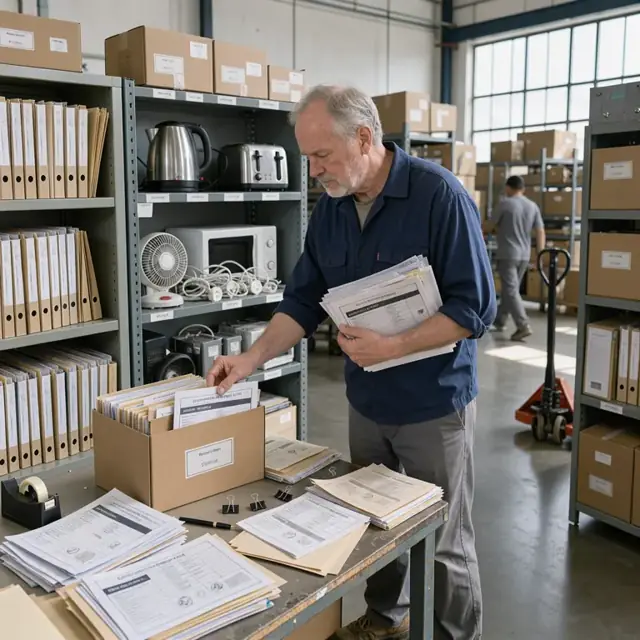
Certification and Compliance Clerk
Maintain safety certification files, track agency renewal dates and prepare warranty and regulatory documentation.
Works in: Ambitious Docs, Ambitious Sheets, Ambitious Tasks · Workflows: Certification, warranty and documentation
Automates
- Organizes test data by model and batch
- Alerts before filing or certification expirations
- Generates warranty cards and instruction inserts
- Tracks return and incident logs
Stops for a person
- Engineering and regulatory manager confirm all agency submissions
- Owner approves any corrective action reports
Workflows
Order intake and order validation
Starts when: Receipt of purchase order from distributor, retailer or direct customer
- Parse order for model numbers, quantities, custom colors or accessories
- Check against current production schedule and component availability
- Confirm pricing, lead time and special labeling requirements
- Create production order task with all specifications
- Draft order acknowledgment for approval
Watch for: Private-label orders require exact branding files and UPC assignment; Minimum order quantities and ship dates must be respected
Bill of materials and procurement planning
Starts when: New or updated production order
- Explode finished-good model into every component and subassembly
- Subtract current inventory and open purchase orders
- Generate net requirements by supplier and lead time
- Draft purchase requisitions grouped by supplier
- Flag any components nearing obsolescence or end-of-life
Watch for: Certain electronic components have long and variable lead times; Engineering changes must be reflected in all open and future builds
Production scheduling and line balancing
Starts when: Weekly and when new orders are confirmed
- Load confirmed orders into master schedule by model and due date
- Balance assembly stations for motors, wiring, housing and final test
- Use the construction scheduler to sequence builds around shared test equipment
- Calculate daily output targets and labor requirements
- Flag any station that would exceed takt time
Watch for: Shared test fixtures limit how many lines can run simultaneously; Changeovers between models require cleaning and fixture swaps
Component and subassembly inventory
Starts when: Daily receiving, issuance and cycle count
- Record incoming components against purchase orders
- Issue parts to production orders using pick lists
- Perform cycle counts on high-value or problem items
- Track scrap and rework quantities by station
- Reorder at calculated min/max levels
Watch for: Static-sensitive parts require special handling and storage; Date-sensitive adhesives and plastics must be used in FIFO order
Assembly quality and safety testing
Starts when: Completion of each assembly batch
- Generate station-specific checklists for torque, continuity and dielectric tests
- Record test results for each unit or sample
- Flag failures and route to rework station
- Compile batch test report for safety certification
- Update yield and first-pass metrics
Watch for: Each model has unique test voltages, leakage limits and grounding checks; Test equipment must be calibrated on a schedule
Packaging, labeling and shipment preparation
Starts when: Completion of quality testing
- Generate packing list, serial numbers and regulatory labels
- Create pallet or carton configurations for each destination
- Draft shipping documents and carrier labels
- Record final counts and weights
- Close production order and update inventory
Watch for: Retail customers require specific hang tags, UPCs and bilingual instructions; Hazardous-materials declarations for lithium batteries or heating elements
Certification, warranty and documentation
Starts when: End of each production run and on renewal dates
- Compile test data and material certificates for each model
- Track expiration dates for UL, CE, FCC and RoHS filings
- Generate warranty cards and instruction manuals for each unit
- Log any field returns or safety incidents
- Draft renewal paperwork for agency approvals
Watch for: Regulatory requirements differ by destination country; All records must be kept for the retention period required by each agency
Bot templates for this industry
Source: U.S. Small Business Administration, Office of Size Standards, Table of Small Business Size Standards Matched to North American Industry Classification System Codes, version March 2023 (effective 2023-03-17, NAICS 2022). Size standards are shown for reference only.