

Major Household Appliance Manufacturing
Major household appliance manufacturers design, assemble and test refrigerators, washers, dryers, ranges, ovens and dishwashers. For a plant that assembles modular appliances from sourced components on weekly production runs, the specialists turn sales forecasts and standing orders into a master build schedule, convert the schedule into component orders and material pulls, track work-in-process and quality checkpoints, and prepare units for shipment while maintaining regulatory and safety documentation. Engineering changes, safety listings, energy labels and serial traceability stay with the engineering and quality teams.
What makes this business different
- Forecast-driven production with mix of make-to-stock and make-to-order appliances
- Complex bills of materials with hundreds of sourced parts per model
- Serialized tracking of every finished unit for warranty, recall and regulatory requirements
- Multiple assembly lines running concurrently with changeovers between models
- Quality inspections and electrical safety tests at specific stations
- Component inventory managed by kanban and MRP with supplier lead times
- Energy efficiency labels, safety certifications and packaging requirements that differ by destination market
- Engineering change orders that must be phased into running production without scrap
Specialist bots

Demand Planner
Convert forecasts and orders into a feasible master production schedule across assembly lines.
Works in: Ambitious Sheets, Process Optimizer, Ambitious Tasks · Workflows: Demand forecasting and master scheduling
Automates
- Aggregates forecast and order data
- Balances load across lines and weeks
- Flags capacity or material constraints
- Generates the published master schedule
Stops for a person
- Production manager approves the final master schedule
- Engineering confirms cut-in dates for pending changes

Procurement Coordinator
Turn the master schedule into accurate component purchase orders and kanban signals.
Works in: Ambitious Sheets, Ambitious Tasks, Ambitious Docs · Workflows: Component purchasing and inbound logistics
Automates
- Explodes bills of materials
- Calculates net requirements
- Drafts purchase orders by supplier
- Generates kanban pull cards for stockroom
Stops for a person
- Purchasing manager approves and sends all purchase orders
- Quality team reviews incoming material specifications
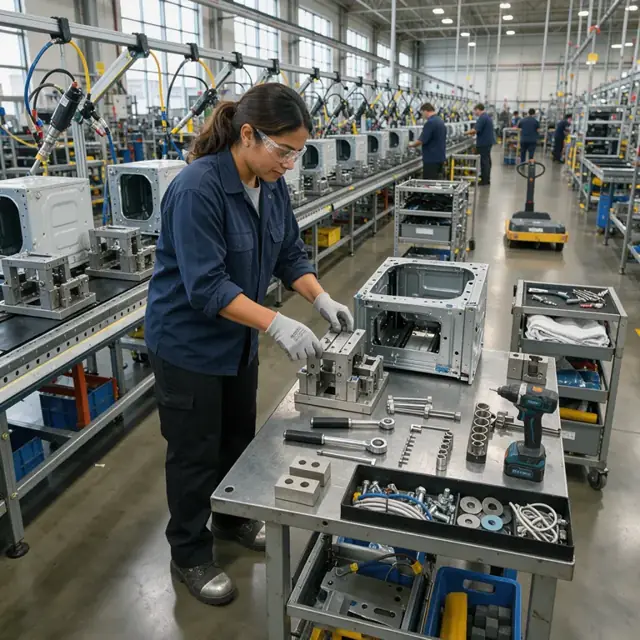
Line Scheduler
Create daily line assignments, changeover plans and work orders with serial ranges.
Works in: Process Optimizer, Ambitious Tasks, Ambitious Docs · Workflows: Line scheduling and changeover planning
Automates
- Sequences models to reduce changeover time
- Calculates required tooling and instructions
- Issues work orders with serial blocks
- Updates station instructions for engineering changes
Stops for a person
- Shift supervisor confirms line readiness before start
- Engineering signs off on updated work instructions
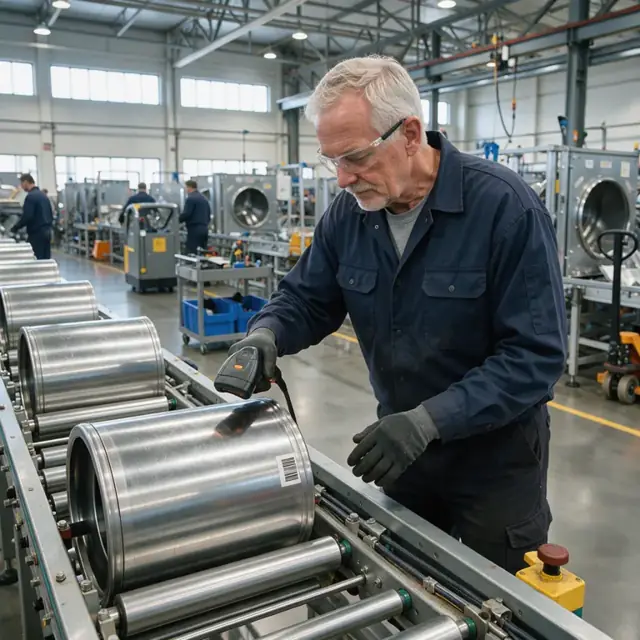
Production Tracker
Monitor work-in-process, record station completions and manage rework routing.
Works in: Ambitious Tasks, Ambitious Sheets, Process Optimizer · Workflows: Production execution and WIP tracking
Automates
- Creates and updates work order status
- Logs test results by serial number
- Routes failed units to rework stations
- Closes completed orders and updates inventory
Stops for a person
- Quality technician verifies test results
- Floor lead reviews and approves rework dispositions

Quality Documenter
Maintain inspection checklists, test records and certification documentation for each production run.
Works in: Ambitious Docs, Ambitious Sheets, Ambitious Tasks · Workflows: Quality inspection and certification
Automates
- Generates station-specific checklists
- Compiles test data by serial range
- Prepares energy labels and certification packets
- Tracks calibration and audit due dates
Stops for a person
- Quality manager reviews and signs all final test reports
- Engineering confirms regulatory label content

Shipping Coordinator
Prepare finished appliances for shipment with correct packaging, manifests and carrier instructions.
Works in: Ambitious Tasks, Ambitious Docs, Ambitious Sheets · Workflows: Finished goods packaging and dispatch
Automates
- Groups units by destination
- Generates bills of lading and serial manifests
- Drafts carrier pickup requests
- Updates inventory upon release
Stops for a person
- Warehouse lead verifies packaging and bracing
- Logistics manager approves all carrier documents
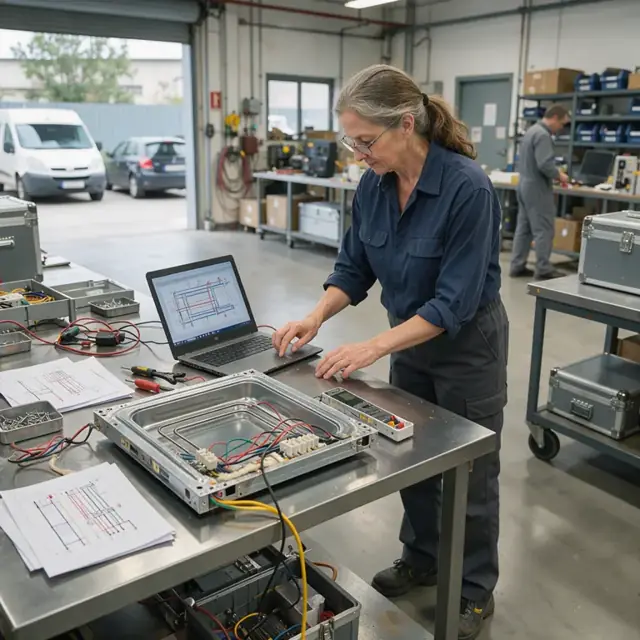
Engineering Change Implementer
Translate approved engineering change orders into updated schedules, instructions and inventory adjustments.
Works in: Ambitious Docs, Ambitious Sheets, Process Optimizer · Workflows: Engineering change order implementation
Automates
- Identifies impacted bills of materials
- Calculates cut-in dates and scrap exposure
- Updates digital work instructions
- Notifies all affected workflows
Stops for a person
- Engineering manager approves the implementation plan
- Quality confirms any required re-testing or re-listing
Workflows
Demand forecasting and master scheduling
Starts when: Monthly sales forecast update and weekly order intake
- Combine forecast, standing orders and historical data into a 13-week projection
- Balance production across lines against available capacity and changeover times
- Generate the master build schedule by model and quantity
- Flag any models affected by pending engineering changes
- Publish the schedule for purchasing and production teams
Watch for: Seasonal spikes for laundry and refrigeration lines in spring and fall; Changeover times between models must be minimized
Component purchasing and inbound logistics
Starts when: After master schedule is published and on kanban triggers
- Explode the master schedule through the bill of materials
- Subtract on-hand and on-order inventory
- Draft purchase orders by supplier and lead time
- Create kanban pull signals for high-volume parts
- Track inbound shipments and receiving inspections
Watch for: Long-lead electronics and compressors must be ordered months ahead; Supplier quality and on-time delivery directly affect line uptime
Line scheduling and changeover planning
Starts when: Weekly and before each shift
- Assign specific models to each assembly line for the next run
- Calculate required changeover kits and tooling
- Sequence runs to minimize color and component swaps
- Release work orders with serial number ranges
- Update digital work instructions for any engineering changes
Watch for: Lines cannot run without updated safety and test procedures; Serial numbers must be issued in blocks before assembly begins
Production execution and WIP tracking
Starts when: Start of each shift
- Pull components from stores according to the work order
- Record station completions and quality test results
- Track units through assembly, testing and packing
- Flag any units that fail electrical or leak tests for rework
- Close completed work orders and update inventory
Watch for: Every unit must pass hi-pot, ground-bond and functional tests; Reworked units require separate serial tracking
Quality inspection and certification
Starts when: End of each production run and on audit schedule
- Generate daily inspection checklists for each station
- Record test results against each serial number
- Prepare energy guide labels and safety certification packets
- Maintain compliance documentation for listings and labels
- Flag lots for final audit before release to shipping
Watch for: Test equipment calibration records must be current; Label content is dictated by federal energy and safety standards
Finished goods packaging and dispatch
Starts when: After quality release and on customer ship dates
- Group finished units by destination and carrier
- Apply model-specific packaging and bracing materials
- Generate packing lists, bills of lading and serial manifests
- Draft carrier notifications and proof-of-delivery requirements
- Update finished goods inventory and trigger replenishment
Watch for: Appliances require specialized crating for export; Damage in transit must be traceable to specific serial numbers
Engineering change order implementation
Starts when: When an approved ECO is received
- Identify all affected bills of materials and work-in-process
- Determine cut-in date and required inventory adjustments
- Update digital work instructions and test procedures
- Notify purchasing of new component requirements
- Track units built before and after the change for warranty purposes
Watch for: Changes must not create orphan parts or safety risks; Regulatory re-listing may be required for certain changes
Bot templates for this industry
Source: U.S. Small Business Administration, Office of Size Standards, Table of Small Business Size Standards Matched to North American Industry Classification System Codes, version March 2023 (effective 2023-03-17, NAICS 2022). Size standards are shown for reference only.