

Power, Distribution and Specialty Transformer Manufacturing
Manufacturers of power, distribution and specialty transformers design to customer specifications, procure materials, wind coils, assemble cores, test units and ship finished transformers. For a shop that builds custom pad-mount, dry-type and control transformers on order, the specialists turn customer specs into engineering drawings and bills of materials, drawings into winding and assembly schedules, material needs into purchase orders, and finished units through quality tests before shipment. Core engineering tolerances, high-voltage testing and certifications stay with the engineering and test leads.
What makes this business different
- Custom specifications for voltage, kVA, impedance, frequency, insulation class, cooling type and enclosure that must match customer drawings exactly
- Long-lead-time raw materials such as electrical steel, copper magnet wire, bushings and insulation that are ordered per project
- Coil winding, core stacking, vacuum drying and oil filling or resin casting sequences with strict process controls
- High-voltage hipot, turns-ratio, insulation-resistance and partial-discharge testing with documented results
- Certification labels and test reports that must be compiled per unit
- Shop floor scheduling around winding machines, ovens, cranes and test bays that have limited capacity
- Traceability of serial numbers, heat numbers and batch records for materials used in each transformer
- Project-specific permits, inspections and customer witness points that require signed approvals
Specialist bots

Order Specification Reviewer
Convert customer purchase orders and drawings into structured project requirements and preliminary bills of materials.
Works in: Ambitious Docs, Contract Analyzer, Ambitious Tasks · Workflows: Customer order and specification review
Automates
- Extracts voltage, kVA, impedance and enclosure data from customer files
- Compares requirements to standard designs and flags exceptions
- Builds initial BOM and cost estimate draft
- Creates project task list and folder structure
Stops for a person
- Engineering lead reviews and approves all flagged exceptions
- A person sends the order acknowledgment and schedule confirmation
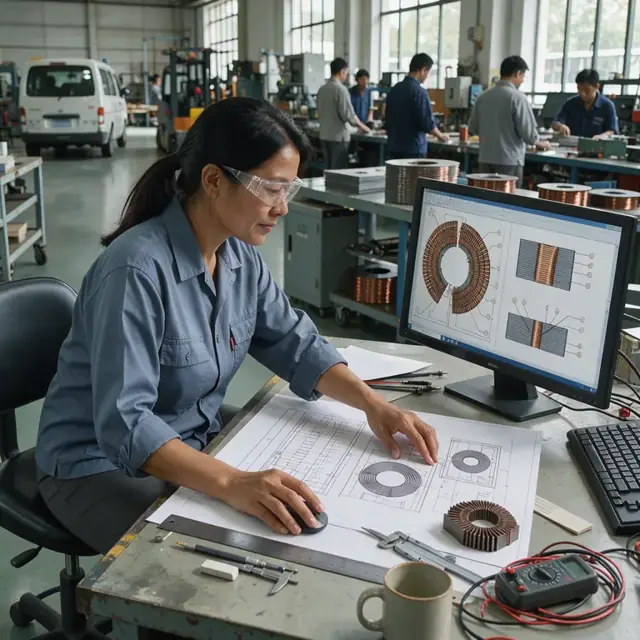
Transformer Design Engineer
Produce detailed winding, core and tank drawings plus calculated bills of materials for manufacturing.
Works in: Ambitious Docs, Ambitious Sheets, Process Optimizer · Workflows: Engineering design and drawing release
Automates
- Calculates turns, wire size, core area and losses
- Generates layer-by-layer winding diagrams
- Creates BOM with approved vendor part numbers
- Runs design verification checks for temperature and impedance
Stops for a person
- Licensed engineer reviews and stamps all drawings before release
- Any post-release changes are approved through formal revision process
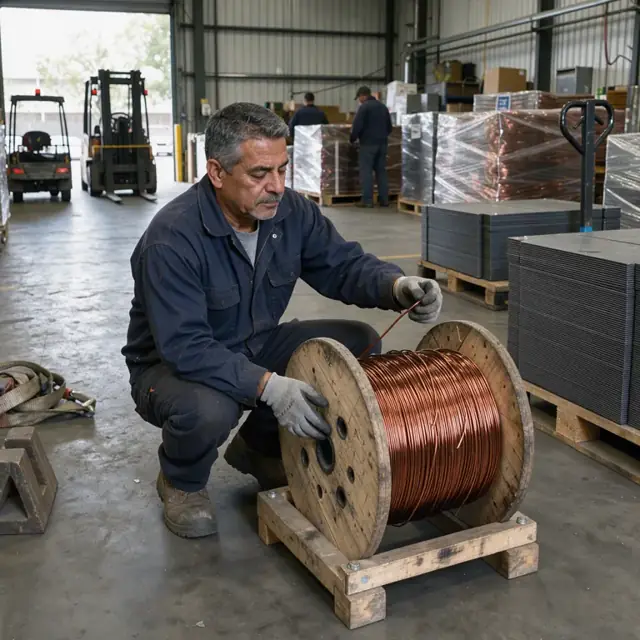
Materials and Procurement Coordinator
Generate purchase requisitions from BOMs, track long-lead items and maintain material traceability records.
Works in: Ambitious Sheets, Ambitious Tasks, Ambitious Docs · Workflows: Material purchasing and receiving
Automates
- Explodes BOM into vendor-specific purchase lists
- Tracks lead times and receipt of copper wire, core steel and bushings
- Logs heat numbers and material certifications against serial numbers
- Alerts on upcoming shortages
Stops for a person
- Purchasing manager approves and places all purchase orders
- Receiving personnel physically inspect and accept incoming materials
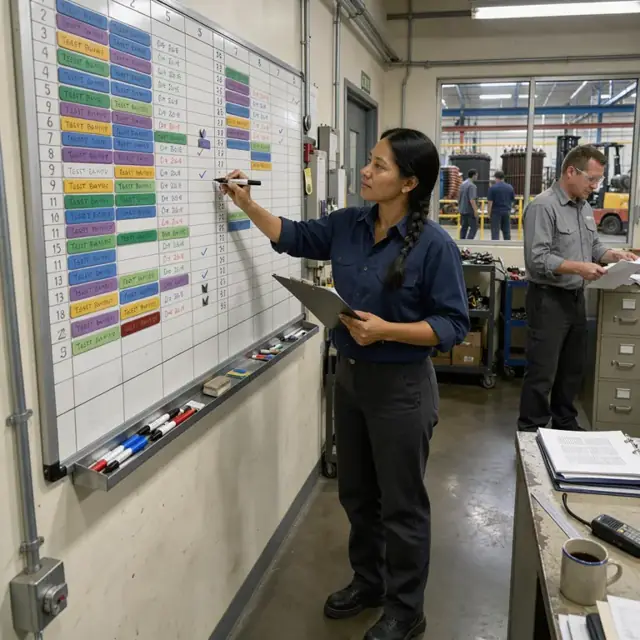
Production Scheduler
Build and maintain the master shop schedule that sequences winding, assembly and testing around limited equipment capacity.
Works in: Ambitious Sheets, Ambitious Tasks · Workflows: Production scheduling and capacity planning
Automates
- Loads new projects into the master schedule
- Assigns winding machines, ovens and test bays
- Balances workload and highlights critical path delays
- Generates weekly shop floor schedule
Stops for a person
- Production manager reviews and adjusts the weekly schedule
- Foremen confirm actual start and completion dates
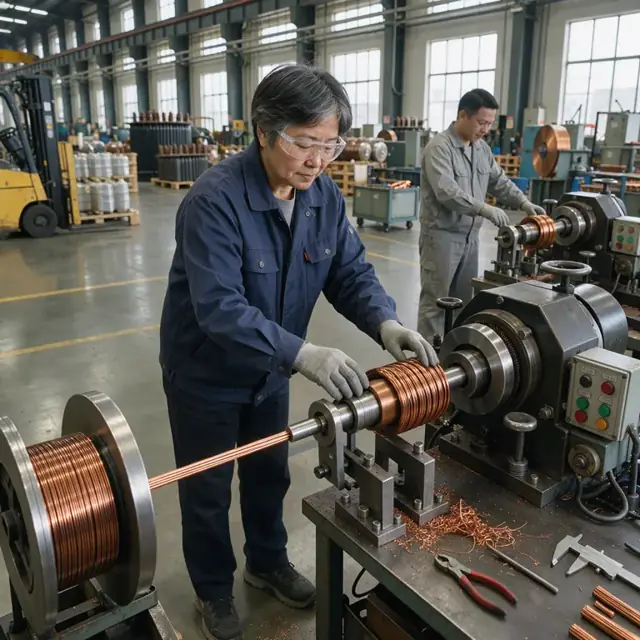
Coil Winding Specialist
Convert released winding drawings into precisely wound, insulated and documented coils ready for core assembly.
Works in: Ambitious Tasks, Ambitious Docs, Ambitious Sheets · Workflows: Coil winding and insulation
Automates
- Pulls correct drawings and material kits
- Sets machine parameters for each coil
- Records turns count, resistance and build notes
- Tags and stages completed coils
Stops for a person
- Lead winder inspects first article of each new design
- Quality technician verifies insulation and layer counts
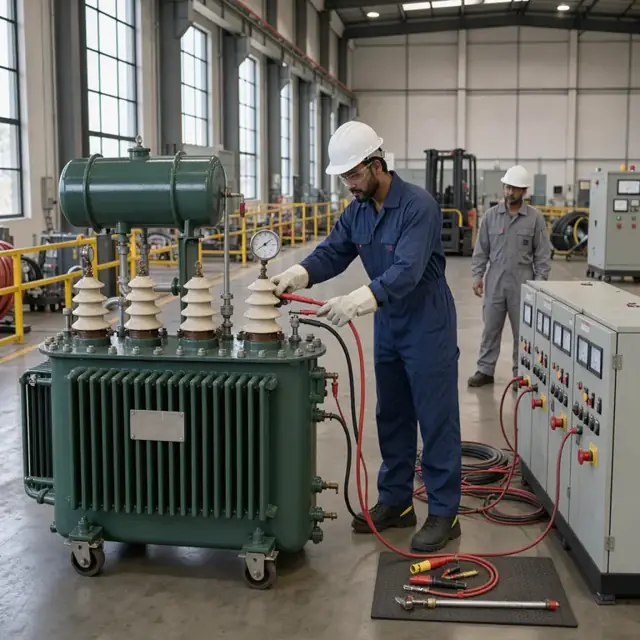
Final Test and Quality Engineer
Execute and document all factory acceptance tests and compile the complete certification data package for each transformer.
Works in: Ambitious Docs, Ambitious Sheets, Ambitious Tasks · Workflows: Core assembly, tanking and final testing, Quality assurance and certification paperwork
Automates
- Generates test sequence checklist from design parameters
- Logs hipot, ratio, impedance and temperature rise results
- Assembles material certificates and serial traceability
- Prepares customer data books and labels
Stops for a person
- Test results are reviewed and signed by the responsible engineer
- Any deviations or non-conformances are dispositioned by quality management before shipment
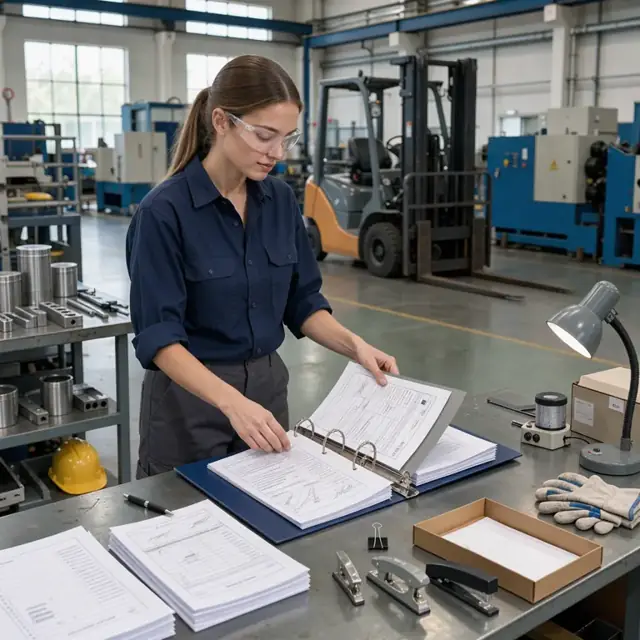
Compliance and Inspection Clerk
Track permits, inspections, witness points and compile the documentation required for certifications and shipments.
Works in: Ambitious Tasks, Ambitious Docs, Ambitious Sheets · Workflows: Permit, inspection and compliance tracking
Automates
- Identifies required permits and inspection checkpoints per project
- Generates milestone checklists
- Tracks due dates and routes documents for signature
- Maintains records of all approvals and labels
Stops for a person
- The engineering lead confirms which local rules and customer requirements apply
- Only people perform inspections, sign documents or witness tests
Workflows
Customer order and specification review
Starts when: Receipt of a customer purchase order or request for quotation with drawings and specifications
- Parse voltage, kVA, impedance, BIL, temperature rise and enclosure requirements from documents
- Compare against standard product range and flag exceptions for engineering
- Draft bill of materials and preliminary cost estimate
- Create a project folder with all customer files and a master task list
- Send acknowledgment and schedule confirmation draft
Watch for: Exact match to customer-supplied drawings is required; deviations need written approval; Specialty units may require custom lamination sizes or winding configurations
Engineering design and drawing release
Starts when: Approved order or completed specification review
- Generate detailed manufacturing drawings for windings, core, tank and accessories
- Calculate wire sizes, turns, insulation build and core cross-section
- Produce bill of materials with part numbers and approved vendors
- Run design checks for losses, temperature rise and impedance
- Release checked drawings and BOM to production
Watch for: All design calculations and drawings must be reviewed and signed by a licensed engineer before release; Changes after release require formal revision control
Material purchasing and receiving
Starts when: Design release and on a weekly cadence
- Explode the BOM into purchase requisitions by vendor and lead time
- Send requests for quotation for long-lead items such as copper magnet wire and core steel
- Track incoming materials against serial and heat numbers
- Inspect and log received coils, laminations, bushings and tanks
- Update inventory and flag shortages for the production schedule
Watch for: Electrical steel and magnet wire are purchased to project-specific grades and must be traceable; Vendor certifications for material properties are required before use
Production scheduling and capacity planning
Starts when: Weekly and upon design release
- Load new orders into the master schedule by winding, core stacking, assembly and test dates
- Assign jobs to specific winding machines, drying ovens and test bays
- Balance workload across limited crane and test-bay capacity
- Identify critical-path items and potential delays
- Publish the weekly shop schedule
Watch for: Winding machines and vacuum ovens are shared resources with finite daily throughput; High-voltage test bays can only run one unit at a time
Coil winding and insulation
Starts when: Scheduled winding date and material availability
- Pull approved drawings and wire for each coil
- Set up winding machine with correct mandrel and tension
- Wind, insulate and tag each layer per the winding specification
- Record turns count, wire gauge and resistance measurements
- Move completed coils to drying or core assembly staging
Watch for: Layer insulation, transpositions and cooling ducts must follow exact engineering instructions; Each coil is serialized and its build data recorded
Core assembly, tanking and final testing
Starts when: Coils and core materials are ready
- Stack and clamp core laminations per drawing
- Assemble coils onto core, install leads and bushings
- Perform vacuum drying or resin casting as specified
- Fill with oil or seal tank and pressure test
- Run full suite of factory acceptance tests and record results
Watch for: High-potential, induced voltage, ratio and impedance tests must be performed in sequence; All test data is attached to the unit's permanent record
Quality assurance and certification paperwork
Starts when: Completion of final tests and on shipment
- Compile test reports, material certificates and serial number traceability
- Apply certification labels where required
- Generate final data package and instruction manual
- Prepare packing list, bill of lading and export documents if needed
- Close the project file and archive records
Watch for: Test results must be reviewed and signed by the test engineer before shipment; Certain customers require witnessed tests or third-party review
Permit, inspection and compliance tracking
Starts when: Project start and at each milestone with regulatory or customer witness points
- Identify required local permits, UL listings or customer certifications for the job
- Generate checklists for in-process and final inspections
- Track due dates for inspections, witness points and label applications
- Compile and route required documentation for approvals
- Log all signed approvals and close out each checkpoint
Watch for: Rules differ by jurisdiction and customer; the engineering lead confirms which apply; Only people can sign off on inspections or witness points
Bot templates for this industry
Source: U.S. Small Business Administration, Office of Size Standards, Table of Small Business Size Standards Matched to North American Industry Classification System Codes, version March 2023 (effective 2023-03-17, NAICS 2022). Size standards are shown for reference only.