

Battery Manufacturing
Battery manufacturers produce rechargeable and primary cells in batches from raw materials through electrode coating, assembly, formation, testing and packaging. For a facility that runs weekly production campaigns for custom lithium-ion packs and standard cells, the specialists turn customer specifications into confirmed production orders, orders into a bill of materials and assembly schedule, and the schedule into procurement lists, formation protocols and test reports. Cell chemistry, safety data sheets and quality sign-offs stay with the process engineer.
What makes this business different
- Custom cell and pack specifications including chemistry, capacity, voltage, form factor, BMS requirements and certifications that must be followed exactly
- Regulated hazardous materials handling with strict traceability for electrodes, electrolytes and separators
- Multi-stage production: mixing, coating, calendaring, slitting, winding or stacking, electrolyte filling, formation cycling and end-of-line testing
- High capital equipment utilization with long formation cycles that tie up chambers for days or weeks
- Inventory of raw materials, work-in-process cells and finished packs with lot traceability and shelf-life limits
- Quality and safety documentation including incoming inspection, in-process checks, environmental logs, failure analysis and certification test reports
- Supplier qualification, material safety data sheets and compliance with transport regulations for lithium batteries
- Repeat industrial customers who reorder qualified designs and request engineering changes
Specialist bots

Specification Intake Specialist
Turn every customer specification package into a confirmed production order with complete technical details.
Works in: Ambitious Tasks, Ambitious Docs, Contract Analyzer · Workflows: Order intake and specification review
Automates
- Reads incoming specification messages, drawings and forms
- Extracts chemistry, capacity, voltage, form factor and certification requirements
- Checks against approved design library and current campaign schedule
- Drafts the order confirmation
- Creates the production order task with full specification
Stops for a person
- The process engineer approves any deviation from qualified designs
- A person reviews and sends all confirmations and handles commercial terms

Production Campaign Scheduler
Convert confirmed orders into grouped production campaigns that respect formation chamber availability and process constraints.
Works in: Ambitious Tasks, Process Optimizer · Workflows: Production campaign scheduling
Automates
- Groups orders by chemistry and pack configuration
- Assigns formation and assembly time slots
- Builds the full campaign timeline from mixing to final test
- Flags special handling requirements
- Generates detailed work orders
Stops for a person
- The production manager approves the final campaign schedule
- Process engineers confirm changeover and cleaning protocols

Materials and Inventory Planner
Explode production campaigns into precise material requirements and maintain traceable stock of hazardous and sensitive components.
Works in: Ambitious Sheets, Ambitious Tasks, Ambitious Docs · Workflows: Raw material procurement and inventory
Automates
- Calculates exact quantities from bill of materials
- Subtracts qualified on-hand inventory
- Drafts purchase requisitions by supplier
- Tracks lot numbers, certificates of analysis and shelf life
- Monitors scrap and usage rates
Stops for a person
- The purchasing manager places all orders and spends funds
- The quality engineer verifies incoming material certifications
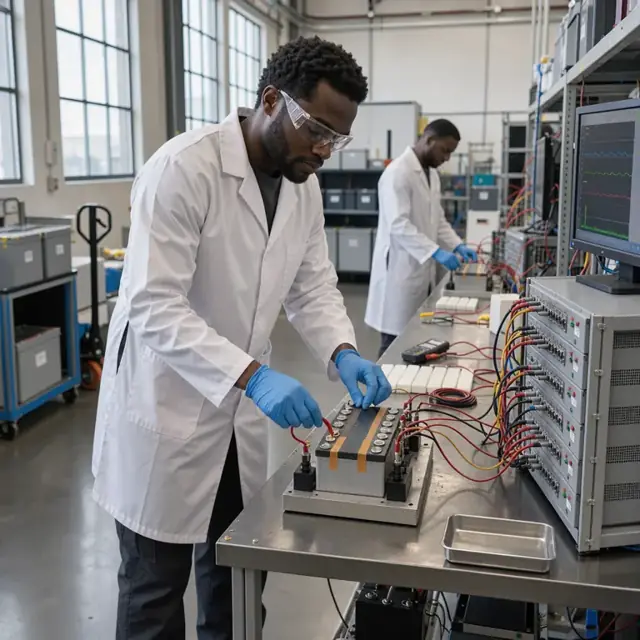
Quality and Test Verifier
Generate in-process checklists, compile formation and end-of-line test data, and maintain full lot traceability records.
Works in: Ambitious Tasks, Ambitious Sheets, Ambitious Docs · Workflows: In-process quality and test protocol
Automates
- Creates gate-specific inspection checklists
- Pulls and organizes cycling data from formation equipment
- Flags cells outside specified voltage or capacity ranges
- Compiles test report drafts and certificate of conformance templates
- Maintains environmental and safety logs
Stops for a person
- The quality engineer reviews all flagged results and signs off on final reports
- People perform all physical testing and confirm requirements are met
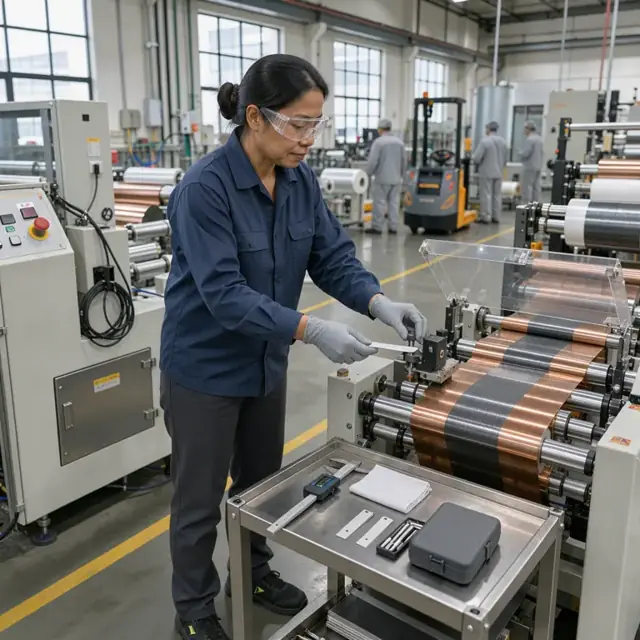
Equipment Maintenance Coordinator
Track runtime on mixers, coaters, formation chambers and test equipment and schedule preventive maintenance without disrupting campaigns.
Works in: Ambitious Tasks, Ambitious Sheets, Process Optimizer · Workflows: Production equipment maintenance scheduling
Automates
- Monitors equipment hours and cycles
- Generates preventive maintenance and calibration tasks
- Tracks critical spare parts inventory
- Suggests maintenance windows that avoid formation conflicts
- Logs completed work and downtime
Stops for a person
- Maintenance technicians perform and document all repairs
- The production manager approves any schedule changes

Hazardous Goods Shipping Coordinator
Prepare UN38.3 documentation, dangerous goods declarations, labeling and shipping tasks for qualified battery packs.
Works in: Ambitious Tasks, Ambitious Docs, Contract Analyzer · Workflows: Packaging and hazardous goods shipping
Automates
- Groups packs by customer and destination
- Pulls applicable test summary references
- Drafts packing lists, invoices and declarations
- Creates carrier-specific shipping tasks
- Records shipment confirmations
Stops for a person
- The compliance officer reviews all transport documents before release
- A person verifies packaging and labeling meet current regulations
Customer and Change Steward
Deliver test reports, gather performance feedback, track qualified designs and manage engineering change requests.
Works in: Ambitious Tasks, Ambitious Docs, Email Buckets · Workflows: Customer follow-up and engineering change management
Automates
- Drafts shipment and test report notifications
- Compiles feedback forms and performance summaries
- Maintains design revision history
- Drafts reorder and update reminders
- Organizes data for supplier and material reviews
Stops for a person
- The engineering manager approves all technical communications and change proposals
- A person sends every customer message and handles contract modifications
Workflows
Order intake and specification review
Starts when: A customer submits specifications by form, email, drawing package or direct message
- Capture cell chemistry, capacity, dimensions, BMS needs, certifications and quantity
- Check the order against approved designs and current production capabilities
- Confirm lead time against formation chamber availability and next campaign
- Record payment status or credit terms and send a confirmation draft
- Create a production order task with full technical specification
Watch for: Technical specifications must be captured exactly as provided; Any deviation from qualified designs requires engineering review before acceptance
Production campaign scheduling
Starts when: After order confirmation and weekly capacity review
- Group orders by chemistry, form factor and BMS version
- Assign formation chamber time and assembly line slots
- Build a timed campaign plan covering electrode mixing through final test
- Flag orders requiring special handling or additional quality gates
- Generate work orders with step-by-step assembly and test instructions
Watch for: Formation and aging cycles lock equipment for extended periods; Changeover between chemistries requires thorough cleaning and validation
Raw material procurement and inventory
Starts when: After production schedule is locked and on a weekly cadence
- Explode the campaign plan into a detailed bill of materials by lot
- Subtract current inventory and shelf-life qualified stock
- Draft purchase requisitions by supplier for electrodes, electrolyte, separators, cases and BMS boards
- Track hazardous material receipts, certificates of analysis and storage conditions
- Log usage, scrap rates and remaining shelf life
Watch for: Many materials are moisture sensitive and have strict shelf life; Hazardous goods receipts require specific documentation and storage
In-process quality and test protocol
Starts when: At each production gate and after formation
- Generate checklists for incoming material inspection, electrode thickness, electrolyte fill weight and impedance
- Pull formation cycling data and flag cells outside voltage or capacity limits
- Compile end-of-line test reports including cycle life, thermal and safety tests
- Maintain lot traceability records and certificate of conformance drafts
- Log environmental chamber conditions and safety incidents
Watch for: Every batch must have full traceability to raw material lots; Test equipment calibration and environmental logs must be current
Production equipment maintenance scheduling
Starts when: Weekly and after each campaign
- Review runtime hours on mixers, coaters, winders, formation chambers and test stations
- Draft preventive maintenance tasks and calibration reminders
- Track spare parts inventory for critical wear items
- Schedule downtime windows that avoid formation cycle conflicts
- Log completed maintenance and any corrective actions
Watch for: Precision equipment requires documented cleaning between chemistries; Downtime must be minimized due to high capital cost
Packaging and hazardous goods shipping
Starts when: After final test and customer approval
- Group finished packs by customer and shipping destination
- Generate UN38.3 test summary references, labeling and dangerous goods declarations
- Draft packing lists and commercial invoices
- Create shipping tasks with carrier requirements and delivery windows
- Record shipment confirmation and proof of delivery
Watch for: Lithium battery transport regulations require specific documentation and packaging; Customs and destination country rules vary
Customer follow-up and engineering change management
Starts when: After shipment and on a quarterly cadence
- Draft shipment confirmation and test report delivery
- Request customer feedback on performance
- Track qualified designs and open engineering change requests
- Draft reorder reminders for repeat customers
- Compile data for supplier scorecards and material qualification updates
Watch for: Engineering changes must be formally reviewed and documented; All communications with customers require technical accuracy
Bot templates for this industry
- Battery Manufacturing (7 bots)
Source: U.S. Small Business Administration, Office of Size Standards, Table of Small Business Size Standards Matched to North American Industry Classification System Codes, version March 2023 (effective 2023-03-17, NAICS 2022). Size standards are shown for reference only.