

Noncurrent-Carrying Wiring Device Manufacturing
Noncurrent-carrying wiring device manufacturers produce boxes, conduit fittings, cable supports, bushings, clamps and connectors that organize and protect electrical wiring without carrying current. For a plant that machines, molds, stamps and assembles these components in batches for distributors and contractors, the specialists turn customer orders into production schedules, raw material requisitions and shop-floor work orders; track dies, molds, presses and inspection gauges; maintain material certifications and test reports; and generate packing lists and shipping documents. Tooling maintenance, dimensional tolerances and lot traceability stay with the machinists and quality technicians.
What makes this business different
- Customer orders that specify material, finish, thread type, knockout configuration and certifications for each part number
- Long-lead raw materials such as steel coil, aluminum ingot, zinc alloy and specialty plastics that must be ordered to forecast
- Tooling and dies that require scheduled maintenance, sharpening and storage between runs
- Dimensional and functional inspection records for each production lot that distributors and inspectors may request years later
- Batch traceability from raw material heat or lot number through finished goods
- Compliance paperwork including material safety data sheets, conflict-minerals declarations and country-of-origin certifications
- Seasonal demand spikes tied to commercial construction and utility projects that require capacity planning months ahead
Specialist bots

Order Reviewer
Convert incoming purchase orders into complete, production-ready specifications and acknowledgments.
Works in: Ambitious Tasks, Ambitious Docs, Contract Analyzer · Workflows: Order intake and specification review
Automates
- Parses part numbers, quantities and special requirements from emails and attached purchase orders
- Checks specifications against catalog and routing database
- Flags non-catalog items for engineering review
- Drafts order acknowledgments with confirmed dates
- Creates shop-floor task with full bill of material
Stops for a person
- Engineering approves any non-standard thread or knockout configurations
- A person reviews and sends all order acknowledgments
- The owner confirms pricing on special orders

Production Scheduler
Build weekly master schedules that group similar parts to minimize setups while meeting customer due dates.
Works in: Ambitious Sheets, Process Optimizer · Workflows: Production scheduling and capacity planning
Automates
- Loads confirmed orders into a visual schedule by machine and due date
- Groups jobs by tooling family and material type
- Calculates load against available press and molding hours
- Releases material requisitions and work orders
- Highlights capacity shortfalls for the next four weeks
Stops for a person
- The production manager adjusts the final sequence
- Expedited orders are approved by the owner before insertion
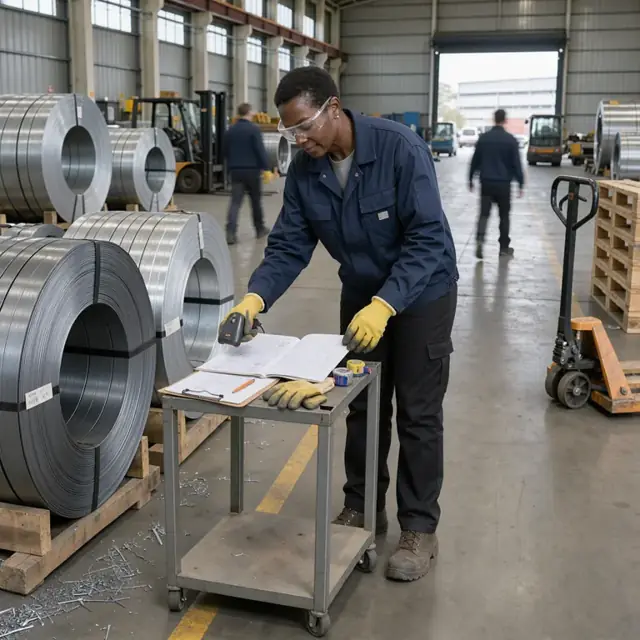
Materials Planner
Convert the production schedule into accurate raw material purchase requisitions and maintain lot traceability.
Works in: Ambitious Sheets, Ambitious Tasks, Ambitious Docs · Workflows: Raw material procurement and inventory
Automates
- Explodes schedule into steel, aluminum, zinc and resin requirements
- Subtracts on-hand inventory and open receipts
- Generates purchase requisitions sorted by supplier lead time
- Records incoming material heat numbers and certificates
- Updates min-max levels for high-volume items
Stops for a person
- The owner approves and places all purchase orders
- Material substitutions are reviewed by engineering before use

Tooling Coordinator
Track die and mold usage, schedule maintenance and ensure tooling is ready for each production run.
Works in: Ambitious Tasks, Ambitious Sheets, Ambitious Docs · Workflows: Tooling maintenance and die management
Automates
- Logs run hours and piece counts for each die after every job
- Calculates remaining life and schedules sharpening or rebuild
- Prepares pull lists and storage locations for upcoming jobs
- Generates preventive maintenance tasks for the tool room
- Maintains photos and drawings of critical tooling
Stops for a person
- Tool room technicians perform and sign off on all repairs
- The owner approves major tooling rebuild expenditures

Quality Documenter
Generate inspection checklists, record measurements and compile lot-specific quality records.
Works in: Ambitious Tasks, Ambitious Docs, Ambitious Sheets · Workflows: In-process and final quality inspection
Automates
- Creates first-article and in-process checklists from part drawings
- Logs dimensional data and gauge readings by lot number
- Flags out-of-tolerance conditions and creates material review forms
- Attaches inspection reports to the digital lot file
- Prepares summaries for customer quality packets
Stops for a person
- Quality technicians perform all physical measurements and approve results
- Engineering reviews and dispositions any non-conforming material

Certification Clerk
Compile and organize material certifications, origin declarations and compliance forms for each shipment.
Works in: Ambitious Docs, Contract Analyzer, Ambitious Tasks · Workflows: Certification and compliance documentation
Automates
- Pulls the correct material certificates and test reports for each lot
- Generates conflict-minerals and country-of-origin declarations
- Formats packing lists and bills of lading
- Tracks expiration dates for supplier certifications
- Organizes digital files by customer and project
Stops for a person
- The owner confirms which declarations are required per customer
- A person reviews and approves every document before it is sent
- Quality manager verifies accuracy of test summaries
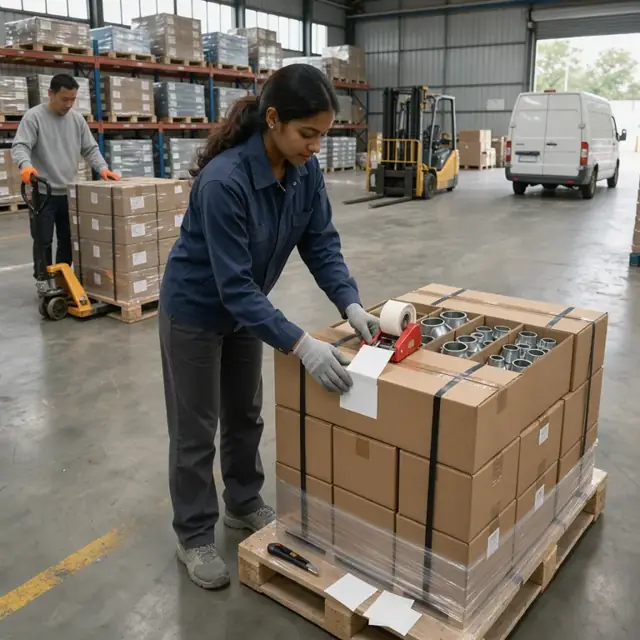
Shipping Coordinator
Prepare accurate shipping documents, labels and carrier instructions once product is inspected and packaged.
Works in: Ambitious Tasks, Ambitious Docs, Ambitious Sheets · Workflows: Shipping and carrier dispatch
Automates
- Verifies shipped quantity against the order
- Generates bar-coded labels and packing slips
- Calculates weights and drafts carrier manifests
- Creates advance shipping notices and tracking updates
- Closes the production order after shipment
Stops for a person
- The warehouse team physically counts and packages every pallet
- A person reviews and releases all carrier documents
- The owner approves international shipping paperwork
Workflows
Order intake and specification review
Starts when: A customer purchase order arrives by email or portal
- Extract part numbers, quantities, material, finish and any special markings
- Check the order against current catalog capabilities and lead times
- Flag any non-standard thread, knockout or certification requests
- Draft order acknowledgment with confirmed ship date
- Create a production task with complete bill-of-material and routing
Watch for: Exact thread and knockout configurations must match customer prints; Certifications must be confirmed before production begins
Production scheduling and capacity planning
Starts when: After order acknowledgment and weekly
- Load confirmed orders into the master schedule by due date
- Group parts by machine, material and tooling family to minimize changeovers
- Compare load against press, CNC and molding capacity
- Draft work orders with operation sequence and standard times
- Release material requisitions to inventory
Watch for: Tooling availability and press tonnage limit each run; Changeover time between incompatible materials must be accounted for
Raw material procurement and inventory
Starts when: Weekly and when reorder points are reached
- Explode production schedule into raw material requirements by alloy and size
- Subtract current inventory and open purchase orders
- Draft purchase requisitions by supplier
- Track incoming heat numbers and certificates of analysis
- Maintain min-max levels for high-volume coil and resin
Watch for: Steel and aluminum coil must be ordered to forecasted usage; Material certifications must travel with each coil or lot
Tooling maintenance and die management
Starts when: After each production run and on a fixed calendar cadence
- Record run hours and parts produced for each die or mold
- Schedule sharpening, polishing or rebuild based on wear limits
- Assign storage locations and pull lists for upcoming jobs
- Track spare components and insert inventory
- Generate maintenance work orders for the tool room
Watch for: Dies must be cleaned and coated before storage to prevent rust; Critical tooling cannot be lost or damaged between jobs
In-process and final quality inspection
Starts when: At first-article, in-process and final stages of each lot
- Generate inspection checklists with critical dimensions and tolerances
- Record measurements from calipers, thread gauges and CMM
- Flag any out-of-tolerance parts and trigger rework or scrap
- Attach inspection records to the lot number
- Draft material review disposition forms when needed
Watch for: First-article samples must be approved before full production; Lot traceability must link inspection data to raw material heat
Certification and compliance documentation
Starts when: With each shipment and on renewal dates
- Compile material certificates, conflict-minerals forms and origin declarations
- Generate lot-specific test reports and dimensional summaries
- Draft packing lists and bills of lading
- Track expiration dates for certifications and insurance
- Organize files by customer and project for future audit
Watch for: Some customers require specific formats or additional declarations; Paperwork must be ready before product leaves the dock
Shipping and carrier dispatch
Starts when: When production lot is inspected and packaged
- Confirm finished goods quantity against order
- Generate bar-coded labels and packing slips
- Draft carrier manifests and shipping labels by weight and zone
- Schedule pickup and send advance shipping notices
- Record shipment tracking numbers and close the order
Watch for: Heavy skids and custom crates must be palletized per carrier rules; Export documentation is required for international orders
Bot templates for this industry
Source: U.S. Small Business Administration, Office of Size Standards, Table of Small Business Size Standards Matched to North American Industry Classification System Codes, version March 2023 (effective 2023-03-17, NAICS 2022). Size standards are shown for reference only.