

All Other Miscellaneous Electrical Equipment and Component Manufacturing
Manufacturers in this industry produce custom or low-volume electrical assemblies, control panels, power supplies, sensors, wiring harnesses and specialty components. For a shop that builds made-to-order control panels, battery chargers and industrial sensors, the specialists turn customer specs into approved build orders, orders into a production schedule and parts list, and the build schedule into assembly steps, quality checks and shipment paperwork. Schematics, tolerances, safety standards and regulatory calls stay with the engineer and owner.
What makes this business different
- Custom electrical designs with exact component values, voltages, certifications and enclosure ratings that must be built exactly to the approved schematic
- Long-lead-time parts and components requiring accurate forecasting and inventory buffers
- Production that mixes make-to-order jobs with small recurring batches for stocked items
- Multi-stage assembly with in-process testing, calibration and quality documentation at each gate
- UL, CE or other listing requirements, electrical safety testing and traceability records for every unit
- Asset tracking for tools, test equipment, jigs and calibrated instruments with due dates
- Customer-supplied drawings, revisions and change orders that must be tracked and incorporated
- Shipment paperwork including certificates of conformance, test reports and packing lists
Specialist bots

Order Spec Reviewer
Convert every incoming customer drawing and specification package into a confirmed build order with complete requirements.
Works in: Ambitious Docs, Ambitious Tasks, Contract Analyzer · Workflows: Custom order and spec review
Automates
- Reads incoming quote requests, drawings and purchase orders
- Extracts voltages, certifications, quantities and revision levels
- Flags missing data or capability gaps
- Drafts confirmation of requirements
- Creates the build task with attached files
Stops for a person
- The engineer approves any non-standard components or deviations
- A person sends the formal order acknowledgment and handles scope questions
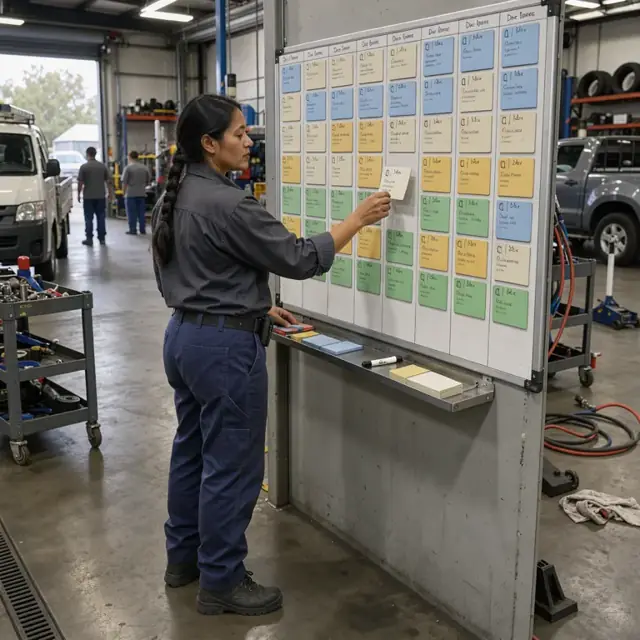
Production Scheduler
Build and maintain the master production schedule while balancing technician availability, equipment and material lead times.
Works in: Ambitious Sheets, Ambitious Tasks · Workflows: Production scheduling and capacity planning
Automates
- Loads confirmed orders by ship date
- Assigns jobs to stations and technicians
- Calculates component demand
- Highlights long-lead items and capacity conflicts
Stops for a person
- The shop supervisor adjusts priorities and approves overtime
- The owner sets overall capacity limits

Component and Inventory Manager
Convert production schedules into accurate purchase orders and maintain component stock levels with traceability.
Works in: Ambitious Sheets, Ambitious Tasks, Ambitious Docs · Workflows: Component purchasing and inventory management
Automates
- Explodes bills of materials across all jobs
- Subtracts on-hand and on-order quantities
- Generates purchase lists sorted by supplier and lead time
- Updates inventory when parts arrive
Stops for a person
- The owner approves and places all purchases
- Engineering must approve any substitute parts

Assembly and Test Coordinator
Guide each unit through assembly steps, in-process testing and documentation capture.
Works in: Ambitious Tasks, Ambitious Docs, Process Optimizer · Workflows: Assembly, testing and quality control
Automates
- Delivers the latest schematic and work instructions
- Creates sequential task lists with required data fields
- Logs serial numbers, torque values and test results
- Attaches photos of each completed stage
Stops for a person
- Technicians perform the physical assembly and tests
- A second person verifies critical steps on safety-related assemblies

Final Quality and Certification Verifier
Confirm every unit meets final test criteria, compile certification documents and prepare shipment paperwork.
Works in: Ambitious Docs, Ambitious Tasks, Contract Analyzer · Workflows: Final inspection, certification and packaging
Automates
- Runs the final test checklist against owner-approved criteria
- Compiles test data, material certificates and calibration records
- Generates certificates of conformance
- Prepares labels and packing lists
Stops for a person
- The engineer or owner reviews and signs all test reports and certificates
- People perform final visual and high-voltage safety checks
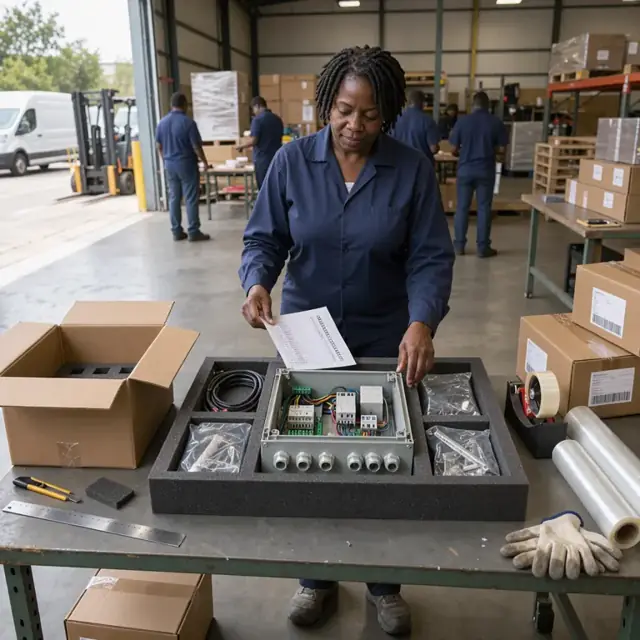
Shipping and Dispatch Coordinator
Prepare all shipping documents, labels and customer notifications once final approval is received.
Works in: Ambitious Tasks, Ambitious Docs, Email Buckets · Workflows: Shipping and customer delivery
Automates
- Creates commercial invoices and packing lists
- Generates carrier labels and tracking numbers
- Drafts shipment notification messages
- Closes the job record after proof of delivery
Stops for a person
- The owner reviews and approves all documents before shipment
- A person physically packs and labels the shipment

Calibration and Compliance Tracker
Maintain calibration due dates for all test equipment and track renewal dates for licenses and certifications.
Works in: Ambitious Sheets, Ambitious Tasks, Ambitious Docs · Workflows: Equipment calibration and compliance tracking
Automates
- Lists all instruments and their calibration schedules
- Creates advance reminder tasks
- Tracks document revision dates for work instructions
- Logs nonconformance reports
Stops for a person
- The owner confirms which regulatory standards apply to each product
- Actual calibration and renewal actions are performed and documented by qualified people
Workflows
Custom order and spec review
Starts when: A customer submits a quote request, drawing package or purchase order
- Parse the incoming drawings, specifications, voltages, certifications and quantities
- Compare requirements against current capabilities and approved component lists
- Flag any missing information or non-standard items for engineering review
- Draft a confirmation of requirements and proposed lead time
- Create a build task with attached files and a bill of materials skeleton
Watch for: Exact match between customer schematic and internal build documents; Revision levels must be captured and locked before production begins
Production scheduling and capacity planning
Starts when: After order confirmation and weekly
- Load confirmed orders into the master schedule by required ship date
- Assign work to assembly stations based on technician skills and equipment availability
- Calculate material and component needs against current inventory
- Identify long-lead items and trigger purchasing
- Use the construction scheduler to balance workload and flag bottlenecks
Watch for: Certain test equipment is shared and can only support one job at a time; Calibration due dates on instruments constrain the schedule
Component purchasing and inventory management
Starts when: After schedule is set and on a weekly cadence
- Explode the bill of materials for all active jobs
- Check on-hand stock and committed quantities
- Generate purchase requisitions by supplier with lead times
- Track incoming parts against open orders and update inventory
- Monitor minimum stock levels for common components and consumables
Watch for: Obsolete or end-of-life components must be flagged before ordering; Moisture-sensitive or electrostatic-sensitive parts require special handling
Assembly, testing and quality control
Starts when: When scheduled production day begins
- Pull the latest approved schematic, work instructions and test procedure
- Stage components and materials at the workstation
- Record each assembly step, torque values, wire terminations and serial numbers
- Perform in-process electrical tests and functional checks
- Generate test reports and attach photos of finished units
Watch for: Every unit must have a unique serial or lot number with full traceability; High-voltage or safety-critical assemblies require documented second-person verification
Final inspection, certification and packaging
Starts when: After assembly and testing are complete
- Run final functional test and safety checks against the approved procedure
- Verify all documentation including test data, material certs and calibration records
- Apply labels, seals and tamper-evident markings where required
- Prepare certificate of conformance and test summary
- Create the packing list and shipping label
Watch for: Certain certifications require independent lab verification that only the owner can arrange; Export-controlled items need additional documentation
Shipping and customer delivery
Starts when: When final inspection is signed off
- Generate commercial invoice, packing list and any required compliance forms
- Book carrier and create shipping labels with tracking numbers
- Draft shipment notification with tracking and expected delivery date
- Record proof of delivery and any damage notes
- Close the job and trigger invoice generation
Watch for: Temperature or shock-sensitive components may require special packaging; International shipments require additional paperwork prepared by the owner
Equipment calibration and compliance tracking
Starts when: Monthly and on due dates
- List all calibrated tools and instruments with next due dates
- Generate reminder tasks before due dates
- Track renewal dates for business licenses, insurance and any required certifications
- Maintain revision-controlled work instructions and schematic templates
- Log any nonconformances and corrective actions
Watch for: Only the owner can confirm which standards and listings apply to each product line; Calibration records must be kept for the full retention period
Bot templates for this industry
Source: U.S. Small Business Administration, Office of Size Standards, Table of Small Business Size Standards Matched to North American Industry Classification System Codes, version March 2023 (effective 2023-03-17, NAICS 2022). Size standards are shown for reference only.