

Motor Vehicle Gasoline Engine and Engine Parts Manufacturing
Manufacturers of gasoline engines and engine parts for motor vehicles take engineering drawings, customer specifications and production schedules to produce machined components, assemble sub-systems and perform final engine testing. For a shop that machines blocks, heads and manifolds then assembles and tests complete engines on a weekly build schedule, the specialists turn purchase orders into verified specs, specs into machining programs and work orders, raw materials into staged inventory, and test results into shipping paperwork and reorders. Tooling, tolerances, quality documentation and emissions compliance stay with the engineers and quality team.
What makes this business different
- Tight engineering tolerances on machined parts that must be verified with CMM and other metrology tools
- Weekly production schedules driven by OEM and aftermarket customer orders with strict delivery dates
- Raw castings, forgings and bar stock ordered in batches with long lead times from foundries and mills
- Tooling management including CNC programs, fixtures, cutters and gauges that require calibration tracking
- In-process and final inspection records, material certifications and traceability for every serialized part
- Engine dyno testing, break-in procedures and emissions bench checks before shipment
- Supplier quality audits, PPAP documentation and change-order management for engineering revisions
Specialist bots

Order and Specification Verifier
Convert every incoming purchase order into a verified production task with correct engineering references.
Works in: Ambitious Tasks, Ambitious Docs, Contract Analyzer · Workflows: Customer order and specification verification
Automates
- Reads purchase orders and extracts model, part numbers, quantities and dates
- Compares specifications to current approved drawings and revisions
- Flags missing PPAP or first-article requirements
- Drafts customer acknowledgment
- Creates the master production task with linked files
Stops for a person
- Engineering approves any deviation from drawing requirements
- Quality manager confirms PPAP scope before production release
- A person sends all customer acknowledgments
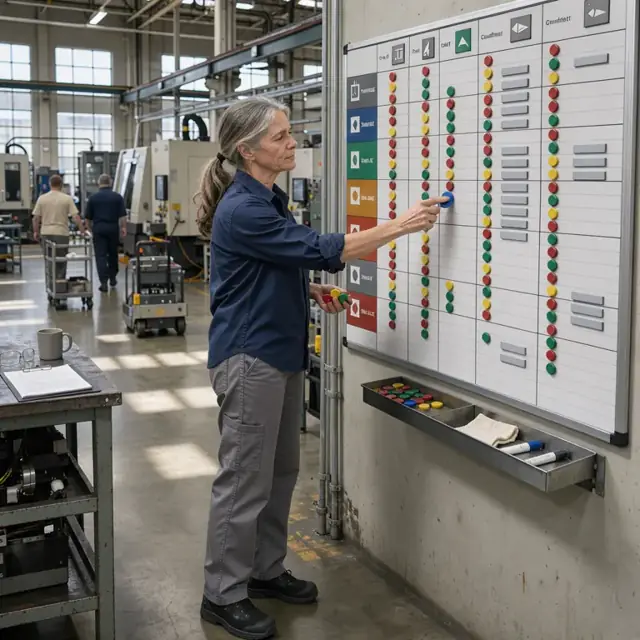
Production Scheduler
Build weekly machine and test cell schedules that respect capacity, due dates and tooling constraints.
Works in: Ambitious Sheets, Process Optimizer · Workflows: Weekly production scheduling and capacity planning
Automates
- Loads orders into the master schedule
- Assigns operations to available CNC machines and test cells
- Balances workload and flags bottlenecks
- Generates work orders and setup sheets
- Simulates capacity for the coming week
Stops for a person
- The production manager adjusts priorities and approves the final schedule
- Changes to customer due dates are confirmed by sales

Materials and Procurement Planner
Convert the production schedule into accurate raw material and purchased-part orders while maintaining traceability.
Works in: Ambitious Sheets, Ambitious Tasks, Ambitious Docs · Workflows: Raw material and component purchasing
Automates
- Explodes schedule into material requirements
- Calculates net requirements after checking inventory
- Drafts purchase requisitions with due dates
- Tracks supplier lead times and certifications
- Updates inventory records upon receipt
Stops for a person
- Purchasing approves and places all purchase orders
- Quality verifies incoming material certifications before release to production

CNC Programmer and Tooling Specialist
Create proven CNC programs, setup sheets and tooling kits for each new or revised engine component.
Works in: Ambitious Tasks, Ambitious Docs, Process Optimizer · Workflows: CNC programming and tooling preparation
Automates
- Imports latest CAD geometry
- Generates optimized tool paths and setup documentation
- Simulates programs for safety and efficiency
- Maintains program revision control
- Prepares tooling lists and fixture requirements
Stops for a person
- Lead machinist proves out the first run and provides feedback
- Engineering signs off on any process changes
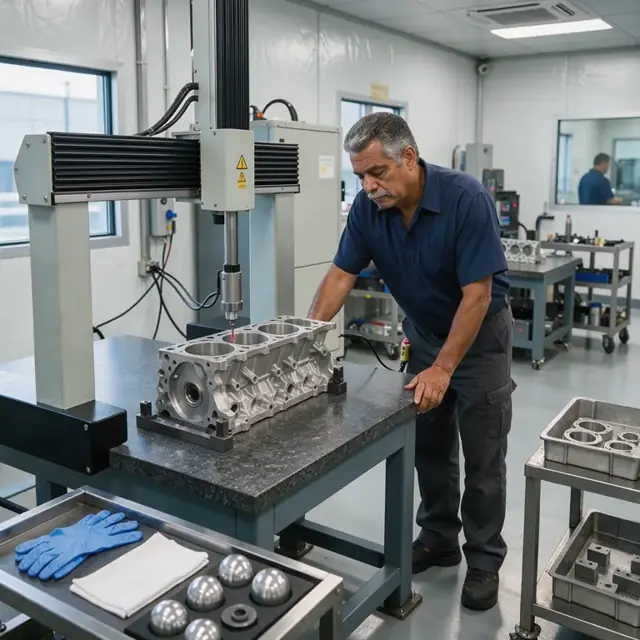
Quality Inspection Coordinator
Generate inspection plans, record metrology results and compile traceability packets for each part.
Works in: Ambitious Tasks, Ambitious Sheets, Ambitious Docs · Workflows: In-process and final quality inspection
Automates
- Creates dimension checklists from drawings
- Logs CMM and manual gauge results
- Compares measurements to tolerances
- Flags out-of-spec conditions for review
- Assembles digital quality documentation packets
Stops for a person
- The quality manager reviews all non-conformance reports
- Customer approval is obtained on PPAP packages before full production
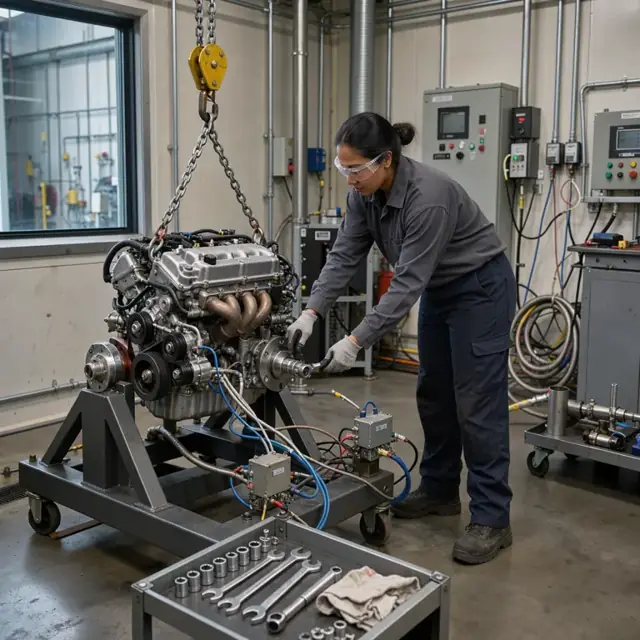
Engine Assembly and Test Coordinator
Stage components for assembly, run dyno test sequences and capture performance data for each engine.
Works in: Ambitious Tasks, Ambitious Docs, Ambitious Sheets · Workflows: Engine assembly and dyno testing
Automates
- Generates assembly bill of materials and checklists
- Records dyno test parameters and results
- Creates break-in and test procedure sheets
- Compiles emissions and performance reports
- Prepares final test summary for shipment
Stops for a person
- Senior engine builder approves assembly sequence and any deviations
- Engineering reviews all test data before release
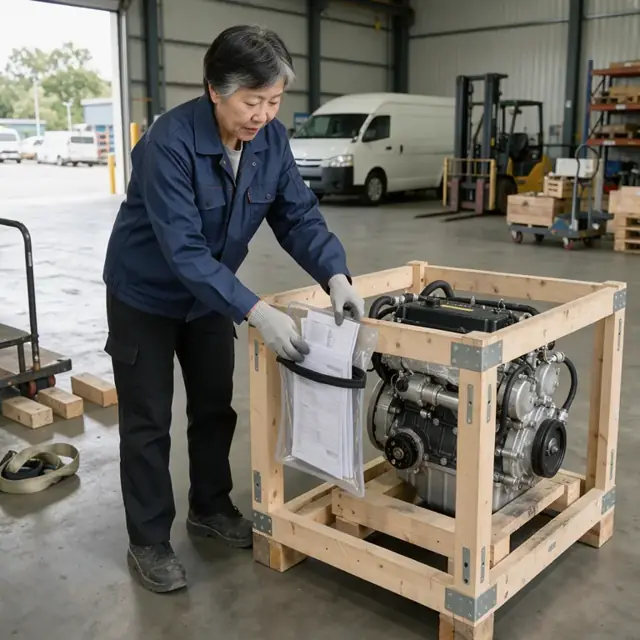
Final Documentation and Shipping Clerk
Assemble complete quality and traceability records and prepare accurate shipping documentation for each engine.
Works in: Ambitious Docs, Ambitious Tasks, Ambitious Sheets · Workflows: Final documentation and shipment preparation
Automates
- Compiles material certs, inspection records and test reports
- Generates packing lists and certificates of conformance
- Prepares shipping instructions and labels
- Closes production orders and updates inventory
- Archives complete build records
Stops for a person
- Quality manager verifies the documentation package meets customer requirements
- Shipping personnel confirm packaging and preservation before carrier pickup
- A person approves all documents that leave the facility
Workflows
Customer order and specification verification
Starts when: Receipt of a new customer purchase order or forecast update
- Parse the PO for engine model, part numbers, quantities and required ship date
- Cross-check specifications against approved engineering drawings and revision levels
- Identify any special requirements for materials, testing or documentation
- Draft acknowledgment and flag discrepancies for engineering review
- Create a master production task with linked drawings and quality plan
Watch for: Engineering changes must be formally approved before production begins; Customer-specific PPAP or first-article requirements must be tracked separately
Weekly production scheduling and capacity planning
Starts when: End of each week when next week's build schedule is confirmed
- Load confirmed orders into the master schedule by engine type and due date
- Assign machining centers, assembly stations and test cells based on availability
- Balance workload across CNC mills, lathes, grinders and manual finishing benches
- Generate work orders with setup sheets, tooling lists and inspection points
- Run capacity simulation to flag bottlenecks in machining or test cells
Watch for: Certain machine tools are dedicated to specific materials or tolerances; Test cell availability is limited and must be reserved days in advance
Raw material and component purchasing
Starts when: After schedule is locked and on a weekly cadence
- Explode the production schedule into raw casting, forging, bar stock and purchased component requirements
- Compare against current inventory and on-order quantities
- Draft purchase requisitions for foundries, mills and suppliers with required delivery dates
- Track supplier lead times and update safety stock for long-lead items
- Log incoming material certifications and heat numbers
Watch for: Castings and forgings have multi-week lead times and must be ordered to forecast; Material traceability records must follow parts through the entire process
CNC programming and tooling preparation
Starts when: New part release or engineering change order
- Import latest CAD model or drawing into CAM software
- Generate tool paths, speeds, feeds and fixture setups for each operation
- Create setup sheets with tool lists, offsets and inspection points
- Simulate programs to avoid collisions and optimize cycle time
- Release program and tooling kit to the shop floor with revision control
Watch for: Programs must be proven out on first article before full production; Tooling and fixtures are often customer-specific and must be stored and tracked
In-process and final quality inspection
Starts when: Completion of each machining or assembly operation
- Generate inspection checklist with critical dimensions and tolerances
- Record CMM, surface finish, hardness and other metrology results
- Compare results against engineering specifications
- Flag non-conforming parts and initiate rework or scrap procedures
- Compile digital inspection packet for each serialized component
Watch for: Statistical process control is maintained on key features; First-article and PPAP documentation packages must be prepared for customer approval
Engine assembly and dyno testing
Starts when: When all machined and purchased components for an engine are ready
- Pull and stage all parts according to the bill of materials
- Assemble short block, cylinder heads, manifolds and ancillary systems
- Perform dyno test following approved break-in and test procedure
- Record power curves, oil pressure, temperatures and emissions data
- Draft test report and final assembly checklist for shipment
Watch for: Engines are serialized and must match customer order exactly; Emissions and performance data must be captured for each unit
Final documentation and shipment preparation
Starts when: Completion of testing and customer ready date
- Compile material certifications, inspection records, test reports and traceability documents
- Generate packing list, commercial invoice and any required certificates of conformance
- Draft shipping labels and carrier instructions with delivery windows
- Update inventory and trigger reorder points for consumed materials
- Close production order and archive all quality records
Watch for: Documentation packages vary by customer and destination country; Engines must be preserved and crated to prevent damage in transit
Bot templates for this industry
Source: U.S. Small Business Administration, Office of Size Standards, Table of Small Business Size Standards Matched to North American Industry Classification System Codes, version March 2023 (effective 2023-03-17, NAICS 2022). Size standards are shown for reference only.