

Motor Vehicle Steering and Suspension Components (except Spring) Manufacturing
Manufacturers of motor vehicle steering and suspension components produce precision parts such as racks, pinions, tie rods, control arms, ball joints and struts. Orders arrive from OEMs and aftermarket distributors with exact specifications, drawings and delivery windows. The specialists turn purchase orders into production schedules, raw material and component requirements, inspection checklists and shipping paperwork while keeping tight tolerances, traceability and quality records. Recipes, pricing and engineering calls stay with the engineers.
What makes this business different
- Tight engineering tolerances and material certifications that must be verified at every step
- Production runs that mix OEM just-in-time schedules with aftermarket batch orders
- Traceability of every heat lot, batch and serial number from raw stock through final assembly
- Precision measurement tools and calibration logs for CMMs, torque testers and surface finish gauges
- Supplier quality agreements and incoming material inspection requirements
- Packaging and labeling that meets OEM bar-code, rust-prevention and kitting standards
- Periodic PPAP, control-plan and process-audit documentation required by customers
- Engineering changes and deviations that require formal approval before production or shipment
Specialist bots

Order and Contract Reviewer
Convert incoming purchase orders into production-ready tasks with all specifications verified.
Works in: Ambitious Docs, Ambitious Tasks, Contract Analyzer · Workflows: Order intake and contract review
Automates
- Reads purchase orders and extracts part numbers, revisions, quantities and dates
- Compares requirements to current drawings and quality plans
- Flags missing documents or deviations
- Creates linked production tasks and drafts acknowledgments
Stops for a person
- Engineering confirms any drawing or specification conflicts
- A person reviews and sends all customer acknowledgments and commitments
- The owner approves any deviation or concession
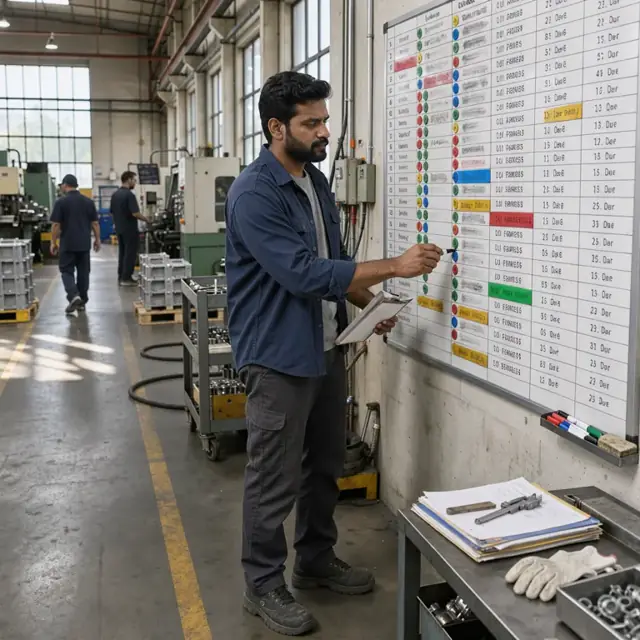
Production Scheduler
Build and maintain the master production schedule while balancing machine and tooling constraints.
Works in: Process Optimizer, Ambitious Sheets · Workflows: Production scheduling and capacity planning
Automates
- Loads orders into the schedule by due date
- Checks availability of machines, tooling and labor
- Optimizes sequence to reduce setups and bottlenecks
- Generates daily work orders with required inspection points
Stops for a person
- The production manager approves the final weekly schedule
- Changes to customer priorities are reviewed by the owner
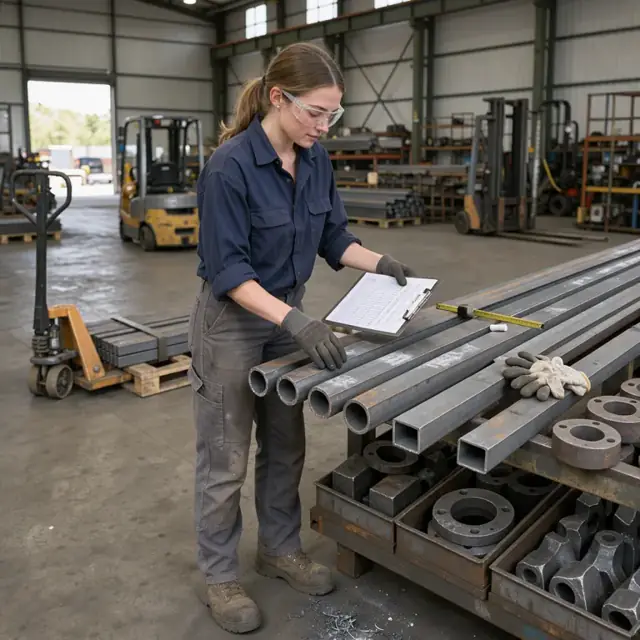
Materials and Purchasing Planner
Calculate and requisition raw materials, forgings and subcontract services to support the production schedule.
Works in: Ambitious Sheets, Ambitious Tasks, Ambitious Docs · Workflows: Materials and purchased-part planning
Automates
- Explodes bills of materials against the schedule
- Subtracts on-hand and on-order inventory
- Generates purchase requisitions by supplier and alloy
- Tracks certification and inspection status of incoming lots
Stops for a person
- The purchasing manager places and approves all purchase orders
- Supplier substitutions or deviations require engineering approval

Quality Inspection Coordinator
Generate inspection checklists, record measurements and maintain full traceability records.
Works in: Ambitious Tasks, Ambitious Docs, Ambitious Sheets · Workflows: In-process and final inspection
Automates
- Creates dimensional and attribute checklists from control plans
- Logs CMM and gauge data into digital forms
- Flags nonconformances and initiates reports
- Compiles traceability packets for each lot
Stops for a person
- A certified inspector performs all final sign-offs
- The quality manager reviews and approves all nonconformance dispositions
- The owner confirms any concessions on critical characteristics
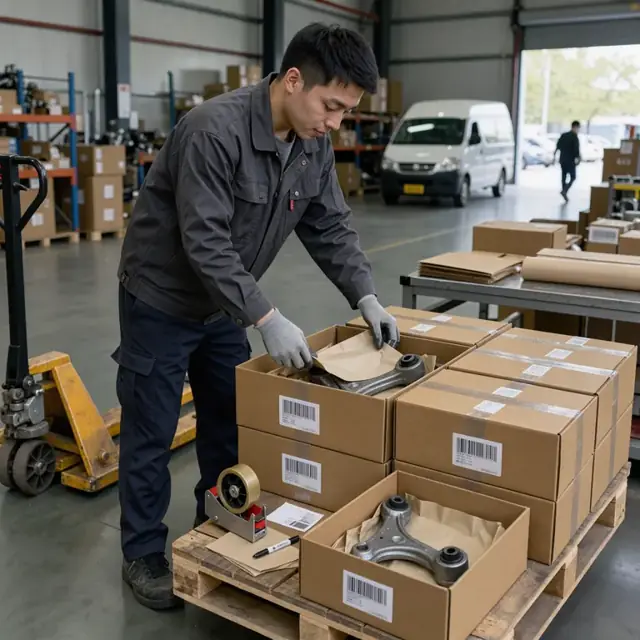
Shipping and Labeling Coordinator
Prepare packaged parts, labels, advanced shipping notices and proof-of-delivery records.
Works in: Ambitious Tasks, Ambitious Docs, Ambitious Sheets · Workflows: Packaging, labeling and shipment preparation
Automates
- Generates customer-specific labels and bar codes
- Creates packing lists and kitting instructions
- Builds electronic advance shipping notices
- Records carrier tracking and delivery confirmation
Stops for a person
- A person verifies rust prevention and final packaging before sealing containers
- The shipping manager releases all shipments and signs shipping documents
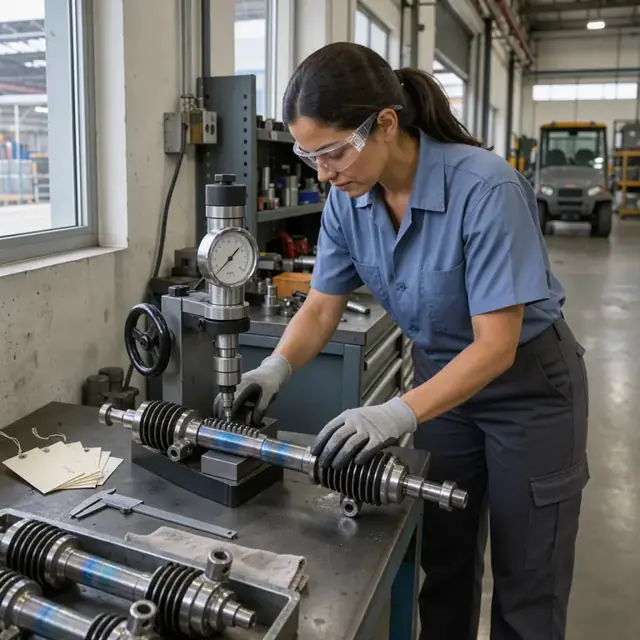
Supplier Quality Clerk
Manage incoming inspection, supplier scorecards and corrective action requests.
Works in: Ambitious Docs, Ambitious Tasks, Ambitious Sheets · Workflows: Supplier quality and incoming inspection
Automates
- Matches incoming material to purchase orders
- Generates receiving inspection checklists
- Tracks supplier performance metrics
- Drafts corrective action requests when needed
Stops for a person
- Quality personnel perform actual inspections and accept or reject material
- The quality manager approves all supplier corrective actions
- Engineering approves any supplier deviation requests

Compliance and Records Documenter
Compile and organize all quality records, control plans, PPAP packages and regulatory reports.
Works in: Ambitious Docs, Ambitious Sheets, Contract Analyzer · Workflows: Regulatory and customer compliance documentation
Automates
- Assembles material certs and inspection reports by lot
- Tracks calibration due dates and renewal triggers
- Updates PFMEAs and control plans when changes occur
- Prepares customer audit and IMDS submission packages
Stops for a person
- Engineers and quality managers review and approve all updated documents before release
- The owner confirms which customer-specific requirements apply to each submission
- A person files all formal submissions and audit responses
Workflows
Order intake and contract review
Starts when: Receipt of a new purchase order or forecast update from an OEM or distributor
- Parse order details including part number, revision level, quantity, due date and special instructions
- Compare requirements against current approved drawings, specifications and capacity
- Flag any missing certifications, PPAP documents or deviations for review
- Create a production task with linked drawings and quality plan
- Draft acknowledgment and delivery confirmation for approval
Watch for: Engineering changes must be reviewed against the exact revision called out on the order; Customer-specific labeling and packaging requirements must be captured exactly; Deviations require written approval before the order is accepted
Production scheduling and capacity planning
Starts when: After order intake and every Monday
- Load confirmed orders into the master schedule by due date and priority
- Check machine, tooling and operator availability for each operation
- Run the process optimizer to balance CNC, machining, heat-treat and assembly steps
- Generate daily work orders with setup sheets and inspection points
- Adjust schedule for any supplier delays or rework
Watch for: Certain parts share fixtures and tooling that limit simultaneous runs; Heat-treat and plating steps are often outsourced with fixed lead times; Schedule must protect capacity for urgent OEM pull-ins
Materials and purchased-part planning
Starts when: After schedule is locked and on a daily cadence
- Explode bill of materials for each scheduled part
- Subtract current inventory and on-order quantities
- Create purchase requisitions for raw bar, forgings, castings and subcontract services
- Track supplier certifications and incoming inspection status
- Maintain min/max and safety stock for high-volume fasteners and seals
Watch for: Raw material must be ordered to specific alloy and heat-lot certifications; Long-lead forgings and castings require forecast alignment with customer releases; Inventory of certified material must be segregated by heat lot
In-process and final inspection
Starts when: Completion of each machining, assembly or subcontract operation
- Generate operator and inspector checklists with dimensional, torque and surface-finish requirements
- Record measurements from CMM, gauges and test stands into digital forms
- Flag out-of-tolerance results and initiate nonconformance reports
- Maintain first-article, in-process and final-inspection records with serial traceability
- Prepare PPAP and control-plan updates when required
Watch for: Critical dimensions require 100 percent inspection or statistical process control; All inspection equipment must be calibrated and traceable to NIST standards; Nonconforming material must be quarantined until disposition is approved
Packaging, labeling and shipment preparation
Starts when: When parts complete final inspection and are cleared for shipment
- Generate packing list and customer-specific labels with bar codes and lot numbers
- Apply rust-preventive coatings and kitting instructions per customer spec
- Create advanced shipping notice and electronic data interchange files
- Schedule carrier pickup and record proof of delivery
- Archive all traceability and quality records for the shipment
Watch for: OEM customers require specific returnable dunnage and container quantities; Hazardous-material or lithium-grease components have special shipping declarations; Final packaging must be verified against the customer's packaging specification
Supplier quality and incoming inspection
Starts when: Arrival of purchased materials or subcontracted parts
- Match incoming paperwork to open purchase orders
- Perform receiving inspection per approved sampling plan and record results
- Release accepted material to inventory with lot numbers
- Initiate corrective action requests for nonconforming shipments
- Maintain supplier scorecards and audit schedules
Watch for: Subcontracted heat-treat and plating require certificate-of-conformance verification; Supplier deviations must be approved in writing before receipt; Rejected material must be tagged and returned with proper documentation
Regulatory and customer compliance documentation
Starts when: End of each production run and on customer or calendar triggers
- Compile material certifications, inspection reports and process records
- Update control plans, PFMEAs and process flow diagrams when changes occur
- Track calibration due dates for all measurement equipment
- Prepare annual or quarterly customer audit packages
- Maintain IMDS and conflict-mineral reporting where required
Watch for: Each customer maintains its own list of required documents and retention periods; Changes to processes or suppliers must be notified and approved before shipment; The quality manager confirms which documents apply to each customer
Bot templates for this industry
Source: U.S. Small Business Administration, Office of Size Standards, Table of Small Business Size Standards Matched to North American Industry Classification System Codes, version March 2023 (effective 2023-03-17, NAICS 2022). Size standards are shown for reference only.