

Motor Vehicle Brake System Manufacturing
Motor vehicle brake system manufacturers produce calipers, rotors, drums, master cylinders, ABS modules and related components for OEM and aftermarket use. For a plant that machines, assembles and tests brake assemblies on a mix of high-volume lines and made-to-order batches, the specialists convert purchase orders into production schedules, raw castings and forgings into machined parts with full traceability, assembly steps into quality-checked work orders, and finished goods into packaged shipments while maintaining tight control over tooling, gauging, heat-treat records and PPAP documentation. Engineering drawings, material certifications and test protocols stay with the engineers and quality team.
What makes this business different
- Tight process and material traceability from raw casting or forging through machining, heat treat, assembly and final test
- PPAP, control plans, PFMEAs and gage R&R documentation that must be prepared and updated per customer requirements
- High-precision CNC machining with frequent tooling changes and wear tracking
- Mix of high-volume production runs and lower-volume made-to-order or service brake kits
- In-process and final functional testing including pressure, torque, stroke and ABS simulation
- Heat-treat, plating and coating records with lot traceability and certification
- Supplier quality monitoring for castings, friction materials, seals and electronic modules
- Packaging and labeling that meets OEM bar-code, country-of-origin and hazardous-material rules
- Maintenance of calibration records for all thread, bore, surface and pressure gauges
- Regulatory filings for brake-fluid and friction-material environmental and safety requirements
Specialist bots

Order Intake Specialist
Convert every customer purchase order into a confirmed production order with correct revision and due date.
Works in: Ambitious Tasks, Ambitious Docs, Email Buckets · Workflows: Customer order intake and scheduling
Automates
- Reads incoming purchase orders and forecast releases
- Verifies part number, revision and quantity against engineering master
- Checks capacity and material availability
- Creates the production order task
- Drafts the order acknowledgment
Stops for a person
- Engineering confirms any requested deviation from standard revision
- A person sends the final acknowledgment and handles exceptions
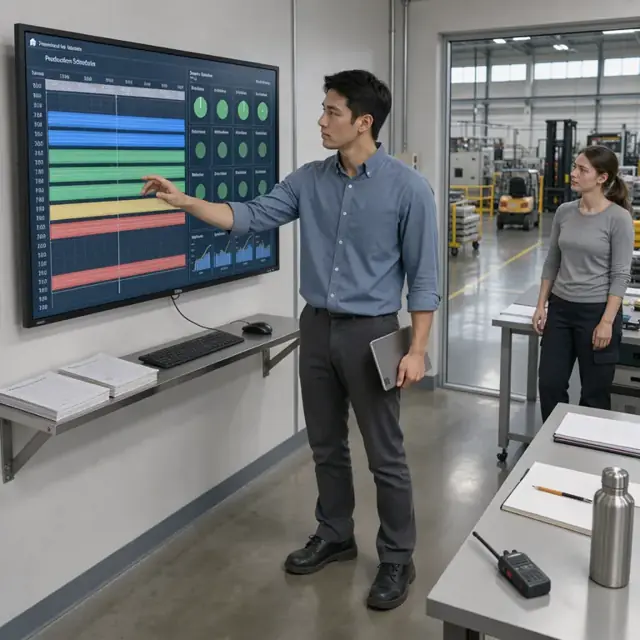
Production Scheduler
Build and balance the weekly master production schedule across machining and assembly cells.
Works in: Process Optimizer, Ambitious Sheets · Workflows: Production scheduling and line balancing
Automates
- Loads orders into the master schedule
- Balances utilization across lines and cells
- Releases long-lead material requisitions
- Identifies machining and test bottlenecks
- Publishes the shop schedule
Stops for a person
- The production manager approves the final weekly schedule
- Changes to frozen orders require plant manager sign-off
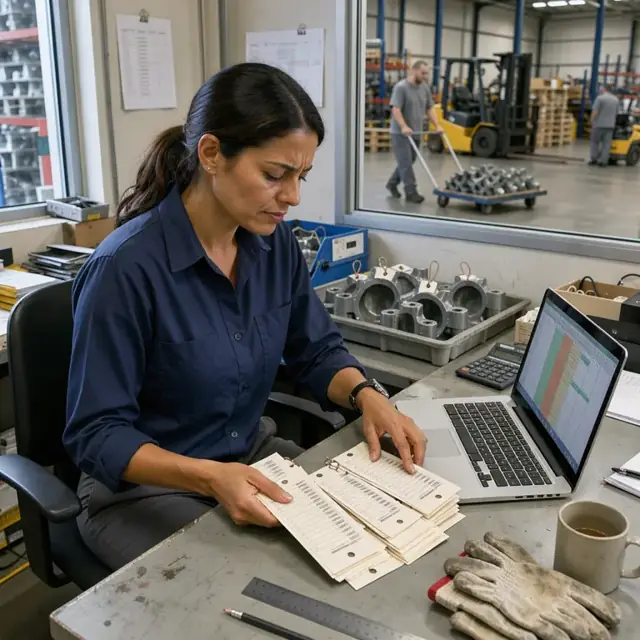
Materials Planner
Explode production schedules into precise material requisitions and maintain supplier performance tracking.
Works in: Ambitious Sheets, Ambitious Tasks · Workflows: Material and component purchasing
Automates
- Explodes bills of materials for scheduled quantities
- Nets requirements against current inventory
- Generates purchase requisitions by supplier
- Tracks supplier on-time delivery and quality
- Maintains safety stock levels
- Flags missing or expiring supplier certifications
Stops for a person
- Purchasing places all purchase orders and spends money
- Quality reviews supplier certifications before new suppliers are added

Machining Coordinator
Prepare CNC programs, tool lists and in-process inspection requirements for each machining order.
Works in: Ambitious Tasks, Ambitious Docs, Process Optimizer · Workflows: CNC machining and tooling management
Automates
- Pulls latest approved CNC programs and setups
- Generates operator work orders with inspection points
- Calculates and tracks tool wear offsets
- Creates traceable lot travelers
- Routes completed parts to next operation
Stops for a person
- A machinist verifies first-article dimensions
- Tooling engineer approves any new or modified cutting tools

Quality Documentation Specialist
Assemble and maintain PPAP packages, control plans, PFMEAs and all required traceability records.
Works in: Ambitious Docs, Ambitious Sheets, Contract Analyzer · Workflows: Quality documentation and PPAP management
Automates
- Compiles control plans and PFMEAs from templates
- Pulls material certifications and heat treat records
- Builds complete PPAP submission files
- Tracks customer approval status by part
- Maintains revision-controlled master library
- Generates calibration due alerts for all gauges
Stops for a person
- Quality manager reviews every PPAP before submission
- Engineering signs off on any process or material change
- The quality manager confirms which regulatory filings apply

Assembly and Test Coordinator
Generate assembly instructions, route parts to calibrated test equipment and record functional test results.
Works in: Ambitious Tasks, Ambitious Docs, Ambitious Sheets · Workflows: Brake assembly and functional testing
Automates
- Creates assembly work orders with torque sequences
- Pulls correct test procedures for each part number
- Logs all pressure, stroke and ABS test data
- Generates traceability certificates
- Quarantines failed units automatically
Stops for a person
- A certified technician performs and signs off on final functional tests
- Quality engineer reviews any test failures before disposition

Shipping and Labeling Coordinator
Prepare packaging, apply correct labels, create shipping documents and send advance notices.
Works in: Ambitious Tasks, Ambitious Docs, Email Buckets · Workflows: Packaging, labeling and shipment
Automates
- Pulls part-specific packaging instructions
- Generates bar-coded labels with lot and origin data
- Creates packing slips and invoices
- Sends advance shipping notices
- Closes completed production orders
- Generates hazardous-material declarations when required
Stops for a person
- A person verifies labels and hazardous material declarations
- Logistics manager approves carrier selection and any expedited shipments
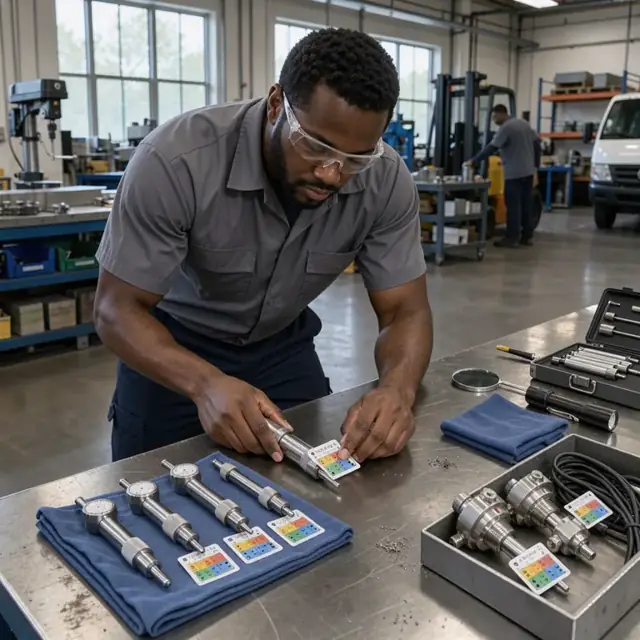
Regulatory Compliance Clerk
Run monthly safety and environmental checklists, track permit renewals and maintain calibration and heat-treat records.
Works in: Ambitious Tasks, Ambitious Docs, Ambitious Sheets · Workflows: Regulatory permit, license and safety paperwork
Automates
- Generates monthly environmental and safety checklists
- Logs heat-treat, plating and coating records with lot traceability
- Tracks expiration dates for facility permits and certifications
- Compiles required reports for friction material or brake fluid handling
- Maintains calibration certificates for all gauging equipment
Stops for a person
- The quality manager confirms which local, state and federal rules apply
- Inspections, corrective actions and filings are handled by people
- The bot never certifies compliance
Workflows
Customer order intake and scheduling
Starts when: Receipt of purchase order or forecast release from OEM or distributor
- Parse order for part number, quantity, due date, revision level and special markings
- Check against current capacity, raw material availability and open supplier orders
- Assign to production line or batch and confirm lead time
- Generate production order task with full specification and revision level
- Draft acknowledgment for customer approval
Watch for: Many orders reference specific engineering change levels that must match exactly; OEM customers require confirmation within 24-48 hours
Production scheduling and line balancing
Starts when: Weekly forecast update or new firm order
- Load orders into the master schedule by part and line
- Balance machine and assembly cell utilization
- Flag long-lead castings or forgings that must be released now
- Run process-optimizer to identify bottlenecks in machining or test
- Publish weekly shop schedule and material call-outs
Watch for: Changeover time between different caliper families is significant; Certain cells run only specific ABS or electronic brake modules
Material and component purchasing
Starts when: After schedule is frozen and on a weekly cadence
- Explode bill of materials for scheduled production
- Net against on-hand and on-order inventory
- Draft purchase requisitions for castings, friction pads, seals and electronics
- Track supplier lead times and quality performance
- Maintain safety stock for high-volume service parts
- Flag any supplier certifications or PPAP that are missing or expiring
Watch for: Raw castings and forgings must be ordered to exact alloy and heat-treat specs; Supplier PPAP and material certifications must be on file before receipt
CNC machining and tooling management
Starts when: Daily shop schedule release
- Pull latest CNC programs and tool lists for each part
- Create operator work order with in-process inspection points
- Track tool wear and send alerts for replacement
- Log serial or lot traceability for each machined part
- Route parts to heat-treat or plating with traveler
Watch for: Dimensional tolerances often below 0.001 inch require frequent gage checks; Tooling must be preset and qualified before each run
Brake assembly and functional testing
Starts when: Completion of machined and treated components
- Generate assembly work order with torque sequence and component traceability
- Pull calibrated gauges and test stands for the specific part number
- Record pressure, stroke, torque and ABS simulation results
- Flag and quarantine any unit outside specification
- Print final test certificate and label
Watch for: Each assembly must be matched to its test data for traceability; Certain tests require environmental chambers or specific fluid types
Quality documentation and PPAP management
Starts when: New part introduction, engineering change or customer request
- Assemble control plan, PFMEA, gage R&R and capability studies
- Collect material certifications and heat-treat records
- Draft PPAP submission package
- Track approval status by customer
- Maintain revision-controlled master files
- Generate calibration due-date alerts for all thread, bore, surface and pressure gauges
Watch for: Different OEM customers require different PPAP levels and submission formats; Any process change requires updated documentation
Packaging, labeling and shipment
Starts when: Completion of final test and customer due date
- Pull packaging specification for the part number
- Apply bar-coded labels with country of origin and lot data
- Create packing slip and commercial invoice when needed
- Schedule carrier pickup and send advance shipping notice
- Close production order and update inventory
- File any required hazardous-material declarations for brake fluid or friction components
Watch for: Many shipments are to tight JIT windows at assembly plants; Export orders require additional hazardous material declarations for brake fluid
Regulatory permit, license and safety paperwork
Starts when: Monthly, on renewal dates, and after any process change
- Generate monthly environmental and safety checklist for plating baths, heat-treat furnaces and waste streams
- Log heat-treat, plating and coating records with lot traceability
- Track expiration dates for all facility operating permits, air permits, wastewater permits and fire safety certifications
- Compile and file any required annual or event-driven reports for friction material or brake fluid handling
- Maintain current calibration certificates for all gauging equipment
Watch for: Rules differ by state and federal environmental agencies for plating and heat-treat emissions; The quality manager confirms which permits and filings apply to current operations
Bot templates for this industry
Source: U.S. Small Business Administration, Office of Size Standards, Table of Small Business Size Standards Matched to North American Industry Classification System Codes, version March 2023 (effective 2023-03-17, NAICS 2022). Size standards are shown for reference only.