

Motor Vehicle Seating and Interior Trim Manufacturing
Manufacturers of motor vehicle seats, seat frames, and interior trim produce to OEM schedules and aftermarket orders. For a plant that cuts, sews, assembles and ships seat covers, headliners, door panels and consoles on weekly pulls, the specialists turn purchase orders into cut lists and material requirements, run daily production schedules against press and sewing capacity, track fabric and foam inventory with color and lot traceability, manage supplier releases and inbound freight, prepare shipping manifests and labels for sequenced delivery, and maintain the compliance paperwork the owner confirms meets requirements.
What makes this business different
- Strict OEM sequencing and just-in-time delivery windows that cannot be missed
- Material traceability by color, lot and roll number for every cut piece
- High-mix low-volume runs with frequent changeovers on cutting tables, sewing lines and foam molding
- Flammability, head-impact, and FMVSS testing documentation that the owner confirms meets requirements
- Supplier releases, blanket orders, and inbound raw-material scheduling against production pulls
- Inventory of expensive fabrics, vinyl, leather, foam buns, and metal frames with minimums and obsolescence risk
- Packaging and labeling that matches each OEM's container and barcode standards
Specialist bots

Order Intake Specialist
Convert every incoming OEM release or aftermarket order into a clean production order with all sequencing and material requirements extracted.
Works in: Ambitious Tasks, Ambitious Docs, Email Buckets · Workflows: Purchase order intake and requirements extraction
Automates
- Reads purchase orders, EDI files and portal downloads
- Extracts part numbers, quantities, colors, sequence and due dates
- Checks against production calendar
- Creates the production task with full specifications
- Drafts the order acknowledgment
Stops for a person
- A person approves any deviation from the requested schedule
- The production manager confirms capacity before acknowledgment is sent
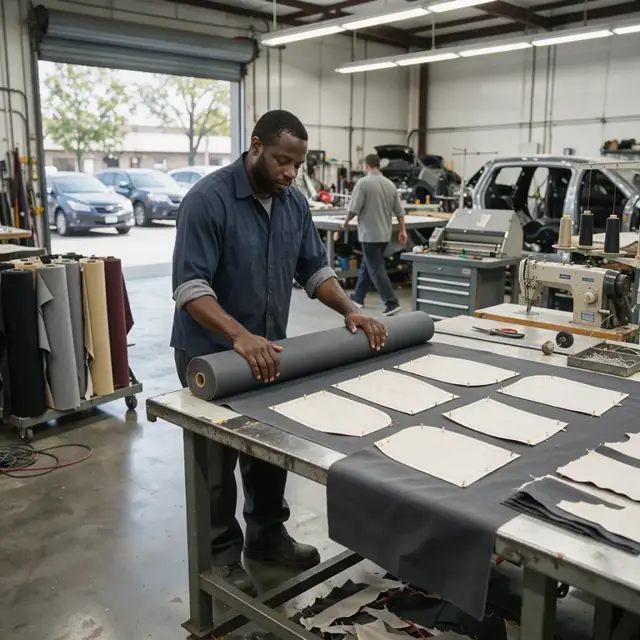
Materials Requirements Planner
Explode every production order into exact fabric, foam and component requirements and generate cut lists while preserving lot traceability.
Works in: Ambitious Sheets, Ambitious Docs, Ambitious Tasks · Workflows: Material requirements and cut-list generation
Automates
- Calculates net requirements from bills of material
- Subtracts on-hand and on-order inventory by color and lot
- Produces nested cut plans and material issue tickets
- Flags shortages for immediate purchasing action
Stops for a person
- The cutting supervisor approves final markers before fabric is issued
- Any substitution of material requires engineering and quality sign-off
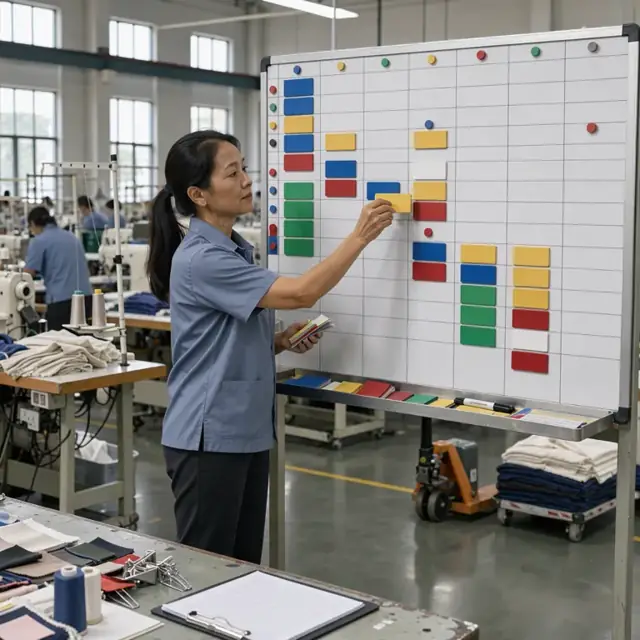
Production Scheduler
Build and level daily schedules across cutting, sewing and assembly operations while respecting changeover times and OEM sequence requirements.
Works in: Process Optimizer, Ambitious Tasks · Workflows: Daily production scheduling and capacity leveling
Automates
- Loads orders into the schedule by due date and sequence
- Balances load across work centers and shifts
- Inserts maintenance and changeover blocks
- Generates operator tickets and bundle labels
- Highlights capacity bottlenecks
Stops for a person
- The plant manager reviews and adjusts the schedule each morning
- Any overtime or expedited production must be approved before release
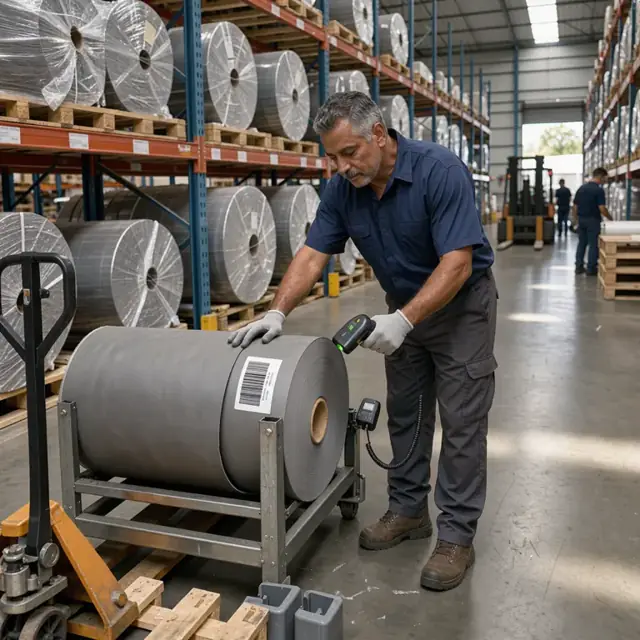
Inventory and Traceability Controller
Track raw materials, work-in-process and finished goods with full lot and color traceability while maintaining accurate counts and reorder triggers.
Works in: Ambitious Sheets, Ambitious Tasks, Ambitious Docs · Workflows: Raw material and work-in-process inventory control
Automates
- Records receipts with supplier lot data
- Issues exact quantities to production orders
- Tracks offcuts and returns
- Maintains min/max levels and flags slow-moving stock
- Generates cycle count lists
Stops for a person
- A person performs physical cycle counts and approves adjustments
- Material that fails inspection is quarantined by a supervisor
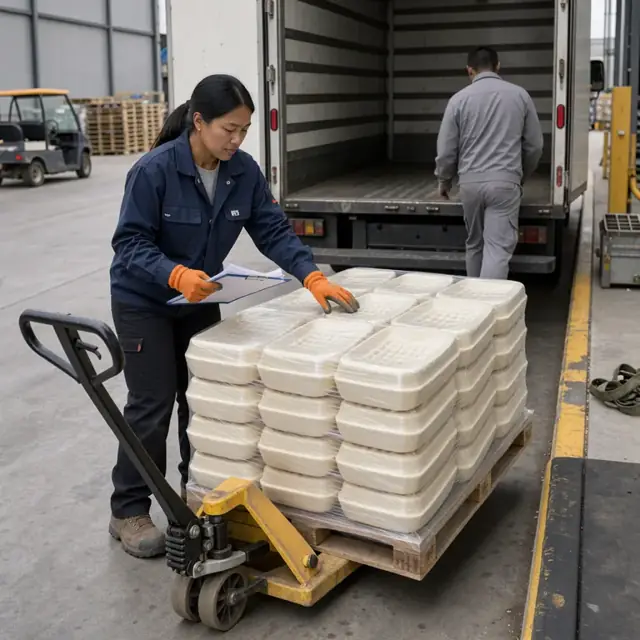
Supplier Release Coordinator
Generate and transmit supplier releases, schedule inbound freight and confirm material arrives when needed for production.
Works in: Email Buckets, Ambitious Tasks, Ambitious Sheets · Workflows: Supplier release and inbound logistics
Automates
- Calculates release quantities from MRP
- Prepares and sends release documents
- Books carrier appointments
- Tracks expected arrival dates against schedule
- Logs receipt confirmations
Stops for a person
- Purchasing approves all releases and spends
- The receiving supervisor verifies inbound material condition and paperwork

Quality and Compliance Documenter
Generate in-process checklists, record test results and organize the documentation the owner uses to confirm all requirements are met.
Works in: Ambitious Docs, Ambitious Sheets, Ambitious Tasks · Workflows: In-process quality and compliance testing
Automates
- Creates daily quality checklists for each operation
- Logs test values for flammability and dimensional checks
- Maintains traceability matrices
- Assembles inspection reports and retains sample records
- Flags any out-of-spec conditions
Stops for a person
- Quality technicians perform all physical tests and enter results
- The quality manager reviews and signs every report before filing
- The owner confirms which requirements the documentation must address
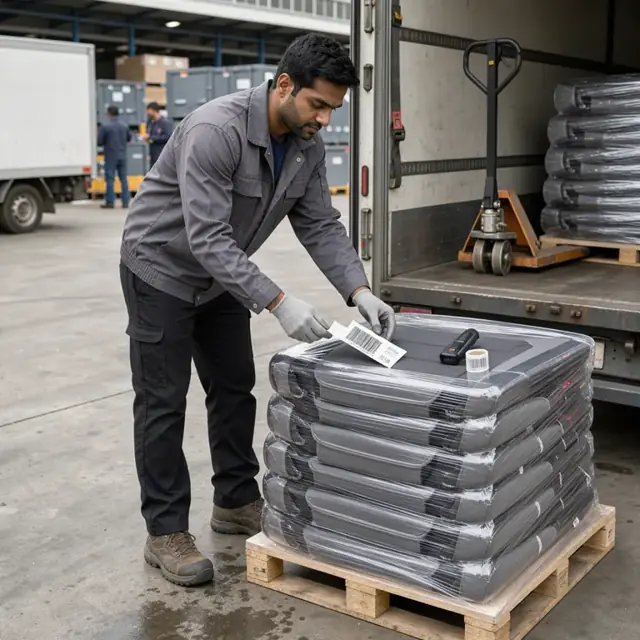
Shipping and Sequencing Coordinator
Prepare sequenced shipments with correct OEM labels, manifests and advance notices so every load meets the exact delivery window.
Works in: Ambitious Tasks, Ambitious Docs, Ambitious Sheets · Workflows: Shipping, labeling and sequenced delivery
Automates
- Generates customer-specific labels and barcodes
- Builds loads in required sequence
- Creates advance shipping notices
- Assigns carrier and dock
- Updates inventory on shipment
Stops for a person
- A person verifies labels on every pallet before loading
- The shipping supervisor releases the truck only after final count and seal
Workflows
Purchase order intake and requirements extraction
Starts when: New OEM release, blanket order amendment or aftermarket purchase order arrives
- Parse the order for part numbers, quantities, due dates and delivery locations
- Extract sequencing requirements, color breaks and any special instructions
- Check against current production calendar and material availability
- Create a production order task with full specifications
- Draft acknowledgment for approval
Watch for: OEM systems often send EDI or portal downloads that must be read exactly; Any deviation from the pull schedule must be flagged immediately
Material requirements and cut-list generation
Starts when: After order intake or weekly MRP run
- Explode bill of materials for every part number on the order
- Calculate net fabric, foam, trim, and frame requirements by color and lot
- Subtract available inventory and open supplier releases
- Generate precise cut plans and nesting diagrams for each marker
- Flag any material shortages for purchasing
Watch for: Fabric directionality, grain matching and pattern alignment rules must be respected; Lot traceability must be preserved from roll to finished seat
Daily production scheduling and capacity leveling
Starts when: Each morning before shift start and on any schedule change
- Load confirmed orders into the construction scheduler by due date and sequence
- Balance sewing lines, cutting tables, and assembly stations against available labor and equipment
- Insert changeovers and preventive maintenance windows
- Produce operator work tickets and barcode labels for each bundle
- Run the process optimizer to identify bottlenecks
Watch for: Changeover time between colors and part numbers is significant; OEM pull sequences often require specific order of assembly
Raw material and work-in-process inventory control
Starts when: On receipt, after each cut or sew operation, and weekly cycle count
- Record incoming rolls or parts with supplier lot numbers and certificates
- Issue exact quantities to production orders from the correct lot
- Track offcuts and return-to-stock material
- Maintain min/max levels and reorder points for high-value items
- Flag any material that fails incoming inspection
Watch for: Expensive automotive-grade materials cannot be over-cut; Shelf-life limited foams and adhesives must be rotated
Supplier release and inbound logistics
Starts when: Weekly or on MRP signal
- Generate release quantities against blanket purchase orders
- Send releases to approved suppliers via email or portal
- Schedule inbound freight and dock appointments
- Track arrival against production need date
- Record receipt and move material into inventory
Watch for: Many suppliers are on consignment or vendor-managed inventory; Premium freight must be avoided
In-process quality and compliance testing
Starts when: After each major operation and before shipment
- Generate operator checklists for seam strength, foam crush, and stitch quality
- Record test results for flammability, abrasion and head-impact samples
- Maintain lot traceability through every step
- Create the inspection reports the owner uses to confirm requirements are met
- Quarantine any non-conforming material
Watch for: Each OEM has its own quality acceptance criteria; Test samples must be retained for the required period
Shipping, labeling and sequenced delivery
Starts when: When production order reaches finished goods
- Generate OEM-specific labels and barcodes
- Build shipping manifests in the exact sequence required
- Assign to the correct carrier and dock door
- Draft advance shipping notice for the customer
- Record shipment and update inventory
Watch for: Many shipments must arrive in precise vehicle build sequence; Returnable dunnage and containers must be tracked
Bot templates for this industry
Source: U.S. Small Business Administration, Office of Size Standards, Table of Small Business Size Standards Matched to North American Industry Classification System Codes, version March 2023 (effective 2023-03-17, NAICS 2022). Size standards are shown for reference only.