

Motor Vehicle Metal Stamping
Motor vehicle metal stamping plants receive customer blueprints and specifications for body panels, brackets, chassis components and structural parts. They cut, form, trim and inspect high-volume runs of stamped metal parts using progressive dies, transfer presses and robotic lines. The specialists convert purchase orders into job setups and die schedules, track raw coil and sheet inventory, schedule press time around tooling changes, generate first-article and in-process inspection plans, manage supplier certifications and prepare parts for just-in-time shipment to assembly plants. Tooling maintenance, press tonnage limits, material certifications and dimensional tolerances remain with the engineering and production teams.
What makes this business different
- Tight dimensional tolerances and surface-finish requirements on every stamped part that must match OEM blueprints
- Progressive die and transfer press setups that require hours of changeover and validation before production
- High-volume runs driven by automotive assembly schedules with strict just-in-time delivery windows
- Raw material coil and sheet inventory with heat numbers, mill certifications and traceability
- First-article inspection, in-process SPC data collection and PPAP documentation for each new or revised part
- Tooling maintenance schedules, die repair logs and press tonnage monitoring to avoid equipment damage
- Supplier and customer audits that require current certifications for IATF 16949 elements without claiming external compliance
Specialist bots
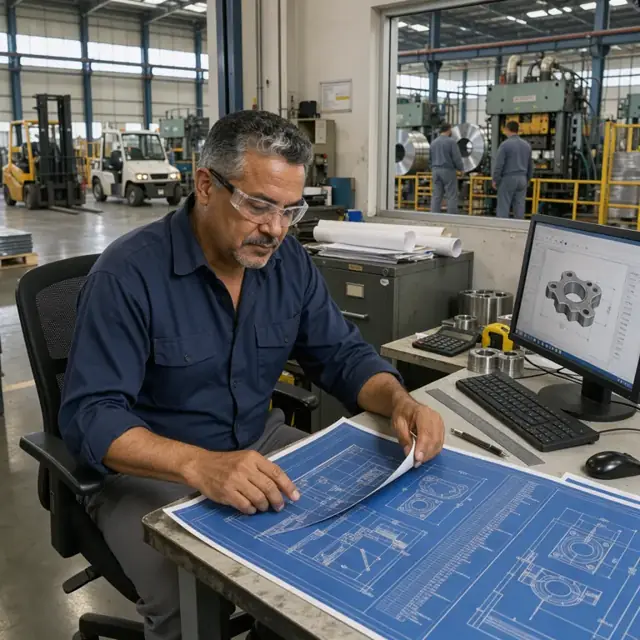
Order Intake Coordinator
Convert every customer purchase order and blueprint release into a ready-to-schedule job packet.
Works in: Ambitious Tasks, Ambitious Docs, Contract Analyzer · Workflows: Order and blueprint intake
Automates
- Reads incoming purchase orders and attached drawings
- Extracts part numbers, revisions, quantities and dates
- Checks for matching die and material specifications
- Drafts order acknowledgment
- Assembles the complete job packet
Stops for a person
- Engineering reviews and approves any blueprint deviations
- A person sends the final acknowledgment to the customer
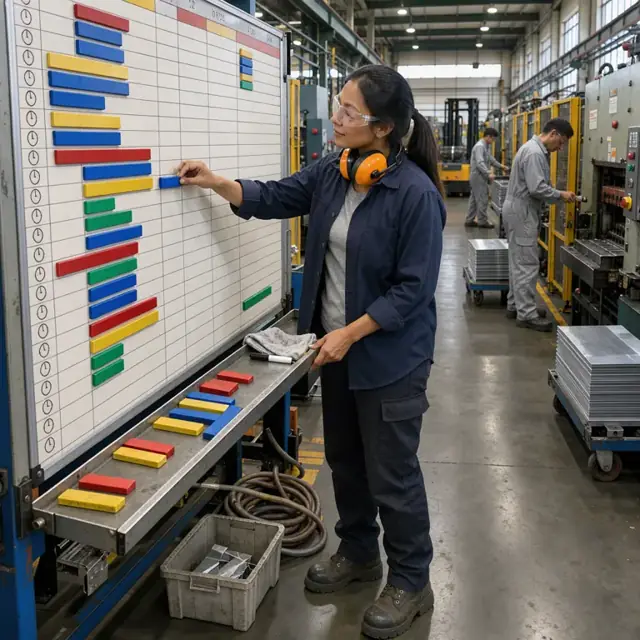
Press Scheduler
Build weekly press schedules that respect tonnage limits, minimize changeovers and meet customer due dates.
Works in: Ambitious Sheets, Ambitious Tasks · Workflows: Press scheduling and die setup
Automates
- Sequences jobs by due date and setup similarity
- Calculates total press hours including setup time
- Flags capacity conflicts and suggests alternatives
- Reserves blocks for maintenance
- Publishes the approved schedule
Stops for a person
- The production manager approves the final schedule
- Any overtime or expedited runs require owner sign-off
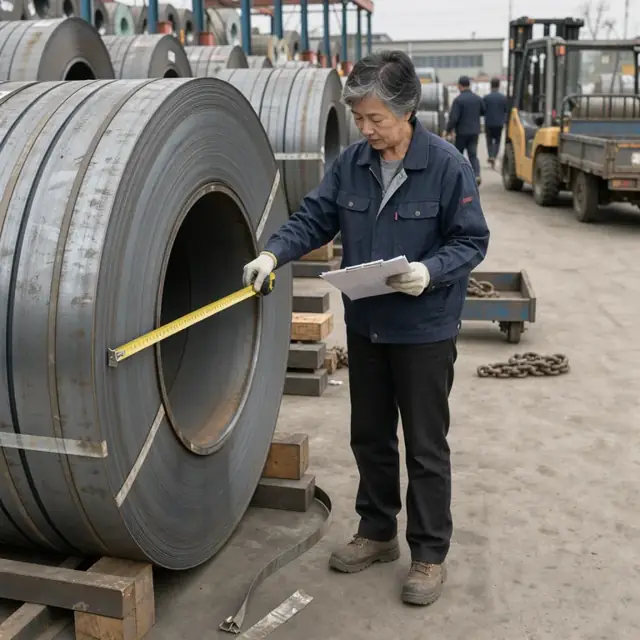
Material Planner
Convert the production schedule into precise coil and sheet purchase requirements while maintaining traceability.
Works in: Ambitious Sheets, Ambitious Tasks, Ambitious Docs · Workflows: Coil and sheet material planning
Automates
- Calculates coil and sheet requirements by width, gauge and grade
- Subtracts current certified inventory
- Generates purchase requisitions
- Tracks incoming mill certifications
- Maintains minimum stock levels
Stops for a person
- Purchasing places all orders and spends money
- Engineering confirms material substitutions

Inspection Coordinator
Generate first-article inspection checklists and compile measurement data against blueprint tolerances.
Works in: Ambitious Tasks, Ambitious Docs, Ambitious Sheets · Workflows: First-article and in-process inspection
Automates
- Pulls all blueprint callouts and tolerances into a checklist
- Organizes CMM and gauge data entry forms
- Flags dimensions outside tolerance
- Compiles complete first-article package
- Tracks ongoing SPC requirements
Stops for a person
- Quality engineer reviews and signs off all first-article reports
- Any non-conforming parts are dispositioned only by authorized personnel

Tooling Maintenance Coordinator
Track die usage, schedule preventive maintenance and log repairs to keep stamping dies in production-ready condition.
Works in: Ambitious Tasks, Ambitious Sheets, Process Optimizer · Workflows: Die maintenance and repair tracking
Automates
- Counts strokes and parts produced per die
- Creates maintenance tasks at set intervals
- Logs repair history and costs
- Coordinates downtime with the master schedule
- Confirms die readiness before release
Stops for a person
- Tooling manager approves all repair work and outside vendor jobs
- Production signs off on each die before it returns to the press

Shipping Coordinator
Prepare packing lists, labels and advance shipping notices for just-in-time delivery of stamped parts.
Works in: Ambitious Tasks, Ambitious Docs, Ambitious Sheets · Workflows: Parts packaging and shipping
Automates
- Generates lot-specific labels with heat numbers
- Assigns parts to correct returnable containers
- Drafts advance shipping notices
- Schedules carrier pickups
- Updates inventory after shipment
Stops for a person
- A person verifies part counts and container condition before loading
- The shipping manager approves all carrier arrangements
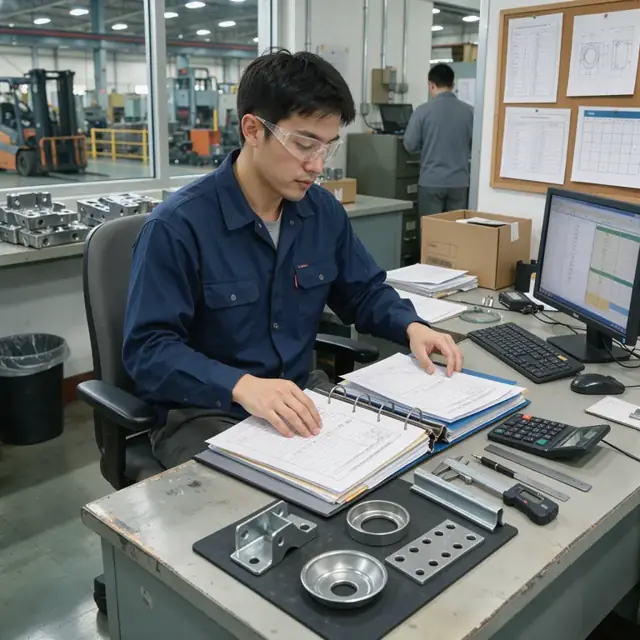
Quality Documentation Clerk
Organize material certifications, inspection records and process data for each production lot and prepare customer reports.
Works in: Ambitious Docs, Ambitious Sheets, Ambitious Tasks · Workflows: Quality and certification documentation
Automates
- Compiles certifications and data by lot
- Maintains document revision history
- Tracks renewal dates for required certifications
- Prepares summary packages for review
- Organizes files for quick retrieval
Stops for a person
- Quality manager confirms all customer requirements are addressed before release
- Only authorized people approve final submission packages
Workflows
Order and blueprint intake
Starts when: Receipt of a customer purchase order or forecast release
- Capture part number, revision level, quantity, due date and delivery location from the order
- Match the order to the correct blueprint, die number and material specification
- Check against current open capacity and raw material availability
- Draft acknowledgment and flag any date or specification conflicts
- Create a job packet with all referenced drawings and quality requirements
Watch for: Engineering must confirm any deviation from the latest blueprint revision; Forecast volumes must be translated into firm press schedules only after customer confirmation
Press scheduling and die setup
Starts when: Weekly forecast update or new firm order
- Load all open orders into the construction scheduler by due date and press tonnage
- Sequence jobs to minimize die changes and coil changes
- Calculate required press hours including setup, first-article run and production
- Reserve time for preventive maintenance and die maintenance
- Publish the weekly schedule and flag any capacity shortfalls
Watch for: Presses have strict tonnage and bed-size limits that cannot be exceeded; Certain dies require overnight or weekend setups
Coil and sheet material planning
Starts when: After production schedule is locked
- Explode part requirements into coil width, thickness and grade by job
- Subtract current certified coil and sheet inventory
- Generate purchase requisitions for mill or service center material
- Track incoming heat numbers and mill test reports
- Maintain minimum safety stock for high-running parts
Watch for: Material must be traceable to mill certifications for every production lot; Coils are heavy and require specific storage and handling procedures
First-article and in-process inspection
Starts when: Completion of each new die setup or engineering change
- Generate a checklist of all blueprint dimensions and tolerances to inspect
- Record measurements from CMM, calipers and surface plates
- Compare results against customer specifications
- Flag any out-of-tolerance conditions for engineering review
- Compile data package for PPAP or customer submission
Watch for: All critical characteristics must be measured on the first three parts from each cavity; Statistical process control charts are required for ongoing production
Die maintenance and repair tracking
Starts when: After each production run or on scheduled interval
- Log stroke count and part count for each die
- Create preventive maintenance tasks based on usage
- Track die repair history and cost
- Schedule downtime with production scheduling
- Confirm readiness before next production run
Watch for: Dies are extremely expensive and downtime is costly; Repairs often require outside tool shops
Parts packaging and shipping
Starts when: Completion of production run
- Generate packing list and labels with part number, lot, heat number and quantity
- Assign to returnable dunnage or customer-specified containers
- Schedule pickup with the carrier to meet just-in-time window
- Draft advance shipping notice for customer approval
- Record shipment and update inventory
Watch for: Many parts ship in returnable metal racks that must be tracked and returned; Damage in transit must be documented immediately
Quality and certification documentation
Starts when: End of each production lot and on audit dates
- Compile material certifications, inspection data and process records
- Organize files by part number and lot
- Track renewal dates for any supplier or process certifications
- Prepare summary reports for customer or internal review
- Maintain revision history of all controlled documents
Watch for: The engineering team confirms that all requirements the customer has specified are addressed; All documentation must be stored in a way that allows rapid retrieval during audits
Bot templates for this industry
- Motor Vehicle Metal Stamping (7 bots)
Source: U.S. Small Business Administration, Office of Size Standards, Table of Small Business Size Standards Matched to North American Industry Classification System Codes, version March 2023 (effective 2023-03-17, NAICS 2022). Size standards are shown for reference only.