

Other Motor Vehicle Parts Manufacturing
Other Motor Vehicle Parts Manufacturing shops produce, assemble and finish components such as brake assemblies, exhaust systems, radiators, suspension parts and interior trim. For a shop that receives weekly customer orders for custom or replacement parts, the specialists convert orders into production schedules, raw-material and component purchase lists, routing sheets for each work cell, quality-check sequences and shipping labels. Tooling, fixtures, weld schedules, paint specs and regulatory labeling stay with the machinists, welders and assemblers.
What makes this business different
- Customer orders that mix repeat OEM parts with one-off or low-volume custom fabrications requiring exact material callouts and tolerances
- Multi-step production sequences across machining, welding, painting, assembly and final test stations with shared equipment
- Raw material and purchased-part inventory managed by heat number, lot and shelf life, with reorder points tied to production schedules
- First-article inspection, dimensional verification, torque logs and material traceability paperwork required per job
- Tooling and fixture maintenance schedules, calibration records for gauges and presses, and preventive-maintenance logs for CNC machines
- Packaging, labeling and barcoding that meets customer and DOT requirements before shipment
- Seasonal spikes in orders for aftermarket exhaust, brakes and radiators tied to regional weather and vehicle-repair cycles
Specialist bots

Order Reviewer
Convert incoming customer orders into accurate job packets with routing and quality requirements.
Works in: Ambitious Docs, Ambitious Tasks, Contract Analyzer · Workflows: Order review and job creation
Automates
- Reads purchase orders and extracts part numbers, quantities and due dates
- Compares requirements against standard routings and flags exceptions
- Builds the job traveler and attaches drawings and specifications
- Drafts order acknowledgment
Stops for a person
- A machinist or engineer confirms any nonstandard tolerances or materials
- The owner approves all due-date commitments before acknowledgment is sent

Materials Planner
Explode production jobs into accurate raw material and purchased-part requirements while maintaining traceability.
Works in: Ambitious Sheets, Ambitious Tasks · Workflows: Material and component planning
Automates
- Calculates material needs from bills of materials
- Subtracts current inventory by lot and heat number
- Generates purchase requisitions sorted by supplier and lead time
- Tracks minimum stock levels for common fasteners and bar stock
Stops for a person
- Purchasing decisions and spending are approved by the owner
- Any substitution of material grade is confirmed by engineering
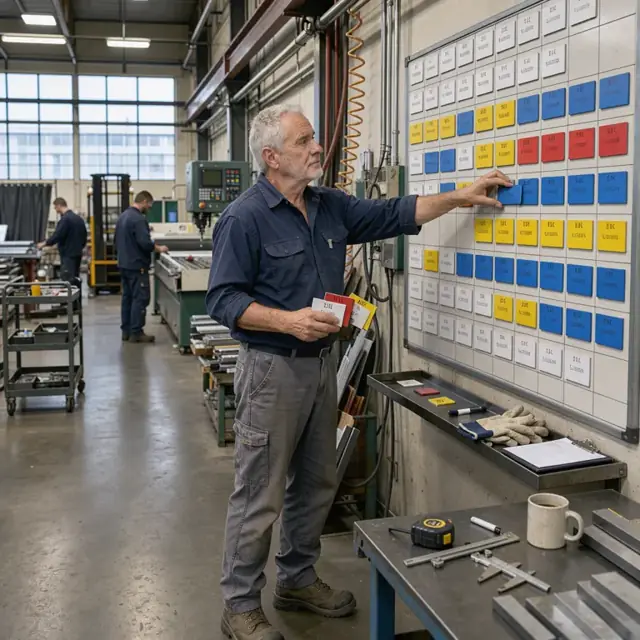
Production Scheduler
Build daily dispatch lists and assign jobs to machines and operators while respecting setup and capacity constraints.
Works in: Ambitious Tasks, Process Optimizer · Workflows: Production scheduling and dispatching
Automates
- Sequences jobs by due date and required work cells
- Factors setup and run times into the schedule
- Creates digital traveler packets for each station
- Adjusts the board when jobs finish early or late
Stops for a person
- Lead machinists review and may reprioritize the daily list
- The owner sets overall capacity and overtime rules

Quality Clerk
Capture dimensional, torque and visual inspection data against each job's requirements and maintain traceability records.
Works in: Ambitious Tasks, Ambitious Docs, Ambitious Sheets · Workflows: In-process and final quality checks
Automates
- Generates job-specific inspection checklists
- Logs measurements and flags out-of-tolerance results
- Attaches material certificates and weld logs to the job file
- Prepares final inspection packets for shipment
Stops for a person
- Inspectors personally perform and sign off on all critical measurements
- Disposition of nonconforming parts is decided by the owner or engineer

Tooling and Maintenance Coordinator
Track tooling life, schedule preventive maintenance and calibration, and maintain fixture drawings.
Works in: Ambitious Sheets, Ambitious Tasks, Process Optimizer · Workflows: Tooling, fixture and equipment maintenance
Automates
- Calculates remaining tool life based on cycles run
- Creates maintenance tasks for machines and fixtures
- Schedules gauge and press calibration before due dates
- Organizes revision-controlled tooling drawings
Stops for a person
- Maintenance and calibration work is performed and signed by qualified technicians
- The owner approves purchase of new tooling and fixtures

Shipping Coordinator
Prepare accurate labels, packing lists and shipping documents once parts pass final inspection.
Works in: Ambitious Tasks, Ambitious Docs · Workflows: Final packaging, labeling and shipment
Automates
- Generates customer-specific barcoded labels and packing slips
- Selects packaging type and adds required markings
- Creates shipment tasks and carrier notifications
- Closes completed jobs and updates inventory records
Stops for a person
- A person verifies packaging and labeling before parts leave the building
- The owner approves any expedited freight charges
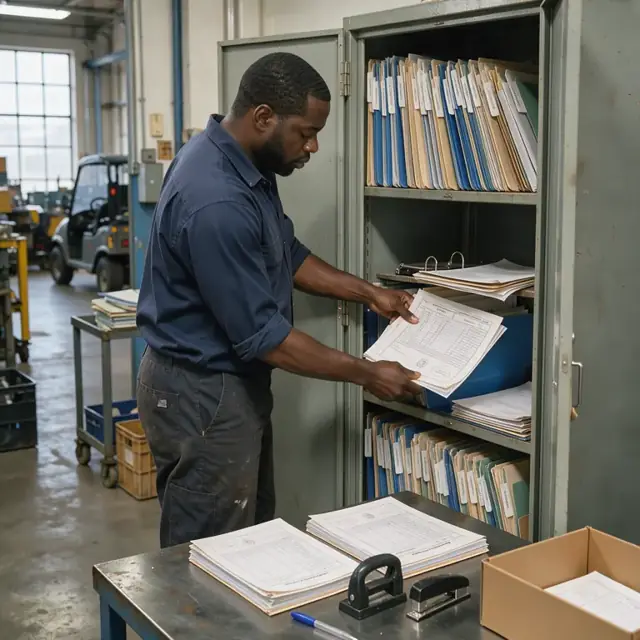
Compliance and Records Clerk
Organize material certifications, inspection reports, maintenance logs and renewal reminders for customer and regulatory review.
Works in: Ambitious Docs, Ambitious Sheets, Ambitious Tasks · Workflows: Regulatory and customer record keeping
Automates
- Compiles job-specific quality and traceability files
- Tracks calibration, permit and certification due dates
- Generates summary reports of scrap and on-time performance
- Prepares organized folders for audits
Stops for a person
- The owner confirms which requirements apply to each product or customer
- People review and approve all records before they are sent or filed
Workflows
Order review and job creation
Starts when: New customer purchase order arrives by email or portal
- Parse part numbers, quantities, due dates and any special material or tolerance notes
- Check against open capacity on required work cells and flag conflicts
- Create a job packet containing drawing, routing, bill of materials and quality requirements
- Draft acknowledgment with confirmed ship date
- Assign unique job traveler number and attach to the production board
Watch for: Exact match of customer-specified material grades and finishes; Any deviation from standard routing must be approved before release
Material and component planning
Starts when: After job packet is approved and weekly for forecast
- Explode bill of materials for all released jobs
- Subtract current raw stock and on-order quantities using lot traceability
- Generate purchase requisitions for steel, aluminum, fasteners and subcontracted items
- Update reorder points for high-turnover items like brake pads and hose kits
- Flag long-lead items that will affect the master schedule
Watch for: Material must be ordered to certified mill specs with heat numbers; Shelf-life limited items such as adhesives and paints cannot be overstocked
Production scheduling and dispatching
Starts when: Each morning and after any job completion
- Load jobs into the master schedule by due date and work-cell priority
- Assign jobs to specific machines and operators based on setup and run times
- Generate daily dispatch lists and digital traveler packets for each station
- Adjust schedule when tooling or material is unavailable
- Notify downstream cells of incoming work
Watch for: Setup times vary significantly by part family; Shared CNC and weld stations create sequencing constraints
In-process and final quality checks
Starts when: At completion of each defined operation and before shipment
- Pull the job-specific inspection checklist and dimensional requirements
- Record first-article, in-process and final measurements against tolerances
- Log torque values, weld inspections and paint thickness where required
- Flag nonconforming parts and initiate rework or scrap disposition
- Attach completed inspection records to the job packet
Watch for: Traceability to raw material heat numbers and welder qualifications; Certain customers require signed-off documentation
Tooling, fixture and equipment maintenance
Starts when: On scheduled intervals and after each production run
- Track usage hours or cycles for dies, fixtures and cutting tools
- Generate preventive-maintenance tasks for CNC machines, presses and paint booths
- Schedule calibration of calipers, micrometers and torque wrenches
- Draft purchase requests for replacement tooling before stock-out
- Maintain revision-controlled drawings for all shop fixtures
Watch for: Worn tooling can cause out-of-tolerance parts and must be caught early; Calibration records must be available for audits
Final packaging, labeling and shipment
Starts when: After final quality approval
- Generate customer-specific labels, barcodes and packing lists
- Select appropriate packaging and corrosion protection per part type
- Print required labels for exhaust and brake components when needed
- Create shipment task and notify carrier
- Close job in the system and update inventory
Watch for: Some parts require serialized tracking through the supply chain; Returnable dunnage must be logged and scheduled for pickup
Regulatory and customer record keeping
Starts when: End of each production day and on fixed calendar dates
- Compile material certificates, inspection reports and welder logs per job
- Update equipment maintenance and calibration status sheets
- Track renewal dates for environmental permits, waste manifests and certifications
- Organize records for customer audits or spot checks
- Draft summary reports of scrap, rework and on-time delivery
Watch for: Record retention periods vary by customer and part type; The owner must confirm which regulatory requirements apply to each product line
Bot templates for this industry
Source: U.S. Small Business Administration, Office of Size Standards, Table of Small Business Size Standards Matched to North American Industry Classification System Codes, version March 2023 (effective 2023-03-17, NAICS 2022). Size standards are shown for reference only.