

Aircraft Engine and Engine Parts Manufacturing
Aircraft engine and engine parts manufacturers produce new engines, overhaul existing ones, and fabricate or repair precision components such as turbine blades, combustors, fuel nozzles and gear boxes. For a shop that receives both scheduled overhaul orders and urgent repair requests, the specialists convert incoming work orders into confirmed production and repair schedules, explode bills of materials into purchasing and kitting plans, sequence work through certified processes and test cells, route parts through quality gates, and maintain traceability records while the engineers and certified mechanics retain authority over technical decisions, airworthiness data and sign-offs.
What makes this business different
- Strict configuration control and serialized traceability for every part and assembly
- Approved processes with detailed work instructions that cannot be altered without engineering approval
- Long-lead-time parts and consumables with tight shelf-life controls
- Scheduling that balances scheduled overhauls, spare-part production and emergency repairs
- Multiple quality and inspection gates including non-destructive testing, dimensional checks and final test-cell runs
- Detailed routing sheets, traveler documents and digital sign-off records that follow each part through every station
- Supplier certifications, material test reports and lot traceability that must be attached to every order
- Preventive maintenance on high-value CNC machines, grinders, test cells and balancing equipment
Specialist bots

Order Configurator
Convert incoming overhaul, repair and new-part orders into validated master work orders with correct configuration and technical data references.
Works in: Ambitious Tasks, Ambitious Docs, Contract Analyzer · Workflows: Order intake and configuration validation
Automates
- Reads purchase orders and repair tags
- Validates engine model and serial configuration against approved data
- Attaches the correct work instructions and drawing revisions
- Drafts customer acknowledgment
- Creates the master work order task
Stops for a person
- Engineering approves any configuration deviations
- The quality manager confirms that all required documents are present
- A person sends all customer communications
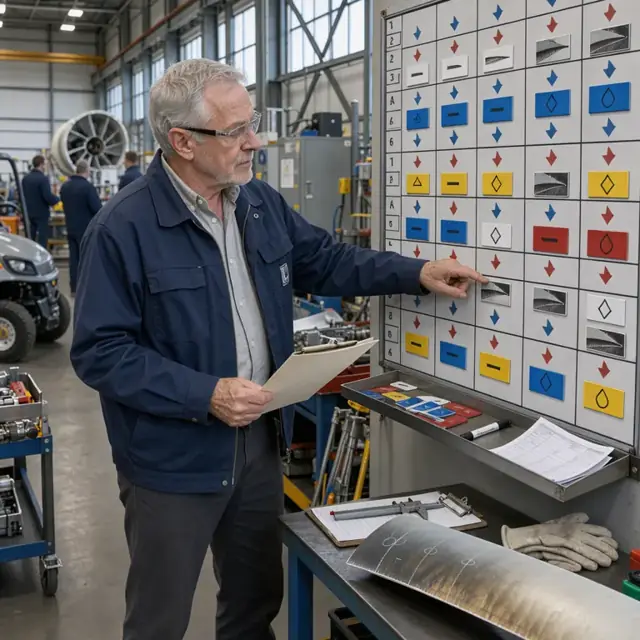
Production Scheduler
Build and maintain the master shop schedule that balances overhauls, repairs and spare-part production across all work centers.
Works in: Ambitious Tasks, Ambitious Sheets · Workflows: Production and repair scheduling
Automates
- Loads validated work orders into the schedule
- Sequences operations respecting certification and test-cell constraints
- Generates daily dispatch lists and traveler packets
- Flags capacity conflicts and suggests priority adjustments
Stops for a person
- The operations manager approves all schedule changes that affect delivery dates
- Certified personnel assignments are confirmed by the shop supervisor

Materials and Kitting Planner
Explode bills of materials, generate purchase requisitions and prepare serialized kits for each production station.
Works in: Ambitious Sheets, Ambitious Tasks, Ambitious Docs · Workflows: Bill of materials explosion and kitting
Automates
- Calculates exact material requirements by engine serial
- Checks and reserves inventory with traceability
- Creates purchase requisitions for long-lead items
- Prints kit lists and labels for each work station
Stops for a person
- The buyer places all purchase orders and spends funds
- Engineering approves any substitute materials

Quality and Inspection Router
Route parts through required inspection and test points and capture results against engineering requirements.
Works in: Ambitious Tasks, Ambitious Docs, Ambitious Sheets · Workflows: In-process inspection and quality routing
Automates
- Advances the traveler to the next inspection gate
- Prompts for required inspection data entry
- Compares measurements to specification limits
- Initiates hold tags for discrepant parts
- Updates digital traceability records
Stops for a person
- Only certified inspectors may perform and sign off certain checks
- The quality manager reviews all nonconformance reports
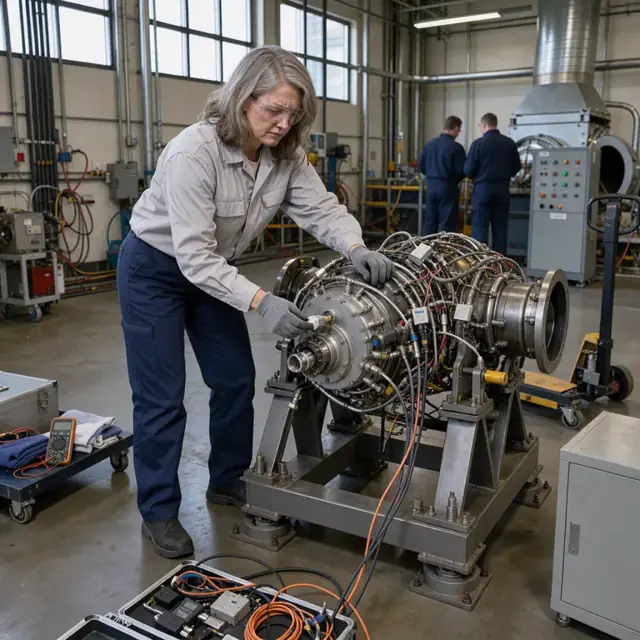
Test Cell Coordinator
Schedule engines and components in test cells, load approved procedures and compile performance reports.
Works in: Ambitious Tasks, Ambitious Docs, Process Optimizer · Workflows: Final test cell and certification
Automates
- Books available test-cell time
- Loads the correct test procedure and data channels
- Captures and organizes test data
- Generates draft test reports for review
Stops for a person
- The test engineer approves test setup and any deviations
- Final test reports and certifications are signed by authorized personnel only

Supplier and Receiving Coordinator
Manage incoming supplier parts, verify certifications and release material to production.
Works in: Ambitious Tasks, Ambitious Docs, Ambitious Sheets · Workflows: Supplier coordination and receiving inspection
Automates
- Matches shipments to purchase orders
- Checks accompanying certifications and test reports
- Creates receiving inspection tasks
- Updates inventory with lot and serial traceability
Stops for a person
- The receiving inspector performs and documents all physical inspections
- The quality manager approves vendor documentation before release

Equipment Maintenance Coordinator
Track usage on machines and test cells and schedule preventive maintenance and calibrations to keep equipment available.
Works in: Ambitious Tasks, Ambitious Sheets, Process Optimizer · Workflows: Preventive maintenance and calibration
Automates
- Monitors machine hours and cycles
- Generates preventive maintenance tasks on schedule
- Tracks calibration due dates
- Flags any equipment that cannot be used until serviced
Stops for a person
- Maintenance technicians perform and document the actual work
- The engineering manager approves return-to-service after major repairs
Workflows
Order intake and configuration validation
Starts when: Receipt of customer purchase order, overhaul request or repair tag
- Parse the order for engine model, serial numbers, required work scope and any urgency flags
- Validate configuration against approved technical data and customer-specific requirements
- Check lead times against current shop capacity and material availability
- Create a master work order with attached technical data and traceability fields
- Draft acknowledgment and request any missing documentation
Watch for: Critical parts must match the exact engine configuration and cannot be substituted without engineering approval; Emergency repairs require immediate escalation and priority scheduling
Production and repair scheduling
Starts when: After order validation and on a daily cadence
- Load new and existing work orders into the master schedule
- Sequence operations across machining, assembly, test and inspection stations
- Balance scheduled overhauls with urgent repairs and spare-part demand
- Assign certified personnel and equipment to each operation
- Generate daily dispatch lists and traveler documents for the shop floor
Watch for: Certain operations require specific certified mechanics or inspectors; Test-cell availability is a hard constraint
Bill of materials explosion and kitting
Starts when: After work order creation and weekly for replenishment
- Explode the approved bill of materials for the specific engine configuration
- Reserve or order serialized and lot-controlled parts
- Subtract available inventory and generate purchase requisitions
- Create kit lists for each disassembly, repair and assembly station
- Track shelf-life limited materials and flag expiring stock
Watch for: All materials must carry traceability to manufacturer certifications and test reports; Rotable and repairable parts must be tracked by serial number throughout the process
In-process inspection and quality routing
Starts when: At completion of each defined operation
- Route the traveler to the next required inspection or test point
- Capture dimensional, NDT and visual inspection results
- Compare results against engineering specifications
- Hold nonconforming parts and initiate discrepancy reports
- Update traceability records with inspector sign-off
Watch for: Only personnel with current certifications may perform certain inspections; All quality records must be retained for the life of the engine
Final test cell and certification
Starts when: After assembly completion
- Schedule the engine or component in an available test cell
- Load the approved test procedure and data acquisition settings
- Capture performance data and compare against acceptance criteria
- Generate test reports and attach to the work order
- Prepare final release documentation
Watch for: Test cells require specific environmental and safety certifications; Only authorized engineers may approve deviations from test limits
Supplier coordination and receiving inspection
Starts when: On receipt of purchased parts or vendor repairs
- Match incoming shipments to open purchase orders
- Perform receiving inspection and verify certifications and traceability
- Quarantine non-conforming material and notify the buyer
- Update inventory records with lot and serial data
- Release accepted material to production kitting
Watch for: Supplier quality must be verified against approved vendor list requirements; Material test reports and certificates of conformance must be scanned and attached
Preventive maintenance and calibration
Starts when: On scheduled intervals or usage triggers
- Track hours or cycles on each critical machine and test cell
- Generate preventive maintenance and calibration work orders
- Record results and update equipment history
- Flag any equipment that falls out of calibration before use on production parts
- Maintain records required for audits
Watch for: Certain equipment must be calibrated by certified outside labs; Production cannot proceed on equipment past due for maintenance
Bot templates for this industry
Source: U.S. Small Business Administration, Office of Size Standards, Table of Small Business Size Standards Matched to North American Industry Classification System Codes, version March 2023 (effective 2023-03-17, NAICS 2022). Size standards are shown for reference only.