

Guided Missile and Space Vehicle Manufacturing
Guided missile and space vehicle manufacturers take government and prime-contractor requirements, produce precision airframes, propulsion systems and guidance packages in low volumes, and deliver against strict schedules. For a facility that assembles custom missiles and small satellites, the specialists turn contract requirements into verified drawings and bills of materials, bills of materials into procurement and kitting plans, kitting plans into sequenced assembly and test flows, and test data into delivery and certification packages. Engineering tolerances, ITAR controls, configuration management and range safety approvals stay with the engineers and quality team.
What makes this business different
- Contract-driven requirements that flow down from top-level specifications to every part and process
- Configuration management with revision-controlled drawings, ECOs and as-built records
- Low-volume, high-precision assembly with serialized parts and traceability
- Long-lead procurement of controlled materials, components and subsystems with strict supplier qualification
- Multi-stage integration, functional testing, environmental testing and range safety reviews
- ITAR, EAR and classified data handling with documented access controls and visitor logs
- Government inspections, quality audits, first-article testing and delivery acceptance
- Asset tracking for high-value tooling, fixtures, ground support equipment and flight hardware
Specialist bots

Requirements Analyst
Convert contract documents into a traceable requirements matrix and verification plan.
Works in: Ambitious Docs, Ambitious Sheets, Contract Analyzer · Workflows: Contract requirements flowdown
Automates
- Extracts requirements from statements of work and specifications
- Builds traceability matrices linking contract to subsystems
- Flags missing verification methods
- Drafts the compliance matrix for review
Stops for a person
- Systems engineers confirm critical safety items and key characteristics
- Program management approves all flowed-down requirements before release

Configuration Manager
Maintain revision-controlled drawings, ECOs and as-built configuration records.
Works in: Ambitious Docs, Ambitious Tasks, Ambitious Sheets · Workflows: Drawing release and bill of materials creation
Automates
- Checks new drawings against the current baseline
- Generates bills of materials with correct revisions
- Creates traceability for serialized parts
- Prepares release packages for planning
Stops for a person
- Engineering approves every drawing and ECO before release
- Quality confirms that only released revisions are used in production

Procurement and Kitting Coordinator
Turn released bills of materials into purchase requisitions, inspect incoming parts and prepare production kits.
Works in: Ambitious Sheets, Ambitious Tasks, Ambitious Docs · Workflows: Procurement, receiving and kitting
Automates
- Creates purchase requisitions with full technical data
- Tracks supplier due dates and certificates
- Matches incoming parts to purchase orders
- Assembles serialized kits with traceability records
Stops for a person
- Purchasing agents place all orders and spend funds
- Quality inspectors perform receiving verification and material review board decisions
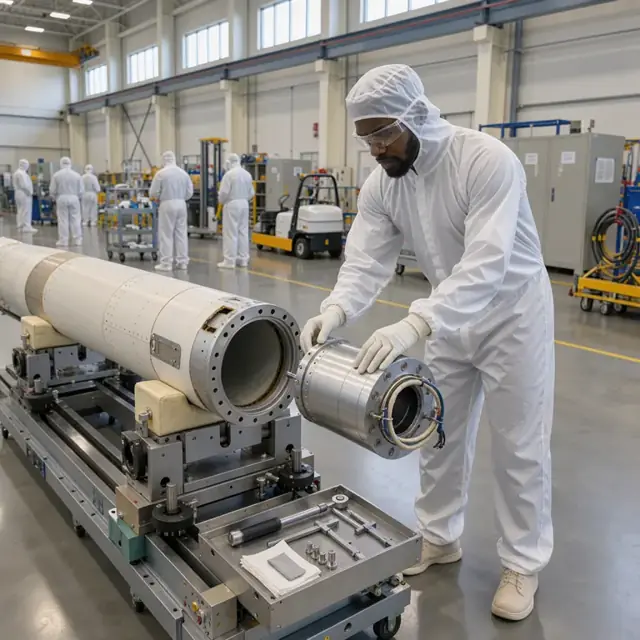
Production Scheduler
Sequence assembly, integration and test operations across bays, stands and chambers.
Works in: Ambitious Tasks, Process Optimizer · Workflows: Assembly, integration and test sequencing
Automates
- Builds detailed work order sequences with dependencies
- Reserves integration bays and test equipment
- Inserts mandatory inspection and hold points
- Tracks progress against the integrated master schedule
Stops for a person
- Manufacturing engineers approve the final sequence
- The floor supervisor releases work and handles real-time adjustments

Quality and Certification Documenter
Compile test data, inspection records and delivery acceptance packages.
Works in: Ambitious Docs, Ambitious Sheets, Ambitious Tasks · Workflows: Quality assurance and certification package
Automates
- Collects all inspection and test results into a single package
- Performs automated configuration audits
- Drafts customer data submittals and acceptance forms
- Prepares shipment documentation
Stops for a person
- Quality engineers review every record and sign the acceptance paperwork
- Government or customer representatives perform final source inspection and approval

Tooling and Asset Manager
Track calibrated tools, fixtures, ground support equipment and high-value assets.
Works in: Ambitious Sheets, Ambitious Tasks, Ambitious Docs · Workflows: Asset, tooling and equipment management
Automates
- Maintains calibration and maintenance schedules
- Alerts before certifications expire
- Logs usage and location of assets
- Generates pre-use checklists
Stops for a person
- Technicians confirm tool condition before use
- The metrology lab performs all calibrations and certifications
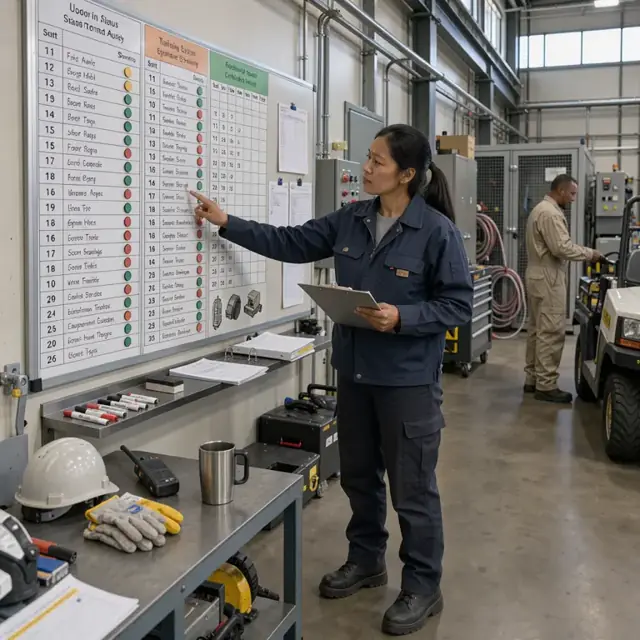
Compliance and Renewal Clerk
Monitor training, clearances, certifications and audit schedules across programs.
Works in: Ambitious Tasks, Ambitious Sheets, Ambitious Docs · Workflows: Compliance tracking and renewal
Automates
- Tracks expiration dates for licenses, clearances and approvals
- Generates audit preparation checklists
- Maintains training and visit logs
- Drafts renewal reminders
Stops for a person
- The security officer and program manager confirm which requirements apply
- All audits, training and corrective actions are performed and approved by people
Workflows
Contract requirements flowdown
Starts when: New contract award or modification received
- Parse the statement of work, specifications and contract data requirements list
- Break down top-level requirements into subsystem and component specifications
- Identify critical safety items, key characteristics and verification methods
- Create a requirements traceability matrix linking contract to drawings and tests
- Flag any discrepancies for engineering review
Watch for: Every requirement must be verified by test, analysis, inspection or similarity; Changes to flowed-down requirements require formal approval
Drawing release and bill of materials creation
Starts when: Approved engineering change or new design release
- Check new or revised drawings against configuration baseline
- Generate exploded bill of materials with part numbers, revisions and quantities
- Assign serial numbers or lot numbers where required
- Verify that all referenced specifications and standards are current
- Release the package to planning and procurement
Watch for: Only released revisions may be used in production; Any deviation or waiver must be documented and approved
Procurement, receiving and kitting
Starts when: Bill of materials released or reorder point reached
- Create purchase requisitions with full technical data packages and quality clauses
- Track supplier qualifications, delivery dates and certificates of conformance
- Inspect and verify incoming materials against drawings and purchase orders
- Quarantine non-conforming parts and initiate material review
- Kit parts and materials for each assembly work order with serialized traceability
Watch for: Long-lead items must be ordered months in advance; Counterfeit parts prevention and traceability records are mandatory
Assembly, integration and test sequencing
Starts when: Kitted work order released to production floor
- Generate sequenced work instructions with torque, alignment and bonding steps
- Schedule integration bays, test stands and environmental chambers
- Record assembly data, measurements and technician certifications
- Route hardware through in-process inspections and functional tests
- Capture as-built configuration and test results in the digital traveler
Watch for: Clean-room or ESD-controlled areas required for certain stages; Foreign object debris prevention and tool accountability are enforced at every station
Quality assurance and certification package
Starts when: Completion of final acceptance testing
- Compile all inspection, test and traceability records
- Perform final configuration audit against the baseline
- Draft government acceptance paperwork and data packages
- Schedule customer or DCMA source inspection
- Prepare shipment containers with proper labeling and handling instructions
Watch for: All quality records must be legible, retrievable and retained for the contract life; Any anomaly requires formal root-cause analysis and corrective action
Asset, tooling and equipment management
Starts when: Monthly and before each major assembly
- Inventory calibrated tools, fixtures and ground support equipment
- Schedule calibration, inspection and preventive maintenance
- Track location and status of high-value flight and test assets
- Flag expired certifications before use
- Maintain usage logs for flight hardware and simulators
Watch for: Only calibrated and certified equipment may be used for acceptance activities; Tooling must be inspected for wear before each build
Compliance tracking and renewal
Starts when: Quarterly and on expiration dates
- Monitor expiration of facility certifications, employee clearances and supplier approvals
- Generate checklists for upcoming audits and reviews
- Track training currency for technicians and inspectors
- Draft renewal submissions for export licenses and security plans
- Maintain visitor and classified visit logs
Watch for: The program manager confirms which government requirements apply to each contract; People perform and sign off on all audits and corrective actions
Bot templates for this industry
Source: U.S. Small Business Administration, Office of Size Standards, Table of Small Business Size Standards Matched to North American Industry Classification System Codes, version March 2023 (effective 2023-03-17, NAICS 2022). Size standards are shown for reference only.