

Railroad Rolling Stock Manufacturing
Railroad rolling stock manufacturers produce locomotives, freight cars, passenger cars and railcar components under strict engineering specifications, safety standards and customer contracts. For a shop that builds custom freight cars and refurbishes locomotives on a project basis, the specialists turn bid requests into detailed estimates, contracts into production schedules with long-lead items, drawings into shop work orders, and track material certifications, inspections, weld records and regulatory paperwork through to final delivery and acceptance.
What makes this business different
- Long-lead procurement of specialty steel, wheels, couplers, brakes and electrical systems ordered months in advance
- Complex multi-year contracts with milestone payments, change orders and customer-furnished materials
- Strict engineering change control, weld procedures, non-destructive testing and material traceability records
- Railroad-specific safety and regulatory requirements including FRA, AAR and customer-mandated specifications
- Large physical assets such as assembly bays, cranes, painting booths and wheel shops that must be scheduled without conflict
- Multi-stage inspections by in-house quality, customer representatives and third-party inspectors at hold points
- Coordination with suppliers for castings, forgings and electronic controls that arrive on precise dates
Specialist bots
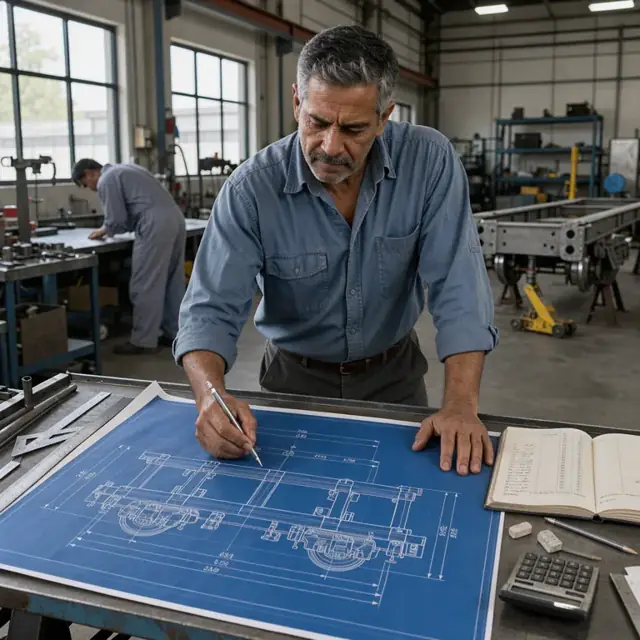
Bid Estimator
Convert bid packages into accurate cost estimates, schedules and compliance matrices for railroad rolling stock projects.
Works in: Ambitious Sheets, Ambitious Docs, Process Optimizer · Workflows: Bid and estimate preparation
Automates
- Parses technical specifications and drawings to create material takeoffs
- Builds bottom-up labor and material estimates from historical data
- Identifies long-lead items and produces preliminary schedule
- Generates compliance matrix against customer requirements
Stops for a person
- Engineering reviews technical exceptions and clarifications
- Management approves final bid pricing and margins before submission
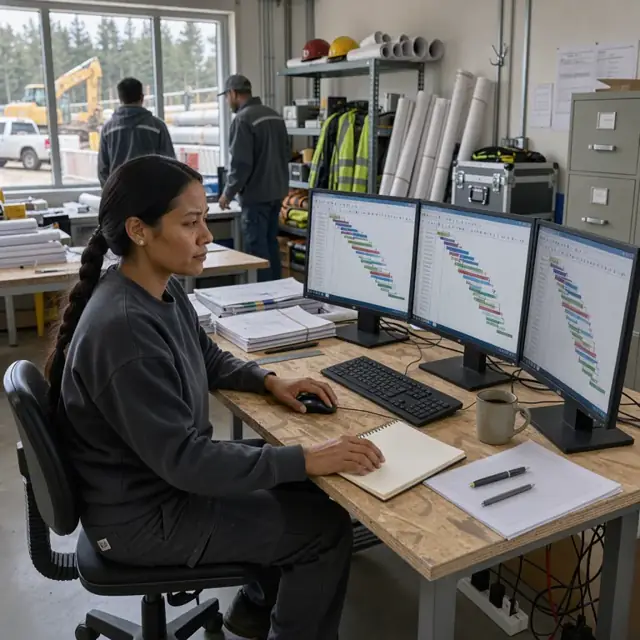
Contract Administrator
Load awarded contracts, extract milestones and maintain all contractual documentation and change orders.
Works in: Ambitious Docs, Ambitious Tasks, Ambitious Sheets · Workflows: Contract award and kickoff
Automates
- Extracts and calendars all delivery, inspection and payment milestones
- Creates master bill of materials from contract drawings
- Tracks change orders and associated schedule and cost impacts
- Maintains the central contract document repository
Stops for a person
- Project manager confirms baseline schedule and budget
- Legal reviews any contract modifications before execution

Materials and Procurement Coordinator
Manage procurement of long-lead railcar components, track certifications and maintain material traceability.
Works in: Ambitious Sheets, Ambitious Tasks, Ambitious Docs · Workflows: Procurement and materials management
Automates
- Generates purchase requisitions from the project bill of materials
- Tracks supplier lead times against the master schedule
- Collects and organizes material test reports and certifications
- Monitors inventory of consumables used across active projects
Stops for a person
- Purchasing manager approves all purchase orders and expenditures
- Engineering confirms substitutions meet specification requirements
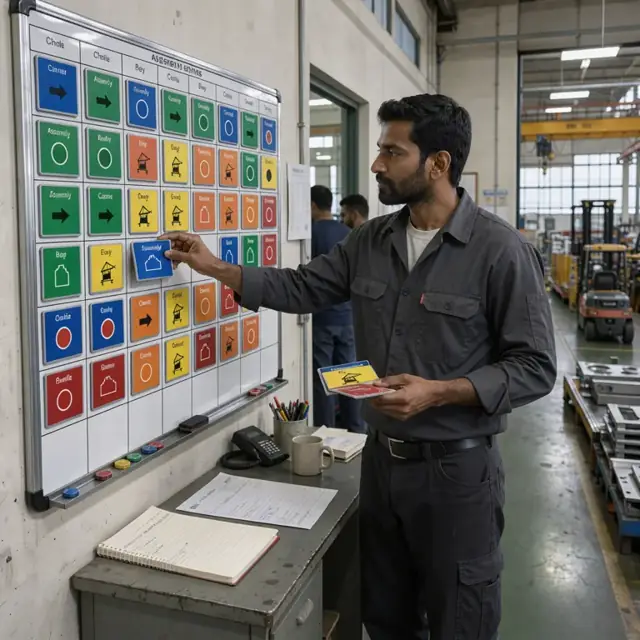
Production Master Scheduler
Maintain the master production schedule across all active railcar and locomotive projects while resolving resource conflicts.
Works in: Process Optimizer, Ambitious Sheets · Workflows: Production scheduling and capacity planning
Automates
- Integrates all projects into a single facility schedule
- Sequences work through limited resources such as paint booths and cranes
- Produces weekly look-ahead reports and critical path updates
- Adjusts schedule when material or customer dates shift
Stops for a person
- Production manager approves changes to the master schedule
- Project managers confirm customer milestone impacts

Shop Workflow Coordinator
Convert released engineering into shop work orders, track progress and capture required quality records during fabrication and assembly.
Works in: Ambitious Tasks, Ambitious Docs, Ambitious Sheets · Workflows: Shop production and work order execution
Automates
- Generates sequenced work orders from drawings and BOM
- Tracks labor and material against each operation
- Routes parts through fabrication, welding and assembly steps
- Collects weld and inspection data in real time
Stops for a person
- Foremen approve daily work assignments and resolve production issues
- Quality assurance reviews all non-conformance reports
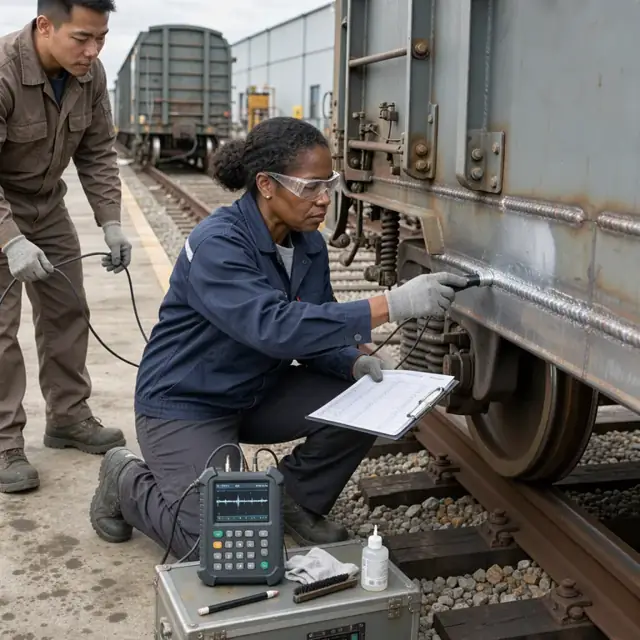
Quality and Inspection Documentation Specialist
Build and maintain inspection and test plans, compile material traceability packages and prepare final data books for customer acceptance.
Works in: Ambitious Docs, Ambitious Sheets, Ambitious Tasks · Workflows: Quality assurance and regulatory inspections, Final delivery and customer acceptance
Automates
- Generates hold-point inspection checklists from contract requirements
- Organizes weld records, NDT reports and material certifications
- Tracks punch list items through resolution
- Assembles the final regulatory and customer data book
Stops for a person
- Quality manager confirms all required inspections are complete
- Engineering and customer representatives approve final acceptance documents
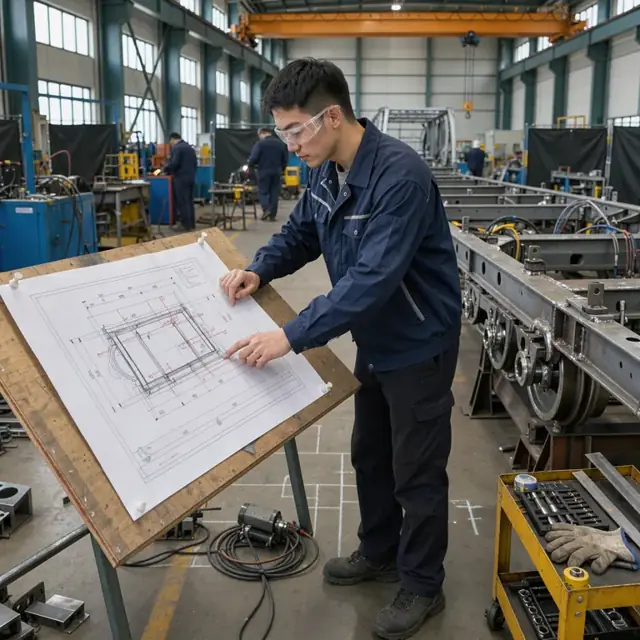
Engineering Document Controller
Control release of drawings and specifications, manage engineering change notices and maintain revision history across all projects.
Works in: Ambitious Docs, Ambitious Tasks · Workflows: Contract award and kickoff, Shop production and work order execution
Automates
- Tracks drawing revisions and notifies downstream departments
- Routes engineering change requests for approval
- Maintains the controlled document library for each project
- Ensures shop is always working to the latest approved revision
Stops for a person
- Chief engineer approves all drawing releases and changes
- Project manager verifies configuration control before production
Workflows
Bid and estimate preparation
Starts when: Receipt of a request for quotation or bid package from a railroad or leasing company
- Parse the technical specification, drawings and commercial terms from the bid package
- Break the project into labor, material and subcontract elements using historical data
- Draft a detailed cost estimate and proposed schedule with long-lead items identified
- Generate a compliance matrix showing how each requirement is met
- Assemble the bid package with exceptions and clarifications for review
Watch for: Accurate material takeoffs for specialty railcar components with volatile steel pricing; Identification of items requiring customer-furnished material or special certifications
Contract award and kickoff
Starts when: Notice of award or signed contract received
- Load all contract documents, specifications, drawings and amendments into the project folder
- Extract and calendar all milestone dates, submission deadlines and inspection hold points
- Create the master bill of materials and flag long-lead procurement items
- Issue the internal project authorization with budget and schedule baselines
- Schedule the internal kickoff meeting and customer kickoff call
Watch for: Immediate identification of any discrepancies between bid assumptions and final contract terms; Tracking of customer-furnished equipment delivery dates that affect the production schedule
Procurement and materials management
Starts when: Approved bill of materials after contract kickoff and ongoing as design changes occur
- Generate purchase requisitions for raw materials, components and subcontracted services
- Track supplier quotations, lead times and certifications against project schedule
- Maintain material traceability records from mill heat numbers through to installed location
- Monitor incoming inspection and quarantine of non-conforming materials
- Update inventory of consumables and shop supplies used across multiple projects
Watch for: Material certifications and mill test reports must be collected and filed before fabrication begins; Certain components require AAR approval or specific vendor qualifications
Production scheduling and capacity planning
Starts when: Weekly and after any major change order or delay
- Load all active projects into the master schedule showing assembly bay and paint booth usage
- Sequence work orders through fabrication, welding, assembly, painting and final test
- Identify resource conflicts on large equipment such as overhead cranes and wheel truing machines
- Adjust schedule for material availability and customer inspection windows
- Produce weekly look-ahead reports showing critical path activities
Watch for: Assembly bays and paint booths are limited physical assets that cannot be double-booked; Certain welding and NDT activities require certified personnel available only on specific shifts
Shop production and work order execution
Starts when: Release of approved drawings and bill of materials to the floor
- Convert engineering drawings into sequenced shop work orders with required inspections
- Track labor hours and material usage against each work order in real time
- Route parts through fabrication, sub-assembly, main assembly and paint
- Capture weld procedure specifications, welder qualifications and inspection results
- Flag any deviations or non-conformances for engineering disposition
Watch for: Every weld and critical dimension must have documented inspection records; Paint and coating applications require environmental controls and cure-time tracking
Quality assurance and regulatory inspections
Starts when: At every defined hold point and upon completion of major assemblies
- Generate the inspection and test plan with customer witness points
- Schedule and record in-process inspections, NDT and dimensional checks
- Compile material traceability and welder qualification packages
- Prepare cars for customer or FRA inspection and track punch-list items
- Maintain the final data book with all required certifications
Watch for: Multiple parties (in-house QA, customer, AAR, FRA) may need to witness specific tests; Non-conformance reports must be routed through formal engineering and quality review
Final delivery and customer acceptance
Starts when: Completion of all inspections and paperwork for a completed railcar or locomotive
- Coordinate final customer acceptance testing and ride quality checks
- Prepare all required delivery documentation and regulatory filings
- Schedule transport or rail movement to the customer site
- Capture signed acceptance certificate and release for payment
- Close the project file and update historical cost data for future estimates
Watch for: Railcars must meet weight, clearance and brake test requirements before movement; Final data books are often submitted electronically in specific customer formats
Bot templates for this industry
- Railroad Rolling Stock Manufacturing (7 bots)
Source: U.S. Small Business Administration, Office of Size Standards, Table of Small Business Size Standards Matched to North American Industry Classification System Codes, version March 2023 (effective 2023-03-17, NAICS 2022). Size standards are shown for reference only.