

All Other Transportation Equipment Manufacturing
Manufacturers in this industry produce diverse transportation equipment such as motorcycles, bicycles, snowmobiles, utility vehicles, golf carts, trailers, and specialty transport devices. For a shop that builds custom utility trailers and snowmobile sleds in small batches, the specialists turn customer specifications into verified engineering drawings, drawings into bill-of-materials and procurement lists, parts into a sequenced build schedule, and finished units into delivery and service documentation. Design tolerances, welding certifications, safety testing and DOT compliance paperwork stay with the lead fabricator and engineer.
What makes this business different
- Custom specifications for dimensions, payload ratings, axle configurations, materials and optional features that must match engineering drawings exactly
- Batch and one-off production runs with long lead times for specialty components
- Management of raw materials including steel tubing, aluminum sheet, axles, hitches and wiring harnesses with minimum order quantities
- Sequenced assembly with welding, painting, electrical and final inspection stations
- DOT, FMVSS and state-specific certifications, VIN assignments and manufacturer statements of origin
- Equipment maintenance logs for welders, presses, paint booths and test rigs
- Repeat commercial and government customers who reorder standard models with customizations
- Seasonal demand peaks for recreational and utility equipment
Specialist bots

Specification Verifier
Convert every customer inquiry into a complete, checked specification ready for engineering.
Works in: Ambitious Tasks, Ambitious Docs, Contract Analyzer · Workflows: Customer specification intake and verification
Automates
- Reads incoming order messages and forms
- Extracts dimensions, payload, axle, material and feature requirements
- Checks against existing models and shop standards
- Creates the engineering task with full specification
- Drafts the initial proposal
Stops for a person
- The lead engineer approves any non-standard payload or safety-critical requests
- A person sends the final proposal and handles deposit collection

Drawing and BOM Engineer
Transform verified specifications into accurate fabrication drawings and complete bills of materials.
Works in: Ambitious Docs, Ambitious Sheets, Process Optimizer · Workflows: Engineering drawing and bill of materials release
Automates
- Generates cut lists and material requirements from drawings
- Builds structured bill of materials with part sources
- Performs basic tolerance stack and load calculations
- Maintains drawing revision history
- Releases checked packages to production
Stops for a person
- The senior fabricator or engineer performs final drawing sign-off
- Critical safety components receive additional human review

Materials and Procurement Coordinator
Convert bills of materials into accurate purchase orders while maintaining raw material and component inventory.
Works in: Ambitious Sheets, Ambitious Tasks, Ambitious Docs · Workflows: Material and component procurement
Automates
- Explodes BOMs into supplier-specific order lists
- Subtracts current inventory and on-order quantities
- Drafts purchase orders for steel, axles and electrical parts
- Tracks lead times and flags potential schedule impacts
- Updates stock records upon material receipt
Stops for a person
- The owner approves and sends all purchase orders
- Material substitutions or grade changes require engineering approval
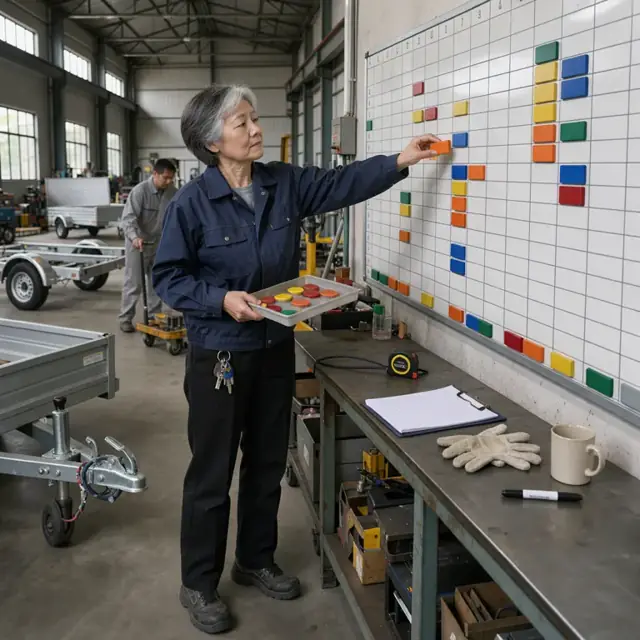
Production Scheduler
Create and maintain the detailed build schedule across all shop stations and resources.
Works in: Ambitious Tasks, Process Optimizer · Workflows: Production scheduling and sequencing
Automates
- Sequences jobs across cutting, welding, paint and assembly stations
- Assigns work orders with drawings and checklists
- Identifies and levels workload on shared equipment
- Adjusts schedule when materials are delayed
- Provides visibility into current job status
Stops for a person
- The shop lead adjusts priorities based on urgent customer needs
- A person confirms station readiness before releasing new work
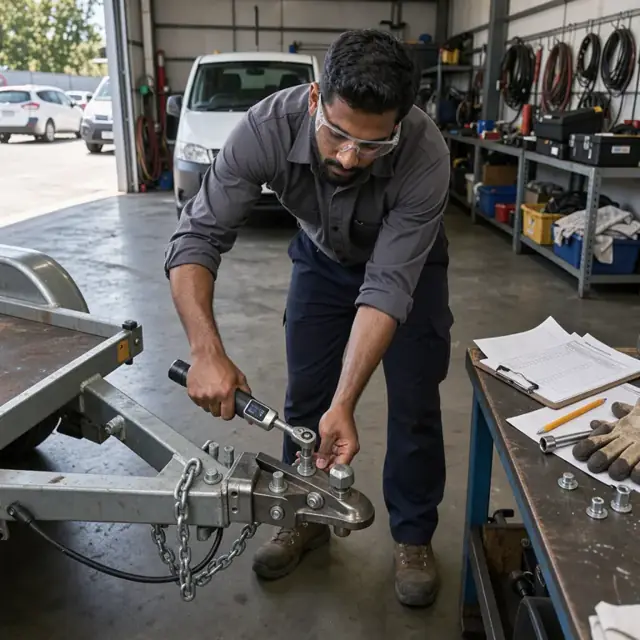
Quality and Compliance Inspector
Execute in-process and final inspection checklists and prepare all required certification documents.
Works in: Ambitious Tasks, Ambitious Docs, Ambitious Sheets · Workflows: In-process and final quality verification, Certification and documentation preparation
Automates
- Generates station-specific checklists from engineering drawings
- Records dimensional, weld, torque and electrical test results
- Prepares VIN plates, statements of origin and compliance paperwork
- Compiles complete build records for archive
- Flags any items that deviate from requirements
Stops for a person
- The lead fabricator performs and signs off on critical inspections
- A person confirms which state-specific documents are required and approves all outgoing certification packets
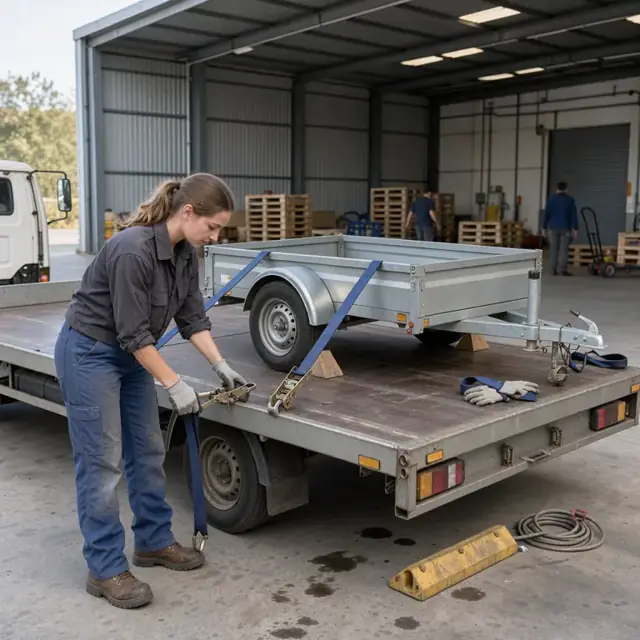
Shipping and Customer Dispatch Coordinator
Arrange final delivery or pickup, prepare shipping instructions and initiate post-sale support.
Works in: Ambitious Tasks, Ambitious Docs, Email Buckets · Workflows: Shipping, delivery and post-build support
Automates
- Schedules carrier pickup based on customer location
- Generates load and tie-down instructions specific to the unit
- Prepares final invoice and delivery checklist
- Drafts customer orientation and warranty registration materials
- Sets follow-up reminders for first service
Stops for a person
- The owner approves all final invoices and any special transport permits
- A person makes the customer hand-off call and handles any last-minute changes

Equipment Maintenance Tracker
Maintain schedules and logs for all shop equipment, tools and calibration records.
Works in: Ambitious Tasks, Ambitious Sheets, Ambitious Docs · Workflows: Shop equipment maintenance tracking
Automates
- Generates recurring maintenance checklists by equipment type
- Tracks usage hours and service dates
- Flags upcoming calibration or recertification needs
- Logs completed maintenance with parts and notes
Stops for a person
- The shop lead performs and signs off on all maintenance work
- A person confirms that critical equipment is safe before returning to service
Workflows
Customer specification intake and verification
Starts when: A new customer inquiry or order arrives by email, form or direct message
- Capture all dimensional, material, payload, feature and certification requirements
- Check specifications against standard models and shop capabilities
- Create an engineering task with complete customer requirements
- Draft a proposal with preliminary drawing and price
- Record deposit status if applicable
Watch for: Payload ratings and axle configurations must be captured exactly to meet legal requirements; Specialty features like reinforced frames or custom lighting must be flagged for engineering review
Engineering drawing and bill of materials release
Starts when: Approved customer specification or new model development
- Convert requirements into detailed fabrication drawings
- Generate a complete bill of materials with part numbers and sources
- Calculate material cut lists and weld schedules
- Run tolerance and load analysis where required
- Release checked drawings and BOM to production
Watch for: All drawings must be version controlled and include revision history; Critical safety items require multiple checks before release
Material and component procurement
Starts when: After engineering release and on a weekly cadence
- Explode the BOM into purchase requirements by supplier
- Check against current inventory and committed stock
- Draft purchase orders for steel, axles, couplers, lights and paint
- Track long-lead items and flag potential delays
- Update inventory upon receipt and inspection
Watch for: Raw material must be ordered to exact lengths and grades to minimize waste; Specialty components such as torsion axles often have long lead times
Production scheduling and sequencing
Starts when: Weekly and upon new release
- Sequence jobs by station availability: cutting, welding, assembly, paint, electrical and final test
- Assign work orders to each station with required drawings and checklists
- Identify shared resources such as the paint booth or frame jig
- Adjust schedule for incoming material delays
- Provide daily progress visibility
Watch for: Welding and paint stations are common bottlenecks; Multiple units share jigs and fixtures that must be scheduled
In-process and final quality verification
Starts when: At completion of each major station and before shipment
- Generate station-specific inspection checklists from the engineering drawings
- Record weld inspections, torque values, electrical tests and dimensional checks
- Perform final road test or load test where applicable
- Assign vehicle identification number and prepare certification documents
- Flag and quarantine any deviations
Watch for: Certain welds require visual or dye-penetrant inspection; Brake and lighting systems must meet specific federal motor vehicle safety standards
Certification and documentation preparation
Starts when: After successful final inspection
- Compile manufacturer statement of origin, certificate of conformity and build records
- Generate VIN labels and compliance plates
- Prepare warranty documents and owner manuals specific to the configuration
- Create shipping and delivery checklists
- Archive complete build packet
Watch for: Different states require different documentation for titling and registration; Government or fleet orders often need additional traceability records
Shipping, delivery and post-build support
Starts when: After certification completion and customer readiness
- Schedule pickup or delivery based on customer location and method
- Draft transport instructions including tie-down points and weight distribution
- Prepare final invoice and any required export papers
- Create customer hand-off checklist and schedule orientation call
- Set up warranty registration and first service reminder
Watch for: Oversize trailers may require special permitting for transport; Seasonal products have compressed delivery windows
Shop equipment maintenance tracking
Starts when: On a fixed calendar cadence and after each use for critical tools
- Generate maintenance checklists for welders, presses, paint booths and test rigs
- Record usage hours and inspection results
- Track calibration dates for torque tools and measurement equipment
- Flag items needing service or recertification
- Update maintenance log with parts used and technician notes
Watch for: Welding equipment and paint booths have strict maintenance intervals for safety certification; Calibration records must be kept for tools used in final inspections
Bot templates for this industry
Source: U.S. Small Business Administration, Office of Size Standards, Table of Small Business Size Standards Matched to North American Industry Classification System Codes, version March 2023 (effective 2023-03-17, NAICS 2022). Size standards are shown for reference only.