

Wood Kitchen Cabinet and Counter Top Manufacturing
Wood kitchen cabinet and counter top manufacturers take custom orders for cabinets, islands and countertops, produce in small batches or one-offs, and schedule installations. For a shop that builds to order using solid wood, plywood, laminates and stone, the specialists turn customer specs into cut lists and material orders, track jobs through milling, assembly, finishing and delivery, and manage shop capacity, permits and inspections. Design details, final approvals and quality calls stay with the owner and lead cabinetmaker.
What makes this business different
- Custom orders with many options (wood species, door styles, finishes, hardware, edge profiles, countertop materials and layouts) that must reach the shop exactly as specified
- Job-specific drawings, measurements and templates that drive every cut list
- Small-batch or one-off production with frequent changeovers between jobs
- Raw materials such as hardwood lumber, sheet goods, stone slabs and finishes ordered per job with waste tracking
- Shop scheduling that sequences milling, edge banding, assembly, sanding, finishing and drying around spray booth and clamp capacity
- Delivery and installation coordination with customer availability, site access and other trades
- Building permits, inspections, shop ventilation permits, finish VOC records and contractor licensing that vary by jurisdiction
- Repeat builders, designers and homeowners who reorder matching pieces for future renovations
Specialist bots

Order Specifier
Turn customer plans and requests into complete, shop-ready job specifications and folders.
Works in: Ambitious Docs, Ambitious Tasks, Contract Analyzer · Workflows: Order intake and specification
Automates
- Reads incoming plans, measurements and emails
- Extracts wood species, styles, finishes, hardware and countertop details
- Checks for missing information and drafts requests for clarification
- Creates the master job folder with all documents
- Drafts the order confirmation and deposit request
Stops for a person
- The owner reviews and approves pricing and lead times
- Any non-standard request is escalated to the lead cabinetmaker
- A person sends all confirmations and handles deposit collection

Cut List Engineer
Convert approved drawings into optimized cut lists, nesting patterns and material orders.
Works in: Ambitious Sheets, Ambitious Docs, Process Optimizer · Workflows: Cut list and material optimization
Automates
- Generates part-by-part cut lists from drawings
- Optimizes sheet layouts to reduce waste
- Calculates lumber and stone requirements
- Flags long-lead items and creates purchase lists
- Labels each part for shop routing
Stops for a person
- The lead cabinetmaker verifies grain matching and critical dimensions
- Final cut lists are approved before material is ordered
- Stone layout drawings are reviewed in person with the owner

Shop Scheduler
Sequence all jobs through the shop to meet due dates while respecting equipment and drying constraints.
Works in: Ambitious Tasks, Ambitious Sheets · Workflows: Shop production scheduling
Automates
- Builds weekly schedule by process and station
- Reserves spray booth and clamp time
- Adjusts for material arrival and dependencies
- Creates daily task lists for each workstation
Stops for a person
- The owner adjusts priorities when rush jobs arrive
- The lead cabinetmaker resequences when bottlenecks occur

Materials Coordinator
Generate accurate purchase orders for lumber, sheet goods, stone and hardware while tracking inventory and remnants.
Works in: Ambitious Sheets, Ambitious Tasks, Ambitious Docs · Workflows: Material purchasing and inventory
Automates
- Calculates exact material needs from cut lists
- Subtracts current stock and remnants
- Drafts supplier orders with specifications
- Logs receipts, defects and VOC usage
- Tracks offcuts for reuse
Stops for a person
- The owner approves and places all purchases
- Material substitutions are confirmed with the lead cabinetmaker
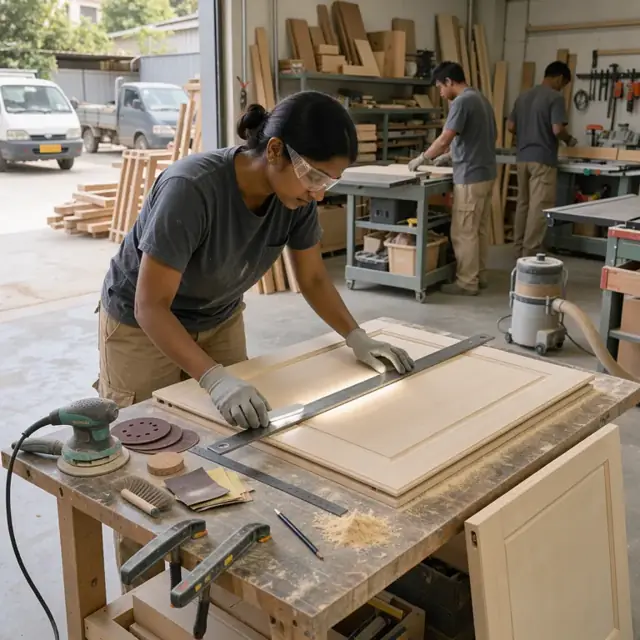
Quality Inspector
Run step-by-step quality checklists, record defects and prepare final inspection documentation and photos.
Works in: Ambitious Tasks, Ambitious Docs, Ambitious Sheets · Workflows: Quality control and final inspection
Automates
- Generates process-specific checklists
- Logs measurements, photos and rework items
- Verifies hardware and accessory kits
- Prepares punch lists for installation
Stops for a person
- The lead cabinetmaker performs all finish and fit approvals
- Final sign-off before delivery is done by the owner
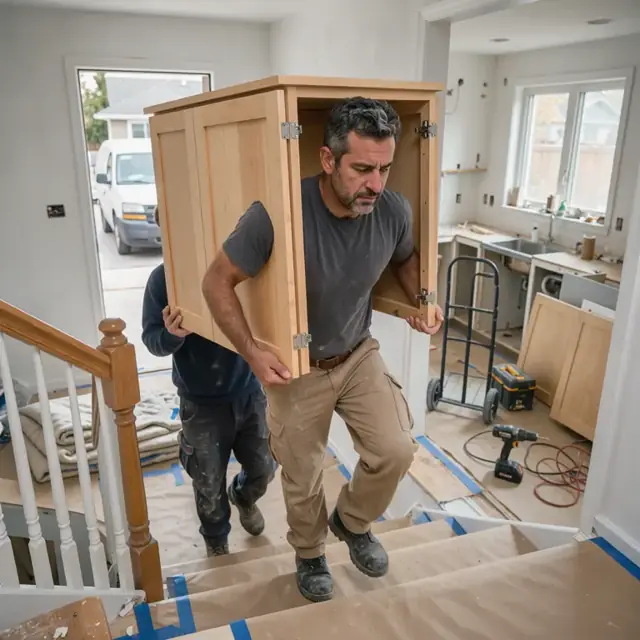
Installation Coordinator
Schedule deliveries, prepare packing lists, installation notes and track job acceptance on site.
Works in: Ambitious Tasks, Ambitious Docs · Workflows: Delivery and installation coordination
Automates
- Coordinates dates with customers and other trades
- Creates loading order and packing lists
- Generates site-specific installation instructions
- Logs signed acceptance and callback items
Stops for a person
- The owner or lead installer confirms all site conditions and schedules
- Any change orders discovered on site are approved by the owner before work proceeds
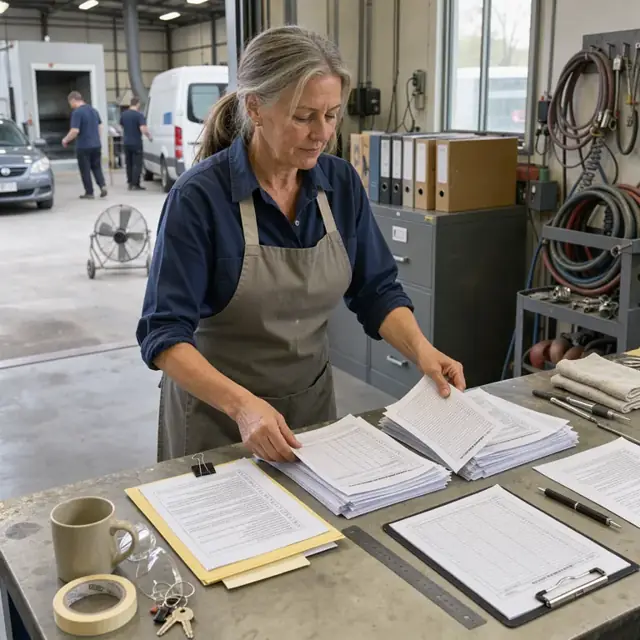
Compliance and Permit Clerk
Track permit status, generate VOC and safety logs, and maintain license and inspection records for each job and the shop.
Works in: Ambitious Tasks, Ambitious Docs, Ambitious Sheets · Workflows: Permit tracking and compliance records
Automates
- Monitors permit and inspection dates per job
- Compiles finishing logs and VOC totals
- Warns before licenses and insurance expire
- Organizes material safety data sheets
- Assembles handover documentation packages
Stops for a person
- The owner confirms which local requirements apply to each project
- All permit applications, inspection results and corrective actions are handled by people
- The bot never certifies compliance
Workflows
Order intake and specification
Starts when: A customer or designer submits plans, measurements or a request for quote
- Capture all dimensions, wood species, door style, finish, hardware, countertop material and edge details
- Verify measurements against provided drawings or site visit notes
- Check against standard shop capabilities and current material availability
- Draft a confirmation with price, lead time and deposit request
- Create a job folder with all specifications and drawings
Watch for: Exact material and finish selections must be recorded without assumption; Site measurements taken by the shop override customer drawings when they differ
Cut list and material optimization
Starts when: After order confirmation and deposit
- Explode approved drawings into part-by-part cut lists by cabinet and countertop
- Optimize sheet goods and lumber to minimize waste using nesting logic
- Generate hardware and finishing supply requirements
- Flag any long-lead items such as specialty lumber or stone slabs
- Output labeled part lists for the shop floor
Watch for: Grain direction and matching requirements for visible parts; Stone slab layout must account for veining and defects
Shop production scheduling
Starts when: Weekly and after each new job confirmation
- Sequence jobs by due date, current shop load and process dependencies
- Assign time blocks for milling, assembly, sanding, finishing and drying
- Reserve spray booth and clamp cart capacity
- Adjust schedule for material arrival dates and subcontractor work
- Publish daily task list for each station
Watch for: Finishing and drying times vary with humidity and product; Multiple jobs share the same equipment and must not overlap in the spray booth
Material purchasing and inventory
Starts when: After cut list is approved and weekly for stock items
- Generate purchase orders for lumber, sheet goods, stone, hardware and finishes based on cut lists
- Subtract current inventory from requirements
- Track slab remnants and offcuts for future use
- Monitor stock levels for commonly used screws, hinges and sandpaper
- Log material receipts and any defects
Watch for: Hardwood and stone are purchased per job to match specifications; Finish materials must be ordered with VOC documentation for permit records
Quality control and final inspection
Starts when: At completion of each major process step and before delivery
- Generate step-specific checklists for milling accuracy, assembly fit, sanding level and finish coat thickness
- Record defects and required rework
- Capture photos of finished pieces before crating
- Verify all hardware, labels and installation hardware are included
- Draft punch list for installation
Watch for: Finish color and sheen must match the approved sample under specified lighting; Countertop seams and edge profiles require close visual and tactile check
Delivery and installation coordination
Starts when: When job reaches final inspection
- Schedule delivery and installation with customer and any other trades on site
- Draft packing list and loading order for the truck
- Create site-specific installation notes and hardware locations
- Track completed installation and obtain signed acceptance
- Log any field modifications or callback items
Watch for: Stairs, doorways and floor protection must be confirmed in advance; Installation often requires coordination with plumbers and electricians
Permit tracking and compliance records
Starts when: At project start, during finishing and on renewal dates
- Track building permit status and inspection dates for each job
- Generate VOC usage logs for each finishing session
- Monitor expiration of contractor license, shop ventilation permit and insurance
- Maintain material safety data sheets and finish records
- Compile job documentation for final owner handover
Watch for: Permit and inspection rules differ by city and county; The owner confirms which records satisfy local requirements
Bot templates for this industry
Source: U.S. Small Business Administration, Office of Size Standards, Table of Small Business Size Standards Matched to North American Industry Classification System Codes, version March 2023 (effective 2023-03-17, NAICS 2022). Size standards are shown for reference only.