

Upholstered Household Furniture Manufacturing
Upholstered household furniture manufacturers produce sofas, chairs, ottomans and sectionals to customer specifications or standard lines. The shop receives fabric and frame orders, cuts and sews covers, assembles frames with padding and springs, and finishes with trim and legs. Specialists turn customer selections into cut lists and sewing packets, track frame and fabric inventory, schedule the build sequence from frame prep through upholstery, manage delivery or pickup, and keep track of required labeling and flammability paperwork. The upholsterer makes final quality and comfort decisions.
What makes this business different
- Custom fabric, color, finish and dimension selections that must match exactly across multiple pieces
- Large work-in-process items that occupy floor space for days or weeks
- Tracking of specific bolts of fabric, foam densities, spring units and wood frames by lot
- Cut-and-sew waste minimization and fabric yield calculations
- Flammability labeling, care instructions and country-of-origin tags on every piece
- Seasonal demand peaks for holiday and spring redecorating orders
- Supplier lead times for specialty fabrics, leathers and decorative trims
- Delivery coordination for large assembled items that may require two-person handling
Specialist bots

Order Specifier
Turn customer selections into accurate bill-of-materials, cut lists and production tasks.
Works in: Ambitious Tasks, Ambitious Docs, Ambitious Sheets · Workflows: Order intake and specification
Automates
- Reads order forms and extracts fabric, frame, fill and trim choices
- Checks fabric availability and lead times
- Generates bill-of-materials and optimized cut list
- Drafts confirmation with build window
- Creates the master production task
Stops for a person
- The owner or lead upholsterer approves any non-standard dimensions or materials
- A person sends the final confirmation and collects payment
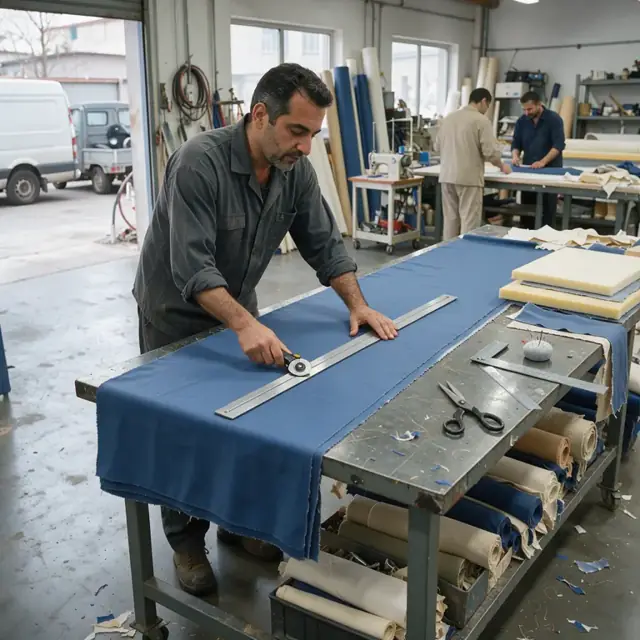
Fabric and Materials Prep Coordinator
Pull bolts, create markers and prepare all cut materials with correct labels.
Works in: Ambitious Sheets, Ambitious Docs, Ambitious Tasks · Workflows: Fabric and frame preparation
Automates
- Pulls correct bolt and verifies lot and color
- Generates fabric marker for minimal waste
- Lists foam, decking and muslin sizes needed
- Prints and attaches piece labels
- Records flammability status of each fabric
Stops for a person
- The cutter inspects fabric for defects before cutting
- Pattern direction and repeat alignment is verified by an experienced person
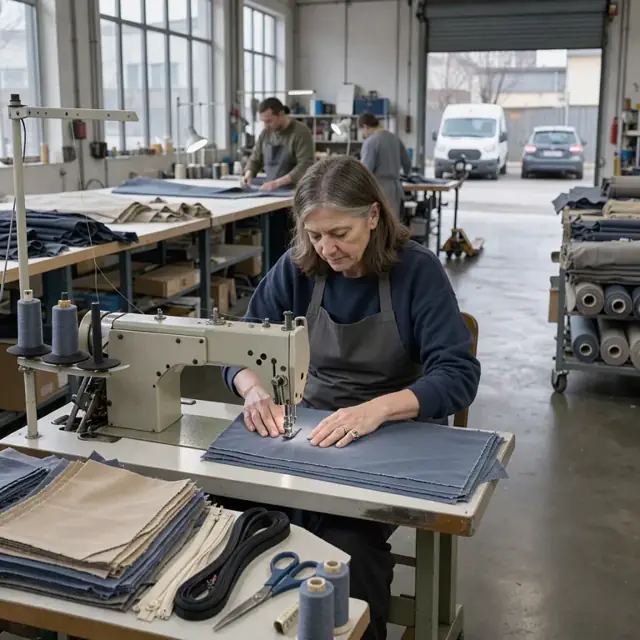
Sewing Packet and Schedule Coordinator
Group sewing work, create detailed sewing packets and schedule machine time.
Works in: Ambitious Tasks, Process Optimizer, Ambitious Docs · Workflows: Sewing and cover production
Automates
- Groups covers by fabric and stitch type
- Builds sewing packets with piece diagrams and requirements
- Optimizes schedule to reduce thread and setup changes
- Tracks completed covers back to the production task
Stops for a person
- Sewing operators review and approve their packets
- Specialty stitching details are confirmed by the lead sewer

Build Scheduler
Sequence upholstery jobs to fit shop space, drying times and available labor.
Works in: Ambitious Tasks, Ambitious Sheets · Workflows: Assembly and upholstery scheduling
Automates
- Sequences jobs by station and current floor space
- Assigns work to upholsterers with required supplies
- Tracks progress through spring-up, padding and final cover stages
- Balances workload and flags schedule conflicts
Stops for a person
- The lead upholsterer adjusts the daily sequence
- A person records actual time and extra materials used

Inventory and Replenishment Manager
Track material usage, calculate yields and draft purchase orders for restocking.
Works in: Ambitious Sheets, Ambitious Tasks, Ambitious Docs · Workflows: Inventory and supplier replenishment
Automates
- Calculates usage and waste from completed orders
- Compares stock levels to par and upcoming orders
- Drafts purchase lists by supplier and lead time
- Updates inventory after receipts
Stops for a person
- The owner approves and places all purchase orders
- A person inspects incoming fabric and materials

Quality and Labeling Clerk
Inspect finished pieces, verify labels and record compliance details.
Works in: Ambitious Tasks, Ambitious Docs, Ambitious Sheets · Workflows: Quality inspection and labeling, Labeling and regulatory paperwork
Automates
- Generates inspection checklist for each piece
- Reminds about required federal and care labels
- Records serial numbers and photographs finished work
- Flags items needing rework
- Generates flammability and origin labels from supplier data
Stops for a person
- The upholsterer performs the physical inspection and signs off
- People attach and verify all tags before the piece leaves the shop
- The owner confirms which labeling requirements apply to each order

Delivery Coordinator
Group completed furniture for delivery, schedule trucks and prepare customer instructions.
Works in: Ambitious Tasks, Ambitious Docs, Email Buckets · Workflows: Delivery and customer handoff
Automates
- Groups pieces by delivery address and date
- Schedules delivery windows and required equipment
- Drafts care instructions and delivery confirmations
- Records delivery outcomes and customer notes
Stops for a person
- The owner approves delivery dates and any charges
- Drivers confirm access and handling requirements before leaving
Workflows
Order intake and specification
Starts when: A customer submits order via form, email or sales visit
- Capture fabric swatch, frame style, dimensions, cushion fill, nailhead or trim details
- Check availability of selected fabric against current inventory and supplier lead time
- Build a bill-of-materials and cut list from the chosen options
- Draft order confirmation with estimated build and delivery window
- Create a production task with attached fabric and frame specifications
Watch for: Fabric direction and repeat must be noted for pattern matching; Customer must approve any substitutions before cutting
Fabric and frame preparation
Starts when: After order confirmation and material arrival
- Pull selected bolt and verify color and lot match
- Generate marker and cut list optimized for fabric width and repeat
- Cut foam, fiberfill, decking and muslin to size
- Inspect and prep wood or metal frames for upholstery
- Label every cut piece with order number and piece name
Watch for: Pattern alignment across cushions and body is critical; Flammability treatment status of each fabric must be recorded
Sewing and cover production
Starts when: Cut pieces are ready and frames are prepped
- Group covers by fabric type and sewing machine setup
- Create sewing packets with pattern pieces, thread, zipper and trim requirements
- Schedule sewing sequence to minimize machine changeovers
- Track completed covers against the production task
- Flag any cover that requires welting, double needle or specialty stitching
Watch for: Sewing operators must follow exact seam allowances for fit; Covers for the same sofa must be sewn from the same dye lot
Assembly and upholstery scheduling
Starts when: Covers and frames are both ready
- Sequence jobs by current shop floor space and drying times for adhesives
- Assign each piece to an upholsterer with required tools and supplies
- Track progress from spring-up, padding, muslin, final cover to trim
- Use the construction scheduler to balance workload across stations
- Record any extra time or materials used on custom work
Watch for: Large sectionals can tie up multiple stations for a week; Drying times for glue and finishes affect next steps
Inventory and supplier replenishment
Starts when: Weekly and when stock falls below par
- Review fabric, foam, thread, springs and trim usage from completed orders
- Calculate yield and waste per fabric type
- Draft purchase orders for upcoming custom and stock builds
- Track incoming shipments against open orders
- Update par levels for high-volume items
Watch for: Minimum order quantities from fabric mills can be large; Specialty trims and leathers have long lead times
Quality inspection and labeling
Starts when: After each piece is fully upholstered
- Check for tight, even upholstery, straight seams and matching patterns
- Verify all required labels are attached in the correct location
- Record serial or work order number on the piece
- Photograph finished item for customer approval or records
- Flag any rework needed before final approval
Watch for: Federal flammability and labeling rules must be met on every item; Customer may require specific care labels
Delivery and customer handoff
Starts when: After quality approval and customer payment confirmation
- Group completed pieces by delivery address and date
- Schedule truck or white-glove delivery with required lift or stairs
- Draft delivery confirmation and care instructions
- Record delivery details and any damage notes
- Create reorder prompts for matching pieces or reupholstery
Watch for: Large furniture often needs protected transport and two-person carry; Customers may need to be home for delivery
Labeling and regulatory paperwork
Starts when: Before cutting and on renewal dates
- Generate the required flammability, care instruction and country-of-origin labels for each fabric and piece
- Track fabric treatment certifications from suppliers
- Maintain logs of lot numbers and compliance documents
- Prepare renewal reminders for any shop licenses or registrations
- Attach final label packet to the production task for the upholsterer
Watch for: Rules differ by product type and destination state; The owner confirms which labeling requirements apply to each order
Bot templates for this industry
Source: U.S. Small Business Administration, Office of Size Standards, Table of Small Business Size Standards Matched to North American Industry Classification System Codes, version March 2023 (effective 2023-03-17, NAICS 2022). Size standards are shown for reference only.