

Wood Office Furniture Manufacturing
Wood office furniture manufacturers produce desks, credenzas, bookcases, conference tables and filing cabinets from hardwood, veneers and laminates. Orders arrive as custom specifications or catalog selections with finishes, sizes and hardware options. The specialists turn customer specs into cut lists and bills of materials, schedule the shop floor around shared equipment, track lumber and hardware inventory, manage assembly and finishing sequences, and prepare shipments while maintaining finish samples and shop drawings.
What makes this business different
- Custom dimensions, wood species, stains, edge profiles and hardware that must match customer-approved samples or drawings
- Shared production resources such as CNC routers, table saws, edgebanders and spray booths that require sequenced scheduling
- Lumber and sheet goods purchased in rough form with yield calculations and moisture content tracking
- Multi-stage workflows of cutting, sanding, assembly, finishing and hardware installation with drying times between coats
- Shop drawings, finish samples and change orders that must be reviewed and signed before production begins
- Compliance with formaldehyde emissions standards, flammability requirements and shipping labels for finished furniture
- Repeat commercial customers who reorder matching pieces for expanding offices or campuses
- Seasonal spikes in orders tied to corporate relocations and fiscal year-end budgets
Specialist bots

Order Intake Specialist
Convert incoming customer specifications and purchase orders into complete, approved job packages ready for engineering.
Works in: Ambitious Tasks, Ambitious Docs, Contract Analyzer · Workflows: Order intake and specification review
Automates
- Reads incoming emails, forms and specification files
- Extracts dimensions, materials, finishes and hardware requirements
- Checks against catalog standards and current production constraints
- Drafts confirmation letters and drawing request lists
- Assembles the master job folder
Stops for a person
- The owner or lead engineer approves any non-catalog items
- A person reviews and signs all customer-facing confirmations
- Finish and wood sample approvals are handled by the owner

Engineering and Cut List Coordinator
Transform approved specifications into accurate shop drawings, optimized cut lists and CNC programs.
Works in: Ambitious Docs, Ambitious Sheets, Process Optimizer · Workflows: Engineering and cut-list generation
Automates
- Generates detailed shop drawings from customer files
- Creates cut lists with grain direction and yield optimization
- Builds bills of materials for hardware and finishing supplies
- Prepares CNC code and router templates
- Packages all files for release to the shop
Stops for a person
- The lead woodworker reviews and approves all drawings before release
- Any engineering changes are sent to the customer for written approval
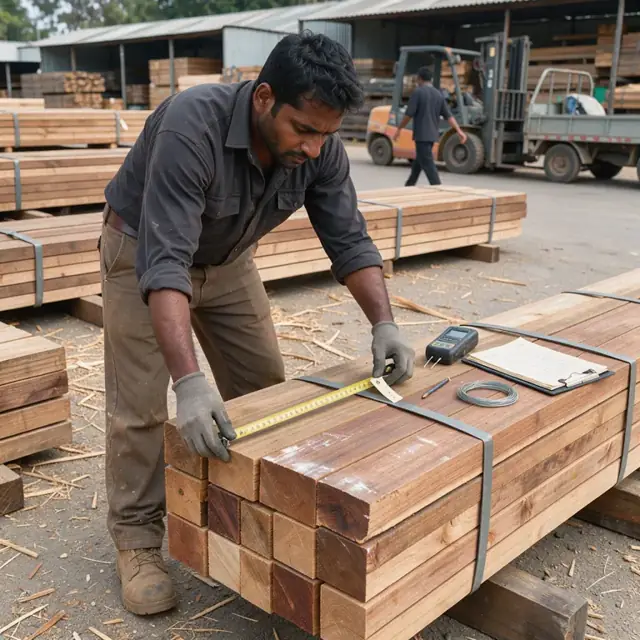
Materials and Inventory Manager
Maintain accurate lumber, sheet stock and hardware inventory while generating timely purchase orders.
Works in: Ambitious Sheets, Ambitious Tasks, Ambitious Docs · Workflows: Material purchasing and inventory control
Automates
- Explodes active jobs into material requirements
- Subtracts current stock and calculates net needs
- Drafts purchase orders by supplier and lead time
- Tracks lumber moisture content and grade records
- Monitors consumables such as glue, sandpaper and fasteners
Stops for a person
- The owner approves and places all purchase orders
- Material substitutions that affect appearance require customer sign-off
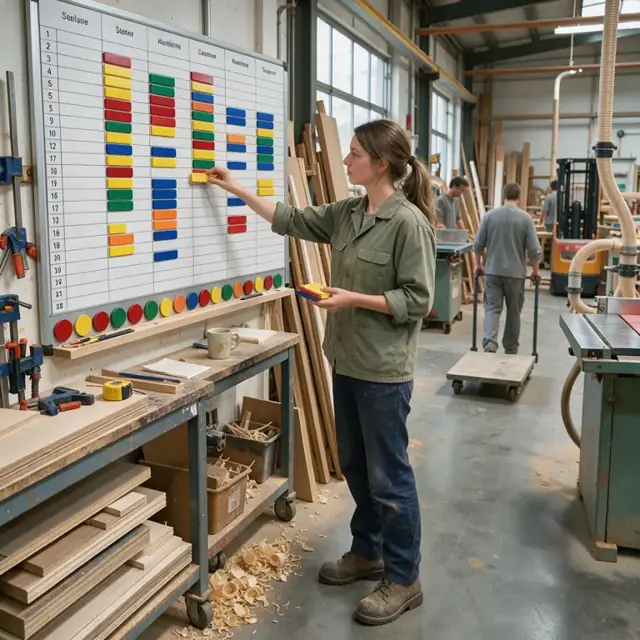
Shop Scheduler
Create and maintain the weekly production schedule that sequences jobs across all work centers and machines.
Works in: Ambitious Tasks, Process Optimizer · Workflows: Shop floor scheduling and dispatch
Automates
- Loads new jobs into the master schedule
- Sequences operations around shared equipment constraints
- Generates daily work tickets and routing sheets
- Adjusts schedule when material deliveries or priorities change
- Highlights capacity conflicts and overtime needs
Stops for a person
- The shop supervisor reviews and adjusts the schedule each Monday
- The owner approves any schedule changes that affect customer delivery dates
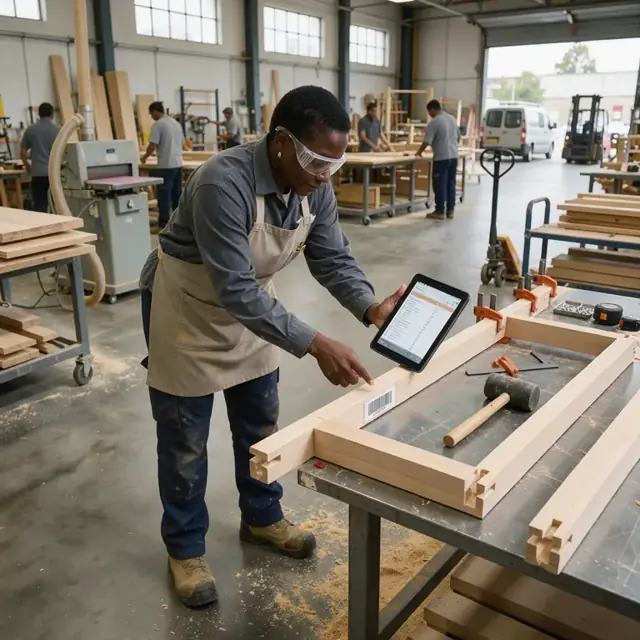
Production Tracker
Track the real-time progress of every piece through cutting, assembly, finishing and inspection stages.
Works in: Ambitious Tasks, Ambitious Sheets, Ambitious Docs · Workflows: Production tracking and quality control
Automates
- Updates job status at each process milestone
- Captures stage completion photos and defect notes
- Calculates remaining labor hours per job
- Flags items ready for final inspection
- Maintains overall shop throughput metrics
Stops for a person
- Shop personnel confirm each stage completion in person
- The quality lead reviews all defect and rework entries

Finishing and Inspection Specialist
Manage all finishing steps, perform final quality inspections, and prepare items for shipment.
Works in: Ambitious Tasks, Ambitious Docs, Ambitious Sheets · Workflows: Finishing and final inspection, Regulatory paperwork and compliance tracking
Automates
- Generates finish schedule with coat counts and cure times
- Records film build measurements
- Creates final inspection checklists
- Applies all required labels and markings
- Prepares packing lists and documentation
- Generates emissions and regulatory paperwork checklists
Stops for a person
- A person performs the physical final visual and functional inspection
- The owner confirms that every finish matches the approved sample
- All shipping documents are reviewed before release
- The owner confirms which regulatory requirements apply to each job

Shipping and Logistics Coordinator
Organize crating, carrier scheduling and shipment notifications once furniture passes final inspection.
Works in: Ambitious Tasks, Ambitious Docs, Ambitious Sheets · Workflows: Shipping and delivery coordination
Automates
- Groups completed orders by delivery location
- Generates packing and loading instructions
- Prepares bills of lading and shipping labels
- Schedules carriers and installation teams
- Drafts shipment notification messages
Stops for a person
- The owner approves all shipping costs and carrier selections
- A person verifies that every piece is properly padded and labeled before loading
- Installation details are confirmed with the customer by a person
Workflows
Order intake and specification review
Starts when: A customer submits a quote request, purchase order or specification package
- Capture all dimensions, wood species, finish type, edge details, hardware and quantity
- Compare requested specifications against standard offerings and current shop capabilities
- Draft a confirmation with shop drawing references and finish sample requirements
- Create a job folder with all customer files and required approvals
- Flag any nonstandard items for engineering review
Watch for: Finish and wood samples must be approved in writing before cutting begins; Change orders after approval restart the review clock
Engineering and cut-list generation
Starts when: After order confirmation and drawing approval
- Convert customer drawings or selections into precise shop drawings
- Generate optimized cut lists and bills of materials for each piece
- Calculate lumber yield and sheet good requirements
- Produce CNC programs and router templates where applicable
- Package all files for the shop floor
Watch for: Grain direction and matching requirements must be noted on every panel; Engineering changes require updated drawings sent back to the customer
Material purchasing and inventory control
Starts when: After cut lists are finalized and weekly
- Explode all jobs into a master material requirement list
- Subtract current inventory and on-order stock
- Draft purchase orders by supplier for lumber, veneers, hardware and finishing supplies
- Track moisture content certificates and grade stamps
- Update par levels for fasteners, adhesives and abrasives
Watch for: Lumber must be ordered with lead time for acclimation in the shop; Exotic species and matched veneers have long procurement cycles
Shop floor scheduling and dispatch
Starts when: Each Monday and when new jobs are released
- Load approved jobs into the master schedule
- Sequence work centers around bottlenecks such as the spray booth and CNC
- Assign jobs to specific machines and operators for the week
- Generate daily work tickets with cut lists and routing sheets
- Adjust schedule for material arrivals and customer priority changes
Watch for: Finishing booth has limited slots per day due to drying and overspray rules; Large conference tables may occupy assembly space for multiple days
Production tracking and quality control
Starts when: Daily at start of shift and after each major process
- Record completion of cutting, sanding, assembly and finishing stages
- Capture photos of critical finish stages for customer approval
- Log defects and rework required
- Update job status and remaining labor hours
- Flag completed items for final inspection
Watch for: Multiple coats of finish require cure time before next step or shipment; Color matching must be verified under consistent lighting
Finishing and final inspection
Starts when: When pieces reach the finishing and inspection stage
- Generate finishing checklist with stain, sealer and topcoat steps
- Record wet and dry film thicknesses
- Perform final visual and functional inspection
- Apply all labels, serial numbers and customer-specific markings
- Prepare packing list and shipping documentation
Watch for: Finish must match approved sample under both daylight and office lighting; Hardware installation must be verified for alignment and function
Shipping and delivery coordination
Starts when: When final inspection is complete
- Group completed orders by delivery address or carrier
- Draft packing and loading instructions for fragile items
- Prepare bills of lading and customs documents for international orders
- Schedule carrier pickup or installation crew
- Send shipment notifications with tracking information
Watch for: Large pieces require specialized crating and padding; White glove delivery and installation may be required for corporate clients
Regulatory paperwork and compliance tracking
Starts when: At order intake, before production starts, and on renewal dates
- Generate required emissions and safety documentation checklist for each job
- Track formaldehyde emissions records and flammability test results by finish type
- Monitor permit, license and certification renewal dates
- Prepare shipping labels and documentation that meet current regulatory requirements
- Log material safety data sheets for all finishes and adhesives in use
Watch for: Rules differ by state and destination for emissions and labeling; The owner confirms which requirements apply to each product and shipment
Bot templates for this industry
- Wood Office Furniture Manufacturing (7 bots)
Source: U.S. Small Business Administration, Office of Size Standards, Table of Small Business Size Standards Matched to North American Industry Classification System Codes, version March 2023 (effective 2023-03-17, NAICS 2022). Size standards are shown for reference only.