

Blind and Shade Manufacturing
Blind and shade manufacturers receive custom orders for window coverings, cut and assemble fabric, slats, rollers and hardware in the shop, then schedule installations or shipments. For a shop that makes custom roller shades, venetian blinds and cellular shades, the specialists turn customer measurements and fabric choices into production specs, group orders for efficient cutting and sewing runs, track raw materials like fabric rolls and components, schedule shop production around machine capacity, and coordinate delivery or installer routes while managing compliance paperwork for fire-retardant certifications and labeling.
What makes this business different
- Custom measurements and specifications per window that must be captured exactly to avoid costly remakes
- Fabric selection with patterns, colors, repeats and directional orientation that affects cutting yield
- Raw material inventory of bulk fabric rolls, aluminum slats, rollers, cords, valances and hardware with minimum order quantities
- Shop production that batches similar operations such as cutting multiple shades from one fabric roll or sewing identical headings
- Machine capacity constraints on cutting tables, sewing stations, roller assembly benches and packaging areas
- Labeling, safety testing and fire-retardant treatment records required for each product type and material
- Coordination with installers or carriers for delivery windows, handling of large or fragile assembled shades, and customer site access notes
- Repeat commercial and residential customers with ongoing projects, reorders and maintenance requests
Specialist bots

Order Specifier
Turn every custom window covering request into a complete, error-free production specification.
Works in: Ambitious Tasks, Ambitious Docs, Contract Analyzer · Workflows: Order intake and specification
Automates
- Reads incoming order messages and forms
- Extracts measurements, fabric, style and special requirements
- Calculates yardage with pattern repeat and waste
- Drafts the order confirmation
- Creates the production task with all details attached
Stops for a person
- A person reviews and approves any non-standard specifications
- The owner confirms pricing on complex or large orders before sending confirmation
- Unusual measurement or mounting questions are escalated to a person
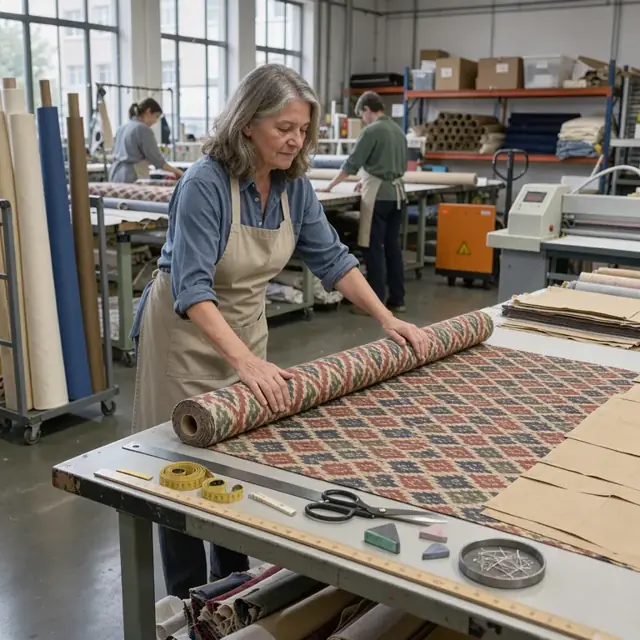
Material Cutting Planner
Group orders and optimize cut lists to maximize fabric utilization and prepare accurate cut tickets.
Works in: Ambitious Sheets, Ambitious Docs, Process Optimizer · Workflows: Material cutting and preparation
Automates
- Groups orders by fabric and width
- Calculates optimal layouts to reduce waste
- Generates detailed cut tickets with labels
- Updates fabric inventory after planning
Stops for a person
- A person verifies the cut plan before fabric is cut
- The owner approves any substitution of similar fabric

Production Scheduler
Create daily and weekly shop schedules that respect machine capacity and due dates.
Works in: Process Optimizer, Ambitious Tasks · Workflows: Production scheduling and capacity
Automates
- Loads orders into the schedule by priority and operation
- Balances workload across stations
- Identifies process bottlenecks
- Generates shop floor task lists
Stops for a person
- The shop manager adjusts the schedule for unexpected downtime or rush orders
- A person assigns specific workers to stations
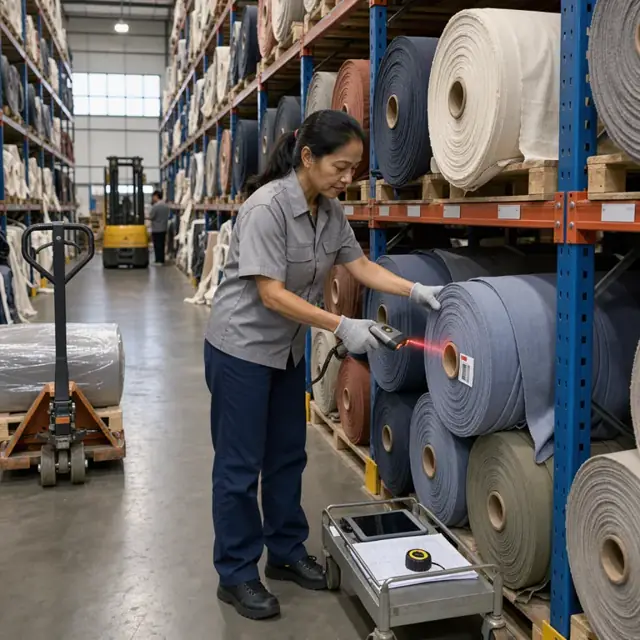
Inventory Controller
Track fabric, components and supplies, forecast needs and prepare reorder lists.
Works in: Ambitious Sheets, Ambitious Tasks, Ambitious Docs · Workflows: Raw material and component inventory
Automates
- Updates stock levels after each production run
- Forecasts usage from open orders
- Creates purchase lists when stock is low
- Tracks supplier lead times
Stops for a person
- The owner reviews and places all purchase orders
- A person inspects incoming materials for quality before accepting into inventory
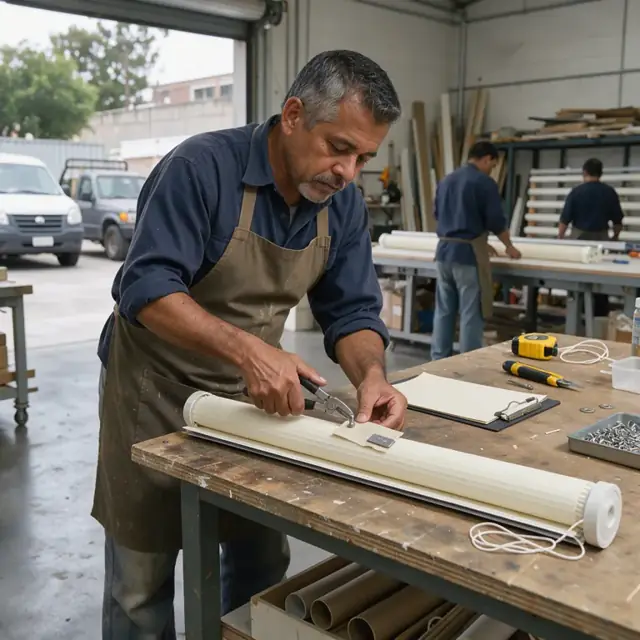
Quality Assurance and Labeling Specialist
Generate assembly instructions, record quality checks and produce all required product labels and certifications.
Works in: Ambitious Docs, Ambitious Tasks, Ambitious Sheets · Workflows: Assembly, quality assurance and labeling, Compliance, certification and recordkeeping
Automates
- Creates detailed assembly instructions per order
- Logs quality check results
- Generates product labels and certification documents
- Maintains batch records for materials
Stops for a person
- A person performs the physical quality inspection and signs off on each item
- The owner confirms which certifications and labels apply to each product before final printing

Dispatch and Installation Coordinator
Group completed products for delivery or installation and plan efficient routes with customer instructions.
Works in: Ambitious Tasks, Ambitious Docs · Workflows: Shipping and installation dispatch
Automates
- Groups orders by delivery location and date
- Creates optimized routes and time windows
- Prepares packing lists and customer notifications
- Tracks delivery and installation confirmations
Stops for a person
- The installer or driver approves route changes based on field conditions
- A person sends all customer communications
- The owner approves any changes to scheduled installation dates
Workflows
Order intake and specification
Starts when: A customer submits an order by form, email, portal or direct message
- Capture window measurements, fabric choice, style, color, mounting type, cord position and any special notes
- Verify measurements against standard tolerances and flag any that fall outside typical ranges
- Confirm fabric availability and calculate required yardage including pattern repeat and waste factor
- Draft order confirmation with pricing, lead time and production schedule
- Create a production task with exact specifications and attach any customer drawings or photos
Watch for: Measurements must be recorded precisely as provided and never rounded by the bot; Pattern direction and repeat must be captured exactly for matching across multiple windows
Material cutting and preparation
Starts when: Daily when new orders are confirmed or at the start of each production run
- Group orders by fabric type, color and width to maximize roll utilization
- Calculate and optimize cut lists for minimal waste on the cutting table
- Generate cut tickets with exact lengths, quantities and labels for each piece
- Subtract used yardage from inventory and flag low stock for reorder
- Route prepared materials to the correct assembly station
Watch for: Fabric rolls have unique batch numbers that must be tracked for quality and certification; Directional fabrics and blackout linings require specific orientation during cutting
Production scheduling and capacity
Starts when: End of each business day and weekly for longer runs
- Load confirmed orders into the schedule by due date and operation type
- Balance workload across cutting tables, sewing machines, assembly benches and packaging
- Use the process optimizer to identify bottlenecks such as long sewing times for complex headings
- Adjust schedule for rush orders or machine downtime
- Generate daily shop floor task list with priorities and estimated completion times
Watch for: Certain operations like roller shade assembly require dedicated benches that limit parallel work; Curing or drying times for adhesives or treatments create sequencing constraints
Raw material and component inventory
Starts when: After material prep and on a weekly cadence
- Update inventory levels after each cutting or assembly run
- Forecast upcoming needs based on open orders and historical patterns
- Draft purchase orders for fabric, slats, hardware and packaging when below par levels
- Track supplier lead times and minimum order quantities
- Log any damaged or defective materials received from suppliers
Watch for: Bulk fabric orders have long lead times and must be planned weeks in advance; Hardware and components often come from multiple specialized suppliers
Assembly, quality assurance and labeling
Starts when: After cutting and on completion of each production batch
- Create assembly instructions for each order including hardware type and cord length
- Record quality check results for operation, fit, alignment and function
- Generate product labels with style, color, size, care instructions and certification codes
- Attach fire-retardant treatment records where required
- Move completed items to shipping or installation staging area
Watch for: Each shade or blind must be individually tested for smooth operation before packing; Specific labeling and documentation requirements vary by commercial versus residential use
Shipping and installation dispatch
Starts when: When production is complete and on customer-requested dates
- Group completed orders by delivery or installation address and date
- Draft routes for installers or carriers with time windows and special handling notes
- Prepare packing lists, installation instructions and any required warranties
- Draft customer notifications with tracking or arrival windows
- Record proof of delivery or installation completion and any issues
Watch for: Large or assembled shades require special packaging and may need two-person delivery; Installer availability and customer site access must be confirmed in advance
Compliance, certification and recordkeeping
Starts when: With each production run and on fixed audit dates
- Generate required labels and documentation for each material and finished product
- Track fire-retardant treatment certificates and test results by fabric batch
- Maintain records of safety testing and material certifications
- Flag upcoming renewal dates for business licenses or supplier certifications
- Compile batch records for potential customer or inspector requests
Watch for: The owner confirms which specific certification and labeling requirements apply to each product and customer type; Records must be kept in a specific format for the duration required by regulations
Bot templates for this industry
- Blind and Shade Manufacturing (6 bots)
Source: U.S. Small Business Administration, Office of Size Standards, Table of Small Business Size Standards Matched to North American Industry Classification System Codes, version March 2023 (effective 2023-03-17, NAICS 2022). Size standards are shown for reference only.