

Musical Instrument Manufacturing
Musical instrument manufacturers take custom and standard orders for new instruments, repairs and parts. For a shop that builds, finishes and repairs stringed instruments on a made-to-order basis, the specialists turn customer requests into confirmed build or repair specs, schedule shop time and material orders, track work-in-process instruments through sanding, finishing and setup, manage parts inventory and vendor supplies, and prepare shipping with calibration and quality notes. Tone, finish and setup standards stay with the luthier.
What makes this business different
- Custom orders specifying wood species, scale length, finish type, inlays and pickup or string configurations that must match exactly
- Work-in-process tracking for instruments moving between sanding, staining, assembly, setup and final inspection
- Seasonal spikes around school start, holidays and touring seasons requiring advance material ordering
- Specialized tools, jigs and fixtures that must be calibrated and maintained
- Raw materials such as tonewoods, hardware, strings and finishes with long lead times and moisture-sensitive storage
- Repair intake with detailed intake photos, customer notes and return shipping coordination
- Quality and setup checklists that include action, intonation, fretwork and tone evaluation before shipment
Specialist bots

Order Intake Specialist
Convert every customer request into a confirmed specification, quote and work order.
Works in: Ambitious Tasks, Ambitious Docs, Email Buckets · Workflows: Order and repair intake
Automates
- Parses incoming messages and forms for specifications
- Checks schedule and material availability
- Drafts quotes with lead times
- Creates standardized work orders with attached notes
- Tracks deposit status
Stops for a person
- The luthier reviews and approves all custom specifications before acceptance
- A person sends the final quote and handles negotiation
- Complex repair assessments are confirmed by a technician

Shop Scheduler
Maintain the production schedule and assign work to available bench time and equipment.
Works in: Ambitious Tasks, Ambitious Sheets · Workflows: Shop scheduling and capacity
Automates
- Assigns jobs to open time slots
- Sequences work to optimize equipment use
- Flags priority orders
- Forecasts bottlenecks in the workflow
- Adjusts for incoming material dates
Stops for a person
- The shop owner approves major schedule changes and rush orders
- Technicians confirm their availability for specialized steps

Materials Coordinator
Track raw materials, generate purchase orders and maintain appropriate stock levels.
Works in: Ambitious Sheets, Ambitious Tasks, Ambitious Docs · Workflows: Material and parts purchasing, Inventory and tool maintenance
Automates
- Creates bills of materials from active orders
- Calculates reorder quantities
- Drafts purchase orders by supplier
- Updates inventory after materials are issued
- Tracks tool calibration schedules
Stops for a person
- The owner approves and places all purchases
- Selection of specific tonewood pieces requires luthier review

Workflow Tracker
Move each instrument through its build or repair steps and maintain status visibility.
Works in: Ambitious Tasks, Process Optimizer · Workflows: Build and repair workflow
Automates
- Advances work orders to next station upon completion
- Generates station-specific checklists
- Records time and materials used
- Flags issues needing approval
- Maintains overall project timeline
Stops for a person
- Technicians record their own completion notes and photos
- Any deviation from standard process is approved by the lead luthier

Setup and Quality Inspector
Perform final setup, record measurements and prepare quality documentation for each instrument.
Works in: Ambitious Tasks, Ambitious Docs, Ambitious Sheets · Workflows: Final setup and quality control
Automates
- Generates standardized setup checklists
- Organizes recorded measurements
- Compares settings against customer specifications
- Prepares care and warranty documents
- Creates completion records with photos
Stops for a person
- The luthier performs and approves all final adjustments and tone evaluations
- A person reviews all documentation before shipping
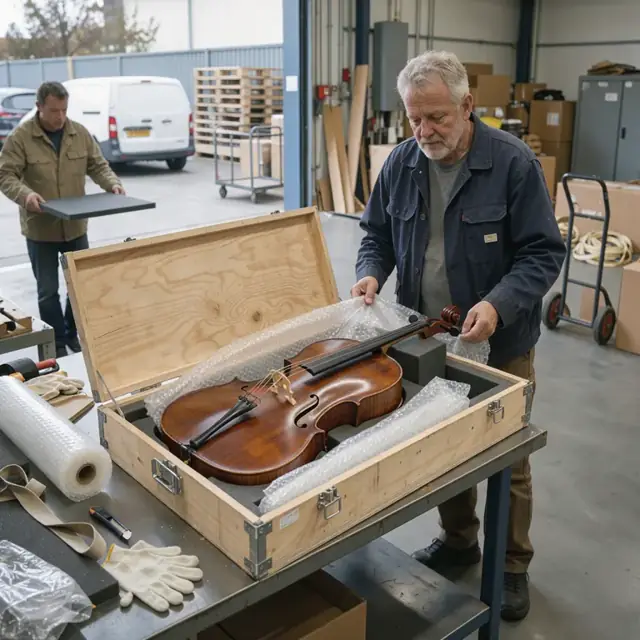
Shipping Coordinator
Prepare all packing, labeling and documentation for outbound instruments and repairs.
Works in: Ambitious Docs, Ambitious Tasks, Email Buckets · Workflows: Shipping and customer communication
Automates
- Generates packing lists and labels
- Drafts customer shipping notifications
- Prepares any required customs forms
- Organizes carrier selection for fragile items
- Schedules follow-up communications
Stops for a person
- A person performs final packing and inspects cushioning
- The owner approves all shipping documents and costs
- Customer communications are reviewed before sending

Compliance and Safety Clerk
Track permit and license renewals, run safety checklists and prepare required shipment documentation.
Works in: Ambitious Tasks, Ambitious Docs, Ambitious Sheets · Workflows: Permit, licensing and safety paperwork
Automates
- Generates daily shop safety checklists
- Warns before licenses, registrations or permits lapse
- Compiles material safety data sheets and customs documentation
- Logs serial numbers for registration
Stops for a person
- The owner confirms which local and international rules apply
- Inspections and corrective actions are handled by people
- The bot never certifies compliance
Workflows
Order and repair intake
Starts when: A customer submits a new build request, repair inquiry or purchase order by form, email or message
- Capture exact specifications including wood species, scale length, finish type, inlays, hardware and any custom requests
- Check against current build schedule, bench availability and material stock
- Draft a quote with estimated lead time, completion date and deposit requirements
- Record payment status and generate a unique work order identifier
- Create a task with attached reference photos, diagrams and customer notes
Watch for: Custom requests often require back-and-forth clarification on tonewood grain or finish samples; Repair intake must document existing damage and customer expectations precisely
Shop scheduling and capacity
Starts when: After order confirmation and weekly
- Assign new orders and repairs to available bench time and luthier specialties
- Sequence jobs to optimize shared equipment such as the spray booth, CNC or drying racks
- Flag rush repairs or high-priority orders
- Forecast bottlenecks in neck carving, finishing or setup stages
- Adjust schedule for incoming material deliveries and staff availability
Watch for: Finishing room has limited capacity and weather-dependent drying times; Luthiers have specialized skills so certain steps can only be done by specific staff
Material and parts purchasing
Starts when: After new orders are scheduled and monthly
- Explode orders into a bill of materials by instrument type and custom specs
- Check current stock of tonewoods, hardware, finishes, strings and consumables
- Draft purchase orders for suppliers with long lead times
- Track incoming shipments against specific work orders
- Maintain par levels for common parts and consumables
Watch for: Tonewoods must be stored at specific humidity levels; Certain exotic materials require documentation for import compliance
Build and repair workflow
Starts when: Start of each work day and when a step is completed
- Move instrument to next station with updated status, photos and notes
- Generate step-specific checklist for current operation such as carving, sanding or finishing
- Record time spent, materials used and any deviations from the plan
- Flag any issues that require customer approval before proceeding
- Update overall project timeline and notify next station
Watch for: Each instrument must be tracked individually through multiple bench stages; Photos are often taken at key points such as after carving or before final finish
Inventory and tool maintenance
Starts when: Weekly and when stock is drawn
- Update stock levels after material is issued to a work order
- Identify items that need reordering based on minimum quantities and lead times
- Schedule calibration and maintenance for jigs, blades and measurement tools
- Track consumables such as sandpaper, glue, frets and finishing supplies
- Generate reports on material usage by instrument type
Watch for: Many parts are small and easy to misplace during assembly; Specialty tools require documented maintenance logs
Final setup and quality control
Starts when: When an instrument reaches final assembly
- Run through a standardized setup and playability checklist
- Record measurements for action, neck relief, intonation, fretwork and string height
- Document tone evaluation notes and any final adjustments
- Prepare care instructions, warranty information and serial number record
- Create a digital record of the completed instrument with photos
Watch for: Setup specifications vary by instrument type and customer preference; Final inspection must catch any finish flaws or mechanical issues
Shipping and customer communication
Starts when: After quality control approval
- Generate packing list, shipping label and any required customs documentation
- Draft customer notification with tracking and expected arrival
- Coordinate with carriers for instruments requiring special handling
- Record serial numbers and final photos before crating
- Schedule any follow-up setup or adjustment reminders
Watch for: Instruments are fragile and require specialized packing materials; International shipments involve additional paperwork and declarations
Permit, licensing and safety paperwork
Starts when: On renewal dates, after inspections and with each international shipment
- Track renewal dates for business license, manufacturer registration and any required import/export permits
- Generate daily shop safety checklist including dust collection, chemical handling and eye protection
- Prepare material safety data sheets for finishes and solvents
- Compile documentation packages for customs when shipping internationally
- Log any required serial number registrations or declarations
Watch for: Rules differ by state and country for exotic woods and hazardous finishes; The luthier confirms which permits and declarations apply to each shipment
Bot templates for this industry
- Musical Instrument Manufacturing (7 bots)
Source: U.S. Small Business Administration, Office of Size Standards, Table of Small Business Size Standards Matched to North American Industry Classification System Codes, version March 2023 (effective 2023-03-17, NAICS 2022). Size standards are shown for reference only.