

Fastener, Button, Needle and Pin Manufacturing
Fastener, button, needle and pin manufacturers produce metal and plastic components such as zippers, snaps, buttons, sewing needles, safety pins and straight pins in batches for apparel, upholstery, industrial and craft customers. Orders specify alloys, finishes, sizes, quantities and packaging. Production involves stamping, forming, heat treating, plating, assembly and inspection before packing. The specialists turn customer specifications into production orders, raw material requirements and machine schedules, track inventory of wire, sheet, coatings and packaging, and manage quality checkpoints and shipment paperwork. Tooling maintenance, plating baths and safety data sheets stay with the shop floor team.
What makes this business different
- Customer specifications for material grade, finish, dimensions, tolerances and packaging that must be followed exactly
- Tooling and dies that require setup, sharpening and storage between runs
- Batch production on stamping presses, eyelet machines, needle pointing and plating lines with changeover time
- Raw material inventory of wire, sheet metal, plastic pellets, plating chemicals and packaging with minimum order quantities
- Quality inspections for pull strength, sharpness, corrosion resistance and dimensional accuracy at multiple stages
- Regulatory paperwork for shipping, material safety data sheets, country of origin and customer-specific certifications
- Seasonal demand spikes from apparel makers, uniform suppliers and craft retailers ahead of back-to-school and holiday periods
Specialist bots
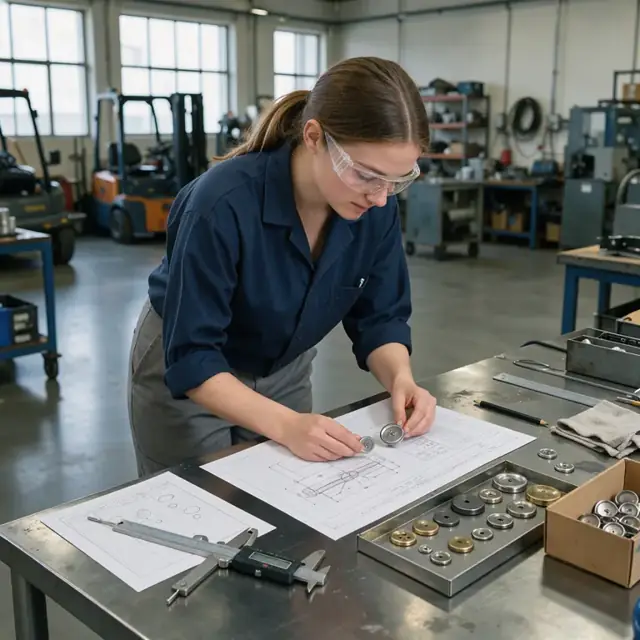
Order Verifier
Convert every incoming customer order or quote request into a verified production specification.
Works in: Ambitious Tasks, Ambitious Docs, Contract Analyzer · Workflows: Order intake and specification review
Automates
- Reads purchase orders and extracts product, material, finish, size and packaging details
- Compares specifications against existing tooling and approved materials
- Checks current schedule and stock for feasible delivery date
- Drafts acknowledgment with terms
- Creates the production task with full spec sheet
Stops for a person
- Production manager approves any non-standard material or tolerance requests
- A person sends the final order acknowledgment and handles pricing exceptions
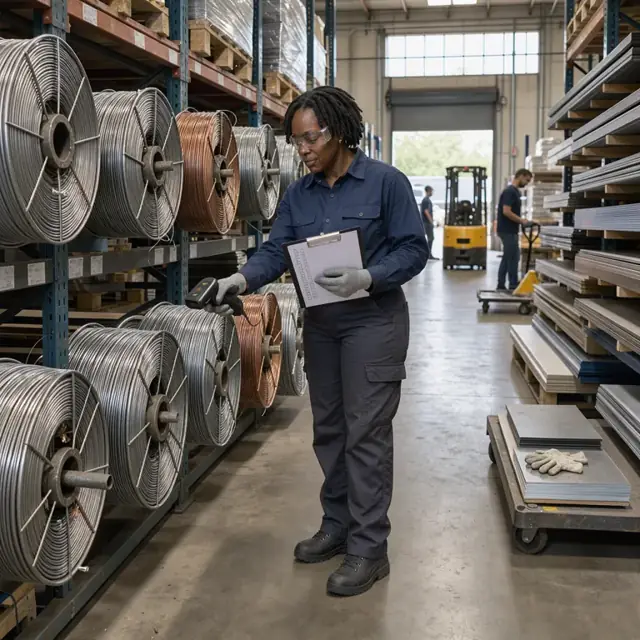
Materials Planner
Calculate exact raw material needs from production orders and maintain stock levels of metals, chemicals and packaging.
Works in: Ambitious Sheets, Ambitious Tasks · Workflows: Raw material and inventory planning
Automates
- Explodes bill of materials for each order
- Subtracts on-hand inventory and pending receipts
- Generates purchase requisitions sorted by supplier
- Tracks minimum order quantities and reorder points
- Flags items that will impact the production schedule
Stops for a person
- Purchasing manager places and approves all purchase orders
- Any material substitution requires engineering sign-off
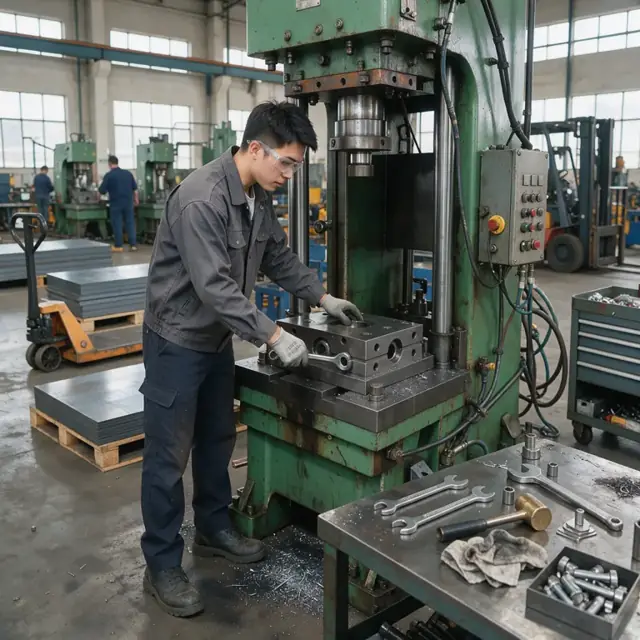
Production Scheduler
Build machine schedules that group similar jobs and minimize tooling and plating changeovers.
Works in: Ambitious Tasks, Process Optimizer · Workflows: Production scheduling and machine setup
Automates
- Groups orders by press type, material and required tooling
- Sequences jobs to reduce setup time
- Assigns target run dates and quantities
- Creates setup and first-article checklists
- Highlights capacity conflicts
Stops for a person
- Shop supervisor approves the weekly schedule
- Changes to tooling availability are entered by the tooling technician
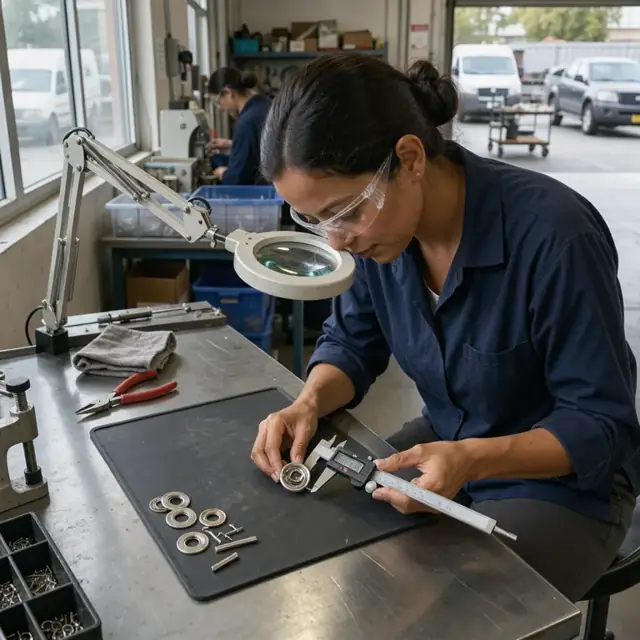
Quality Inspector
Generate stage-specific inspection checklists and record test results for each production lot.
Works in: Ambitious Tasks, Ambitious Docs, Ambitious Sheets · Workflows: In-process and final quality inspection
Automates
- Creates dimensional, finish and functional test checklists per product type
- Logs sample measurements and pass-fail results
- Flags lots outside tolerance for review
- Attaches records to the order file
- Updates inventory only with accepted quantities
Stops for a person
- Quality manager reviews and signs off on all failed lots
- A person performs the physical measurements and tests
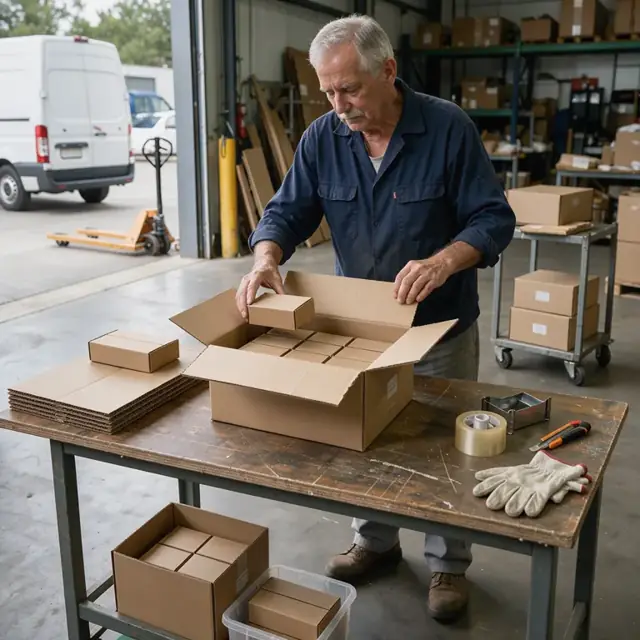
Shipping Coordinator
Prepare all packaging, labeling, certificates and shipping documents once goods pass final inspection.
Works in: Ambitious Tasks, Ambitious Docs, Contract Analyzer · Workflows: Packaging and shipping preparation
Automates
- Determines packaging configuration from customer requirements
- Generates packing slips and certificates of conformance
- Drafts bills of lading and commercial invoices when needed
- Creates the carrier task with tracking numbers
- Closes the order and adjusts finished goods inventory
Stops for a person
- A person verifies counts and applies labels before boxing
- Export or hazardous material declarations are reviewed and signed by the owner

Tooling Manager
Track usage, schedule maintenance and maintain records for all dies, punches and fixtures.
Works in: Ambitious Sheets, Ambitious Tasks, Ambitious Docs · Workflows: Tooling maintenance and inventory
Automates
- Logs piece counts and hours for each tool after every run
- Calculates remaining life and schedules sharpening
- Maintains location and condition database
- Flags tools needing replacement or refurbishment
- Checks tooling availability against the production schedule
Stops for a person
- Tooling technician performs all repairs and sharpening
- The owner approves purchases of new custom dies

Customer Follow-up Specialist
Manage repeat orders, seasonal reminders and feedback collection for established accounts.
Works in: Ambitious Tasks, Ambitious Docs, Email Buckets · Workflows: Repeat order and customer follow-up
Automates
- Drafts reorder suggestions using previous specifications
- Sends pre-season reminders for apparel and craft buying cycles
- Tracks open quotes and follows up on status
- Compiles feedback notes into the customer record
- Updates preferred specifications for future orders
Stops for a person
- Sales manager reviews and approves every customer communication
- Pricing changes or new terms require owner approval
Workflows
Order intake and specification review
Starts when: A customer submits a purchase order, quote request or repeat order by email or portal
- Extract product type, material, finish, size, quantity, packaging and any special tolerances
- Match against existing dies, tooling and approved materials
- Check lead time against current machine schedule and raw stock
- Draft order acknowledgment with price, delivery date and terms
- Create a production task with full specification sheet attached
Watch for: Exact alloy and finish must be captured to avoid plating or corrosion failures; Custom dies or tooling may require customer approval before production
Raw material and inventory planning
Starts when: After order confirmation and monthly
- Calculate required wire, sheet, pellets, chemicals and packaging from bill of materials
- Subtract current inventory and open purchase orders
- Generate purchase requisitions by supplier with minimum order quantities
- Flag low-stock items that will delay production
- Update par levels for high-volume standard items
Watch for: Bulk metals and chemicals have long lead times and price volatility; Hazardous plating chemicals require special storage and documentation
Production scheduling and machine setup
Starts when: Weekly and when new orders are confirmed
- Group orders by machine type, material and tooling requirements
- Sequence jobs to minimize die changes and color or plating bath swaps
- Assign run quantities and target completion dates on the construction scheduler
- Create setup checklists for each press or plating line
- Flag any orders needing first-article inspection
Watch for: Press tonnage, feed rate and die availability constrain the schedule; Plating and heat-treat steps must follow strict process order
In-process and final quality inspection
Starts when: At completion of each production stage and before shipment
- Generate inspection checklist for dimensions, finish, pull test and sharpness where applicable
- Record sample results from first article, in-process and final checks
- Flag any lots that fail tolerances for rework or scrap
- Attach inspection records to the order file
- Update inventory with passed quantities only
Watch for: Certain fasteners require documented tensile or corrosion testing; Needles and pins have critical point geometry that must be verified
Packaging and shipping preparation
Starts when: After final inspection approval
- Determine packaging type, count per box and labeling from customer spec
- Generate packing slips, certificates of conformance and material safety data sheets
- Draft commercial invoice and bill of lading when required
- Create shipping task with carrier and tracking requirements
- Close the production order and update finished goods inventory
Watch for: Some shipments require country of origin marking and documentation; Hazardous plating residues may trigger special shipping declarations
Tooling maintenance and inventory
Starts when: After each production run and monthly
- Log usage hours or piece counts for each die and tool
- Schedule sharpening, repair or replacement based on wear thresholds
- Maintain storage locations and condition records
- Forecast tooling reorder or refurbishment needs
- Link tooling availability to upcoming production schedule
Watch for: Custom dies are expensive and customer-specific; Sharpening and polishing must be done by qualified personnel
Repeat order and customer follow-up
Starts when: After shipment and on seasonal cadence
- Draft order confirmation for repeat customers with last-used specifications
- Send usage reminders before peak apparel and craft seasons
- Track open quotes and follow up on pending orders
- Compile customer feedback on quality and delivery
- Update preferred packaging or labeling based on past notes
Watch for: Apparel manufacturers often reorder the exact same item for years; All communications must be reviewed before sending
Bot templates for this industry
Source: U.S. Small Business Administration, Office of Size Standards, Table of Small Business Size Standards Matched to North American Industry Classification System Codes, version March 2023 (effective 2023-03-17, NAICS 2022). Size standards are shown for reference only.