

Broom, Brush and Mop Manufacturing
Broom, brush and mop makers produce natural and synthetic sweeping tools, paintbrushes, scrub brushes, push brooms, mops and related handles in batches or to order. The specialists turn customer specifications into production orders, raw-material needs into purchase lists, and batch schedules into machine and assembly plans while tracking inventory of bristles, fibers, handles, ferrules and packaging. Tooling changes, bristle counts, handle lengths, quality checks and labeling stay with the shop floor.
What makes this business different
- Custom orders specifying bristle type, stiffness, handle length and material that must match exactly
- Batch production runs that mix standard catalog items with private-label and contract orders
- Raw material inventory with long-lead items such as hardwood handles, nylon filaments and metal ferrules
- Frequent machine changeovers for different brush sizes, tuft patterns and mop head styles
- Quality inspections for bristle retention, balance, straightness and defect-free assembly
- Labeling, barcoding and packaging requirements that differ by retailer and export market
- Seasonal demand spikes for push brooms, deck brushes and snow brushes in advance of spring and winter
- Supplier lead times and minimum order quantities for natural fibers and wire
Specialist bots
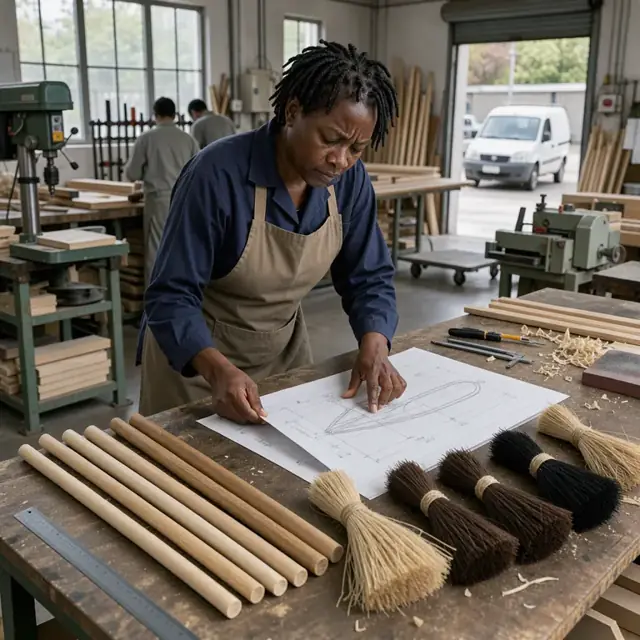
Order Specifier
Convert incoming customer orders and specifications into precise production-ready tasks and bills of materials.
Works in: Ambitious Tasks, Ambitious Docs, Contract Analyzer · Workflows: Order intake and specification
Automates
- Reads purchase orders and specification sheets
- Extracts bristle type, handle length, quantity and labeling requirements
- Checks against existing tooling capability
- Drafts order confirmation
- Creates production tasks with exact material lists
Stops for a person
- Production manager approves any deviation from standard tooling
- A person reviews and sends all confirmations and price exceptions

Materials Planner
Turn production schedules into accurate raw-material purchase lists and maintain proper stock levels.
Works in: Ambitious Sheets, Ambitious Tasks · Workflows: Material requirements and purchasing
Automates
- Explodes orders into filament, handle and ferrule quantities
- Calculates net requirements after subtracting inventory
- Groups purchases by supplier lead time
- Tracks minimum order quantities and reorder points
Stops for a person
- Purchasing manager places and approves all supplier orders
- Material substitutions are reviewed by the production manager

Production Scheduler
Create efficient weekly batch schedules that minimize machine changeovers and respect capacity limits.
Works in: Process Optimizer, Ambitious Tasks · Workflows: Batch production scheduling
Automates
- Groups similar products to reduce setups
- Assigns runs to appropriate machines and shifts
- Builds the daily schedule with start and end times
- Highlights potential bottlenecks and maintenance windows
Stops for a person
- Shop supervisor adjusts the schedule for unexpected downtime
- A person releases the final schedule to the floor
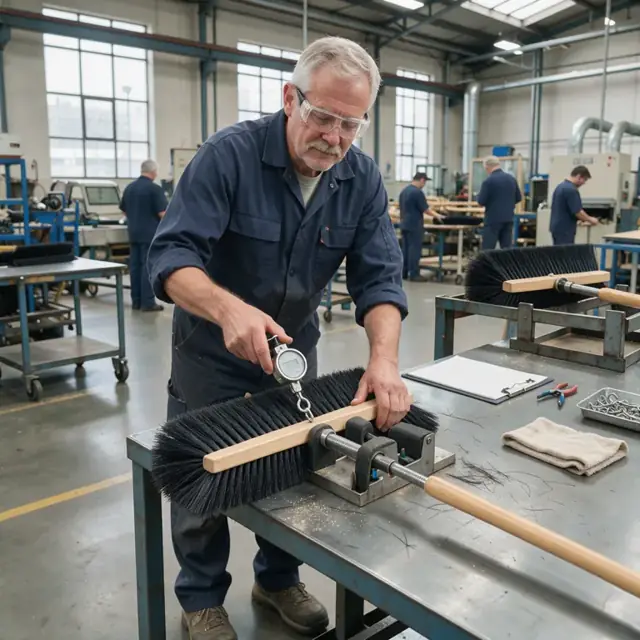
Quality Inspection Clerk
Generate inspection checklists, record test results and maintain lot traceability for each batch.
Works in: Ambitious Tasks, Ambitious Docs, Ambitious Sheets · Workflows: In-process and final quality checks
Automates
- Creates step-specific checklists based on product type
- Logs pull-test, balance and visual inspection results
- Flags out-of-spec items and suggests rework paths
- Maintains traceability records by lot number
Stops for a person
- Floor inspectors perform the actual physical tests and enter results
- Quality manager reviews and signs off on final batch release
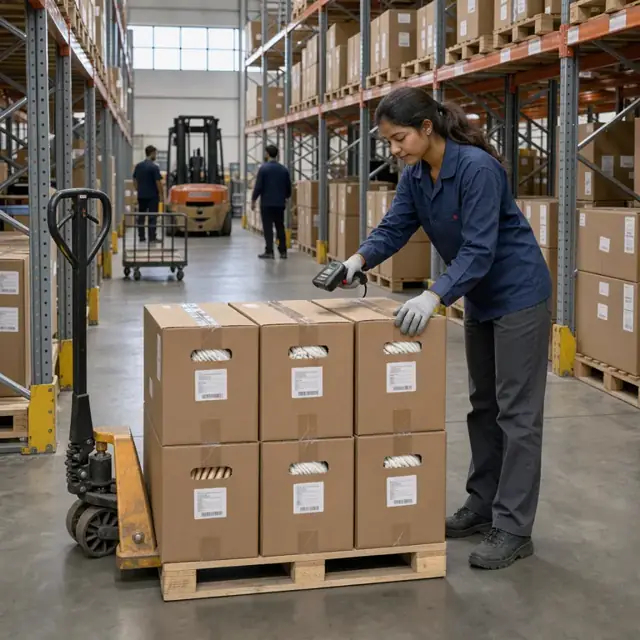
Inventory Controller
Maintain accurate counts of raw materials, work-in-process and finished goods and prepare cycle count lists.
Works in: Ambitious Sheets, Ambitious Tasks · Workflows: Finished goods and component inventory
Automates
- Updates stock after production and shipments
- Reconciles system records with physical counts
- Generates daily cycle count assignments
- Identifies slow-moving stock for review
Stops for a person
- Warehouse staff perform physical counts and adjustments
- Controller approves all inventory write-offs and adjustments

Shipping Coordinator
Prepare packing lists, labels and shipping documents and coordinate carrier pickups.
Works in: Ambitious Tasks, Ambitious Docs · Workflows: Order fulfillment and shipping
Automates
- Verifies order against finished goods pulled
- Generates customer-specific labels and packing slips
- Drafts bills of lading and commercial invoices
- Groups shipments by carrier route
Stops for a person
- A person physically packs and verifies each carton
- Export documentation is reviewed and signed by a person before filing
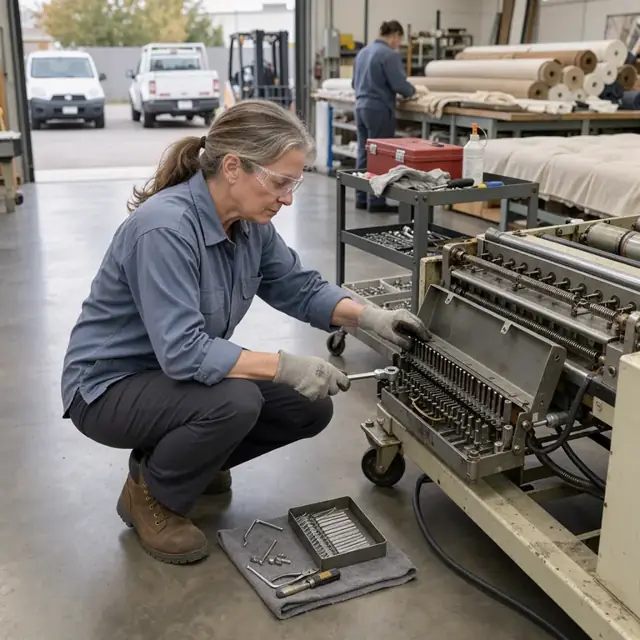
Maintenance Coordinator
Track equipment usage, generate preventive maintenance schedules and log repairs for all production machinery.
Works in: Ambitious Tasks, Ambitious Sheets, Process Optimizer · Workflows: Equipment maintenance and tooling
Automates
- Calculates hours since last service for each machine
- Creates weekly maintenance task lists
- Schedules tooling changes around production runs
- Maintains repair history and parts inventory
Stops for a person
- Maintenance technicians perform the actual service and enter findings
- Production manager approves any schedule changes caused by maintenance

Compliance and Labeling Clerk
Maintain regulatory paperwork, generate required checklists and keep labeling files current for production and shipments.
Works in: Ambitious Tasks, Ambitious Docs, Ambitious Sheets · Workflows: Regulatory permits, labeling and compliance paperwork
Automates
- Generates pre-production safety and labeling checklists
- Tracks renewal dates for licenses and permits
- Prepares export document packets checked against destination requirements
- Keeps master label files synchronized with current product specifications
Stops for a person
- Production manager confirms which permits and rules apply to each run
- A person reviews and files all final documentation before shipment
- The bot never certifies compliance
Workflows
Order intake and specification
Starts when: A customer submits a purchase order, quote request or new product specification
- Capture item numbers, custom dimensions, bristle type, handle material and quantity
- Check specifications against existing tooling and production capability
- Draft a confirmation with price, lead time and any exceptions
- Convert the order into production tasks with exact bill of materials
- Flag any new artwork or labeling requirements for approval
Watch for: Exact match of bristle count, tuft pattern and handle threading must be recorded; Private-label branding and packaging instructions cannot be assumed
Material requirements and purchasing
Starts when: After order confirmation and on a weekly cadence
- Explode production orders into raw material needs by filament weight, handle count and ferrule size
- Subtract current inventory and open purchase orders
- Draft purchase lists grouped by supplier
- Track minimum stock levels for long-lead fibers and hardwood
- Generate reorder alerts before stockouts
Watch for: Natural fibers and certain wire must be ordered in minimum bales or coils; Moisture content of wood handles must be verified on receipt
Batch production scheduling
Starts when: Weekly or when new orders are released
- Group orders by machine setup, bristle type and handle length to minimize changeovers
- Assign runs to tufting, winding, stapling or mop assembly stations
- Create a daily schedule with start times, quantities and tooling changes
- Reserve time for preventive maintenance and quality sampling
- Adjust schedule when rush orders or supplier delays occur
Watch for: Changeover time between brush diameters and filament colors is significant; Certain machines can only run specific handle lengths
In-process and final quality checks
Starts when: At the completion of each production step and before packing
- Generate checklists for bristle pull tests, balance, straightness and adhesive cure
- Record inspection results by batch and operator
- Flag nonconforming items for rework or scrap
- Create final approval records for shipment
- Maintain lot traceability for natural materials
Watch for: Sample sizes and test methods differ by product type and customer; Visual defects in natural corn or tampico must be documented
Finished goods and component inventory
Starts when: Daily and at month end
- Update stock levels after each production run and shipment
- Reconcile physical counts against system records
- Identify slow-moving or obsolete catalog items
- Draft cycle-count lists for high-value filaments and handles
- Prepare inventory reports for cost accounting
Watch for: Finished goods stored by retailer-specific labeling and barcodes; Humidity control needed for natural fiber storage
Order fulfillment and shipping
Starts when: When production is complete and order is released
- Pull finished goods and verify against order specification
- Apply correct labels, barcodes and packing lists
- Draft commercial invoices and bills of lading for export orders
- Group shipments by carrier and destination
- Record shipment confirmation and tracking numbers
Watch for: Retail customers require specific carton markings and pallet configurations; Export orders need documentation checked against destination rules
Equipment maintenance and tooling
Starts when: On scheduled dates or after set production hours
- Generate preventive maintenance checklists for tufting machines, staple guns and winding stations
- Track usage hours and last service dates
- Schedule tooling sharpening or replacement for cutting dies and brushes
- Log repairs and parts used
- Forecast upcoming maintenance to avoid production conflicts
Watch for: Specialized fixtures for different brush sizes must be stored and located quickly; Machine calibration directly affects tuft density and quality
Regulatory permits, labeling and compliance paperwork
Starts when: Before production runs, on renewal dates and for each shipment
- Generate pre-production checklist for required safety data sheets, chemical handling logs and labeling verifications
- Track renewal dates for business licenses, environmental permits and any product-specific certifications
- Prepare and check export documentation packets against destination market rules
- Maintain current master label files for each product variant including barcodes and warnings
- Flag any changes in material sourcing that require updated safety documentation
Watch for: Rules differ by product type, sales channel and destination country; The production manager confirms which permits and documentation apply to each order
Bot templates for this industry
- Broom, Brush, and Mop Manufacturing (8 bots)
Source: U.S. Small Business Administration, Office of Size Standards, Table of Small Business Size Standards Matched to North American Industry Classification System Codes, version March 2023 (effective 2023-03-17, NAICS 2022). Size standards are shown for reference only.