

Motor Vehicle Parts (Used) Merchant Wholesalers
Used motor vehicle parts wholesalers receive yard and trade-in inventories, inspect and grade cores, list parts for sale, fulfill customer orders from stock or partner yards, and manage core returns and rebuild cycles. For a warehouse that buys late-model wrecks, pulls engines transmissions and body panels then sells nationwide to repair shops, the specialists turn incoming yard lists into graded inventory, customer requests into pull tickets and shipping labels, and sales into reorder and core-return schedules. Pricing, grading standards and safety calls stay with the yard manager.
What makes this business different
- Incoming vehicles and cores must be inspected for damage, mileage and matching numbers before acceptance
- Part grading systems (A-grade, B-grade, core only) that affect pricing and return eligibility
- Interchange data across makes models and years to match parts to customer vehicles
- Core return programs with suppliers and rebuilders that require tracking deposits and credits
- Warehousing of heavy bulky items with rack systems, forklifts and organized pull zones
- Shipping of oily greasy parts with proper hazmat labeling and carrier paperwork
- Seasonal demand spikes for body panels after storm seasons and for AC components in summer
- Licensing for dismantler yards, environmental permits for fluids and battery disposal
Specialist bots
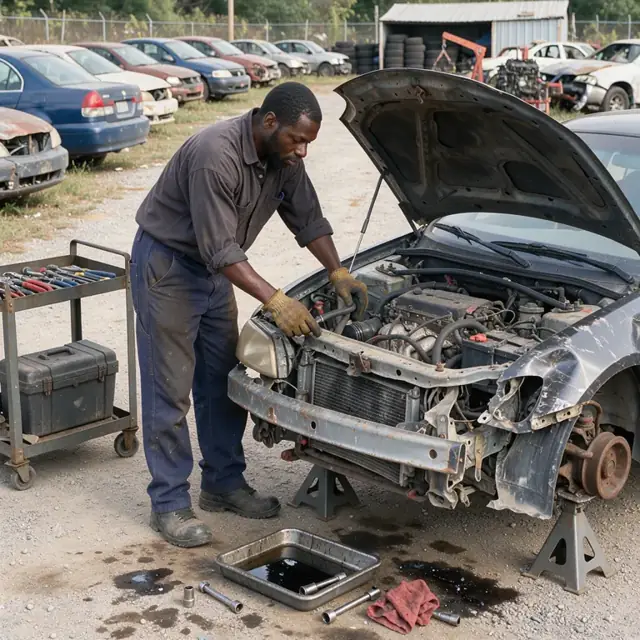
Vehicle Intake Inspector
Turn each arriving vehicle or core into graded inventory tasks with accurate condition and interchange data.
Works in: Ambitious Tasks, Ambitious Sheets, Ambitious Docs · Workflows: Vehicle and core intake grading
Automates
- Records VIN details and initial inspection notes
- Suggests grades based on visible condition
- Creates per-part inventory tasks
- Generates disposal lists for fluids and scrap
Stops for a person
- The yard manager approves final grades on high-value parts
- A person confirms titles and matching numbers
- The owner decides on acceptance of questionable vehicles

Parts Lister and Cataloguer
Create and update accurate online and internal listings with photos interchange and pricing.
Works in: Ambitious Sheets, Ambitious Docs, Ambitious Tasks · Workflows: Part listing and catalog update
Automates
- Pulls interchange data for each vehicle
- Drafts listings with condition and price tiers
- Attaches standardized photos to records
- Flags low stock or high demand parts
Stops for a person
- The yard manager reviews and adjusts all pricing
- A person verifies photo quality and description accuracy before publishing
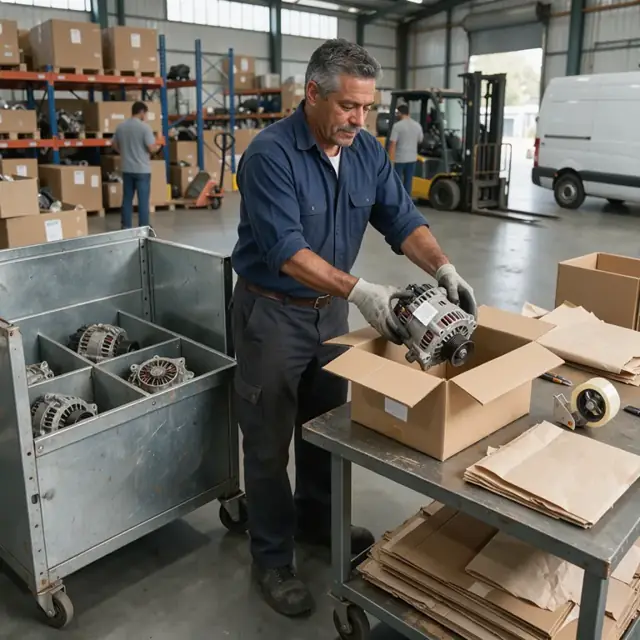
Order Coordinator
Convert customer requests into verified pull tickets shipping documents and invoices.
Works in: Ambitious Tasks, Ambitious Docs, Contract Analyzer · Workflows: Customer order processing and pulling
Automates
- Checks part fitment against customer vehicle data
- Reserves stock and creates pull tickets
- Generates packing lists and carrier labels
- Drafts invoices with core charges
Stops for a person
- A person confirms availability for large or oily parts
- The warehouse lead approves all hazmat paperwork
- The owner reviews large orders before release
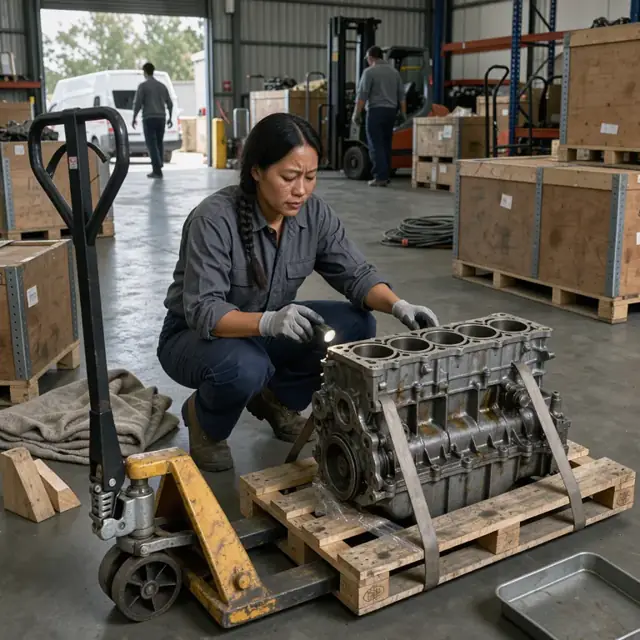
Core Return Clerk
Process returned cores inspect them against standards and manage credits and outbound shipments to rebuilders.
Works in: Ambitious Tasks, Ambitious Sheets, Ambitious Docs · Workflows: Core return and credit processing
Automates
- Matches returns to original sales records
- Records inspection results against grading criteria
- Calculates credits or rejection reasons
- Prepares core shipment manifests
Stops for a person
- The yard manager decides on core rejections
- A person handles supplier negotiations and final credits
- The owner approves large core shipments
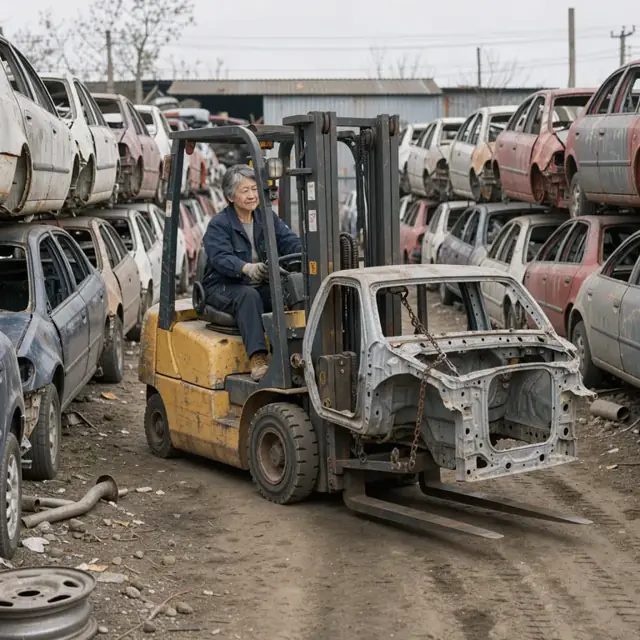
Yard and Dismantling Scheduler
Prioritize incoming vehicles assign dismantling work and maintain yard capacity and safety schedules.
Works in: Ambitious Tasks, Process Optimizer, Ambitious Sheets · Workflows: Yard intake and dismantling schedule
Automates
- Ranks vehicles by demand and space availability
- Assigns daily dismantling tasks to bays
- Schedules hazardous waste pickups
- Forecasts storage and pull capacity
Stops for a person
- The yard manager approves the weekly schedule
- A person confirms environmental pickup arrangements

Purchasing and Replenishment Agent
Identify needed parts source them from auctions and partner yards and track incoming inventory against demand.
Works in: Ambitious Sheets, Ambitious Tasks, Ambitious Docs · Workflows: Supplier purchasing and replenishment
Automates
- Highlights fast-moving and depleted parts
- Compares supplier offers and grades
- Drafts purchase lists with target prices
- Tracks expected arrivals and updates forecasts
Stops for a person
- The owner approves all purchases and spending
- A person performs title and history checks on engines and transmissions

Compliance and Safety Coordinator
Maintain regulatory logs permits and hazmat documentation and alert on renewal dates.
Works in: Ambitious Tasks, Ambitious Docs, Ambitious Sheets · Workflows: Regulatory and safety paperwork
Automates
- Generates daily waste and fluid logs
- Tracks license and permit renewal dates
- Creates required shipping manifests
- Maintains inspection and interchange records
Stops for a person
- The yard manager confirms which local and state requirements apply
- A person handles all inspections and corrective actions
- The bot never certifies compliance
Workflows
Vehicle and core intake grading
Starts when: A new vehicle arrives at the yard or a core is dropped off
- Record VIN make model year and mileage
- Inspect for damage missing components and fluid leaks
- Assign grade to major assemblies and body panels
- Create inventory tasks for each salable part
- Generate disposal or recycling list for unusable materials
Watch for: Fluids must be drained before storage; Matching numbers and title documentation required for certain high-value parts
Part listing and catalog update
Starts when: After grading or on a daily batch
- Pull interchange data for the vehicle
- Create or update listings with photos condition grade and price
- Add to internal stock sheets and external marketplaces
- Set core charge and return window
- Flag high-demand or low-stock items
Watch for: Accurate interchange prevents selling wrong parts; Photos must show specific damage or wear
Customer order processing and pulling
Starts when: A customer or shop places an order by phone email or portal
- Verify part fitment against customer vehicle data
- Check stock and reserve the item
- Create a pull ticket with location and bin
- Generate packing list shipping label and hazmat paperwork
- Update inventory after pull and draft invoice
Watch for: Heavy parts require forklift or two-person pulls; Oily parts must be drained and bagged before packing
Core return and credit processing
Starts when: Core return window or supplier schedule
- Match returned cores to original sales
- Inspect returned parts against grading standards
- Issue credit or reject with documentation
- Prepare cores for shipment to rebuilders
- Update supplier accounts and track deposits
Watch for: Cores must be returned in like condition; Timelines are strict to avoid chargebacks
Yard intake and dismantling schedule
Starts when: Weekly or when new inventory arrives
- Prioritize vehicles by demand and space
- Assign dismantling bays and workers
- Schedule fluid removal and hazardous waste pickup
- Forecast pull volume and storage needs
- Update capacity and backlog view
Watch for: Limited yard space requires rotation; Environmental pickup days are fixed by local rules
Supplier purchasing and replenishment
Starts when: Low stock alerts or weekly review
- Identify fast-moving or out-of-stock parts
- Check partner yards and auction lists
- Draft purchase offers with target grades and prices
- Track incoming loads and expected arrival
- Update forecast after purchases
Watch for: Seasonal parts bought ahead of weather events; High-value engines require title and history checks
Regulatory and safety paperwork
Starts when: Every intake and on renewal dates
- Generate daily fluid and battery disposal logs
- Track dismantler license insurance and environmental permit dates
- Create shipping manifests with hazmat classifications
- Maintain grade and interchange verification records
- Prepare reports for yard inspections
Watch for: Rules differ by state for parts with VINs and airbags; The yard manager confirms which permits apply
Bot templates for this industry
Source: U.S. Small Business Administration, Office of Size Standards, Table of Small Business Size Standards Matched to North American Industry Classification System Codes, version March 2023 (effective 2023-03-17, NAICS 2022). Size standards are shown for reference only.