

Metal Service Centers and Other Metal Merchant Wholesalers
Metal service centers buy bulk steel, aluminum, copper and other metals then cut, slit, level, shear or otherwise process them to customer specifications before delivery. For a center that receives mill coils and plates then cuts to length or blanks for manufacturers, the specialists turn customer requests into verified orders, orders into cut schedules and material requisitions, and schedules into delivery routes and mill reorder points. Alloy certifications, material test reports and safety data sheets stay with the warehouse team.
What makes this business different
- Customer-specified grades, thicknesses, widths, lengths, tolerances and finishes that must match exactly
- Material traceability from mill heat or lot number through processing to the delivered piece
- Heavy coils, sheets, bars and plates that require cranes, forklifts and specialized handling equipment
- Cut-to-length, slitting, leveling or blanking that consumes material and creates scrap or drop tracking
- Inventory valued by weight with daily price fluctuations from commodity markets
- Mill test reports, certificates of conformance and safety data sheets that must travel with each shipment
- Repeat OEM and fabrication customers with blanket orders and scheduled releases
- Overweight and oversized load permits, crane certifications, forklift operator cards and warehouse safety protocols
Specialist bots
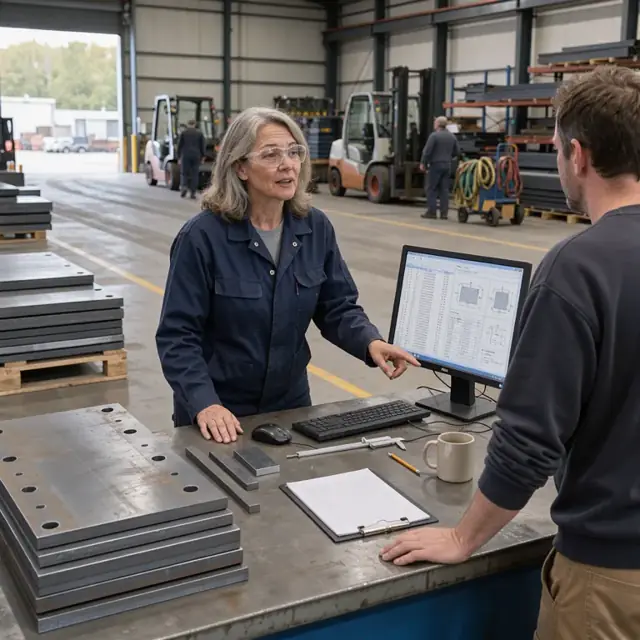
Order Verifier
Turn every customer request into a verified order with exact material specifications.
Works in: Ambitious Tasks, Ambitious Docs, Email Buckets · Workflows: Order intake and specification verification
Automates
- Reads incoming requests and extracts grade, size, quantity and tolerances
- Checks against current stock and mill capabilities
- Drafts quotations with estimated dates
- Creates production order tasks with full specifications
Stops for a person
- The sales manager approves all pricing and special terms
- Any deviation from standard tolerances goes to engineering for review
- A person sends the final quotation and handles contract signatures

Cut Schedule Coordinator
Convert confirmed orders into daily processing sequences and work orders for the floor.
Works in: Ambitious Tasks, Ambitious Sheets, Process Optimizer · Workflows: Cut schedule and material allocation
Automates
- Matches orders to available stock by heat number
- Sequences jobs by machine and setup similarity
- Calculates material usage and scrap
- Generates dimensioned work orders
Stops for a person
- The floor supervisor adjusts the sequence for equipment condition
- Final work orders are reviewed before release to the shop floor

Inventory and Replenishment Manager
Maintain accurate stock levels, draft mill orders and track material valuations.
Works in: Ambitious Sheets, Ambitious Tasks, Ambitious Docs · Workflows: Mill purchasing and inventory management
Automates
- Calculates requirements from open orders and forecasts
- Subtracts current inventory and drops
- Drafts purchase requisitions by supplier
- Updates daily valuations based on market prices
Stops for a person
- The owner approves all purchase orders and expenditures
- Mill order changes that affect lead times require sales confirmation

Process Optimization Engineer
Optimize daily processing sequences, improve material yields and identify capacity constraints.
Works in: Process Optimizer, Ambitious Sheets, Ambitious Tasks · Workflows: Processing capacity and yield optimization
Automates
- Sequences jobs to reduce setup time
- Maps capacity against open orders
- Calculates yield across similar orders
- Recommends safety stock adjustments
Stops for a person
- The production manager reviews all optimization suggestions
- Changes to standard processes require owner approval

Shipping and Dispatch Coordinator
Prepare shipments, create packing lists with certifications and plan delivery routes.
Works in: Ambitious Tasks, Ambitious Docs, Ambitious Sheets · Workflows: Delivery and shipment preparation
Automates
- Groups orders for truckload efficiency
- Generates packing lists and bills of lading
- Builds carrier or route instructions
- Drafts customer shipment notifications
Stops for a person
- The warehouse lead verifies load securement and documentation
- All final shipping documents are approved before departure

Certification and Document Clerk
Assemble and attach all material test reports, certificates and safety data sheets to orders.
Works in: Ambitious Docs, Ambitious Tasks, Ambitious Sheets · Workflows: Material certification and document control
Automates
- Matches mill test reports to specific heats
- Compiles customer certification packages
- Tracks document expiration dates
- Maintains organized digital archives by lot
Stops for a person
- The quality manager reviews all certification packages before release
- The owner confirms which additional tests or documents specific customers require
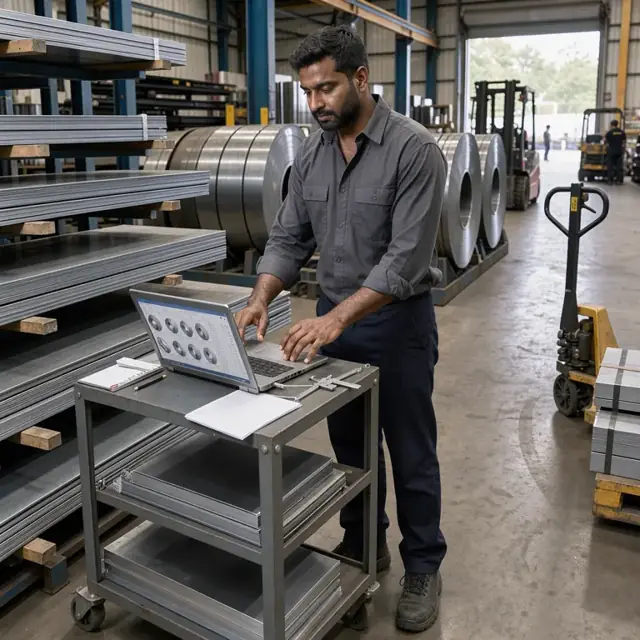
Customer Account Steward
Follow up after deliveries, manage blanket orders and prompt customers for next releases.
Works in: Ambitious Tasks, Email Buckets, Ambitious Docs · Workflows: Customer follow-up and blanket order releases
Automates
- Drafts delivery confirmations and feedback requests
- Tracks consumption on blanket orders
- Prepares renewal quotes
- Reminds customers of upcoming releases
Stops for a person
- The sales manager approves all pricing and contract terms
- Every customer communication is reviewed before sending

Safety and Equipment Compliance Clerk
Run daily equipment safety checklists and track operator certifications and inspection due dates.
Works in: Ambitious Tasks, Ambitious Sheets, Ambitious Docs · Workflows: Equipment safety and permit management
Automates
- Generates daily pre-shift checklists for cranes, forklifts and processing equipment
- Logs inspection results and flags out-of-service items
- Tracks renewal dates for operator cards, crane certifications and annual inspections
- Maintains equipment maintenance history
Stops for a person
- The warehouse supervisor reviews and signs off on all daily checklists
- The owner confirms which local safety rules and inspection requirements apply
- All corrective actions on equipment are performed and documented by qualified personnel
Workflows
Order intake and specification verification
Starts when: A customer submits a request by email, portal, quote form or phone
- Capture the metal type, grade, dimensions, quantity, tolerances, finish and any special testing
- Check against current inventory, mill lead times and processing capabilities
- Draft a quotation with pricing, estimated ship date and material certifications
- Record the order with heat or lot traceability requirements
- Create a production-ready order task with exact specifications
Watch for: Exact alloy and temper must be confirmed before cutting; Large orders may require mill production runs with long lead times; All customer specifications must be captured without assumption
Cut schedule and material allocation
Starts when: Order confirmation and daily at start of shift
- Lock the day's confirmed orders
- Match orders to available coil, plate or bar stock by heat number
- Build a sequenced cut or processing schedule by machine
- Calculate material yield, drop and scrap for each job
- Generate work orders with exact dimensions and tolerances
Watch for: Machine capacity and blade or knife changes limit daily throughput; Nest parts to minimize expensive scrap on high-value alloys; Forklift and crane availability must align with schedule
Mill purchasing and inventory management
Starts when: After daily schedule and weekly
- Explode open orders and forecasts into material requirements by grade and size
- Subtract current stock and committed drops
- Draft purchase requisitions by mill or supplier
- Track open mill orders and expected arrival dates
- Monitor commodity prices and update inventory valuations
Watch for: Mill minimum order quantities and surcharges affect buying decisions; Coils and plates take up significant warehouse space and weight capacity; Per-heat traceability must be preserved through all transactions
Processing capacity and yield optimization
Starts when: Weekly and when new large orders arrive
- Compare open orders and forecast to shear, slitter and saw capacity
- Use the process optimizer to sequence jobs for minimal setup changes
- Identify yield improvement opportunities across similar grades
- Suggest safety stock levels for fast-moving items
- Flag any required equipment inspections or blade maintenance
Watch for: Setup time between different thicknesses and grades is significant; Warehouse space and crane capacity constrain incoming mill shipments
Delivery and shipment preparation
Starts when: Morning of each shipment day
- Group completed orders by customer and delivery zone
- Draft packing lists with heat numbers and material test reports
- Build truck routes or carrier instructions with weight and dimension details
- Draft shipment notifications for customer approval
- Record proof of delivery and any damage notes
Watch for: Flatbed, step-deck or van trailers required depending on material form; Overweight and oversized loads may need permits; Load securement must follow DOT requirements
Material certification and document control
Starts when: With every processed order and on mill receipt
- Attach mill test reports and certificates of conformance to each order
- Generate customer-specific certification packages
- Track expiration dates on any required testing or coatings
- Maintain safety data sheets by alloy family
- Archive all traceability documents by heat or lot number
Watch for: Certain industries require full traceability from melt to delivery; Documents must be legible and delivered with the metal; The quality team confirms which documents each customer requires
Customer follow-up and blanket order releases
Starts when: After delivery and on blanket order cadence
- Draft delivery confirmation and quality feedback request
- Alert customers when blanket order releases are due
- Track consumption patterns for high-volume items
- Draft renewal quotes for expiring contracts
- Update customer-specific tolerances or specifications on file
Watch for: Never send pricing or commitments without owner approval; Many customers operate on just-in-time schedules
Equipment safety and permit management
Starts when: Daily before shift, after maintenance, and on renewal dates
- Generate daily pre-shift equipment checklist for cranes, forklifts and shears
- Log inspection results and flag any out-of-service equipment
- Track forklift operator certifications, crane operator cards and warehouse safety training renewals
- Maintain records for overhead crane inspections and pressure vessel certifications
- Schedule and record annual or semi-annual equipment inspections
Watch for: Heavy equipment requires documented daily inspections and operator qualifications; Local fire marshal and OSHA requirements differ by facility and must be confirmed by the owner
Bot templates for this industry
Source: U.S. Small Business Administration, Office of Size Standards, Table of Small Business Size Standards Matched to North American Industry Classification System Codes, version March 2023 (effective 2023-03-17, NAICS 2022). Size standards are shown for reference only.