

Footwear Merchant Wholesalers
Footwear merchant wholesalers purchase seasonal lines from manufacturers, maintain inventory of shoes, boots and sandals in multiple sizes and colors, sell to independent retailers and chains, and manage replenishment orders. Specialists turn sales-rep notes and retailer orders into purchase orders and inventory allocations, track incoming shipments against purchase orders, and convert allocated stock into pick tickets and shipping labels while monitoring seasonal closeouts and returns. Recipes, pricing and compliance calls stay with the owner.
What makes this business different
- Seasonal purchasing with advance commitments six to nine months ahead of selling season
- Size runs and color assortments that must be bought and held together
- Retail customer credit checks and terms that vary by account
- Inventory storage across multiple warehouses with style color size grids
- Advance shipment notices and container unloading schedules from overseas suppliers
- Returns processing for defective or unsold seasonal stock with restocking fees
- Compliance with federal flammability and labeling rules for footwear materials
- Price protection and markdown allowances negotiated with both suppliers and retailers
Specialist bots

Order Intake Clerk
Convert every retailer order message or EDI file into a validated order ready for allocation.
Works in: Ambitious Tasks, Ambitious Docs, Ambitious Sheets · Workflows: Retailer order intake and validation
Automates
- Reads incoming order emails, portals and EDI transmissions
- Extracts style color size and quantity information
- Checks credit and inventory availability
- Drafts order confirmation for review
- Creates the order task with full specifications
Stops for a person
- Sales manager approves any credit exceptions
- A person sends the final confirmation to the retailer

Purchase Order Agent
Aggregate demand and draft purchase orders that meet factory minimums and delivery windows.
Works in: Ambitious Sheets, Ambitious Docs, Ambitious Tasks · Workflows: Purchase order creation and supplier coordination
Automates
- Rolls up demand by style color and size
- Checks against supplier minimum order quantities
- Drafts purchase orders with required lead times
- Tracks confirmation and expected arrival dates
Stops for a person
- The owner approves every purchase order before it is sent
- Negotiated price protection terms are added by a person

Receiving and QC Clerk
Match incoming shipments to purchase orders, create inspection checklists and update inventory records.
Works in: Ambitious Tasks, Ambitious Sheets, Ambitious Docs · Workflows: Inbound shipment receiving and quality check
Automates
- Compares carton counts and style numbers to the PO
- Creates inspection checklist for sampled pairs
- Records received quantities by size and color
- Flags shortages or quality issues for claims
Stops for a person
- A person performs the physical quality inspection and photographs defects
- The owner decides whether to accept or reject shipments

Allocation Specialist
Allocate freshly received stock to open customer orders while preserving complete size runs.
Works in: Ambitious Sheets, Process Optimizer, Ambitious Tasks · Workflows: Inventory allocation to customer orders
Automates
- Matches inventory to open orders by priority date
- Respects size and color run requirements
- Reserves safety stock for key accounts
- Produces allocation reports for each retailer
Stops for a person
- Sales team reviews and adjusts allocations before release
- Any split size runs are approved by a manager
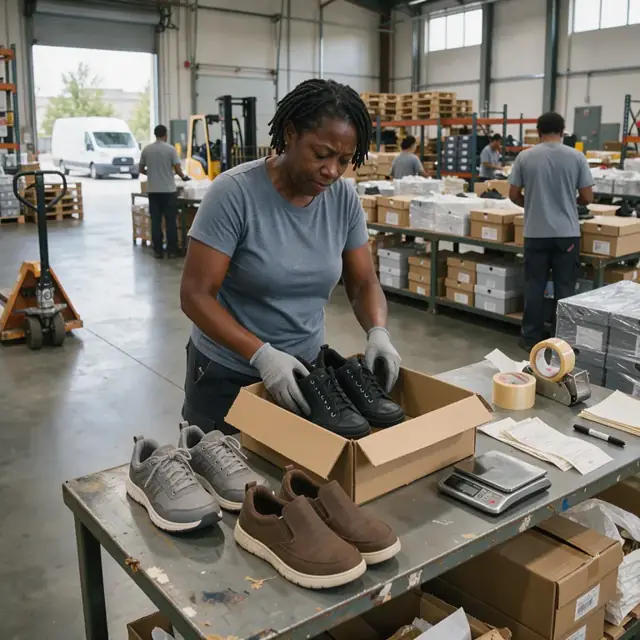
Order Picker and Packer
Create pick tickets, draft packing lists and generate shipping labels and bills of lading.
Works in: Ambitious Tasks, Ambitious Docs, Ambitious Sheets · Workflows: Order picking packing and labeling
Automates
- Generates location-sorted pick tickets
- Creates packing lists and carton labels
- Checks weight and dimensional limits
- Prepares carrier manifests and bills of lading
Stops for a person
- A person performs the physical picking and packing
- Retail-specific hang tags and markings are applied by warehouse staff
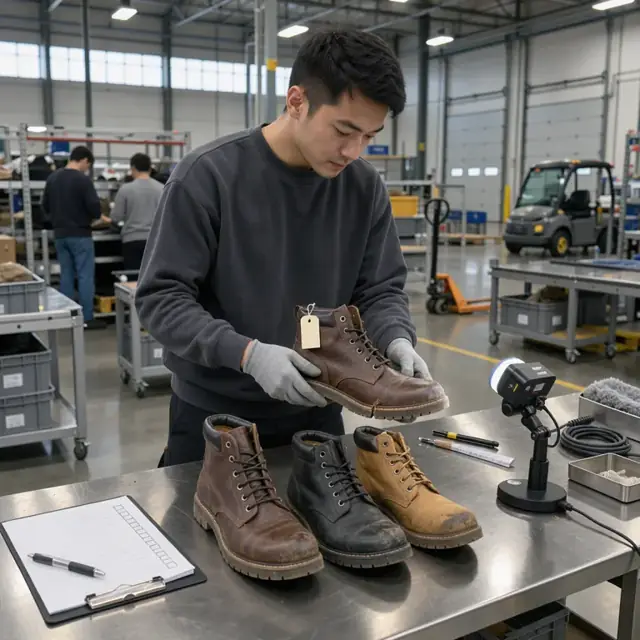
Returns and Claims Coordinator
Process retailer returns, generate inspection checklists and issue credits or replacements.
Works in: Ambitious Tasks, Ambitious Docs, Contract Analyzer · Workflows: Returns and claim processing
Automates
- Matches returns to original shipments
- Generates inspection checklists
- Calculates restocking fees or credits
- Updates inventory with returned salable stock
Stops for a person
- A person performs physical inspection and photographs defects
- The owner approves all credit memos and supplier claims
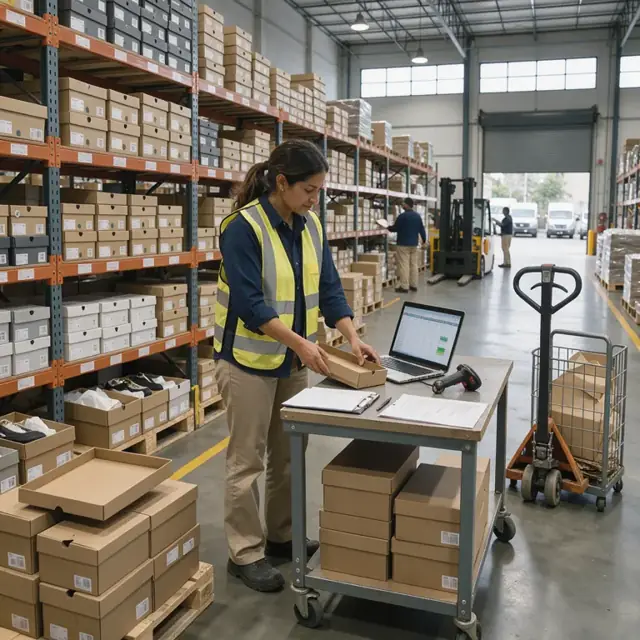
Seasonal Inventory Planner
Track inventory aging by season, identify closeouts and plan warehouse space for new arrivals.
Works in: Ambitious Sheets, Process Optimizer, Ambitious Tasks · Workflows: Seasonal inventory and closeout planning
Automates
- Ages inventory by season and style
- Flags slow movers for markdown
- Projects warehouse space needs for next season
- Prepares reports for supplier negotiations
Stops for a person
- The owner decides which styles to close out and at what price
- All supplier negotiations and contracts are handled by people

Labeling and Compliance Clerk
Generate labeling checklists and track required testing certificates and import documents for each style.
Works in: Ambitious Tasks, Ambitious Docs, Ambitious Sheets · Workflows: Labeling and compliance paperwork
Automates
- Generates labeling checklists for new styles
- Tracks flammability testing certificates and import documents
- Flags styles missing required documentation before allocation
- Maintains files of supplier certifications
- Alerts before any documents expire
Stops for a person
- The owner confirms which requirements apply to each style
- Inspections and corrective actions are handled by people
- The bot never certifies compliance
Workflows
Retailer order intake and validation
Starts when: A retailer places an order by EDI, email, portal or sales-rep submission
- Capture style numbers, colors, sizes, quantities and requested ship dates
- Check against current open inventory and pre-booked allocations
- Verify retailer credit terms and available credit limit
- Draft order confirmation showing expected ship window
- Create an order task that feeds allocation and picking
Watch for: Size and color breaks must be preserved for complete pairs; Orders placed far in advance may be held as pre-booked until goods arrive
Purchase order creation and supplier coordination
Starts when: When sales forecasts or confirmed retailer orders exceed current stock
- Aggregate demand by style color and size across all customers
- Compare against minimum order quantities required by each factory
- Draft purchase order with delivery windows and price protection clauses
- Send draft to supplier for confirmation of production slot
- Record confirmed PO and expected arrival date in inventory plan
Watch for: Lead times for overseas factories range from 90 to 180 days; Factory minimums often require buying full size runs and colorways
Inbound shipment receiving and quality check
Starts when: Supplier or freight forwarder sends advance shipment notice or container arrives
- Match incoming cartons against the open purchase order
- Create inspection checklist for sampled pairs
- Enter received quantities by style color and size into inventory
- Flag discrepancies for supplier chargeback or replacement
- Release received goods to available inventory for allocation
Watch for: Footwear must be checked for defects in stitching and materials; Carton quantities rarely match exactly due to overseas packing variances
Inventory allocation to customer orders
Starts when: New stock is received or a large new order arrives
- Run allocation against open customer orders by priority and ship date
- Respect size and color runs so partial pairs are not created
- Hold back safety stock for key accounts when requested
- Generate allocation report showing what each retailer will receive
- Move allocated stock to reserved status
Watch for: Retailers expect complete size runs or they cancel the order; Seasonal closeout goods are allocated on a first-come basis
Order picking packing and labeling
Starts when: Allocated stock is ready and ship date approaches
- Generate pick tickets sorted by warehouse location
- Draft packing lists and carton labels with routing information
- Check weight and dimensional limits for cartons
- Create bill of lading and carrier pickup request
- Flag any special retailer requirements for hang tags or markings
Watch for: Many retailers require specific carton markings and hang tags; Heavy cartons must be packed within weight limits for manual handling
Returns and claim processing
Starts when: Retailer ships back defective unsold or damaged footwear
- Match return authorization to original order and shipment
- Generate inspection checklist for returned goods
- Calculate restocking fees or credits based on condition
- Update inventory with returned salable stock and adjusted season code
- Log claim reasons for supplier negotiation
Watch for: Seasonal goods returned after the selling window have lower recovery value; Defective claims must be documented for supplier recovery
Seasonal inventory and closeout planning
Starts when: Start of each buying season and again at end of selling season
- Compare current inventory to open orders and forecast demand
- Identify slow-moving styles for markdown or closeout offers
- Draft supplier negotiations for price protection or returns
- Plan warehouse space for incoming new season goods
- Generate reports for finance on inventory aging by season
Watch for: Footwear has strong fashion seasons with limited carryover; Closeout sales to discount retailers must be timed carefully
Labeling and compliance paperwork
Starts when: New style is added or on renewal dates
- Generate labeling checklist for each new style including material content and country of origin
- Track flammability testing certificates and import documents by style
- Flag styles missing required labels before allocation
- Maintain files of supplier certifications and test reports
- Alert before any testing or permit documents expire
Watch for: Rules differ by material type and import source; The owner confirms which requirements apply to each style
Bot templates for this industry
- Footwear Merchant Wholesalers (8 bots)
Source: U.S. Small Business Administration, Office of Size Standards, Table of Small Business Size Standards Matched to North American Industry Classification System Codes, version March 2023 (effective 2023-03-17, NAICS 2022). Size standards are shown for reference only.