

Petroleum Bulk Stations and Terminals
Petroleum bulk stations and terminals receive, store and redistribute fuel by truck, rail or barge. For a terminal that receives gasoline, diesel and heating oil by pipeline or barge and loads tanker trucks for local delivery, the specialists turn supplier schedules and rack orders into daily receipt plans, convert customer lift tickets into load schedules and bills of lading, and keep tank inventories, blend specifications and regulatory logs current. Product specs, tank gauging and regulatory filings stay with the terminal manager.
What makes this business different
- Continuous receipt from pipelines, barges or rail cars with tight scheduling windows
- Tank farm inventory by product, with daily stick readings, water bottoms and ullage calculations
- Product blending and additive injection to meet seasonal and regional specifications
- Loading rack operations with multiple bays, meters, vapor recovery and overfill prevention
- Bills of lading, custody transfer documents and chain-of-custody for each load
- Federal, state and local permits for storage, transfer, spill prevention and air quality
- Temperature-compensated volume measurements and API gravity adjustments
- Supplier contracts, rack pricing and credit holds that change daily
Specialist bots
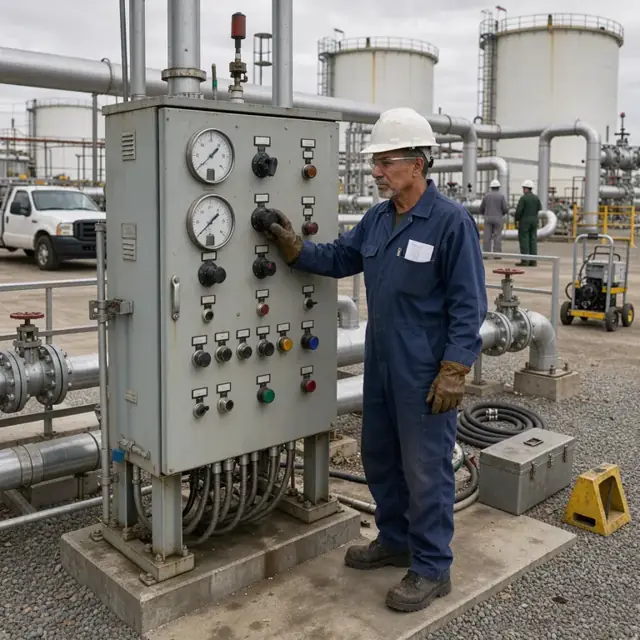
Receipt Coordinator
Turn supplier pipeline, barge and rail schedules into daily receipt plans that respect tank ullage and product compatibility.
Works in: Ambitious Tasks, Ambitious Sheets · Workflows: Inbound receipt scheduling
Automates
- Reads carrier ETAs and product details
- Checks available tank space and product compatibility
- Assigns receiving lines and tanks
- Drafts the daily receipt schedule
- Creates operational tasks for the team
Stops for a person
- The terminal manager approves line-ups that affect multiple tanks
- A person confirms all critical valve alignments before receipt begins
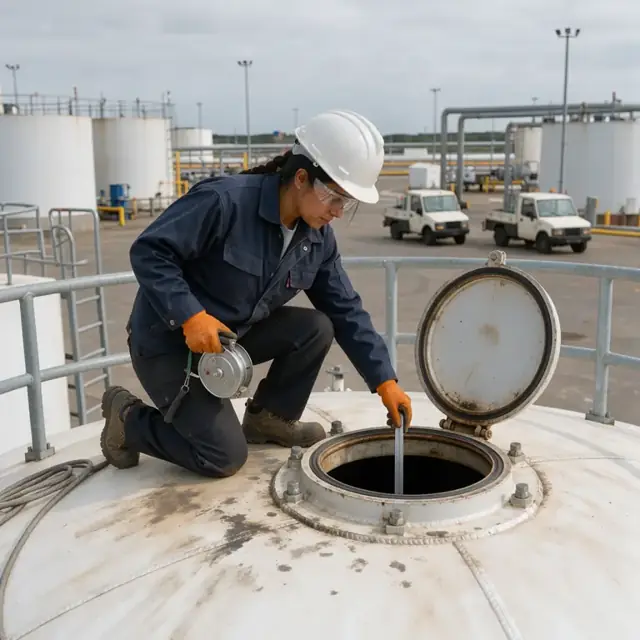
Tank Inventory Gauger
Convert automatic and manual tank readings into reconciled daily inventory records with temperature and gravity adjustments.
Works in: Ambitious Sheets, Ambitious Tasks, Ambitious Docs · Workflows: Daily tank inventory and gauging
Automates
- Pulls or records tank gauge data
- Applies temperature and API corrections
- Reconciles book versus physical inventory
- Flags abnormal variances
- Updates the master inventory sheet
Stops for a person
- The terminal manager reviews and signs off on all daily inventory reports
- Manual stick readings are performed and verified by a person

Order Intake and Credit Clerk
Turn every customer fuel request into a verified load ticket with current pricing and specification checks.
Works in: Ambitious Tasks, Ambitious Docs, Email Buckets · Workflows: Customer order intake and credit check
Automates
- Parses incoming order messages and forms
- Checks credit status and rack price
- Verifies seasonal product specifications
- Reserves inventory or load slot
- Creates the load ticket task
Stops for a person
- The terminal manager approves any order that exceeds credit limits
- A person contacts the customer to confirm special instructions
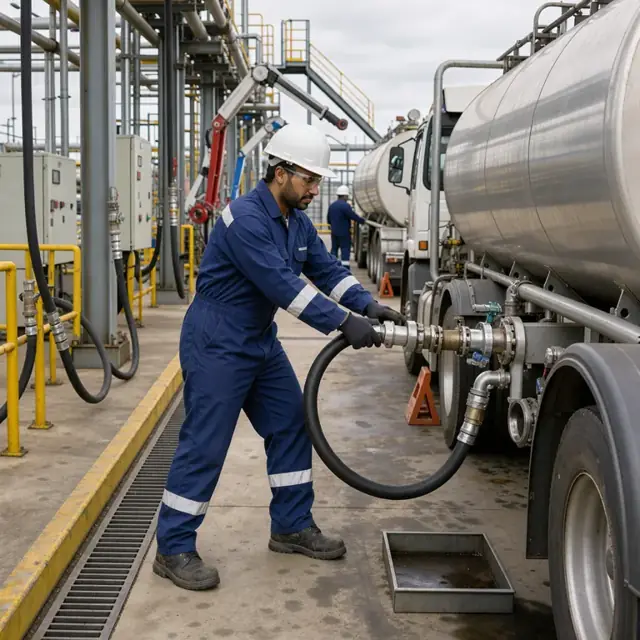
Rack Load Scheduler
Sequence customer loads across available rack bays and generate accurate bills of lading and loading tickets.
Works in: Ambitious Tasks, Ambitious Docs · Workflows: Loading rack scheduling and documentation
Automates
- Sequences loads by priority and product
- Assigns bays and meters
- Calculates temperature-corrected volumes
- Generates bills of lading and tickets
- Records actual loaded amounts
Stops for a person
- The driver and rack operator confirm meter presets before loading
- A person reviews and releases every bill of lading before the truck departs
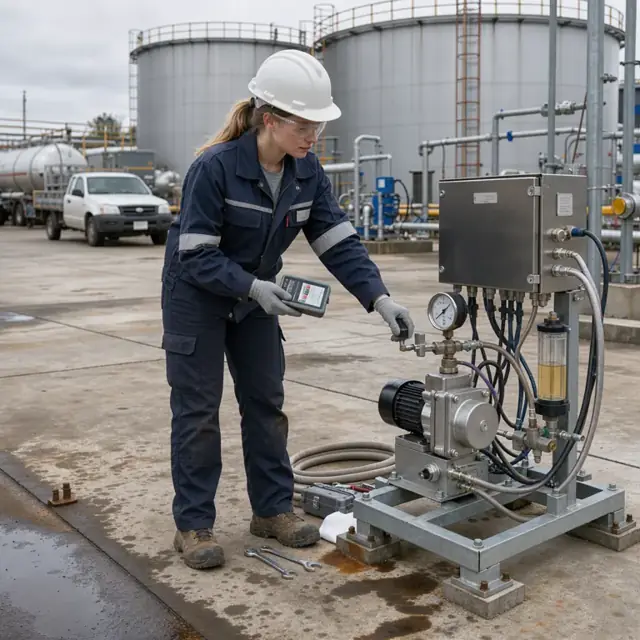
Additive and Blend Specialist
Calculate and schedule precise additive injection rates to keep every load within seasonal and regulatory specifications.
Works in: Ambitious Sheets, Process Optimizer, Ambitious Tasks · Workflows: Additive and blend management
Automates
- Determines treat rates by product and season
- Calculates injection quantities per load
- Tracks additive inventory levels
- Logs injection events and batch codes
- Maintains product certification data
Stops for a person
- The terminal manager confirms treat rates when specifications change
- A person verifies additive tank connections and injection logs daily
Compliance and Safety Clerk
Maintain daily safety checklists, regulatory logs and renewal reminders for all required permits and plans.
Works in: Ambitious Tasks, Ambitious Docs, Ambitious Sheets · Workflows: Regulatory and safety logging
Automates
- Generates daily inspection checklists
- Logs receipts, loads and gauge data
- Tracks permit and plan renewal dates
- Organizes chain-of-custody records
- Drafts periodic regulatory reports
Stops for a person
- The terminal manager confirms which local, state and federal requirements apply
- People perform physical inspections and sign off on all checklists
- The bot never certifies compliance

Supplier Reconciliation Analyst
Match supplier invoices and custody documents to physical receipts and resolve inventory gain or loss variances.
Works in: Ambitious Sheets, Ambitious Docs, Contract Analyzer · Workflows: Supplier invoice and inventory reconciliation
Automates
- Matches bills of lading to receipt data
- Calculates temperature-adjusted gains and losses
- Drafts supplier reconciliation reports
- Updates inventory cost layers
- Flags significant variances
Stops for a person
- The terminal manager reviews and approves all reconciliation reports before filing
- A person investigates and documents any large inventory variances
Workflows
Inbound receipt scheduling
Starts when: Supplier pipeline schedule, barge arrival notice or rail car ETA
- Capture the carrier, product type, volume and ETA
- Check available tank ullage and current inventory by product
- Assign receiving tank and line-up
- Draft the receipt plan and notify operations
- Create a receipt task with meter and tank details
Watch for: Pipeline or barge windows cannot be missed; Product incompatibility rules must be observed when lining up tanks
Daily tank inventory and gauging
Starts when: Start of each business day and after each major receipt or load
- Pull automatic tank gauge readings or record manual stick measurements
- Calculate net gallons, water bottoms, temperature and API gravity
- Reconcile book inventory against physical measurements
- Flag variances above normal thresholds
- Update running inventory sheet for all products
Watch for: Temperature compensation is required for volume accuracy; Water and sediment must be monitored to protect product quality
Customer order intake and credit check
Starts when: A customer places a fuel order by phone, email, portal or dispatch system
- Capture customer, product, volume, delivery date and special instructions
- Check credit hold status and available rack pricing
- Confirm product specification against seasonal requirements
- Reserve inventory or schedule a load slot
- Create a load ticket task with all details
Watch for: Credit and payment terms change daily with supplier rack prices; Seasonal specifications for gasoline and diesel must be verified
Loading rack scheduling and documentation
Starts when: Each morning and as new orders arrive
- Sequence pending loads by customer priority, product and bay availability
- Assign load bays, meters and drivers
- Generate bills of lading with temperature-corrected volumes
- Print loading tickets with additive and blend instructions
- Record actual loaded volumes and release the ticket for delivery
Watch for: Vapor recovery, overfill prevention and static grounding are mandatory; Each load must match the exact product specification ordered
Additive and blend management
Starts when: Before each loading session or receipt
- Determine required additives and treat rates for the product and season
- Calculate injection quantities for the scheduled loads
- Draft additive reorder list when tanks run low
- Log injection events and batch numbers
- Update product certification records
Watch for: Additive injection must be precise to meet regulatory specifications; Incorrect blends can render an entire tank off-spec
Regulatory and safety logging
Starts when: Daily, after each receipt or load, and on renewal dates
- Generate daily inspection checklist for tanks, dikes, fire equipment and spill kits
- Log all receipts, loads, meter readings and gauge data
- Track permit, SPCC plan, air permit and stormwater renewal dates
- Maintain chain-of-custody and product transfer records
- Draft monthly or quarterly regulatory reports for review
Watch for: Different jurisdictions require different report formats and deadlines; All log entries must be traceable to specific meters, tanks and personnel
Supplier invoice and inventory reconciliation
Starts when: After each receipt and at month end
- Match supplier bill of lading to actual receipt volumes and temperatures
- Calculate any gain or loss and investigate variances
- Draft reconciliation report for each supplier
- Update cost layers for inventory valuation
- Flag discrepancies for terminal manager review
Watch for: Pipeline and barge receipts often have custody transfer measurement differences; Accurate cost layers are required for financial reporting
Bot templates for this industry
Source: U.S. Small Business Administration, Office of Size Standards, Table of Small Business Size Standards Matched to North American Industry Classification System Codes, version March 2023 (effective 2023-03-17, NAICS 2022). Size standards are shown for reference only.