

Wine and Distilled Alcoholic Beverage Merchant Wholesalers
Wine and distilled alcoholic beverage merchant wholesalers receive allocations and orders from producers, maintain temperature-controlled warehouse inventory of cases and kegs, sell to licensed retailers and restaurants, manage state-by-state compliance paperwork, and schedule deliveries with liftgate trucks. The specialists turn supplier allocations and customer orders into purchase commitments, inventory into allocation plans and sales offers, orders into invoices and delivery manifests, and track aging, breakage and returns.
What makes this business different
- Strict three-tier system rules that separate producers, wholesalers and retailers with state-specific licenses and reporting
- Allocation-based purchasing where rare wines and limited-release spirits are assigned by the producer and must be divided among accounts
- Temperature-controlled storage for wine with humidity monitoring and separate spirit and beer areas
- Case and keg inventory tracking with lot numbers, vintage years, bottle sizes and excise tax status
- Compliance with tied-house laws, minimum pricing, advertising restrictions and monthly tax reports to state liquor authorities
- Delivery to licensed premises only with age verification, signature requirements and chain-of-custody paperwork
- Seasonal demand spikes around holidays, festivals and sports events that require advance ordering and warehouse space planning
Specialist bots

Allocation Manager
Convert producer allocation offers into purchase commitments that match house sales capacity and customer demand.
Works in: Ambitious Tasks, Ambitious Sheets, Ambitious Docs · Workflows: Supplier allocation and purchase commitment
Automates
- Reads allocation emails and extracts product, vintage and quantity details
- Compares against open commitments and current stock
- Drafts purchase quantities and expected arrival tasks
- Maintains allocation history for each producer
Stops for a person
- The owner decides final quantities to commit and which accounts receive the allocation
- Any deviation from the producer's terms is approved by the owner

Order Verifier
Turn incoming retailer and restaurant orders into checked fulfillment tasks with license verification.
Works in: Ambitious Tasks, Ambitious Docs, Contract Analyzer · Workflows: Order intake and compliance check
Automates
- Parses order messages and portal submissions
- Verifies account license status and compliance flags
- Checks inventory availability against allocations
- Drafts priced order with taxes and creates fulfillment task
Stops for a person
- The sales representative confirms special requests and pricing exceptions
- A person reviews and sends the final order confirmation
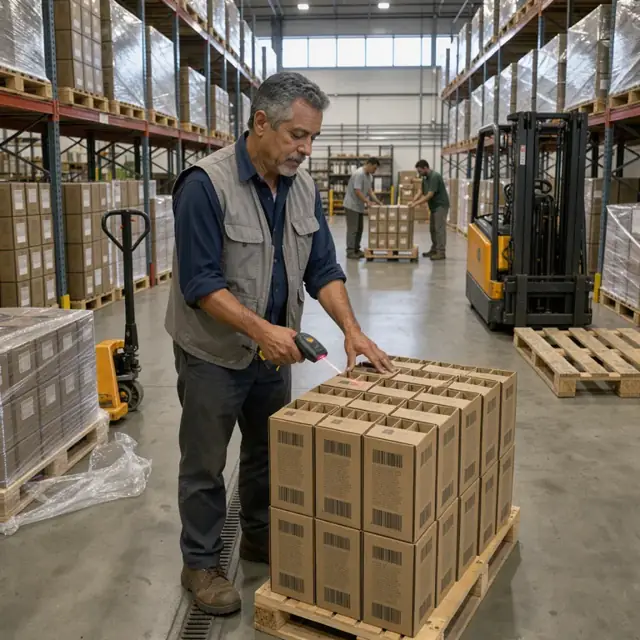
Warehouse Coordinator
Convert daily orders into sequenced pick lists, load plans and temperature instructions for the warehouse team.
Works in: Ambitious Tasks, Ambitious Sheets, Process Optimizer · Workflows: Warehouse fulfillment and load planning
Automates
- Groups orders by delivery zone and truck
- Generates aisle-by-aisle pick lists with lot and vintage
- Calculates pallet weights and space requirements
- Creates temperature and loading checklists
Stops for a person
- The warehouse lead reviews and adjusts the pick sequence
- A person performs the final load check and signs the manifest

Delivery Dispatcher
Plan daily delivery routes, generate manifests and track proof of delivery for each stop.
Works in: Ambitious Tasks, Ambitious Docs · Workflows: Delivery dispatch and proof of delivery
Automates
- Optimizes routes by zone and truck type
- Assembles invoices, manifests and state paperwork
- Drafts customer notifications and arrival windows
- Records delivery confirmations, signatures and temperature logs
Stops for a person
- The driver approves final route changes for traffic or customer availability
- All paperwork packets are reviewed by a person before loading

Inventory Controller
Maintain accurate lot-level inventory, track receipts and shipments, and forecast replenishment needs.
Works in: Ambitious Sheets, Ambitious Tasks, Ambitious Docs · Workflows: Inventory tracking and replenishment
Automates
- Records inbound receipts against purchase orders
- Adjusts stock after each sale, return or breakage
- Generates velocity reports and reorder forecasts
- Maintains vintage and lot traceability records
Stops for a person
- The owner approves all purchase orders and large adjustments
- Physical cycle counts are performed and reconciled by people

Compliance Clerk
Compile state tax reports, track license renewals and organize all required compliance documentation.
Works in: Ambitious Docs, Ambitious Sheets, Ambitious Tasks · Workflows: Compliance and tax reporting
Automates
- Assembles monthly sales and gallonage reports
- Tracks license, permit and bond expiration dates
- Prepares price posting and brand registration files
- Organizes audit-ready documentation packets
Stops for a person
- The owner reviews and approves every report before submission
- People confirm which state rules apply and handle any corrections

Account Relationship Host
Track customer purchase patterns, draft personalized reorder reminders and prepare allocation offers for approval.
Works in: Ambitious Tasks, Ambitious Docs, Email Buckets · Workflows: Customer relationship and reorder management
Automates
- Maintains purchase history and preference lists per account
- Drafts thank-you notes and delivery summaries
- Prepares upcoming release and allocation notifications
- Organizes tasting notes and feedback
Stops for a person
- The sales team approves every message and offer before sending
- The owner confirms all pricing and promotional content
Workflows
Supplier allocation and purchase commitment
Starts when: Producer allocation offer arrives by email or portal
- Parse the allocation details including product, vintage, bottle count and pricing tiers
- Check current inventory and open customer commitments against the new allocation
- Draft purchase order with quantities the house can realistically sell
- Record commitment and expected arrival date
- Create inventory placeholder tasks for the inbound shipment
Watch for: Allocations are often non-negotiable and must be accepted or declined within hours; Over-committing an allocation can leave the wholesaler with unsold high-value inventory
Order intake and compliance check
Starts when: A licensed retailer or restaurant places an order by email, portal or phone
- Capture the product list, quantities, requested delivery date and account license number
- Verify the account is in good standing and has no outstanding compliance flags
- Check available inventory and allocated quantities for each item
- Draft a priced order with applicable taxes and deposit charges
- Create a fulfillment task with delivery and paperwork requirements
Watch for: Only sell to accounts with current licenses; the system flags expired or suspended permits; Certain products may have minimum order quantities or resale restrictions
Warehouse fulfillment and load planning
Starts when: Daily cutoff for next-day deliveries
- Lock the order list for the route day
- Group orders by delivery zone and truck capacity
- Generate pick lists by aisle, lot and vintage for each case and keg
- Calculate weight and pallet requirements including liftgate needs
- Draft temperature-controlled loading instructions and temperature logs
Watch for: Wine must stay between 55-65°F during staging and transport; Breakage and leakage must be logged before the truck leaves the dock
Delivery dispatch and proof of delivery
Starts when: Morning of each delivery day
- Assign loads to drivers and trucks with route optimization
- Generate delivery manifests, invoices and state-required paperwork
- Draft arrival windows and pre-arrival notifications for approval
- Capture signatures, temperatures and any shortage or damage notes upon delivery
- Close out the delivery and trigger invoice finalization
Watch for: Deliveries only to licensed premises during approved hours; Driver must verify recipient age and license on every drop
Inventory tracking and replenishment
Starts when: After each receipt, shipment and weekly
- Record inbound receipts against purchase orders and allocations
- Adjust inventory for sales, breakage, returns and samples
- Forecast reorder needs based on allocation windows and sales velocity
- Draft replenishment requests for the next buying cycle
- Maintain lot and vintage traceability for recalls
Watch for: Aging inventory reports must flag slow-moving stock for reallocation or tasting events; Excise tax is paid on inventory when it is removed from bond
Compliance and tax reporting
Starts when: Monthly, quarterly and on license renewal dates
- Compile monthly gallonage and case sales by product and customer
- Generate state-specific reports for excise tax, price postings and brand registrations
- Track license, permit and bond renewal dates for the company and each account
- Flag any tied-house or advertising compliance questions
- Prepare documentation for any audits or inspections
Watch for: Each state has different reporting deadlines and formats; The owner must confirm all reports before filing
Customer relationship and reorder management
Starts when: After delivery and on seasonal cadences
- Draft thank-you notes and delivery confirmation summaries
- Track purchase history and preferred products for each account
- Draft allocation offers and upcoming release notifications
- Remind accounts of reorder deadlines for high-demand items
- Organize tasting notes and feedback from accounts
Watch for: Never send offers without confirming current inventory and allocations; All price postings and promotions must be approved and filed with the state
Bot templates for this industry
Source: U.S. Small Business Administration, Office of Size Standards, Table of Small Business Size Standards Matched to North American Industry Classification System Codes, version March 2023 (effective 2023-03-17, NAICS 2022). Size standards are shown for reference only.