

Farm Supplies Merchant Wholesalers
Farm supplies merchant wholesalers buy seed, fertilizer, pesticides, animal feed, fencing, irrigation components and hardware in bulk then sell and deliver to farms, ranches and cooperatives. Specialists turn incoming orders into verified line items with license checks, explode them into sequenced warehouse pick plans with hazard segregation, maintain real-time inventory with lot and batch traceability, generate supplier replenishment orders timed to seasonal windows, build rural delivery routes that respect weight limits and placarding, attach current safety data sheets, and compile billing with rebates and weight tickets. The warehouse manager, drivers and owner retain all physical handling, spending, signing, filing and regulatory decisions.
What makes this business different
- Bulk inputs measured in tons, pallets, bags, gallons, liters or seed count that require exact unit conversion on every order and pick list
- Hazardous materials such as fertilizers, pesticides and fuels that demand separate storage zones, special labeling, placarding and spill-kit-equipped vehicles
- Strong seasonal demand tied to planting, spraying, harvest and winter-feed windows that drive forecast-based purchasing and storage planning
- Supplier programs offering early-order discounts, price protection, rebates and allocation limits that must be captured before deadlines
- Customer accounts with credit terms, co-op memberships, delivery minimums and seasonal billing cycles that reset after harvest
- Lot and batch tracking for seed treatments, pesticides and medicated feed to support rapid recall and mandatory reporting
- Custom blending of certain fertilizers or feed on customer request with recipe documentation
- Rural farm deliveries involving gate codes, long private roads, scale tickets, signature capture and proof-of-delivery photos
Specialist bots

Order Verifier
Convert every incoming customer order into a verified, priced and warehouse-ready sales order.
Works in: Ambitious Tasks, Ambitious Docs, Contract Analyzer · Workflows: Order intake and verification
Automates
- Reads order messages, portal submissions and walk-in notes
- Pulls current pricing, rebates and early-order discounts
- Checks stock levels and required applicator licenses for restricted products
- Drafts the sales order with hazard flags and confirmation
- Creates the sequenced pick task
Stops for a person
- A person reviews and approves any off-list pricing or large credit sales
- The owner confirms all restricted-product sales and license validity before release
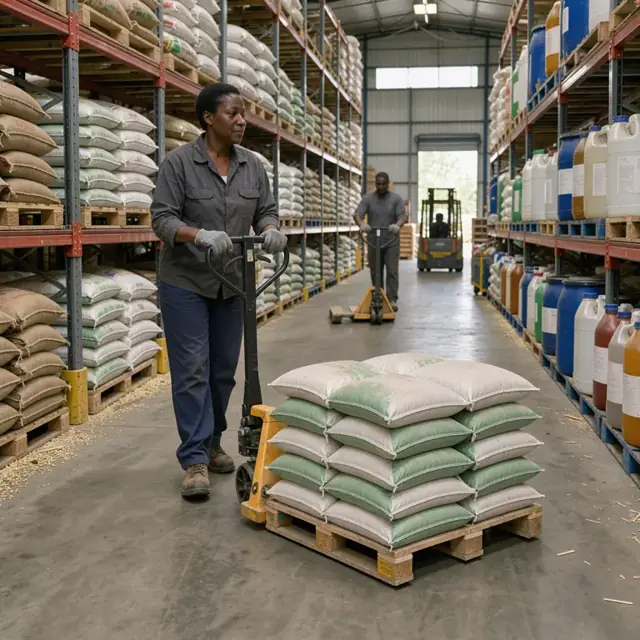
Warehouse Fulfillment Coordinator
Turn daily orders into sequenced pick lists, hazard-aware labels and loading instructions while recording lot numbers.
Works in: Ambitious Tasks, Ambitious Sheets, Ambitious Docs · Workflows: Warehouse fulfillment and picking
Automates
- Groups orders by route or zone and sequences the pick path
- Generates pick lists by aisle, bin and hazard segregation rules
- Records actual picked quantities and specific lot or batch numbers
- Prints delivery tickets that include current safety data sheet summaries
Stops for a person
- Warehouse staff perform the physical picking and verify weights of heavy or hazardous items
- The warehouse manager signs off on any substitutions, short picks or label changes

Purchasing and Replenishment Agent
Forecast usage, draft supplier purchase orders and track inbound shipments to maintain seasonal stock levels.
Works in: Ambitious Sheets, Ambitious Tasks, Process Optimizer · Workflows: Inventory replenishment and supplier ordering
Automates
- Calculates reorder quantities from open orders, historical patterns and forecasts
- Applies supplier price breaks, early-order programs and confirmed lead times
- Drafts purchase orders for seed, fertilizer, chemicals and hardware
- Updates expected arrival dates from carrier status notices
Stops for a person
- The owner approves and places every purchase order and spends money
- Large early-season or allocation purchases require additional owner review
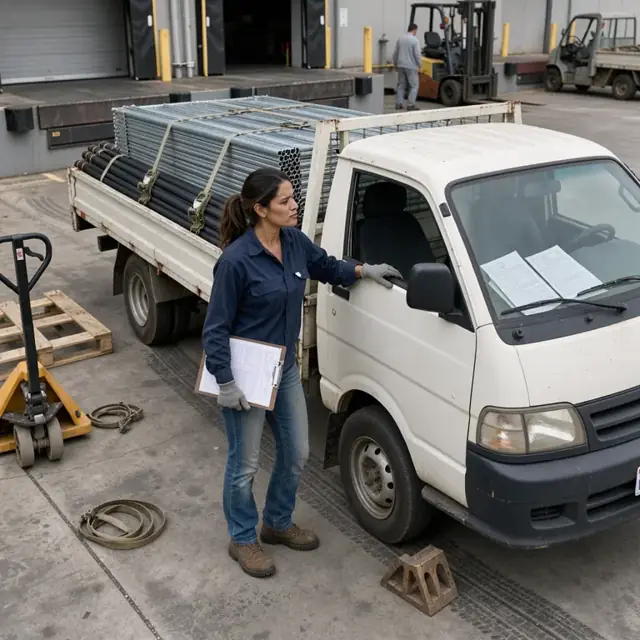
Delivery Route Dispatcher
Build daily rural delivery routes that respect truck weight limits, hazardous material rules and farm access constraints.
Works in: Ambitious Tasks, Ambitious Docs · Workflows: Delivery dispatch and routing
Automates
- Groups stops by geographic zone and available truck capacity
- Sequences routes accounting for road weight limits, bridge restrictions and drive times
- Assigns vehicles with the correct placards and spill kits
- Drafts customer notifications with arrival windows and access instructions
Stops for a person
- Drivers review and adjust routes for weather, road closures or farm schedule changes
- A person approves every customer message before it is sent

Compliance and Safety Data Clerk
Maintain current safety data sheets, verify applicator licenses, track expirations and prepare required regulatory reports.
Works in: Ambitious Docs, Ambitious Sheets, Ambitious Tasks · Workflows: Regulatory and safety compliance
Automates
- Attaches the latest safety data sheets to each regulated order
- Checks applicator license status and expiration for restricted products
- Generates monthly tonnage and pesticide reporting summaries
- Maintains lot and batch records for traceability
Stops for a person
- The owner confirms which state and local rules apply to each product
- People perform all actual regulatory filings, inspections and corrective actions

Account and Billing Specialist
Compile delivery records, apply rebates and draft accurate customer invoices and statements.
Works in: Ambitious Sheets, Ambitious Docs, Email Buckets · Workflows: Customer account management and billing
Automates
- Matches actual delivered quantities and scale tickets to original orders
- Applies seasonal rebates, co-op credits and volume discounts
- Drafts invoices that reference delivery tickets and weight records
- Flags accounts approaching credit limits or past-due status
Stops for a person
- A person reviews and sends every invoice and statement
- The owner approves any credit adjustments or collection actions

Seasonal Demand Planner
Analyze historical sales, supplier programs and capacity constraints to forecast product needs before each growing season.
Works in: Ambitious Sheets, Process Optimizer, Ambitious Tasks · Workflows: Seasonal demand and capacity planning
Automates
- Reviews past order volumes by product category and season
- Highlights supplier early-order deadlines and price protection windows
- Models warehouse space, truck capacity and peak staffing requirements
- Prepares suggested pre-season order lists for key customers
Stops for a person
- The owner sets final purchase quantities and approves all pre-season campaigns
- All forecasts receive owner review before any supplier commitment
Workflows
Order intake and verification
Starts when: A farm customer places an order by phone, email, portal, text or walk-in
- Capture exact product, quantity, unit of measure, brand, lot preference and any custom-blend request
- Verify stock availability, incoming shipments and any restricted-use product license requirements
- Confirm pricing including applicable rebates or discounts, delivery versus pickup, and account credit status
- Draft the sales order with line-item totals, taxes and hazardous-material notes
- Create a warehouse pick task that includes hazard class and segregation flags
Watch for: Restricted-use pesticides require a verified applicator license number before order confirmation; Bulk fertilizer and chemical orders often need weight-ticket and transport-permit documentation
Warehouse fulfillment and picking
Starts when: Morning of each fulfillment day or when orders reach ready status
- Group open orders by delivery route, pickup window or customer geographic zone
- Generate a sequenced pick list ordered by aisle, bin location and hazard class
- Flag pallets or containers requiring shrink-wrap, banding, hazardous labels or separate loading
- Record actual picked quantities, any substitutions and the specific lot or batch numbers used
- Print customer delivery tickets that include current safety data sheet summaries and application notes
Watch for: Pesticides and certain fertilizers must be stored and picked apart from seed and feed; Heavy bags, totes and bulk tanks require mechanical equipment and often two-person lifts for safety
Inventory replenishment and supplier ordering
Starts when: Weekly, after order cutoff and at seasonal planning points
- Calculate projected demand from open orders, historical seasonal volumes and current forecasts
- Subtract on-hand stock, committed quantities and in-transit shipments
- Draft purchase orders for seed, fertilizer, chemicals, fencing and irrigation parts
- Capture supplier early-order discounts, price protection and confirmed lead times
- Track inbound shipments and update expected arrival and put-away dates
Watch for: Fertilizer and chemical storage capacity sets a hard upper limit on order quantities; Certain seed varieties have short viability windows and must arrive close to the planting season
Delivery dispatch and routing
Starts when: Daily after warehouse pick lists are confirmed complete
- Group deliveries by geographic farm zone, truck capacity and hazardous-material restrictions
- Sequence routes considering farm operating hours, bridge weight limits, road restrictions and drive times
- Assign drivers and vehicles equipped with correct placards, spill kits and any required permits
- Draft customer notifications with estimated arrival windows and required arrival instructions
- Capture proof-of-delivery signatures, scale tickets, photos and any returned or refused product
Watch for: Many rural routes have limited cell coverage and multi-hour drive times between stops; Oversize loads of fencing, pipe or bulk tanks require special oversize permits and routing
Regulatory and safety compliance
Starts when: With every hazardous-material shipment and on fixed calendar dates
- Attach the most recent safety data sheets to each pesticide, fertilizer and chemical order
- Cross-check customer applicator license numbers and expiration dates for restricted products
- Track expiration dates on seed treatments, chemicals, insurance and dealer licenses
- Generate monthly inventory reports for state fertilizer tonnage and pesticide dealer reporting
- Maintain full lot and batch traceability records for every regulated product
Watch for: Pesticide dealer licensing, reporting and storage rules vary by state and county; The owner must confirm which specific products and thresholds trigger additional permits
Customer account management and billing
Starts when: End of month and after each delivery or pickup
- Compile actual delivered quantities, scale tickets, adjustments and applicable rebates
- Draft invoices that reference delivery tickets, weight records and safety data sheets
- Apply co-op credits, volume discounts or seasonal rebates according to each customer agreement
- Flag accounts approaching credit limits or past-due status for review
- Draft statements and pre-pay or early-order offers for the next season
Watch for: Many farms operate on seasonal credit lines that are paid down after harvest; Supplier rebates received must be accurately passed through or credited to the correct accounts
Seasonal demand and capacity planning
Starts when: Quarterly and before each planting, growing and harvest season
- Review historical order volumes by product category, customer type and geographic region
- Incorporate supplier early-order programs, price-protection deadlines and allocation notices
- Forecast warehouse space requirements, truck capacity and staffing for peak periods
- Identify products likely to face shortages or allocation and flag them for pre-buy
- Draft suggested pre-season order lists for key farm customers
Watch for: Weather, commodity prices and government programs can shift demand sharply within weeks; Bulk fertilizer and chemical storage tanks and bins represent fixed capacity limits
Bot templates for this industry
- Farm Supplies Merchant Wholesalers (7 bots)
Source: U.S. Small Business Administration, Office of Size Standards, Table of Small Business Size Standards Matched to North American Industry Classification System Codes, version March 2023 (effective 2023-03-17, NAICS 2022). Size standards are shown for reference only.