

Used Car Dealers
Used car dealers acquire trade-ins, auction purchases and consignment vehicles, recondition them, list them for sale, negotiate deals that often include financing and trade-ins, and handle post-sale delivery, titling and registration. For a dealer handling a rotating lot of 30-60 vehicles, the specialists turn inbound leads into scheduled test-drive appointments, appraisals into sequenced reconditioning plans and parts orders, completed reconditioning into title-ready status with photos and descriptions, listings into negotiated contracts, and signed deals into delivery packets and state filings. Pricing, vehicle history reports, emissions testing, safety inspections and title work stay with the dealer principal.
What makes this business different
- Intake of trade-ins, auction purchases and consignment vehicles that arrive in widely varying mechanical, cosmetic and title condition
- Sequenced reconditioning that coordinates mechanical repairs, body work, interior cleaning, detailing and final inspection against limited shop bays and technician availability
- Mandatory pre-sale requirements including vehicle history reports, odometer disclosure statements, emissions or safety inspections, title transfers and lien releases
- Strict inventory control of keys, key fobs, titles in transit, loan payoff documentation and temporary tags that must be logged every time a vehicle moves
- Pricing that incorporates acquisition cost, reconditioning expenses, current market comps, seasonality and days-on-market
- Sales process involving test drives, multiple rounds of negotiation, trade-in appraisals, financing approval and contract execution
- Post-sale steps that include delivery or pickup, temporary tag issuance, warranty paperwork, state registration filing and lien payoff coordination
- Compliance-paperwork workflows that track renewal dates for dealer licenses, dealer plates and lot insurance
Specialist bots

Lead Intake Specialist
Turn every inbound inquiry into a scheduled test-drive appointment with complete prospect and vehicle notes.
Works in: Ambitious Tasks, Email Buckets, Ambitious Docs · Workflows: Lead intake and appointment setting
Automates
- Parses incoming messages and web forms
- Captures vehicle interest, budget, trade-in details and timing preferences
- Checks current inventory and drafts appointment confirmations
- Creates sales-floor tasks with all attached notes
- Logs lead source for later review
Stops for a person
- Sales manager approves any special pricing promises made during intake
- A person makes the actual outbound confirmation call and answers questions
- High-value trade-ins are escalated to the dealer principal before confirmation
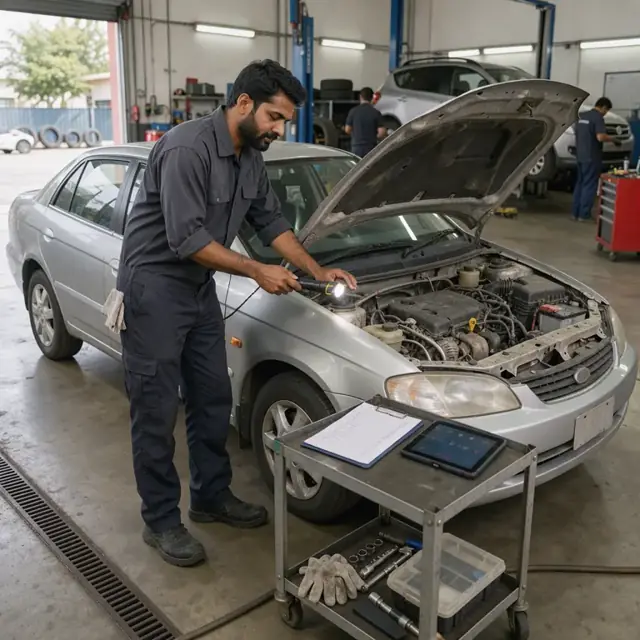
Appraisal and Recon Coordinator
Convert newly acquired vehicles into sequenced reconditioning plans, cost estimates and purchase or consignment agreements.
Works in: Ambitious Docs, Ambitious Sheets, Ambitious Tasks · Workflows: Appraisal and reconditioning planning
Automates
- Compiles condition photos and runs initial vehicle history report
- Builds the step-by-step reconditioning plan with labor and parts estimates
- Flags title or lien issues that require attention
- Drafts purchase or consignment agreements
Stops for a person
- The dealer principal approves all purchase prices and reconditioning budgets
- A technician verifies major mechanical issues on site before final plan approval
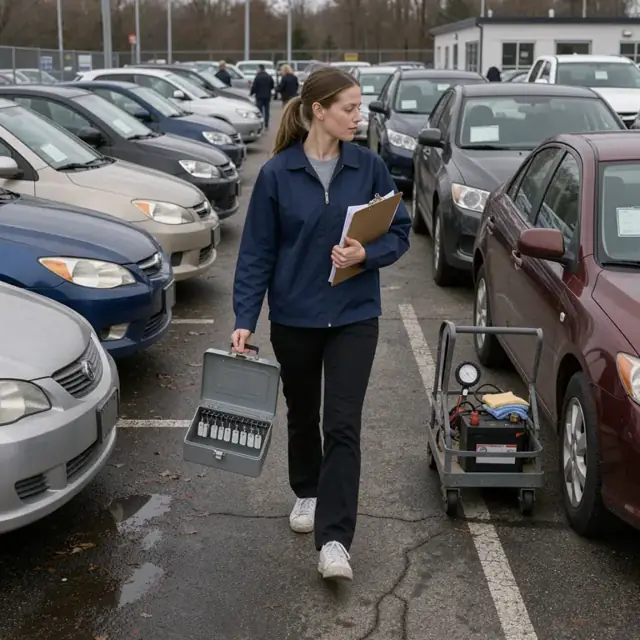
Inventory and Key Control Clerk
Maintain real-time status, location, key and document tracking for every vehicle on the lot.
Works in: Ambitious Sheets, Ambitious Tasks, Ambitious Docs · Workflows: Inventory tracking and key control
Automates
- Updates vehicle status after each move, service or sale
- Tracks keys, fobs, titles in transit and temporary tags
- Flags aging inventory and drafts price-reduction suggestions
- Logs any damage or missing accessories found during lot checks
Stops for a person
- The dealer principal confirms any price reductions before they are published
- A person physically verifies key and title locations during the daily audit

Reconditioning Scheduler
Assign all mechanical, body, interior and detail work against shop capacity while ordering required parts on time.
Works in: Ambitious Tasks, Ambitious Sheets · Workflows: Reconditioning scheduling and parts ordering
Automates
- Assigns tasks to shop bays and available technicians
- Generates parts orders directly from the reconditioning plan
- Tracks stage completion and automatically updates vehicle status
- Flags vehicles missing target dates and suggests schedule adjustments
- Prepares the final multi-point inspection checklist
Stops for a person
- The service manager approves the daily shop schedule
- A technician confirms parts arrival and suitability before work begins

Listing Preparer
Assemble complete, disclosure-ready online listings with accurate photos, descriptions and pricing once reconditioning is finished.
Works in: Ambitious Docs, Ambitious Tasks, Ambitious Sheets · Workflows: Listing preparation and photography
Automates
- Confirms all inspection and history report documents are present
- Drafts full vehicle descriptions including required disclosures
- Suggests asking price based on cost basis and current market data
- Creates marketplace listing drafts with attached photo sets
Stops for a person
- The dealer principal reviews and approves every listing before it goes live
- A person takes and selects the final photographs showing exact current condition

Sales Contract Specialist
Draft purchase agreements, financing packets, trade-in documents and compliance checklists for each negotiated deal.
Works in: Contract Analyzer, Ambitious Docs, Ambitious Tasks · Workflows: Sales negotiation and contract preparation
Automates
- Pulls vehicle details, history report and current pricing into documents
- Drafts purchase agreements, odometer statements and warranty addendums
- Prepares financing and trade-in paperwork packets
- Checks documents against the requirements the owner confirms
Stops for a person
- The dealer principal approves every contract before any signature is obtained
- A finance person verifies funding approval and exact lien payoff amounts

Delivery and Title Clerk
Prepare delivery packets, temporary tags and file all required title transfer and registration paperwork after funding.
Works in: Ambitious Docs, Ambitious Tasks, Email Buckets · Workflows: Post-sale delivery and titling, Dealer compliance and permit tracking
Automates
- Generates buyer welcome packets and warranty information
- Prepares state registration forms and title transfer documents
- Tracks filing deadlines and temporary tag inventory
- Drafts post-sale follow-up messages for approval
- Maintains the weekly compliance checklist and renewal calendar
Stops for a person
- The dealer principal confirms all title work and filings before submission
- A person meets the buyer at delivery to handle final signatures and explanations
Workflows
Lead intake and appointment setting
Starts when: A prospect inquires by phone, email, text, website form or marketplace message
- Capture the desired vehicle type, budget, trade-in details if any, and preferred contact window
- Pull preliminary market comps and check against current lot inventory and expected arrivals
- Draft an appointment confirmation that includes lot address, time, required documents and test-drive procedures
- Create a sales-floor task with all prospect notes attached and flag high-intent leads
- Log the lead source for later marketing review
Watch for: Trade-in details must be captured exactly as described for accurate later appraisal; Appointment times must avoid conflicts with shop reconditioning schedule or sales staff availability; High-value trade-ins require immediate escalation to the dealer principal
Appraisal and reconditioning planning
Starts when: A vehicle arrives via trade-in, auction purchase or consignment
- Record VIN, current mileage, exterior and interior condition with timestamped photos
- Run a vehicle history report and flag title brands, liens, accidents or service records
- Build a sequenced reconditioning plan covering mechanical, body, interior, detailing and final inspection
- Estimate total reconditioning cost and timeline against shop capacity and current parts inventory
- Draft purchase or consignment agreement showing agreed price and any contingencies
Watch for: Mechanical and body work must be sequenced to prevent rework after interior or paint steps; Salvage-title or high-mileage vehicles require extra documentation and dealer principal review; Any visible damage discovered after initial appraisal must trigger a plan revision
Inventory tracking and key control
Starts when: Daily at opening, after any vehicle movement, and weekly full audit
- Update each vehicle's location, status, key fob assignment and document folder location
- Track titles in transit, loan payoff status, emissions certificates and temporary tag inventory
- Flag vehicles that have completed reconditioning and are ready for photography or listing
- Identify aging inventory and draft price-reduction recommendations based on days on lot
- Log any new damage, missing accessories or lot-check discrepancies
Watch for: Keys and fobs must be stored in a locked system and logged on every transfer; Titles cannot be released to buyers until lender payoffs have cleared and been documented; Temporary tags must be accounted for daily to meet state inventory rules
Reconditioning scheduling and parts ordering
Starts when: After appraisal plan approval and at the start of each week
- Assign mechanical, body, interior and detail tasks to available shop bays and technicians
- Generate and send parts and material orders pulled directly from the reconditioning plan
- Track completion of each stage in real time and automatically update vehicle status
- Flag any vehicle that will miss its target completion date and suggest schedule adjustments
- Prepare the final post-reconditioning multi-point inspection checklist
Watch for: Shop bays and certified technician hours are strictly limited; Parts must be ordered and confirmed on hand before labor is scheduled; Safety-related repairs must be completed before any emissions or state inspection
Listing preparation and photography
Starts when: When a vehicle completes reconditioning and passes final inspection
- Confirm that all required inspections, emissions results, title documents and disclosures are on file
- Schedule and log professional photographs from multiple angles showing actual current condition
- Draft a complete description incorporating condition notes, options, history report highlights and required disclosures
- Calculate and propose an asking price using acquisition cost, reconditioning total and current market data
- Assemble a marketplace-ready listing draft with all photos and text
Watch for: Accurate disclosure of prior accidents, damage history, warranty status and title brands is mandatory; Photographs must reflect the vehicle exactly as it will be shown to buyers; Any change in condition after photography requires a new photo set and listing revision
Sales negotiation and contract preparation
Starts when: A prospect requests pricing, schedules a test drive or submits an offer
- Pull complete vehicle details, history report, current asking price and comps
- Draft counter-offer, payment options and financing estimates for review
- Prepare purchase agreement, odometer disclosure, warranty addendum and trade-in documents
- Coordinate a separate trade-in appraisal if the buyer is offering a vehicle
- Assemble a financing packet and checklist of all required buyer documents
Watch for: All contract terms and numbers must be reviewed by the dealer principal before any signature; Financing approval status and trade-in payoff amounts can change within hours; Any verbal promises on warranties or included service must be written into the contract
Post-sale delivery and titling
Starts when: After contract signing, funding confirmation and payment clearance
- Schedule delivery or customer pickup time and confirm all buyer documents are ready
- Prepare temporary tag, state registration forms, warranty packet and owner manual folder
- File title transfer, lien release and any required state forms on the correct timeline
- Create a buyer welcome packet that includes service information and next maintenance due dates
- Log delivery confirmation, buyer feedback and any immediate post-sale issues
Watch for: State-specific titling and registration deadlines must be met to avoid fines; Temporary tags have strict usage limitations and expiration tracking requirements; Lender payoffs must be documented before the title can be transferred to the new owner
Dealer compliance and permit tracking
Starts when: Weekly, before any new listing, and on known renewal dates
- Generate a weekly checklist covering lot license display, buyer disclosures and temporary tag log
- Track expiration dates for dealer license, dealer plates, garage-keeper insurance and emissions station certification
- Verify that every listed vehicle has current history report, odometer statement and required safety or emissions paperwork on file
- Draft renewal applications when any license or permit approaches its due date
- Maintain a central folder of all current permits and inspection station credentials
Watch for: Rules for titling, temporary tags and disclosures vary by state and sometimes county; The dealer principal confirms which specific state requirements apply to each transaction; Any inspection station or dealer license lapse must be flagged immediately to the owner
Bot templates for this industry
- Used Car Dealers (7 bots)
Source: U.S. Small Business Administration, Office of Size Standards, Table of Small Business Size Standards Matched to North American Industry Classification System Codes, version March 2023 (effective 2023-03-17, NAICS 2022). Size standards are shown for reference only.