

Outdoor Power Equipment Retailers
Outdoor power equipment retailers sell, service and repair chainsaws, lawn mowers, leaf blowers, trimmers, pressure washers and related small engines. The shop takes customer orders for new units and parts, schedules service and repairs, manages seasonal inventory of machines and consumables, dispatches technicians for in-field repairs, and tracks warranty and emissions compliance paperwork. The specialists convert sales inquiries into orders, service requests into work orders and parts lists, and work orders into technician schedules and shop capacity plans. Pricing, final safety checks and customer approvals stay with the owner and technicians.
What makes this business different
- Seasonal demand spikes in spring for mowers and trimmers and in fall for chainsaws and blowers
- Complex custom orders mixing new machines, accessories, blades, oils and parts that must match exact model numbers
- Service and repair workflow requiring intake of customer equipment, diagnosis, parts ordering and reassembly
- Warranty claims, emissions compliance logs and manufacturer recall tracking that must be filed correctly
- Technician dispatch for on-site repairs at homes, farms and commercial properties with accurate arrival windows
- Inventory of high-value machines, sharp blades, fuel cans and two-stroke oils with theft prevention and par levels
- Repeat commercial customers such as landscapers who need priority service, bulk oil and rental units during peak season
Specialist bots

Sales Intake Specialist
Convert customer inquiries for new equipment and parts into priced quotes and sales orders.
Works in: Ambitious Tasks, Ambitious Docs, Ambitious Sheets · Workflows: Sales order and quote processing
Automates
- Reads incoming messages and forms for model numbers and requirements
- Checks stock and supplier availability
- Builds itemized quotes with accessories
- Converts approved quotes into orders and reserves units
- Drafts pickup or delivery confirmations
Stops for a person
- The owner approves all final pricing and trade-in values
- A technician evaluates trade-in equipment condition
- A person sends the quote and collects payment

Service Intake Coordinator
Capture repair requests, create work orders with photos and schedule initial triage.
Works in: Ambitious Tasks, Ambitious Docs, Email Buckets · Workflows: Service request and repair intake
Automates
- Processes drop-off and mobile repair requests
- Builds work orders with make, model, symptoms and photos
- Checks warranty and recall status
- Assigns initial queue position and estimated date
- Drafts customer intake confirmation
Stops for a person
- A technician performs the actual diagnosis
- The owner approves any loaner equipment agreements
- A person explains the repair process to the customer

Parts Procurement Specialist
Look up exact part numbers, check stock and draft orders for repair and resale parts.
Works in: Ambitious Docs, Ambitious Sheets, Ambitious Tasks · Workflows: Parts lookup and procurement
Automates
- Finds OEM and aftermarket part numbers from manuals
- Checks current inventory levels
- Creates purchase lists by supplier
- Updates work orders with arrival dates
- Tracks low-stock alerts for oils and filters
Stops for a person
- The owner places and pays for all parts orders
- Technicians confirm substitutions before installation
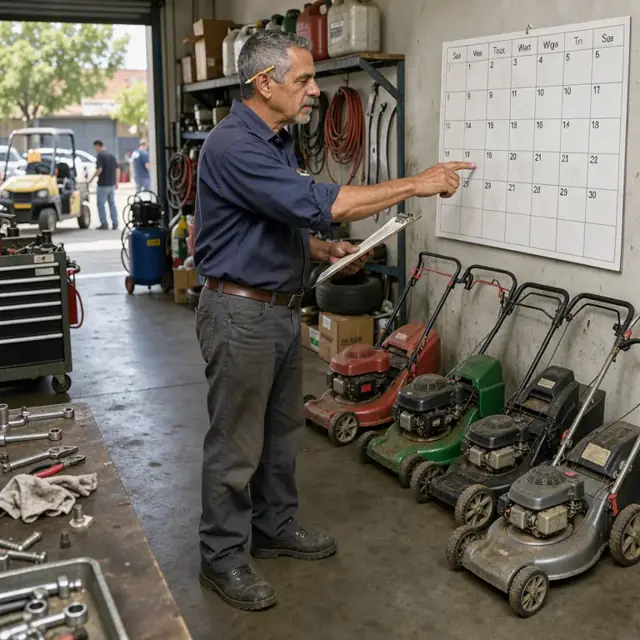
Technician Dispatch Scheduler
Assign shop and mobile repair jobs to technicians and build daily routes.
Works in: Ambitious Tasks, Ambitious Sheets · Workflows: Technician dispatch and shop scheduling
Automates
- Lists open work orders by priority and customer type
- Matches jobs to technician skills and locations
- Builds mobile repair routes with time windows
- Updates schedule when jobs overrun
- Flags jobs needing special tools
Stops for a person
- Technicians approve their daily assignments
- The owner sets priority for commercial accounts
- A person communicates changes to customers
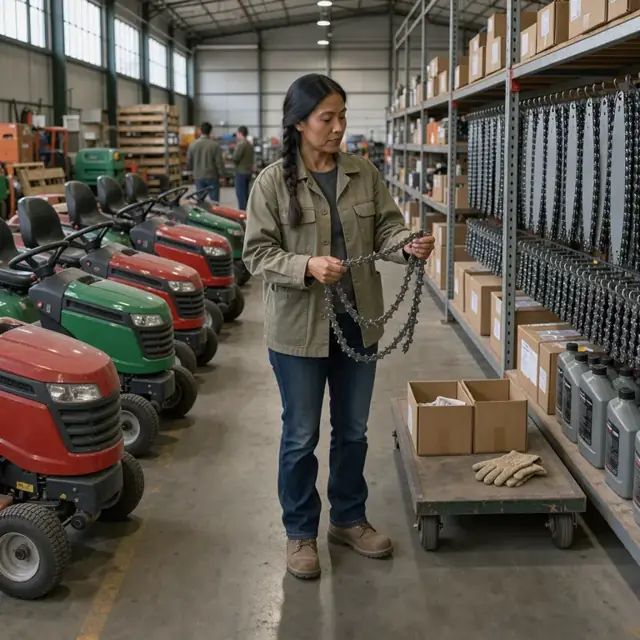
Inventory and Stock Planner
Track machine and consumable inventory, forecast seasonal needs and manage reorders.
Works in: Ambitious Sheets, Ambitious Tasks, Process Optimizer · Workflows: Inventory and seasonal stock planning
Automates
- Counts current stock of machines and parts
- Forecasts spring and fall demand
- Suggests reorder quantities for high-turnover items
- Identifies slow movers for promotion
- Tracks serialized equipment locations
Stops for a person
- The owner approves all purchase orders and promotions
- Physical cycle counts are performed by staff

Warranty and Compliance Clerk
Prepare warranty claims, maintain emissions logs and track manufacturer recalls.
Works in: Ambitious Docs, Ambitious Tasks, Contract Analyzer · Workflows: Warranty and emissions paperwork
Automates
- Compiles repair notes and parts lists for claims
- Generates emissions service logs
- Monitors recall databases and matches to serial numbers
- Prepares paperwork for submission
- Reminds staff of upcoming filing deadlines
Stops for a person
- Technicians verify accuracy of repair documentation
- The owner reviews and submits all warranty claims
- People confirm which regulations apply to each engine
Customer Retention and Reminder Specialist
Send service summaries, maintenance reminders and seasonal offers to past customers.
Works in: Email Buckets, Ambitious Tasks, Ambitious Docs · Workflows: Customer follow-up and maintenance reminders
Automates
- Drafts service summaries and invoices for review
- Creates maintenance reminder schedules
- Prepares seasonal tune-up offers
- Tracks commercial account renewal dates
- Gathers post-service feedback
Stops for a person
- The owner approves every message before sending
- A person handles billing questions and adjustments
- Commercial contract terms are confirmed by the owner

Equipment Inspection Verifier
Generate and track pre-delivery and post-repair safety inspection checklists.
Works in: Ambitious Tasks, Ambitious Docs, Ambitious Sheets · Workflows: Pre-delivery and safety inspection
Automates
- Creates model-specific safety checklists
- Logs inspection results and test-run data
- Flags items needing re-work before customer release
- Attaches completed checklists to the work order or sales record
- Maintains a running log of all inspected serial numbers
Stops for a person
- A technician performs every physical inspection and records results
- The owner or lead technician signs off on each completed checklist before release
- Any failed inspection items are corrected by a technician
Workflows
Sales order and quote processing
Starts when: A customer inquires by phone, email, website form or in-store about a new machine or parts
- Capture model number, accessories, engine specs and any trade-in details
- Check current stock, incoming shipments and supplier availability
- Build a priced quote with taxes, delivery or installation options
- Convert approved quote to a sales order and reserve inventory
- Draft a confirmation with pickup or delivery date
Watch for: Exact model numbers and serials are required to avoid ordering the wrong carburetor or blade; Trade-in evaluations require technician input before final pricing
Service request and repair intake
Starts when: A customer drops off equipment or requests mobile repair
- Record make, model, serial, hours, symptoms and customer concerns
- Create a digital work order with photos of the unit and damage
- Check for open recalls or warranty status
- Provide the customer with an estimated completion date
- Assign the unit a shop tag and queue position
Watch for: Contaminated fuel or damaged blades must be noted immediately for safety; Customers often need loaner equipment during longer repairs
Parts lookup and procurement
Starts when: After service work order is created or daily parts review
- Look up exact OEM or aftermarket part numbers from service manuals
- Check in-house inventory and back-order status
- Draft purchase orders for needed parts from distributors
- Update work order with expected arrival dates
- Notify customer when parts arrive
Watch for: Many older machines require obsolete parts sourcing; Two-stroke oil, filters and spark plugs must stay above seasonal par levels
Technician dispatch and shop scheduling
Starts when: Each morning and when new repair requests arrive
- List all open work orders by urgency and customer type
- Assign technicians to shop bays or field calls based on skill and location
- Build daily route for mobile repairs with time windows
- Flag jobs needing special tools or lift access
- Update the schedule when jobs run long
Watch for: Spring and fall backlogs require careful prioritization of commercial accounts; Mobile repairs need accurate address and gate codes
Inventory and seasonal stock planning
Starts when: Weekly and before peak seasons
- Count floor models, warehouse stock and consignment units
- Forecast demand for mowers, chainsaws and consumables using prior year data
- Draft reorder quantities for high-turnover items like bar oil and air filters
- Identify slow-moving stock for promotion or return to supplier
- Track serialized machines for theft and floor-plan financing
Watch for: Large machines take up significant floor and storage space; Winter months require aggressive discounting of seasonal items
Warranty and emissions paperwork
Starts when: After each repair and on manufacturer deadlines
- Compile repair notes, parts used and labor hours for warranty claims
- Submit claims through manufacturer portals
- Maintain emissions and EPA compliance logs for each engine serviced
- Track recall notices and notify affected customers
- File completed paperwork for audit readiness
Watch for: Different brands have unique warranty submission rules; Emissions regulations vary by engine size and model year
Customer follow-up and maintenance reminders
Starts when: After service completion and on seasonal cadence
- Draft service summary and invoice for approval
- Send maintenance reminders for next oil change or blade sharpening
- Ask for review of the service experience
- Offer seasonal tune-up packages to past customers
- Track commercial accounts for contract renewal
Watch for: Never send marketing messages without owner approval; Commercial landscapers expect priority and volume discounts
Pre-delivery and safety inspection
Starts when: After receiving new equipment or completing a repair
- Perform visual and operational safety checks per manufacturer guidelines
- Verify fluid levels, blade sharpness and chain tension
- Generate a pre-delivery or post-repair checklist with test-run results
- Record serial numbers and inspection findings in the asset log
- Prepare customer-facing safety and operation instructions
Watch for: All new and serviced equipment must pass a safety inspection before release; Technicians document each inspection step for liability protection
Bot templates for this industry
- Outdoor Power Equipment Retailers (8 bots)
Source: U.S. Small Business Administration, Office of Size Standards, Table of Small Business Size Standards Matched to North American Industry Classification System Codes, version March 2023 (effective 2023-03-17, NAICS 2022). Size standards are shown for reference only.